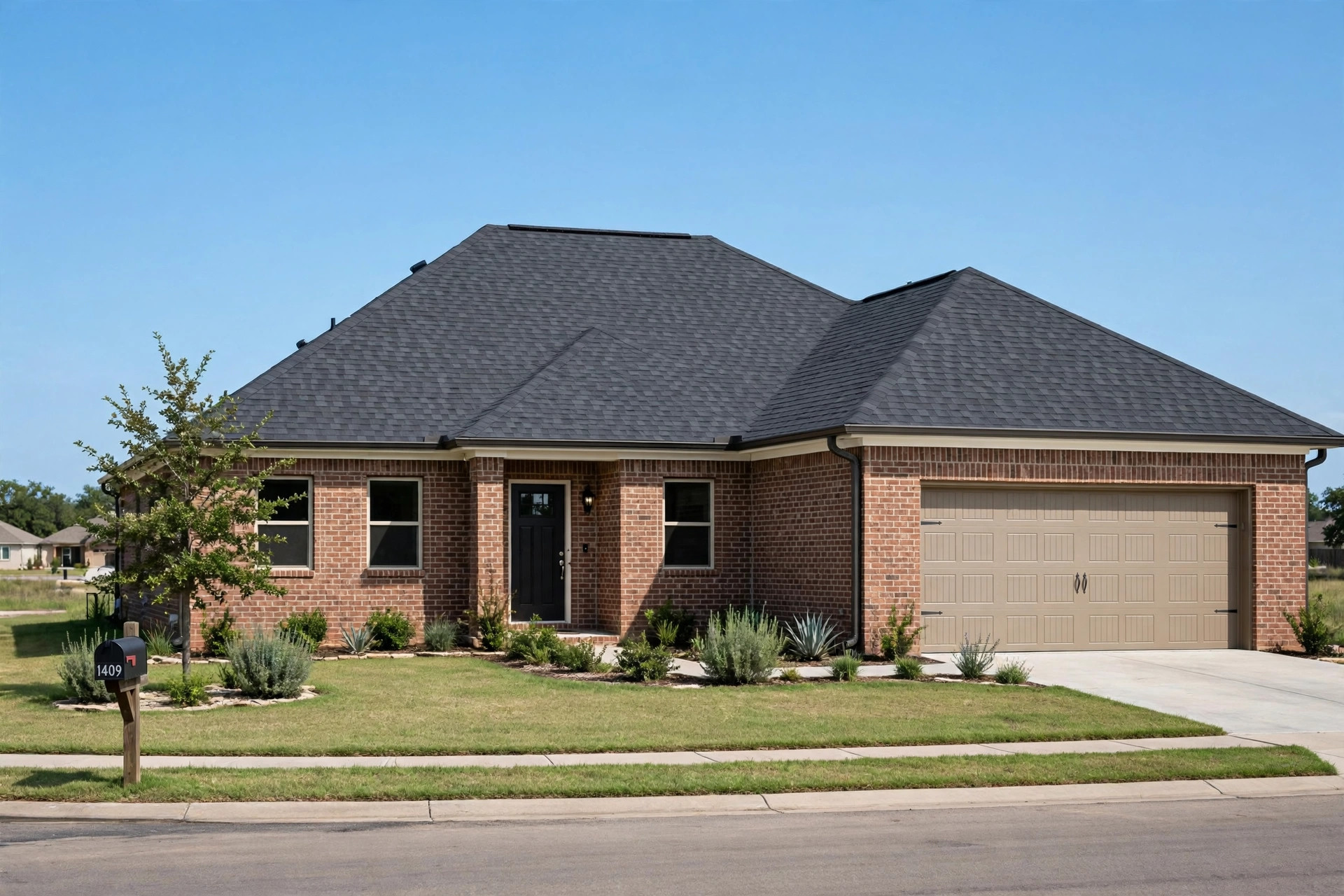

Every homeowner in Texas will one day face the same hard question. The roof is worn out. The leaks have started. It is time for a full replacement. At that point, the choice that matters most is not the shingle color. It is the contractor. Finding reliable roof replacement contractors in Texas is the difference between a roof that lasts thirty years and a roof that fails in five.
Texas is a hard place for roofs. The sun is brutal. Hail storms roll through in spring. Hurricanes threaten the coast. High winds test every shingle. A good contractor knows all of this and builds for it. A poor one cuts corners and leaves you to find the damage later. This guide explains how to tell the two apart.
Why a Good Roof Matters in Texas
A roof is the most exposed part of your home. It takes the heat of August and the hail of April. In Texas, it also takes wind that can lift a poorly nailed shingle clean off the deck.
The sun is the slow killer. Ultraviolet light breaks down asphalt shingles year by year. In the Texas heat, this process runs faster than in cooler states. A shingle rated for twenty five years in Ohio may give you only twenty in Dallas. This is normal. It is also why you need a contractor who understands local conditions.
Hail is the sudden killer. A single spring storm can dent and crack a whole roof in twenty minutes. Insurance adjusters in Texas handle more hail claims than in almost any other state. A reliable contractor will know how to work with your insurance company after a hail event. He will document the damage. He will meet the adjuster on the roof. He will not promise you a free roof before anyone has looked.
Wind matters too. Building codes in Texas set rules for how shingles must be fastened. The rules vary by county. A contractor who works your area every day will know the local code. A storm chaser from out of state may not.
Your roof also protects everything under it. Water that gets past a bad roof ruins insulation. It rots the deck. It feeds mold in the attic. A full replacement is expensive. A bad replacement is far more expensive, because you pay twice.
How to Choose a Roofing Contractor: Reliable Roof Replacement Contractors in Texas
Choosing a contractor is a process. Do it in order. Take your time. The right contractor will respect a careful homeowner.
Check the License and Insurance
Start with the basics. Ask for proof of general liability insurance. Ask for proof of workers compensation insurance. Call the insurance company to check that the policies are current. Do not take a paper copy at face value.
Texas does not have a state license for roofing contractors. This surprises many people. It means the burden falls on you. Some cities and counties require local registration. Ask your city building office what is required in your area. A reliable contractor will already know.
Ask for Local References
A good contractor has a list of local jobs. Ask for ten addresses from the last year. Drive past a few of them. Look at the roofs. A contractor who will not give references has something to hide.
Online reviews help, but read them with care. Look for patterns. One bad review among fifty good ones means little. Ten reviews that all mention leaks after the job mean a great deal. Check the Better Business Bureau and your state attorney general for complaints.
Get Three Written Estimates
Never accept the first bid. Get at least three written estimates. Each estimate should list the same details so you can compare them fairly. The details should include the brand and type of shingle, the underlayment, the flashing work, the tear-off of the old roof, the disposal, the ventilation changes, and the start and finish dates.
Beware of the bid that is far lower than the others. A very low bid usually means cut corners. The contractor may plan to reuse old flashing. He may plan to skip the ice and water shield. He may use a thinner shingle than he quoted. In roofing, you get what you pay for. For a fair comparison of material prices, a metal roofing installation cost guide can help you understand what quality roofing should cost.
Ask About the Crew
Find out who will actually do the work. Many roofing companies sell the job and then hand it to a subcontract crew. This is common. It is not always bad. But you should know who is on your roof. Ask if the crew is local. Ask how long they have worked with the company. Ask who supervises the job on site.
Types of Roofs Common in Texas
Texas homes wear several kinds of roofs. Each has strengths and costs. Your contractor should explain the options in plain terms.
Asphalt Shingles
Asphalt shingles are the most common roof in Texas. They cost less than other options. They come in many colors. They install quickly. A good architectural shingle can last twenty to thirty years in Texas weather. Look for shingles with a high wind rating if you live in a storm zone. A guide to asphalt shingle roofing can help you compare product lines.
Metal Roofs
Metal roofs cost more up front. They last much longer. A standing seam metal roof can last forty to seventy years. Metal reflects heat, which can lower cooling bills in the Texas summer. It sheds rain fast and resists hail better than shingles. The noise of rain on metal is louder, but solid decking and insulation reduce it.
Tile Roofs
Clay and concrete tile roofs are common in South and Central Texas. They suit the Spanish style homes of the region. Tile lasts a very long time, often fifty years or more. It is heavy. Your home must be built to carry the weight. Tile costs more than shingles and needs skilled installers.
What About Flat Roofs
Some Texas homes and many additions have low slope roofs. These use modified bitumen or single ply membranes. They need a contractor with flat roof experience. Do not hire a shingle-only crew for a flat roof.
What a Roof Replacement Costs
Cost is the question every homeowner asks first. The honest answer is that it depends. The size of the roof matters most. Roofers measure in squares. One square is one hundred square feet. A typical Texas home needs twenty to thirty squares.
The material matters next. Asphalt shingles cost the least. Metal costs more. Tile costs the most. The steepness of the roof matters too. A steep roof takes more labor and more safety gear. A roof with many valleys, dormers, and chimneys takes more flashing work.
For a typical Texas home, a full asphalt shingle replacement often falls between eight thousand and eighteen thousand dollars. Metal can run from fifteen thousand to thirty five thousand. Tile can exceed forty thousand. These are rough ranges for 2026. Your bids may differ.
When you study the roof replacement cost in Texas, remember what is included. A full replacement should include tear-off of the old roof down to the deck. It should include repair of any rotten decking. It should include new underlayment, new flashing, new vents, and new ridge caps. Ask each bidder to confirm these items in writing.
Watch for extras that appear after the job starts. Rotten decking is the most common. A good contractor will warn you in advance that decking repairs cost extra per sheet. He will show you the rot before he fixes it. A bad contractor will surprise you with a large bill at the end.
Payment terms matter. Never pay the full price up front. A common plan is one third to start, one third at midpoint, and the rest when the job is done and you are satisfied. Be wary of any contractor who demands full payment before the work begins.
Care and Upkeep After the Job
A new roof still needs care. The contractor should give you a maintenance list. Follow it.
Keep gutters clean. Clogged gutters push water back under the shingles. Trim tree limbs that hang over the roof. Limbs rub shingles in the wind and drop leaves that trap moisture. Check the attic twice a year. Look for daylight through the deck. Look for stains on the wood. Stains mean water is getting in.
Do not walk on your roof unless you must. Foot traffic wears shingles. If you need to go up, wear soft shoes and step on the lower part of the shingles, near the nails.
Most shingle makers offer warranties. Read yours. Many warranties require the shingles to be installed exactly as the maker specifies. This is another reason to hire a careful contractor. Keep your contract, your receipts, and your warranty papers in one folder.
The trim around your roof needs care too. The soffit and fascia protect the roof edge. If they rot, water finds a path in. A soffit and fascia repair guide can help you spot trouble early.
Safety on the Job Site
Roof work is dangerous. Falls kill and injure roofers every year. A reliable contractor runs a safe job site. Look for harnesses and ropes on steep roofs. Look for a clean yard. Nails in the grass are a sign of sloppy work. The crew should run a magnet over your yard and driveway at the end of each day.
Keep children and pets away from the work area. Falling debris is a real risk. Tell the contractor about buried lines, septic tanks, and soft spots in the yard before the dumpster arrives. A heavy dumpster can crack a driveway. Ask where it will sit.
The contractor should also protect your home. Old shingles and nails should fall into tarps or a dump trailer, not onto your shrubs. Ask how the crew will protect landscaping and air conditioning units. Good crews take this seriously.
If you live in a neighborhood with a homeowners association, check the rules before work starts. Many Texas associations require approval of shingle color. Get the approval in writing. Your contractor can help with the paperwork.
Frequently Asked Questions
How long does a roof replacement take?
Most Texas homes take one to three days for asphalt shingles. The crew tears off the old roof on day one and installs the new roof on day two. Bad weather can add days. Metal and tile take longer, often one to two weeks.
Should I stay in the house during the work?
Yes, you can stay. It will be loud. The banging starts early and runs all day. If you work from home, plan to be elsewhere. Keep pets calm and away from the noise.
Can a new roof go over the old one?
In some cases, yes. Building codes often allow two layers of shingles. But a full tear-off is better. It lets the contractor see the deck. It lets him fix rot. It also keeps the roof lighter. Most reliable contractors in Texas recommend tear-off.
How do I handle storm damage and insurance?
Call your insurance company first. Document the damage with photos. Get a contractor to inspect the roof and write a report. The insurance adjuster will visit. Your contractor can meet the adjuster on the roof to point out damage. Do not sign any paper that assigns your whole claim to the contractor before you understand it.
What warranty should I expect?
There are two warranties. The maker covers the shingles, often for twenty five to fifty years. The contractor covers the labor, often for two to ten years. Get both in writing. A labor warranty is only as good as the company behind it, so choose a contractor who has been in business for years.
Is summer a bad time to replace a roof in Texas?
Summer heat makes the work harder, but crews do it every day. Shingles seal faster in heat, which is a plus. Spring and fall are milder and often book up first. Winter works too in most of Texas. The main thing is to schedule before a leak forces your hand.
A Short Final Word
A roof replacement is one of the largest checks a homeowner writes. It is also one of the most important. Take the time to find reliable roof replacement contractors in Texas who do the job right. Check insurance. Read references. Compare written bids. Ask hard questions. The extra week of care will buy you decades of dry ceilings. Your home deserves a roof built for Texas weather, and you deserve a contractor you can trust.
For more background, see CertainTeed, This Old House, and Bob Vila. For more background, see Family Handyman, The Spruce, and The Home Depot. Buying guides are also published by Lowe’s and James Hardie.
References
Bob Vila. (n.d.). Home improvement advice. https://www.bobvila.com CertainTeed. (n.d.). Building materials and exterior products. https://www.certainteed.com Family Handyman. (n.d.). DIY home repair and maintenance. https://www.familyhandyman.com James Hardie. (n.d.). Fiber cement siding and exterior products. https://www.jameshardie.com Lowe’s. (n.d.). Home improvement products. https://www.lowes.com The Home Depot. (n.d.). Home improvement products. https://www.homedepot.com The Spruce. (n.d.). Home and garden advice. https://www.thespruce.com This Old House. (n.d.). Home renovation guidance. https://www.thisoldhouse.com
Was this guide helpful?

About James Carter
The My Garden US editorial team writes practical, in-depth home and garden guides for American homeowners — tested advice, no fluff.
You May Also Like

Where to Buy Asphalt Shingle Roofing in Arizona
May 24, 2026 0 views
Best Cedar Shake Siding for Southern States
May 18, 2026 0 views
Weather Resistant Exterior House Painting Services for Homeowners
July 3, 2026 0 views