Heating and cooling systems are the hardest-working machines in most American homes. They run through summer heat waves and winter cold snaps, often for thousands of hours each year. An hvac maintenance plan cost per year usa search brings up a wide range of prices, from under one hundred dollars to well over five hundred. The reason is simple. Plans are not all the same. Some cover one visit a year. Others cover two visits, priority service, and repair discounts. This article explains what these plans cost, what they include, and how to pick one that fits your home and your budget.
Why a Maintenance Plan Matters
A heating and cooling system loses a small amount of efficiency every year it runs without care. Dust builds up on coils. Blower motors strain. Drains clog. Refrigerant levels drift. None of this causes a breakdown on the first day. The harm is slow and quiet. Energy bills climb a little each season. The system works harder to do the same job. Parts wear out sooner.
The U.S. Department of Energy publishes plain guidance on efficient home heating and cooling for owners who want to learn more. Regular service stops this slow decline. A technician cleans the coils, checks the charge, tightens electrical connections, and tests the controls. A clean system also runs more quietly and keeps the air in the home more even from room to room.
A maintenance plan is simply a prepaid agreement for this regular care. Instead of calling a company once a year and hoping they are free, you pay a set yearly fee. The company then schedules your visits and often gives plan members first place in line when a heat wave or cold snap fills their phones. For families who want steady comfort without surprise breakdowns, that peace of mind is the real product.
What Is Included in a Typical Plan: Hvac Maintenance Plan Cost Per Year Usa
Plans differ from company to company, but most cover the same core work. A standard plan includes one or two scheduled tune-up visits each year. The spring visit prepares the cooling system for summer. The fall visit prepares the heating system for winter. During each visit the technician performs a long checklist of tasks. The cooling checklist usually includes cleaning the condenser coil, checking the refrigerant charge, clearing the condensate drain, testing the thermostat, and measuring the temperature difference across the coil. The heating checklist usually includes inspecting the heat exchanger, testing the ignition system, checking the gas pressure and burner, and testing safety controls.
Most plans also include a discount on repairs, often ten to fifteen percent, and a discount on parts. Priority scheduling is a common perk. If your system fails on the hottest day of the year, plan members usually get a technician faster than non-members. Some plans waive the overtime charge for emergency visits. A few include the air filter, though many leave filter changes to the homeowner.
How Much an HVAC Maintenance Plan Costs Per Year
Across the United States, a basic plan for one system usually costs between $150 and $300 per year. A mid-level plan with two visits and repair discounts usually costs between $250 and $450 per year. A premium plan with extras such as free diagnostics, larger discounts, and no overtime fees can cost between $400 and $600 per year. These are national ranges. Prices in large cities and high-cost regions run higher. Prices in small towns and rural areas often run lower.
Basic Plans: $150 to $300 Per Year
A basic plan is the simplest option. It usually covers one system and one visit per year, or one visit each for heating and cooling at the budget end. The visit includes the full inspection and cleaning. Repair discounts are small or absent. This level suits newer systems that are still under the factory warranty and mainly need a yearly check to keep the warranty valid. Many manufacturers require proof of yearly service to honor a warranty claim, so a basic plan can be a cheap form of warranty protection.
Standard Plans: $250 to $450 Per Year
The standard plan is the most common. It covers two visits per year, one for cooling and one for heating. Members get a repair discount, often ten to fifteen percent, plus priority scheduling. Some include a free diagnostic fee if a repair is needed between visits. This level suits systems between five and twelve years old, the age when small problems start to appear. For a homeowner who wants steady care and faster service, the standard plan is the usual recommendation.
Premium Plans: $400 to $600 Per Year
A premium plan adds the comforts. The repair discount may reach twenty percent. Overtime and after-hours fees may be waived. Diagnostic visits may be free. Some plans add plumbing or electrical coverage, or a yearly dryer vent cleaning. A few cover two systems under one price, which can make them cheaper per system than two standard plans. Premium plans suit older systems, large homes with more than one unit, and households that want the fastest possible response when something breaks.
The Cost of Two Separate Visits
It helps to compare the plan price with the price of paying per visit. A single tune-up visit, booked on its own, usually costs between $75 and $200 depending on the region. Two visits therefore cost $150 to $400. If a standard plan costs $300 and includes the repair discount and priority service, it is roughly the same price as two separate visits, with the perks added at no extra cost. If the plan costs much more than two single visits, the perks need to be worth the difference.
Factors That Change the Price
Several facts about your home and your system move the price up or down. The number of systems is the biggest. A home with two air handlers and two condensers, common in two-story houses, may need a plan for each unit. Some companies sell a second-system add-on at a reduced price, often half the first-system cost. Others simply double the fee.
The type and age of the equipment matter. Oil furnaces and heat pumps take more time to service than simple gas furnaces. Very old systems take longer to inspect because the technician must check worn parts with care. Some companies charge a small extra fee for rooftop units or systems that are hard to reach.
The region matters a great deal. Labor costs are higher in the Northeast, the West Coast, and major cities. A standard plan that costs $280 in a small Midwestern town may cost $420 in a large coastal city. Local competition also plays a role. In towns with many heating and cooling companies, prices tend to be lower because companies compete for members.
How to Choose the Right Plan
Start with the age and condition of your system. A system under five years old usually needs only the basic yearly check, mainly to keep the warranty in force. A system between five and twelve years old is the best candidate for a standard plan with two visits. A system over twelve years old may be better served by saving the plan money toward a replacement, unless a premium plan offers a large repair discount that you are likely to use.
Questions to Ask Before You Sign
Ask what each visit includes, and get the checklist in writing. A vague promise of a tune-up is not enough. Ask whether the price covers all of your systems or only one. Ask how the repair discount works and whether it applies to parts, labor, or both. Ask how fast priority scheduling really is during a heat wave. Ask what the plan does not cover. Ask whether the agreement auto-renews and how you cancel.
Compare the plan with the cost of two single visits from the same company. If the plan costs little more, the discount and priority service are a fair trade. If it costs far more, ask the company to explain the difference. A plan is only as good as the technician who shows up.
Homeowners who like to handle small tasks themselves may prefer a lighter plan. Changing the filter every one to three months, keeping the outdoor unit clear of leaves, and hosing the condenser coil gently in spring are simple jobs that reduce the need for extra visits. A guide to best dehumidifier for basement 2026 usa can help with moisture control, which also lightens the load on cooling equipment. Those who want full hands-off care should look at the standard or premium level.
It is also worth reading the honest debate about whether these agreements pay off. A clear look at are hvac maintenance plans worth it usa walks through the math for different home types. And because duct leaks and attic heat force systems to work harder, many owners pair their plan with small envelope fixes such as best attic tent for pull down stairs usa to cut energy waste at the source.
Care and Upkeep Between Visits
A plan does not replace the small jobs that belong to the homeowner. The air filter is the most important. A clogged filter chokes airflow, raises energy use, and can freeze the indoor coil in summer or overheat the furnace in winter. Check the filter every month during heavy use and replace it when it looks dirty, usually every one to three months. Use the size and type the manufacturer recommends.
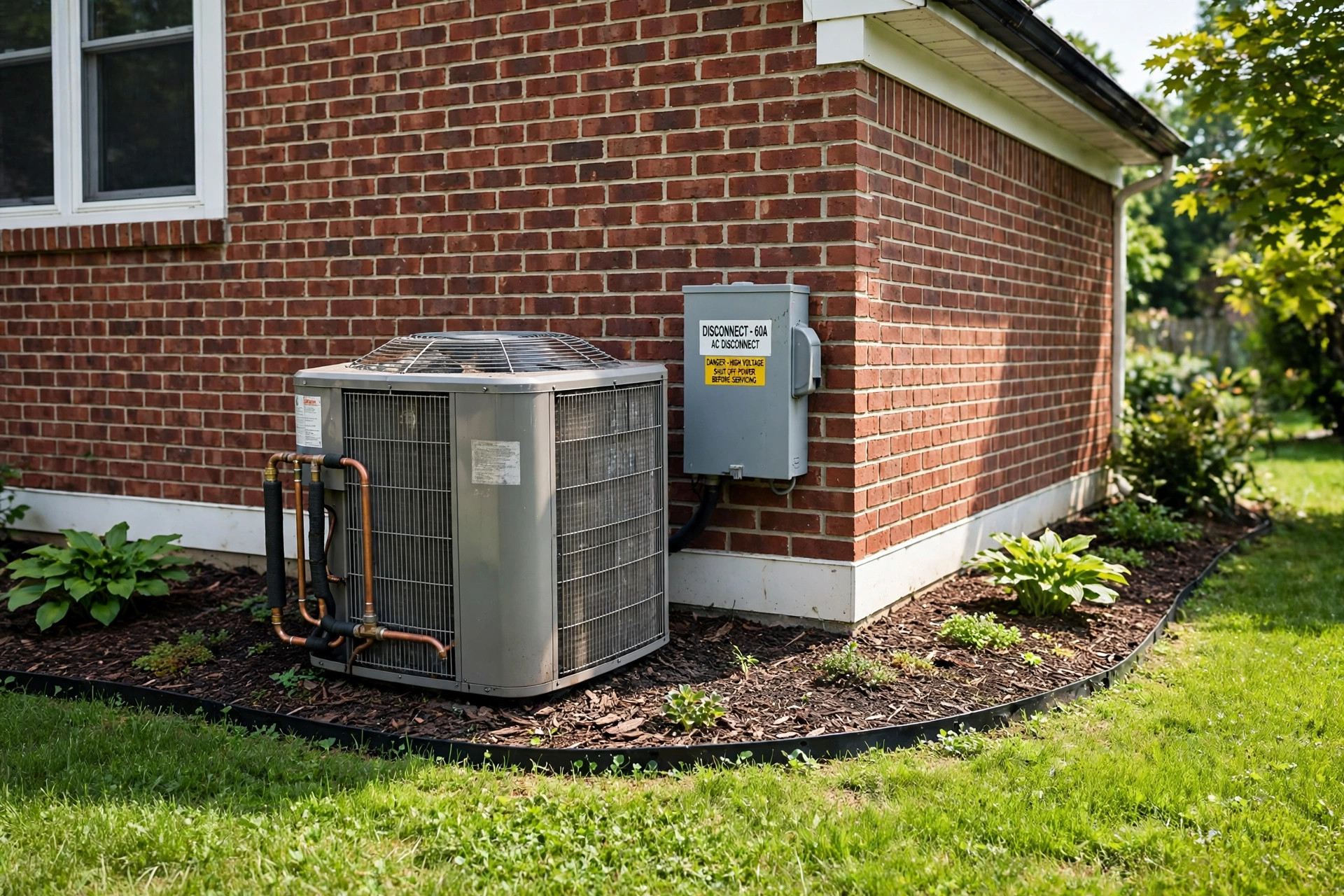
Keep the outdoor unit clear. Leaves, grass clippings, and shrubs should stay at least two feet away from the condenser on all sides. Never stack boxes or cover the unit with a tarp in a way that traps moisture. In spring, turn off the power and rinse the coil gently with a garden hose from the inside out, unless your plan specifically asks you not to touch it.
Inside the home, keep supply vents open and unblocked by furniture or curtains. Listen for new sounds. Grinding, squealing, or repeated clicking are early warnings. A plan member who reports a small noise early often avoids a large repair later.
Safety
Heating and cooling equipment mixes electricity, fuel, and moving parts. Safety is a real part of maintenance, not an afterthought. For gas furnaces, the technician should check the heat exchanger for cracks, test the carbon monoxide controls, and confirm the flue vents properly to the outside. A cracked heat exchanger can leak carbon monoxide into the home. Every home with fuel-burning equipment should have a working carbon monoxide detector on each level.
Electrical safety matters too. Capacitors store a charge even when the power is off and can shock a person who touches them. High-voltage connections must be tight and free of burn marks. These checks belong to the trained technician, which is one more reason a yearly visit has value. Homeowners should not open the electrical panel of the furnace or the condenser.
Refrigerant is a third concern. It is sealed inside the system and should never need topping off under normal care. If the charge is low, there is a leak, and the leak should be found and fixed. A good technician explains the leak before adding refrigerant, and a good plan includes the leak check as part of the visit.
Frequently Asked Questions
How much does an HVAC maintenance plan cost per year on average?
For one system, most American homeowners pay between $150 and $450 per year. Basic plans with one visit sit at the low end. Standard plans with two visits and repair discounts sit in the middle. Homes with two systems or premium perks pay more, up to about $600 per year.
Is a maintenance plan cheaper than paying per visit?
Often it is about the same. Two single tune-up visits cost roughly $150 to $400 in most regions. A standard plan in the same price range adds the repair discount and priority scheduling at little or no extra cost. The plan becomes clearly cheaper when the company discounts the yearly price for advance payment.
Do maintenance plans cover repairs?
No. The yearly fee covers the scheduled visits, the inspection labor, and the member perks. Parts and repair labor cost extra, though most plans give a ten to twenty percent discount. Read the agreement to see exactly what the discount covers before you assume.
Will a plan keep my manufacturer warranty valid?
In most cases, yes. Many equipment makers require yearly professional service as a condition of the warranty. A maintenance plan provides dated service records, which is exactly the proof a warranty claim needs. Keep the visit receipts with your equipment papers.
Can I cancel a maintenance plan?
Most plans allow cancellation with written notice, though some charge a fee or keep the cost of visits already performed. The rules vary, so read the cancellation terms before signing. Mark the auto-renewal date on your calendar so you are not surprised.
How do I know if the technician did a thorough job?
Ask for the completed checklist after each visit. A thorough cooling visit lists coil condition, refrigerant readings, temperature split, drain status, and electrical test results. A thorough heating visit lists heat exchanger condition, ignition test, gas pressure, and safety control results. Blank or vague checklists are a warning sign.
A Final Word
An HVAC maintenance plan is a simple trade. You pay a set yearly fee, and in return your system gets steady professional care, small problems get caught early, and you move to the front of the line when trouble strikes. For most homes the yearly cost falls between $150 and $450 per system, which is close to the price of two separate visits with useful perks added. The right plan depends on the age of your equipment, the number of systems, and how much hands-on care you want to do yourself. Ask for the checklist in writing, compare with per-visit prices, and choose the level that fits.
For more background, see ENERGY STAR, This Old House, and Family Handyman. For more background, see Carrier, Trane, and Lennox. See Goodman for more detail.
References
Carrier. (n.d.). Heating and cooling systems. https://www.carrier.com ENERGY STAR. (n.d.). Energy efficient products. https://www.energystar.gov Family Handyman. (n.d.). DIY home repair and maintenance. https://www.familyhandyman.com Goodman. (n.d.). Heating and cooling equipment. https://www.goodmanmfg.com Lennox. (n.d.). Heating and cooling systems. https://www.lennox.com This Old House. (n.d.). Home renovation guidance. https://www.thisoldhouse.com Trane. (n.d.). Heating and air conditioning. https://www.trane.com U.S. Department of Energy. (n.d.). Energy efficiency and renewable energy. https://www.energy.gov
Was this guide helpful?

About James Carter
The My Garden US editorial team writes practical, in-depth home and garden guides for American homeowners — tested advice, no fluff.