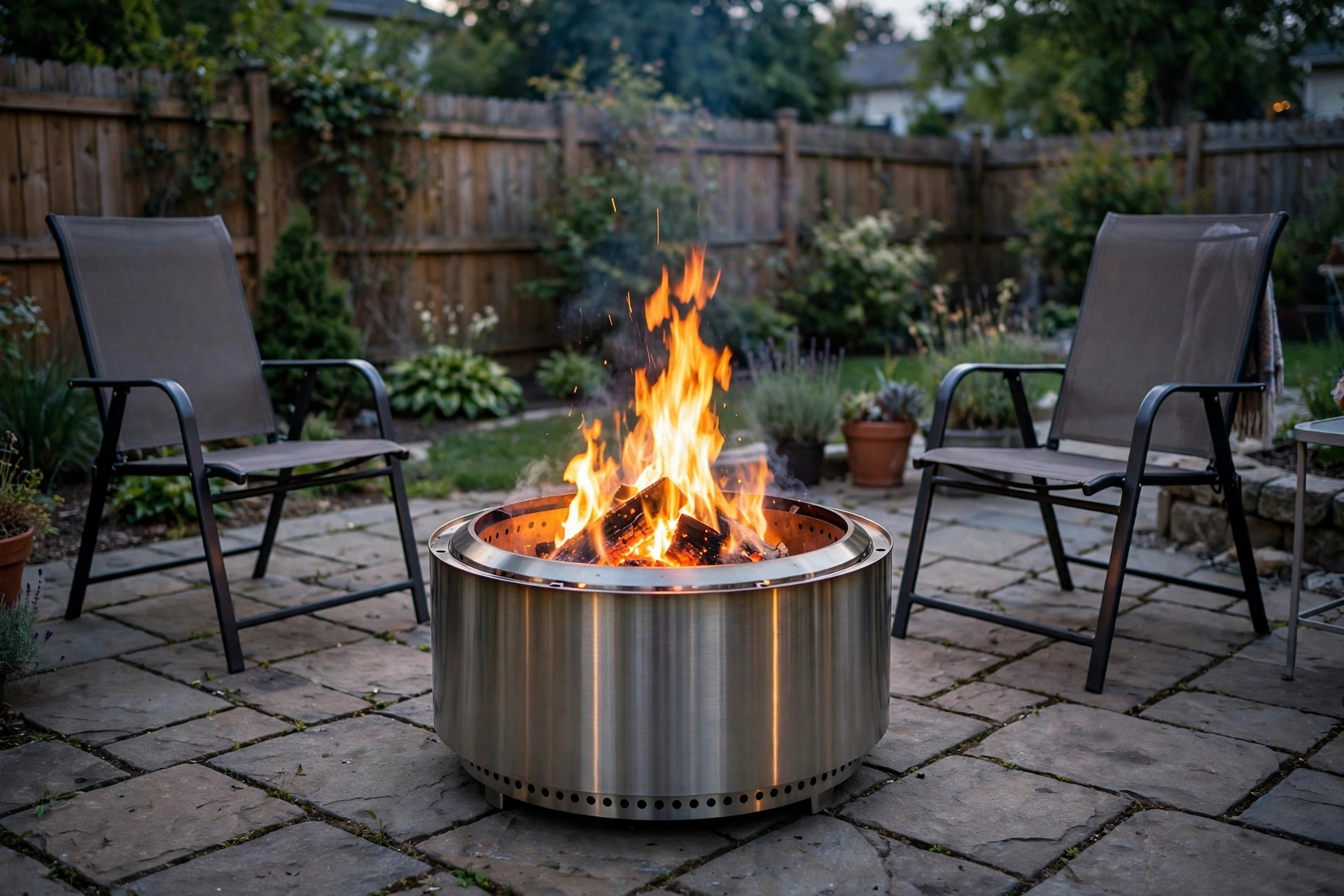

Many American families now heat their patios with wood instead of gas. The solo stove vs breeo comparison reviews usa search shows that two brands lead this market. Solo Stove builds light, portable smokeless fire pits. Breeo builds heavy, made-in-America fire pits. Both burn wood with less smoke. Both cost more than a plain fire ring. This guide compares them in plain terms. It covers heat output, build quality, price, care, and safety. By the end, you will know which one fits your yard and your budget.
Why This Comparison Matters
A fire pit is not a small purchase. The best models cost several hundred dollars. Buyers read reviews because the brands look alike in photos. Both use a double-wall design. Both claim a smokeless burn. But the daily use of each one feels very different.
Solo Stove grew fast through online sales. Its Bonfire and Yukon models sit on many patios. Breeo grew slower. It welds each unit in Lancaster, Pennsylvania, and sells through dealers. Reviews in the United States praise both brands. Complaints differ. Solo Stove owners talk about thin heat radius and ash pan design. Breeo owners talk about weight and price.
Heating a patio is the point of the purchase. A unit that looks fine but throws little heat is a waste of money. A unit that rusts in two winters is also a waste. This comparison looks at the real facts, not the ads. For readers who compare heating systems in general, see also heat pump vs furnace cost comparison to understand how outdoor heat fits a home budget.
How Smokeless Fire Pits Work: Solo Stove vs Breeo Comparison Reviews Usa
Both brands use the same basic science. Air enters through holes near the base. It feeds the fire from below. A second stream of air rises through the double wall. It exits through holes near the top rim. This upper air burns off the smoke before it leaves the pit.
The result is a cleaner burn. Neighbors smell less smoke. Clothes pick up less odor. Ash burns down to a finer powder. No design removes smoke fully. Wet wood will still smoke in either pit. Dry, seasoned hardwood is the key. Energy.gov notes that seasoned wood burns hotter and cleaner than green wood, and the same rule applies to a fire pit.
The burn works only when the fire is strong. A small, lazy fire smokes more. Owners should let the fire build before they sit down. Add wood slowly. Let flames stay above the rim vents.
How to Choose Between Them
Think first about how you will use the pit. Ask these questions before you read one more review.
How often will you move it? Solo Stove units are light. The Bonfire weighs under thirty pounds. One person can carry it. Breeo units are heavy. The X Series 24 weighs over one hundred pounds. It stays where you put it.
Do you want cooking? Both brands sell grill tops. Breeo built cooking into its design from the start. Its wide rim holds a kettle or pan. Solo Stove sells a separate cooking hub. Either way, plan to buy the cooking gear as an extra.
What is your budget? Solo Stove usually costs less for the same fire size. Breeo costs more but uses thicker steel. Read the price section below before you decide.
Do you care about American manufacturing? Breeo makes its pits in Pennsylvania and advertises it. Solo Stove designs in Texas and builds some models at home and some abroad. Buyers who value domestic steel tend to pick Breeo.
Do you need heat in one spot or many? Both pits throw heat in a circle. The larger the fire chamber, the larger the heat radius. Measure your patio. A small pit will not heat a large yard. Bob Vila has good guides on sizing outdoor heating gear to patio size.
Types and Options on Each Side
Solo Stove Models
The Ranger is the small one. It fits camping trips and small patios. Two to three people sit close around it. It is the cheapest entry point.
The Bonfire is the middle size. It suits most suburban patios. Four people feel its heat. It is the brand’s best seller in the United States.
The Yukon is the large one. It heats a wide circle. Six or more people fit around it. It needs a stand on wood decks because the bottom runs hot.
Solo Stove also sells a Canyon line with wider, shorter fire chambers. The design favors heat spread over flame height.
Breeo Models
The X Series comes in sizes from 19 to 42 inches. The 24 is the most popular for home yards. It burns standard split logs. The wide lip holds cookware flat.
The Y Series is the budget line. It keeps the smokeless design in a simpler body. It costs less than the X Series but more than most Solo Stove models.
The Luxeve is the premium line. It has a polished look for high-end patios. The price is the highest of the three lines.
Breeo sells fire pit inserts too. Owners can drop an insert into a stone surround. This suits people who build a permanent patio feature.
Both brands now sit in a wider market of patio heaters. Readers comparing whole-home systems may also like air source heat pump pros and cons.
Head to Head: The Main Points
Build Quality
Breeo uses thicker steel. Its walls are 304 stainless at a heavy gauge. The unit feels solid. Welds are clean. The brand promises a lifetime against rust-through.
Solo Stove uses 304 stainless as well. The walls are thinner. The unit is still strong, but it dents easier. Solo Stove also promises good rust resistance. Both brands need a cover. No stainless pit should sit in rain all year.
Heat Output
Breeo throws more radiant heat in most tests. The thicker walls hold heat. The wide design spreads warmth low across seated bodies. Owners say their legs stay warm.
Solo Stove burns hotter in the flame. The narrow chamber pushes flame up. It looks dramatic. But the heat rises. Sitters feel less warmth at knee level.
Neither brand publishes true BTU ratings. Wood heat depends on the wood. Expect a large model to warm a circle of ten to fifteen feet. A small model warms four to six feet.
Smokeless Performance
Both burn with little smoke when used right. Reviewers split on which is better. Solo Stove gets praise for a cleaner start. Breeo gets praise for less smoke with full loads of wood.
The difference is small. Wood quality matters more than brand. Buy seasoned oak, hickory, or maple. Avoid pine. It burns fast and throws sparks. Split logs to wrist size. Let them season a full year.
Ease of Cleaning
Solo Stove has a removable ash pan on most models. Lift it out. Dump the ash. The job takes minutes. This is a real daily-use win.
Breeo has no ash pan on the X Series. Owners scoop ash out by hand or tip the heavy unit. It is the most common complaint in Breeo reviews. Breeo sells an ash shovel. It helps, but the chore is harder.
Portability
Solo Stove wins clearly. Light weight and a carry case make it a travel pit. Campers and tailgaters love it.
Breeo is a fixture. Moving it needs two people and a strong back. Once placed, it stays. Some buyers see this as a plus. A heavy pit does not walk away.
Cooking
Breeo wins for serious cooking. The wide rim, the sear plate, and the kettle hook all come from a cooking-first design. Backyard cooks smoke meat and bake over it.
Solo Stove added cooking later. The grill top and hub work well for casual meals. Burgers and kebabs come out fine. Deep cooking is harder.
Cost and Price
Prices move with sales, so treat these as ranges for the United States market.
Solo Stove Ranger: about two to three hundred dollars. Bonfire: about three to five hundred. Yukon: about five to eight hundred. Bundles with stands and covers add one to two hundred.
Breeo X Series 19: about four hundred. X Series 24: about six to seven hundred. X Series 30: about eight hundred to one thousand. Luxeve runs higher. Cooking accessories add two to four hundred for a full set.
Shipping matters. Solo Stove often ships free. Breeo charges freight on the big units. Add fifty to one hundred fifty dollars.
Long-term cost favors Breeo on paper. Thicker steel lasts longer. But Solo Stove offers a good warranty too. Check the current terms before you buy. For whole-home heating costs, see mini split vs central ac cost comparison.
Care and Upkeep
Both pits need the same basic care. Cover them when not in use. Empty ash often. Ash holds moisture and breeds rust.
After rain, check inside. Tip out standing water. A wet pit rusts from the inside. Stainless steel resists rust, but it is not immune. Salt air near the coast speeds corrosion. Inland owners have an easier time.
Clean the vent holes each season. Ash clogs the lower vents. A blocked vent kills the smokeless burn. A stiff brush and a shop vacuum do the job.
Wood storage matters more than most buyers think. A rack with a cover keeps logs dry. Lowe’s sells log racks, and The Spruce has guides on seasoning firewood at home.
Never burn trash, painted wood, or pressure-treated lumber. The chemicals poison the air and the ash. Plain hardwood only.
Safety
A fire pit is an open flame. Treat it with respect.
Place the pit on stone, brick, or concrete. Keep it ten feet from the house, the fence, and low branches. Use the brand’s stand on any wood deck. The bottom of a large pit can scorch deck boards.
Keep a hose or a bucket of water close. Sparks happen. A spark screen cuts the risk and is worth the money. Outdoor fire products cause hundreds of preventable burns each year, so keep kids and pets at a safe distance.
Do not leave the fire alone. Wind can carry embers far. Check local burn rules. Some towns ban open fires in dry months. Some home insurance policies have rules about fire pits. Ask your agent.
Let the fire die on its own. Do not pour water into a hot stainless pit. The sudden chill can warp the steel. Spread the coals. Wait. Then clean the ash.
Kids and pets need a clear rule. Stay three feet back. The outer wall gets very hot. It will burn skin on contact.
Frequently Asked Questions
Which is better, Solo Stove or Breeo?
It depends on use. Solo Stove suits people who want light weight, easy cleaning, and a lower price. Breeo suits people who want a heavy permanent pit, stronger radiant heat, and serious cooking. Both burn clean with dry wood.
Are smokeless fire pits really smokeless?
Mostly. The double-wall design cuts smoke a lot. It does not end it. Wet wood, a weak fire, or wind can still make smoke. Seasoned hardwood and a strong fire give the best result.
Can I use either pit on a wood deck?
Yes, with the brand’s heat shield or stand. Never place a pit flat on wood. Check the maker’s deck guide. Keep the pit away from railings.
How long do these fire pits last?
With a cover and dry storage, expect ten years or more from either brand. Breeo’s thicker steel may last longer. Salt air and constant rain shorten any pit’s life.
What wood burns best?
Seasoned hardwoods like oak, hickory, maple, and ash. The wood should sit split and covered for six to twelve months. It should feel light and crack at the ends. Avoid softwood and construction scraps.
Do I need the brand’s accessories?
Not at first. A cover is the one must-have. A stand matters on decks. A spark screen is wise with kids around. Cooking gear can wait until you know you will cook.
A Short Final Word
The solo stove vs breeo comparison reviews usa market has no single winner. Solo Stove is the practical pick for movers, campers, and budget buyers. Breeo is the practical pick for homebodies, cooks, and buyers who want the heaviest build. Match the pit to your life, not to the ads. Buy dry wood. Cover the unit. Keep it ten feet from the house. Do those three things, and either brand will give you warm evenings for years. For guidance on heating efficiency standards, ENERGY STAR and Goodman, Carrier, Trane, and Rheem publish useful heating resources, while Family Handyman covers fire pit upkeep in plain detail.
References
Bob Vila. (n.d.). Home improvement advice. https://www.bobvila.com Carrier. (n.d.). Heating and cooling systems. https://www.carrier.com ENERGY STAR. (n.d.). Energy efficient products. https://www.energystar.gov Family Handyman. (n.d.). DIY home repair and maintenance. https://www.familyhandyman.com Goodman. (n.d.). Heating and cooling equipment. https://www.goodmanmfg.com Lowe’s. (n.d.). Home improvement products. https://www.lowes.com Rheem. (n.d.). Heating, cooling, and water heating. https://www.rheem.com The Spruce. (n.d.). Home and garden advice. https://www.thespruce.com Trane. (n.d.). Heating and air conditioning. https://www.trane.com U.S. Department of Energy. (n.d.). Energy efficiency and renewable energy. https://www.energy.gov
Was this guide helpful?

About Robert Taylor
The My Garden US editorial team writes practical, in-depth home and garden guides for American homeowners — tested advice, no fluff.
You May Also Like
Insulating Basement Ceiling: Pros, Cons, and What Homeowners in the USA Should Know
May 3, 2026 0 views
Best Mini Split for Cold Climates Reviews USA
April 13, 2026 0 views
Space Heater Safety Tips for USA Homes
January 15, 2026 0 views