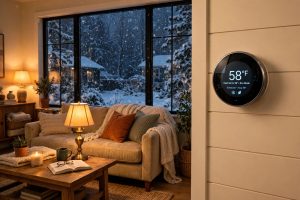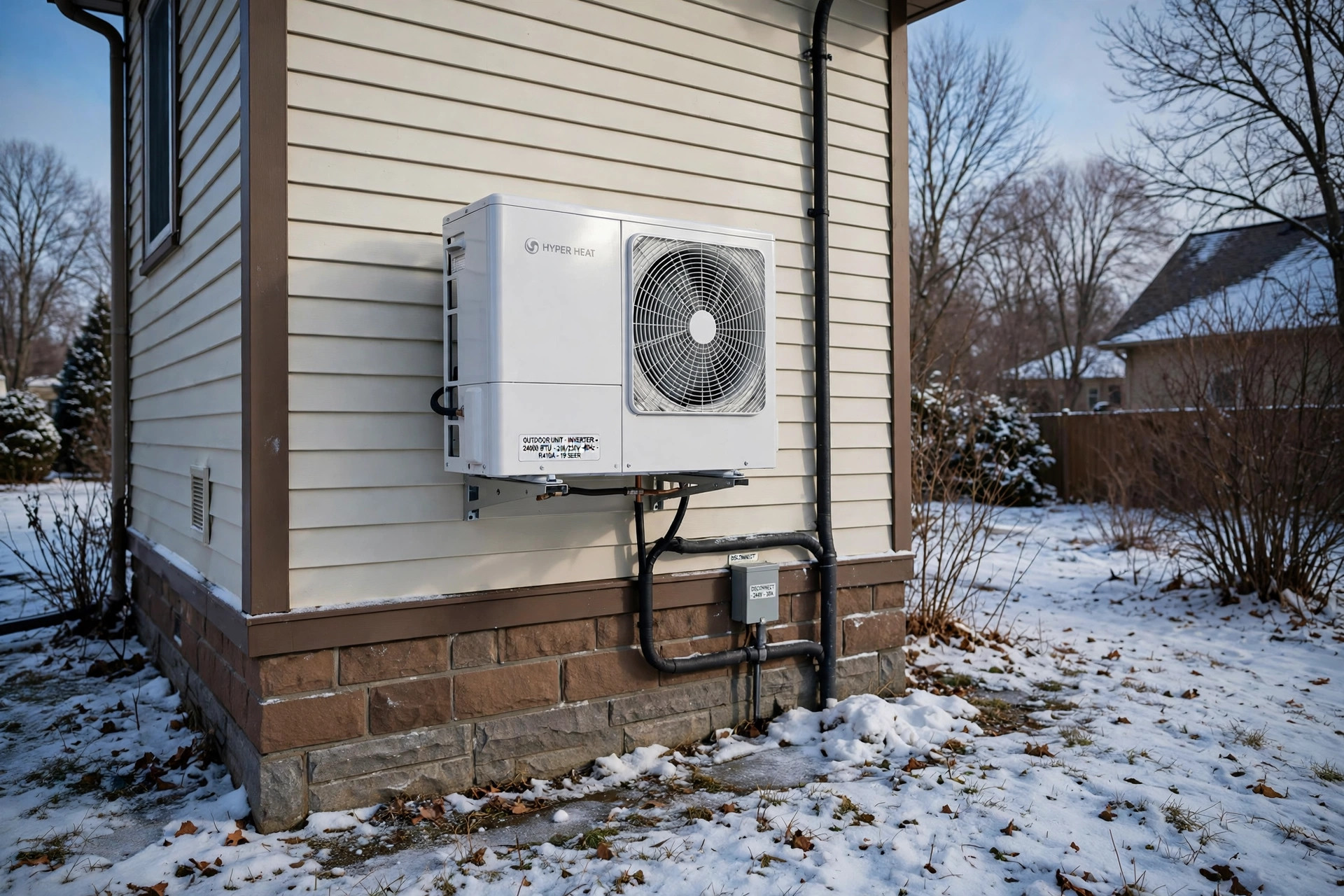

Many homes across the northern states face the same problem. The winter is long. The cold is deep. The heating bills keep rising. A standard heat pump may stop working when the air drops below freezing. That is why the best mini split for cold climates reviews usa matters to so many homeowners.
A cold climate mini split is a special kind of ductless heat pump. It keeps heating when the outdoor temperature falls to minus 5, minus 13, or even minus 22 degrees Fahrenheit. Regular mini splits often give up around 30 degrees. The best cold climate models use better compressors, larger coils, and smarter defrost cycles. They are built for places like Minnesota, Maine, Vermont, and the mountain West.
This guide reviews what makes these systems work. It explains the key features. It compares the top options. And it helps you choose the right unit for your home.
Why Cold Climate Mini Splits Matter
Heating is the largest cost in most northern homes. Oil, propane, and electric baseboard heat cost far more than a heat pump in many cases. A good cold climate mini split can cut winter heating bills in half. That saving adds up year after year.
These systems also add cooling in summer. One unit handles both seasons. There is no need for a separate air conditioner. The indoor head mounts on a wall or in a ceiling. It takes up no floor space. Each room gets its own control. You heat only the rooms you use.
The old fear was that a heat pump could not handle a real winter. That fear came from older models. New cold climate designs changed the picture. Reviews from owners in Alaska, North Dakota, and upstate New York show these units running strong at minus 10 and below. The best mini split for cold climates reviews usa reflect years of field testing in harsh weather.
What to Look for in a Cold Climate Mini Split: Best Mini Split for Cold Climates Reviews Usa
Not every mini split can do the job. The label must say the unit is rated for cold climate use. Here are the features that count most.
Low Temperature Heating Rating
The single most important number is the minimum outdoor temperature. Look for units rated to minus 13 degrees Fahrenheit or lower. The best models hold 100 percent of their heating capacity at minus 5. Some hold 85 to 90 percent at minus 13. Read the spec sheet. Do not trust the marketing headline alone.
Heating Capacity at Cold Temperatures
A unit may list a high BTU rating at 47 degrees. That number means little in January. Check the BTU output at 17 degrees and at 5 degrees. A 12,000 BTU unit may only give 8,000 BTU at minus 5. Size the system for the cold number, not the warm number.
HSPF2 Efficiency Rating
The Heating Seasonal Performance Factor tells you how efficient the unit is across the season. New rules use the HSPF2 rating. Look for 9.0 or higher. A higher number means lower electric bills. The energy.gov site explains how these ratings work and how they link to real world savings.
Inverter Compressor Technology
Every cold climate mini split should use an inverter-driven compressor. The compressor speeds up and slows down as needed. It never fully stops and starts. This saves power and keeps room temperature steady. It also reduces wear over many winters.
Base Pan Heater and Defrost
Ice is the enemy of an outdoor unit. Frost builds on the coil. The unit must melt it without shutting down. A good cold climate model has a heated drain pan. It has a smart defrost cycle. The defrost should be short and automatic. Poor defrost design wastes power and cuts heat output.
Energy Star Cold Climate Label
The federal Energy Star program marks heat pumps that meet strict cold climate rules. To earn the mark, a unit must keep working at 5 degrees with good efficiency. The energystar.gov site lists certified models and the exact rules behind the label.
Types and Options for Cold Climates
Cold climate mini splits come in several forms. Each fits a different home.
Single Zone Systems
A single zone system has one outdoor unit and one indoor head. It heats and cools one room or one open area. It suits a garage, a sunroom, an addition, or a small cabin. The price is lowest. Installation is simple.
Multi Zone Systems
A multi zone system has one outdoor unit with two, three, four, or more indoor heads. Each room gets its own temperature control. It suits a whole house. The outdoor unit must be sized for the coldest day. Read our guide on multi zone mini split cost installed usa before you plan the layout.
Wall Mount, Cassette, and Floor Mount Heads
The indoor head comes in styles. Wall mount is the most common. It hangs high on the wall. Ceiling cassettes sit flush in a drop ceiling. They suit rooms with limited wall space. Floor mount units sit low on the wall. They suit rooms under windows or with low ceilings. All three work with cold climate outdoor units.
Top Cold Climate Mini Split Reviews
These brands earn the most trust in cold weather. Reviews from owners and contractors point to the same names again and again.
Mitsubishi Electric Hyper-Heat
Mitsubishi Hyper-Heat models lead most reviews. The company claims full heating capacity down to minus 13 degrees Fahrenheit. Owners in Vermont and Maine report strong heat at minus 15 and below. The units are quiet. The controls are simple. The price is high, but the track record is long. Many contractors call it the safest pick for a harsh winter.
Daikin Aurora and Cold Climate Lines
Daikin makes cold climate models with ratings down to minus 13 or minus 22, depending on the line. The company has deep experience with heat pumps. Reviews praise the strong output in cold air. The price often runs lower than Mitsubishi. Many installers stock Daikin parts, which helps with service.
Fujitsu Halcyon XLTH
Fujitsu extra low temperature heating models work down to minus 15 degrees. The XLTH line holds high capacity in deep cold. Owners like the quiet indoor heads. The brand has a loyal following among northern installers. Prices sit in the middle of the range.
LGRED Heat Technology
LG makes units with its LGRED heat line, rated to minus 13 degrees. The brand adds smart home controls and Wi-Fi as standard. Reviews note good performance in cold snaps. The price is fair for the feature set.
Gree Sapphire and MrCool
Gree makes cold rated units under its own name and for other brands. MrCool sells DIY-friendly units that some owners install themselves. Gree Sapphire models carry cold climate ratings at lower prices. Reviews are mixed on long term support. The price appeals to budget buyers.
For broader context on how these systems compare, see cold climate heat pump reviews 2026 usa and best heat pump for northeast winters usa.
Sizing Your System for Winter
Sizing is the step most people get wrong. A unit that is too small leaves you cold on the worst nights. A unit that is too large costs more and cycles poorly.
The Heat Load Calculation
A contractor should run a Manual J heat load calculation. It measures your home size, insulation, windows, and air leaks. It gives the BTU need for the coldest day. Do not accept a guess based on square feet alone. Homes differ too much.
Rule of Thumb Starting Points
As a rough guide, a well insulated room needs 25 to 30 BTU per square foot. A poorly insulated room may need 40 or more. A 400 square foot room may need 12,000 to 16,000 BTU of cold weather output. Remember to use the cold temperature BTU number from the spec sheet.
Back Up Heat
Even the best cold climate mini split may need help on the coldest nights. Many owners keep a small backup. Electric baseboards, a wood stove, or the old furnace can cover the gap. Plan for the ten coldest days of the year. The rest of the winter the mini split can carry the load alone.
The carrier.com site offers sizing guides and heat load tools. The trane.com site covers similar ground with clear charts. The lennox.com site lists cold climate models by capacity. The rheem.com site shows how ductless systems pair with backup heat. The goodmanmfg.com site publishes detailed spec sheets with cold weather output numbers.
Cost and Price Breakdown
Prices vary by brand, size, and install work. These ranges reflect typical USA prices.
A single zone cold climate unit costs 3,000 to 6,000 dollars installed. The equipment itself runs 1,500 to 3,500. Labor adds 1,500 to 2,500 for a standard wall mount install.
A multi zone system costs 8,000 to 18,000 dollars installed. Each extra indoor head adds 1,500 to 3,000. Long line sets, electrical upgrades, and tricky mounting raise the price.
DIY units cost less. A cold rated DIY kit runs 1,200 to 2,500 dollars. You save on labor. But you lose the factory warranty on many brands. And a poor install cuts cold weather performance. Many pros warn against DIY for cold climate heating.
Rebates and Tax Credits
Federal tax credits can cut the cost by 30 percent, up to 2,000 dollars per year for heat pumps. Many states add their own rebates. Utility companies often pay 500 to 2,000 dollars per unit. Check the thisoldhouse.com guides on rebates and the familyhandyman.com articles on install costs for current programs.
Care and Upkeep
A mini split needs little care. But small tasks protect cold weather output.
Clean the indoor filters every four to six weeks in winter. Dust cuts airflow and forces longer run times. Wash them with warm water and let them dry fully.
Keep the outdoor unit clear. Snow must not block the coil or the fan. Brush snow off after heavy storms. Keep at least two feet of clear space around the unit. Never pile snow against it.
Check the condensate drain in fall. A blocked drain can freeze and crack. Pour a cup of water through the line to test it.
Have a technician service the unit once a year. They check refrigerant charge, clean the coils, and test the defrost cycle. Yearly service costs 150 to 300 dollars. It protects a system that cost thousands.
Safety Notes
Mini splits are safe by design. There is no open flame. There is no carbon monoxide. But a few rules still apply.
The outdoor unit runs on high voltage. Only a licensed electrician should wire it. The indoor head mounts high on the wall. Use a solid mount into studs or concrete.
Keep the outdoor unit off the ground in snow country. Mount it on a stand or wall bracket at least 12 to 18 inches above the average snow line. This keeps the drain pan clear and stops ice damage.
Do not cover the outdoor unit with a box or tarp in winter. Covers trap moisture and block airflow. The unit is built to stand in the weather.
For garage projects, read our guide on mini split for garage heating and cooling to see how mounting height and insulation change the plan.
Frequently Asked Questions
Do mini splits really work below zero?
Yes. Cold climate models are tested and rated for it. The best units hold strong heat at minus 13 degrees Fahrenheit. Some hold to minus 22. Regular mini splits may quit near 30 degrees. Check the low temperature rating on the spec sheet. The rating tells the truth.
How much does a cold climate mini split save on heat?
Many owners report 40 to 60 percent lower heating bills compared to oil, propane, or electric baseboard. The exact saving depends on your old fuel, your electric rate, and your winter. A home that burned 2,500 dollars of oil may spend 1,000 to 1,400 on electricity for the same heat.
Can one mini split heat a whole house?
A multi zone system can heat a whole house if it is sized right. Open floor plans work best. Closed off rooms need their own heads. A very large or poorly insulated house may need two outdoor units. A heat load calculation gives the true answer.
What size mini split do I need for 1,500 square feet?
A 1,500 square foot home often needs 36,000 to 48,000 BTU of heating capacity at cold temperatures. That may mean a three or four zone system. Insulation and climate change the number. Get a Manual J calculation for the real answer.
Do cold climate mini splits need a backup heater?
Most owners keep some backup for the coldest nights. The mini split handles 90 percent of the winter. A small backup covers the record cold snaps. Some owners add backup only after their first winter shows how the system behaves.
How long do these systems last?
A well installed mini split lasts 15 to 20 years. Cold climate use is harder than mild use, so yearly service matters. Inverter compressors last longer than old on-off compressors. Choose a brand with local service support.
Final Word
The best mini split for cold climates reviews usa point to one clear lesson. These systems are no longer a mild weather toy. They heat real homes through real winters. The key is to buy a true cold climate model, size it for the coldest day, and install it with care. Do that and the long winter becomes much cheaper and much more comfortable.
References
Carrier. (n.d.). Heating and cooling systems. https://www.carrier.com ENERGY STAR. (n.d.). Energy efficient products. https://www.energystar.gov Family Handyman. (n.d.). DIY home repair and maintenance. https://www.familyhandyman.com Goodman. (n.d.). Heating and cooling equipment. https://www.goodmanmfg.com Lennox. (n.d.). Heating and cooling systems. https://www.lennox.com Rheem. (n.d.). Heating, cooling, and water heating. https://www.rheem.com This Old House. (n.d.). Home renovation guidance. https://www.thisoldhouse.com Trane. (n.d.). Heating and air conditioning. https://www.trane.com U.S. Department of Energy. (n.d.). Energy efficiency and renewable energy. https://www.energy.gov
Was this guide helpful?

About Michael Thompson
The My Garden US editorial team writes practical, in-depth home and garden guides for American homeowners — tested advice, no fluff.
You May Also Like
Insulating Basement Ceiling: Pros, Cons, and What Homeowners in the USA Should Know
May 3, 2026 0 views
The Best Boiler for Radiant Floor Heat in the USA: A Plain Guide
July 23, 2026 0 views
Electronic Air Cleaner vs Media Filter: Which One Cleans Home Air Best
April 17, 2026 0 views