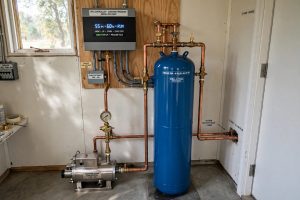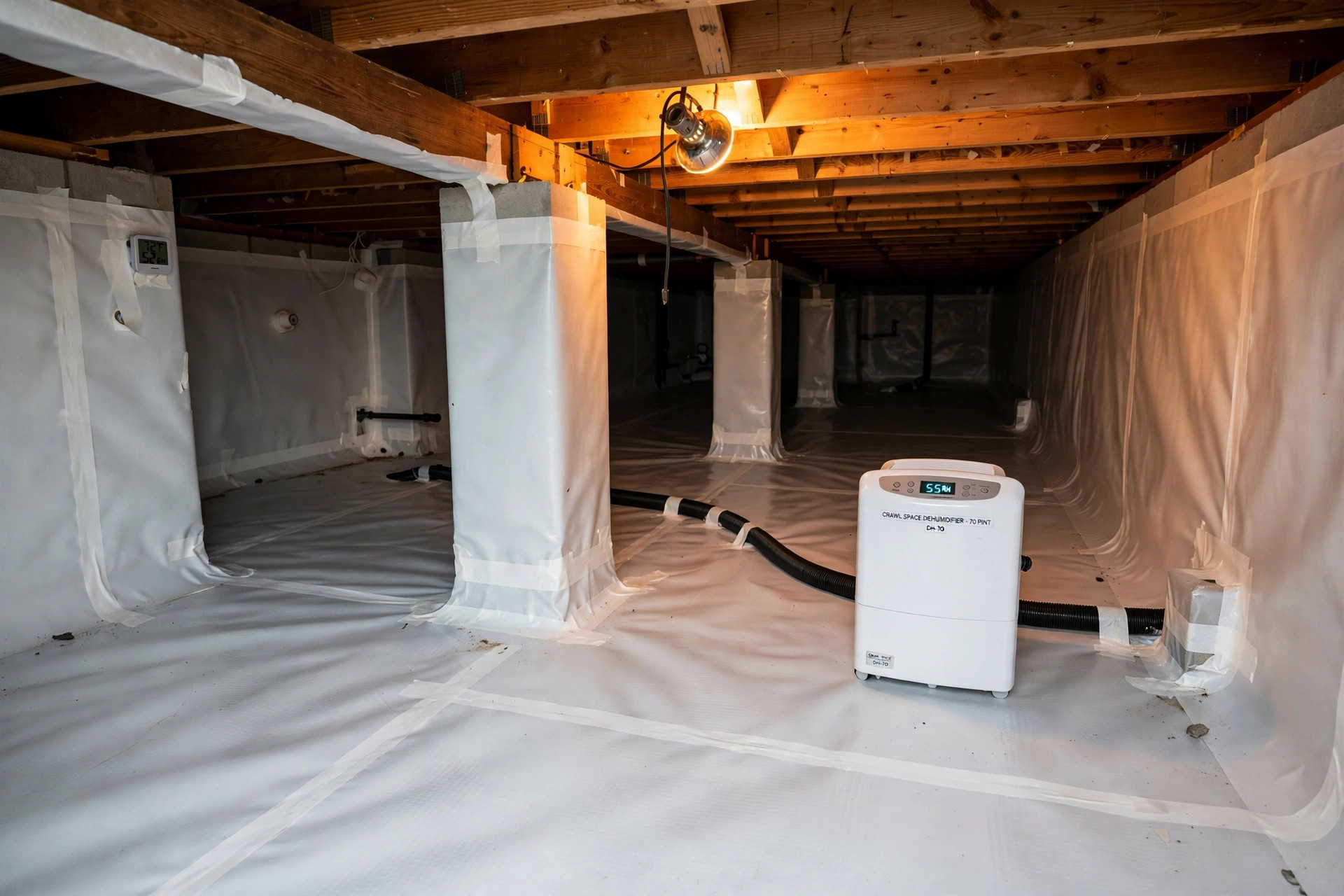

A damp crawl space can cause trouble for a whole house. Wood rot, mold, musty air, and high bills often start below the floor. Many owners now seal that space with a thick liner and a dehumidifier. This process is called encapsulation. Before work starts, most people ask the same question. What is the crawl space encapsulation cost per square foot? This guide gives a plain answer. It covers price ranges, what drives the cost up or down, how to choose a contractor, and how to keep the space dry for years.
Why Encapsulation Matters
A crawl space is the shallow area under a home. Pipes, ducts, and wires run through it. In many older homes it has bare dirt for a floor and open vents in the walls. Outside air flows in. In summer that air is warm and wet. When it hits cool pipes and ductwork, it forms water drops. That wetness soaks the wood above.
Over time, moisture brings mold. It draws insects. It can rust metal and soften floor joists. About half of the air in a home can rise from the crawl space, so smells and mold spores travel upstairs. Sealing the space stops this cycle. A heavy plastic liner covers the ground and walls. Vents are closed. Seams are taped. A dehumidifier keeps the air dry.
Owners report better air quality, drier floors, and lower energy bills after the work. The house also smells cleaner. For homes in humid states, encapsulation is one of the most useful upgrades available. Guidance from the Environmental Protection Agency notes that controlling moisture under a home is a key step in mold prevention. The price question still comes first, so let us look at the numbers.
What to Look for Before You Price the Job: Crawl Space Encapsulation Cost Per Square Foot
Not every crawl space needs the full treatment. A contractor should inspect the space first. Good companies do this visit for free or for a small fee. During the visit, they measure the floor area. They check the height of the space. They look for standing water, mold on joists, and damaged insulation.
You should ask how they will handle water entry. If water comes in during rain, the space needs drainage or a sump pump before any liner goes down. Sealing a liner over a space that floods is a waste of money. Ask what thickness of liner they use. Twenty mil liners are the common standard for walls and floors. Thinner sheeting tears and does not last.
Ask about the dehumidifier. The unit must be sized for the space. Ask where the drain line will run. Ask what warranty comes with the work. A liner warranty of twenty years or more is normal from national brands. Labor warranties vary. Get all of this in writing. Useful background on crawl space methods appears on This Old House and in the how-to guides at Family Handyman.
Types of Encapsulation Options
There is no single way to encapsulate a crawl space. The choices change the cost per square foot.
The basic option covers the ground only. A liner is laid over the dirt and sealed at the edges. This is the cheapest choice. It helps, but damp air still enters through open vents.
The full option seals everything. The liner covers the ground, runs up the walls, and is fastened to the foundation. Vents are closed and sealed. Piers and posts are wrapped. Seams are taped with strong tape. This is what most contractors mean by encapsulation.
Some jobs add extras. A drainage mat under the liner directs water to a sump pit. New insulation on the walls replaces the old fiberglass between joists. A commercial-grade dehumidifier holds humidity near fifty percent. Mold treatment may come first if growth is heavy. Each extra raises the price, and each one serves a real purpose.
Related reading: our review of crawl space dehumidifier reviews 2026 usa compares the units most installers use.
Crawl Space Encapsulation Cost per Square Foot
Now to the main question. Across the United States, the crawl space encapsulation cost per square foot most often falls between five and fifteen dollars. That range covers materials and labor for a standard full encapsulation. A small, easy space with no water issues may come in near the low end. A large space with mold, water entry, and low headroom can pass twenty dollars per square foot.
Here is a simple way to think about total price. Take the floor area of the crawl space in square feet. Multiply by the rate. A one thousand square foot space at ten dollars per square foot comes to about ten thousand dollars. Most full jobs land between seven thousand and fifteen thousand dollars in total.
Several things push the price up. Standing water means a drainage system and a sump pump must go in first. Heavy mold calls for cleaning and treatment. Old insulation that is wet or falling must be removed and replaced. Tight spaces with only two feet of height slow the crew and raise labor cost. Remote homes may pay more for travel and material delivery.
Several things hold the price down. A dry space with no mold needs less prep. A tall crawl space lets workers move fast. Homes with easy access doors cut labor time. Getting three written quotes is the best way to find the fair local rate. Prices differ by region. Humid states with many encapsulation firms often have sharper competition and lower rates.
How Much Does It Cost to Encapsulate a Crawl Space
Many readers search for how much does it cost to encapsulate a crawl space as a flat number. The honest answer is that the square footage rules the total. A small ranch home with an eight hundred square foot crawl space may pay six thousand to nine thousand dollars. A larger home with two thousand square feet of crawl space may pay fifteen thousand to twenty five thousand dollars.
The dehumidifier adds to the bill. A good crawl space dehumidifier costs eight hundred to two thousand dollars installed. Some contractors include it in the per-foot quote. Others list it as a separate line. Ask which way your quote works.
Permits can add a few hundred dollars in some towns. Few owners pull permits for this work, but some local codes require them for electrical work on the dehumidifier. Your contractor should know the local rules.
Financing is common. Many firms offer payment plans. Some owners use home equity credit lines. Because the work can lower energy bills and protect the home, many owners treat it as an investment rather than a repair.
For owners comparing options, our best sump pump for basement reviews usa guide covers the pumps often paired with encapsulation systems.
What the Quote Should Include
A clear written quote protects you. It should list the liner thickness in mils. It should state which areas get lined: floor only, or floor and walls. It should describe how vents will be closed. It should name the dehumidifier brand and model, or at least its pint-per-day rating.
The quote should spell out prep work. Mold treatment, insulation removal, and drainage work should each have a price line. The warranty terms should be plain. The payment schedule should be plain too. A common plan is a deposit of ten to twenty percent, with the balance due at the end. Never pay the full price before work starts.
Ask how long the job will take. Most homes finish in two to five days. Larger or troubled spaces can take a week. Ask who will be on site each day and who supervises. A foreman on site each day is a good sign.
Care and Upkeep After Encapsulation
An encapsulated crawl space needs little care, but it is not carefree. Check the dehumidifier twice a year. Clean or replace its filter as the maker directs. Make sure the drain line runs clear and the unit actually drains. A unit that fills its internal bucket and shuts off does no good.
Walk the space once a year if you can fit, or have a handyman do it. Look for tears in the liner. Look for water where it should not be. Check that the tape on the seams still holds. Small tears can be patched with liner tape in minutes.
Keep gutters and downspouts in good shape. Water that pools by the foundation will test the system. Grade the soil so it slopes away from the house. These simple steps protect your investment. Retailers like Moen and Delta Faucet also publish useful guides on keeping household water systems tight, which helps the whole home stay dry.
Watch the humidity. A cheap hygrometer hung in the space shows the level at a glance. Keep it near fifty percent. If it climbs past sixty and stays there, call the installer. The unit may need service, or the space may have a new leak.
For related plumbing work under the home, see our toilet auger vs plunger comparison usa guide.
Safety Notes
Crawl space work has real hazards. Mold spores can harm lungs. Workers should wear respirators during cleaning. Old insulation can hold dust and pests. Standing water can hide wiring.
Do not enter a flooded crawl space until the power to that area is off. If you smell gas, leave and call the gas company. If the space has very low headroom, leave the work to pros with the right gear. The Consumer Product Safety Commission publishes general safety guidance for home projects that is worth a read.
Chemical mold treatments need care too. Keep children and pets out of the work area until the contractor says it is safe. Ask what products will be used and follow the label directions.
Frequently Asked Questions
How long does encapsulation last?
A quality liner can last twenty years or more. The tape and fasteners may need touch-ups sooner. The dehumidifier usually lasts eight to twelve years with basic care. Keep up with small maintenance and the system protects the home for decades.
Will encapsulation lower my energy bills?
Often yes. Sealing the space keeps ducts in conditioned air instead of hot, damp air. Many owners see heating and cooling bills drop by ten to twenty percent. Savings vary with climate, home size, and how bad the space was before.
Can I encapsulate the crawl space myself?
Some owners do the liner work themselves. The materials are sold at home centers. But the job is hard, dirty, and slow in a tight space. Mold treatment and drainage work are best left to pros. Many owners do the liner and hire out the dehumidifier wiring. Water filtration brands like Aquasana and fixture makers like Kohler also stress that moisture control works best as a whole-house effort, which is worth keeping in mind.
Does encapsulation add home value?
It often helps at resale. Buyers like a dry, clean crawl space. Home inspectors flag wet crawl spaces as a problem. A sealed space with a transferable warranty can set a listing apart. It rarely adds dollar for dollar, but it removes a common objection.
What humidity level should the crawl space hold?
Aim for forty five to fifty five percent relative humidity. Below forty can dry wood too much. Above sixty invites mold and dust mites. A good dehumidifier with a built-in humidistat holds the range on its own.
Do I still need vents after encapsulation?
No. Sealed vents are the point of the system. The space becomes part of the conditioned area of the home. Some building codes still require vents unless the space meets certain rules. Your contractor should check the local code before closing them.
A Final Word
The crawl space encapsulation cost per square foot is only the start of the math. The real question is what your space needs. A dry space needs a liner and a dehumidifier. A wet space needs drainage first. Get an inspection, get three quotes, and read every line before you sign. Done right, encapsulation ends the cycle of damp air, mold, and rot under your home. It is one of the few upgrades that protects the structure, the air you breathe, and your wallet all at once.
References
Aquasana. (n.d.). Water filtration systems. https://www.aquasana.com Delta Faucet. (n.d.). Kitchen and bathroom faucets. https://www.deltafaucet.com Family Handyman. (n.d.). DIY home repair and maintenance. https://www.familyhandyman.com Kohler. (n.d.). Bathroom and kitchen fixtures. https://www.kohler.com Lowe’s. (n.d.). Home improvement products. https://www.lowes.com Moen. (n.d.). Faucets and plumbing fixtures. https://www.moen.com The Home Depot. (n.d.). Home improvement products. https://www.homedepot.com This Old House. (n.d.). Home renovation guidance. https://www.thisoldhouse.com U.S. Consumer Product Safety Commission. (n.d.). Product safety information. https://www.cpsc.gov U.S. Environmental Protection Agency. (n.d.). Protecting human health and the environment. https://www.epa.gov
Was this guide helpful?

About David Wilson
The My Garden US editorial team writes practical, in-depth home and garden guides for American homeowners — tested advice, no fluff.
You May Also Like
Best Water Leak Sensors for Basement USA
September 12, 2026 0 views
Well Pump Replacement Cost Near Me: What Homeowners Should Know
May 9, 2026 0 views
Water Softener vs Conditioner: A Full Comparison for American Homes
February 20, 2026 0 views