
Introduction
A pipe can burst while you sleep. A water heater can fail while you are at work. A washing machine hose can split while you are on vacation. Water damage is one of the most common and costly problems in American homes. This roundup of smart water shutoff valve reviews 2026 usa explains how these devices work and what real owners praise or criticize.
A smart water shutoff valve watches the flow of water into your home. When it senses a leak or a burst pipe, it closes the main line on its own. It can also send an alert to your phone. Reviews from 2026 show the same pattern year after year. Homeowners love the peace of mind. They also report the same weak points. Setup can be tricky. Some apps feel clumsy. Some valves need a plumber to install.
This guide walks through the facts in plain words. You will learn the main types, the real costs, and the questions to ask before you buy.
Why It Matters: Smart Water Shutoff Valve Reviews 2026 Usa
Water does more damage to homes than most people expect. A small drip under a sink can rot a cabinet in a few weeks. A burst supply line can flood a whole floor in an hour. The Www.epa.gov notes that the average American household can lose thousands of gallons of water to leaks each year. Much of that loss hides behind walls and under floors.
A shutoff valve solves the problem at the source. When no one is home, a normal leak keeps running. A smart valve stops it in seconds. That one act can save thousands of dollars in repairs. It can also keep a small leak from turning into mold.
Reviews in 2026 stress one point again and again. The device is most useful for people who travel. It is also useful for second homes and rental properties. If you own a vacation cabin, an The Spruce use can watch the place while you are miles away. Even for a primary home, it covers the hours when the house is empty.
Some insurance companies offer a discount for homes with a monitored shutoff system. The discount varies by state and by carrier. Ask your agent before you buy. The savings can offset part of the cost.
What to Look for When You Read Reviews
Reviews are most useful when you know which details matter. Look past the star rating. Read what owners say after six months of use. Here are the points that count.
Core Features
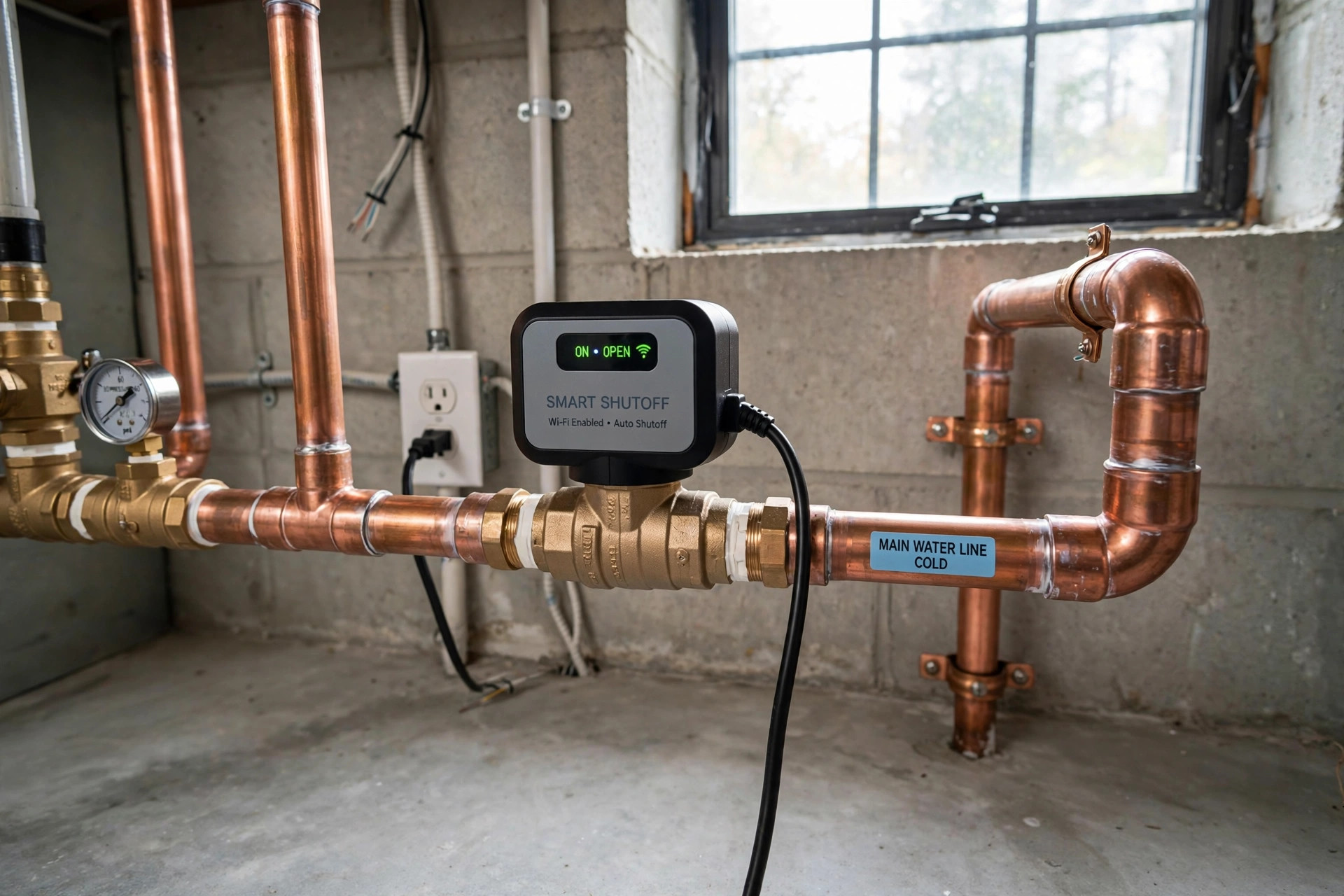
The heart of the device is the valve itself. Most whole-house models use a motorized ball valve. It sits on the main water line where water enters the home. It must match your pipe size. Most American homes use three-quarter-inch or one-inch pipe. Check your line before you order.
Flow sensing is the next key feature. Good units learn your normal water use. They notice a shower at six in the morning. They notice the sprinkler at dawn. When flow looks wrong, they act. Owners praise systems that rarely give false alarms. They complain about systems that shut off the water during a long bath.
Battery backup matters. A valve that only works on house power is useless in a storm. Storms are exactly when pipes freeze and burst. Look for a unit with a battery backup that lasts at least a day.
App and Alerts
The app is how you control the valve from far away. Reviews judge apps hard. A good app sends a clear alert the moment it senses a leak. It lets you shut off the water with one tap. It shows daily water use in simple charts.
Watch for complaints about setup. Many 2026 reviews say the same thing. The hardware works well. The app pairing takes patience. If you are not comfortable with smart home apps, ask a tech-savvy friend for help. Or pay a pro for the install.
Also check what happens if the internet goes down. The best systems still shut off the valve on their own. They store the rules inside the device. They do not depend on the cloud for the basic safety job.
Types of Smart Shutoff Valves
Not every product works the same way. Reviews group the market into three types. Each type fits a different home and budget.
Whole-House Motorized Valves
This is the full solution. A plumber cuts the main line and installs the valve. The unit measures flow with a built-in sensor. It learns your habits over a week or two. Then it guards the whole house.
Owners say these systems catch problems that sensors alone would miss. A slow toilet leak. A drip inside a wall. A pipe that seeps behind the washing machine. The downside is the install. You need basic plumbing skills or a licensed plumber. Consumer Reports has covered how to compare these whole-house systems on price and features. Www.moen.com, one of the best-known makers, sells a popular whole-house model that reviewers often mention by name.
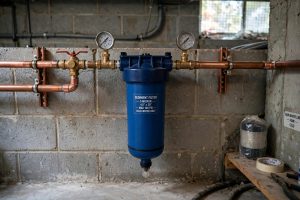
This type pairs well with other water upgrades. Many buyers install a best whole house water filter system usa at the same time. One plumber visit covers both jobs.
Clamp-On Valve Controllers
A clamp-on controller is a motor that fits over your existing manual shutoff valve. It turns the handle for you when a sensor reports a leak. No pipe cutting is needed. The install takes about fifteen minutes with a screwdriver.
Reviews like the low price and the easy install. Reviews dislike the limits. The motor is weaker than a true motorized valve. It may fail to close an old, stiff valve. It also depends on wireless sensors placed around the house. If a sensor battery dies, that spot has no protection. Www.familyhandyman.com offers clear do-it-yourself guides for this kind of simple plumbing add-on.
This type suits renters and tight budgets. It also suits people who want to try smart shutoff before they commit to a full system.
Leak Sensors and Puck Systems
Sensor pucks sit on the floor near water heaters, sinks, and washing machines. When water touches them, they beep and send an alert. Some kits pair the pucks with a shutoff controller. Some work alone.
Reviews are mixed. On their own, sensors only tell you about a leak. They do not stop it. If you are home, that may be enough. If you are away, an alert to your phone may come too late. As part of a Www.thisoldhouse.com, they add useful eyes in hidden corners. This Old House has long covered leak detection as part of smart home plumbing.
Cost and Price in 2026
Prices in 2026 reviews fall into clear bands. Whole-house motorized valves cost between 400 and 900 dollars for the unit. Professional install adds 200 to 500 dollars. The total often lands near 1,000 dollars for a typical home.
Clamp-on controllers cost between 70 and 200 dollars. Extra sensor pucks cost 35 to 80 dollars each. A full set for a large home can reach 400 dollars. There is no plumber bill.
Some brands charge a monthly fee for advanced features. The fee is usually 0 to 5 dollars a month. Basic shutoff and alerts are almost always free. Read the fine print before you buy. Reviews complain when a fee hides behind the setup screen.
For context, a single burst-pipe claim can cost many times the price of a valve. Retailers like Www.homedepot.com and Www.lowes.com both stock several models, so it is easy to compare shelf prices. Do not forget the soft costs. A valve install is a good time to review the rest of your water system. Well owners, for example, often pair the project with a best water softener for well water usa upgrade.
Care and Upkeep
A smart valve needs little care, but it needs some. Test the shutoff once a month. Most apps have a test button. Press it and confirm the water stops. Then open the valve again and confirm the flow returns.
Check sensor batteries twice a year. Remote pucks use coin cells or AA batteries. A dead sensor guards nothing. Some apps warn you when a battery runs low. Do not ignore the warning.
Update the firmware when the app offers it. Updates fix bugs and improve leak detection. The update takes a few minutes. Do not run it while guests need water.
Keep the valve area clear. Do not stack boxes against it. A plumber may need fast access in an emergency. In cold climates, make sure the spot does not freeze. A frozen valve may fail when you need it most. The U.S. Consumer Product Safety Commission publishes general safety guidance for home products, and its advice on keeping safety devices accessible applies here too.
Safety
Water and electricity do not mix. Most smart valves plug into a wall outlet near the main line. Keep the plug dry and off the floor. If the outlet is in a damp basement, use a ground-fault outlet. If you are unsure, hire an electrician.
A valve on the main line is a plumbing change. In many towns, that means a permit or a licensed plumber. Check local rules. A bad install can cause more harm than a leak. Reviews include a few sad stories of do-it-yourself installs that dripped at the joints.
Do not treat the device as a substitute for common sense. If you leave home for a month, turn off the main valve by hand too. Drain outdoor lines before winter. No smart device replaces winterizing. Pairing smart gear with solid water habits gives the best result. For homes that also filter their drinking water, our reverse osmosis system under sink reviews usa guide covers a related upgrade, and Www.aquasana.com is a well-known maker in that space.
Frequently Asked Questions
Do smart shutoff valves work with well water systems? Yes, in most cases. The valve sits on the main line after the pressure tank. It works the same as in a city-water home. Well owners should note one thing. A pressure tank can feed a leak for a short time even after the valve closes. Place sensors near the tank and the softener. That covers the gap.
Will the valve shut off during normal use? It should not, but early reviews mention false alarms. The learning period lasts one to two weeks. During that time the system studies your routine. Long showers, pool fills, and lawn watering can confuse a new unit. Tell the app about big water uses when you can. After the learning period, false alarms drop sharply.
What happens in a power outage? Most whole-house models have a battery backup. The valve stays awake and can still close. Clamp-on controllers vary. Some keep working on batteries. Some go to sleep until power returns. Check the specs before you buy if outages are common in your area.
Can I install it myself? Clamp-on controllers are a fair do-it-yourself project. Whole-house valves are not for most people. They require cutting the main water line. A licensed plumber does the job in one to two hours. The Spruce has simple explainers on when a plumbing job needs a pro. A bad main-line joint can flood a basement, so this is not the place to learn plumbing.
Do I need one if I already have leak sensors? Sensors alert you. A valve acts. If you are home most of the time, sensors may be enough. If you travel or own a second home, a valve adds real protection. Many owners start with sensors and add a valve later. For a The Home Depot setup, reviewers say the valve is the piece that truly lets you relax while away.
How long do these devices last? Owners report five to ten years of service for quality units. The motor is the part that wears. Valves that test themselves monthly tend to last longer. The test keeps the ball valve from seizing. Check the warranty. Most brands offer two to three years. A few offer five.
Final Word
A smart water shutoff valve is a quiet guard for your home. It costs real money. It needs a careful install. But it answers the oldest worry of homeownership. What happens when water runs and no one is home? The 2026 reviews agree on the bottom line. Buy the right size. Test it monthly. Keep the app updated. Then let it do its job while you live your life.
References
Aquasana. (n.d.). Water filtration systems. https://www.aquasana.com Consumer Reports. (n.d.). Product reviews and ratings. https://www.consumerreports.org Family Handyman. (n.d.). DIY home repair and maintenance. https://www.familyhandyman.com Lowe’s. (n.d.). Home improvement products. https://www.lowes.com Moen. (n.d.). Faucets and plumbing fixtures. https://www.moen.com The Home Depot. (n.d.). Home improvement products. https://www.homedepot.com The Spruce. (n.d.). Home and garden advice. https://www.thespruce.com This Old House. (n.d.). Home renovation guidance. https://www.thisoldhouse.com U.S. Consumer Product Safety Commission. (n.d.). Product safety information. https://www.cpsc.gov U.S. Environmental Protection Agency. (n.d.). Protecting human health and the environment. https://www.epa.gov Www. (n.d.). Home and garden information. https://www
Was this guide helpful?

About James Carter
The My Garden US editorial team writes practical, in-depth home and garden guides for American homeowners — tested advice, no fluff.
You May Also Like
Pipe Bursting vs Pipe Lining Cost Comparison for Homeowners
May 2, 2026 0 views
SharkBite vs Soldered Copper: A Plain Comparison for American Homes
August 29, 2026 0 views
Fireclay vs Cast Iron Sink Comparison USA
August 4, 2026 0 views