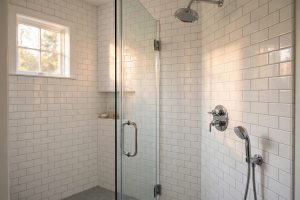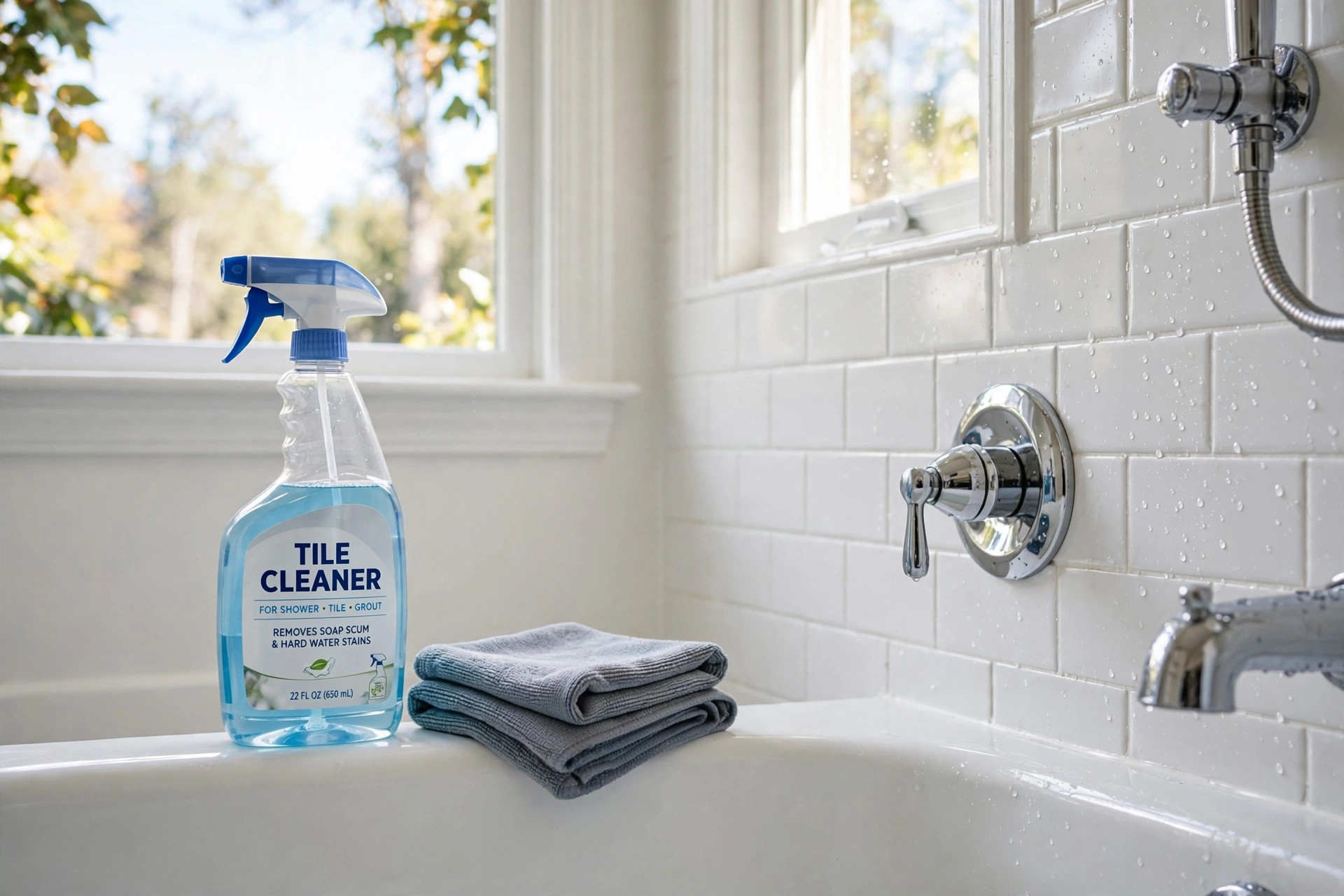

Hard water stains on tile are a common trouble in American homes. The best tile cleaner for hard water stains can bring back the clear shine of bathroom walls, shower floors, and kitchen backsplashes. This guide explains why these stains form, what to look for in a cleaner, the main types on the market, what they cost, and how to use them with care. It also covers upkeep and safety, so the job stays simple and safe.
Why Hard Water Stains Matter
Hard water carries dissolved minerals, chiefly calcium and magnesium. When water dries on tile, these minerals stay behind. Over time they form a white or gray film. In bad cases they form thick crusts. Glass shower doors cloud over. Porcelain tile loses its gloss. Grout turns dark at the edges where water pools.
The harm is not only in looks. Mineral scale can pit some finishes if left for years. It also gives grime a place to grip, so dirt and soap scum cling harder. Cleaning then takes more scrubbing. A strong product made for this purpose cuts the work. It dissolves the mineral layer without wearing down the tile. Homeowners who pick the best tile cleaner for hard water stains spend less time on their knees and get a better result.
Shoppers who read up on tile care basics often learn that hard water is behind most bathroom cleaning woes. Independent testing groups also note that hard water deposits are a leading cause of dull tile. A review of cleaning product test results can help buyers compare brands before they spend.
What Causes Hard Water Stains on Tile: Best Tile Cleaner for Hard Water Stains
Stains come from the water supply itself. Wells and city water both can carry minerals. Areas with limestone ground tend to have the hardest water. Hot water leaves heavier deposits than cold, because heat drives off moisture and drops minerals faster. That is why shower walls and tub surrounds show the worst buildup.
The tile type matters too. Glossy glazed tile hides light film for a while, then shows it all at once. Matte and textured tile grab scale in their small pits. Natural stone such as marble and travertine stains more deeply, since stone is porous. Grout is the most open of all. It soaks up mineral water and dries slowly, so crusts form there first.
Ventilation plays a role. A bathroom with no fan keeps humid air on the walls for hours. Each wet-dry cycle adds a layer. Over months the layers stack into a hard shell. This is why the same water leaves little mark in a well-vented bath and heavy scale in a closed one.
What to Look for When Choosing a Cleaner
A good cleaner for hard water stains does three things. It dissolves mineral scale. It spares the tile finish. It is easy and safe to use in a home. When you shop, check these points.
Type of acid or active agent
Most cleaners rely on a mild acid. Citric acid, lactic acid, and glycolic acid cut through scale while staying gentle on most tile. Stronger formulas use phosphoric acid or sulfamic acid for heavy crusts. Products with hydrochloric or muriatic acid are the harshest and belong to heavy jobs only. Match the strength to the stain. Light film needs only a gentle acid. Thick crust may call for a stronger one.
Tile compatibility
Read the label for the surfaces named. Ceramic and porcelain take most cleaners well. Natural stone needs a pH-balanced or stone-safe formula, because acids can etch marble, limestone, and travertine. Makers of floor coverings often publish care notes, and the care guides at LL Flooring are one place to check what suits your floor. Grout sealers also change the rule: a sealed grout line stands up to acids better than raw grout.
Form and delivery
Cleaners come as sprays, gels, foams, powders, and concentrates. Sprays suit small spots and walls. Gels cling to vertical tile and give the acid time to work. Foams spread wide and rinse fast, good for shower walls. Powders mixed with water cut cost for large floors. Concentrates stretch a dollar for whole-house jobs.
Safety and fumes
Acids give off fumes. Look for formulas marked low-odor or fume-free when you clean a small bath. Some products warn against use on chrome or aluminum trim. Keep that in mind around fixtures. The safer choice database lists products reviewed for safer chemistry, which helps when children or pets live in the home.
Value per use
Check the price per ounce, not just the bottle price. A concentrate that makes gallons often beats a ready spray on cost. But a cheap cleaner that needs three passes costs more in the end than a stronger one that works in one. Balance strength, price, and ease.
For whole-home floor plans, it also helps to think ahead about which rooms see the most water. If you are planning changes, you might read about waterproof laminate flooring for bathrooms usa to see how other hard surfaces handle moisture.
Types of Tile Cleaners for Hard Water
Mild acid sprays
These are the workhorses. A citric or lactic acid spray lifts light film and soap scum in one pass. They suit weekly cleaning. Most are safe on glazed ceramic and porcelain. They are sold at wide retail, and shoppers can compare options at Home Depot or at Lowes in the cleaning aisle or online.
Heavy-duty descalers
Phosphoric or sulfamic acid formulas tackle thick crust. They foam or cling, then rinse clear. They are the right pick for a shower that has gone a year without care. They need gloves and a fan. They should be kept off natural stone unless the label says stone-safe.
Natural and DIY mixes
White vinegar and water is the old standby. It cuts light scale and costs little. Lemon juice works much the same. Baking soda paste adds a mild scour for grout lines. These mixes suit light jobs. They fall short on heavy crust, and vinegar can dull natural stone over time. Use them for upkeep, not rescue.
Stone-safe formulas
Marble, slate, and travertine need cleaners that work near neutral pH. Some use chelating agents that grab minerals without strong acid. They cost more and work slower. For stone owners they are the only safe pick. A look at stone tile lines from Daltile shows how many homes now carry natural stone that needs this care.
Grout-focused cleaners
Grout holds the worst buildup. Some cleaners are made for grout lines, with a brush-top bottle or a stiff applicator. Oxygen bleach powders also lift stains from grout without the harshness of chlorine bleach. They need dwell time, often ten to fifteen minutes.
Pet owners take note: floors near pet water bowls stain too. If you are rethinking surfaces, see pet friendly flooring options for usa homes for ideas that stand up to daily life.
How to Remove Hard Water Stains Step by Step
Work in order. Do not start with the strongest product. Start gentle and step up only if needed.
First, clear the area. Move bottles, rugs, and bath mats. Run the bath fan or open a window. Put on gloves. Read the label of the cleaner you chose.
Next, rinse the tile with warm water. This removes loose dust and soap film. Spray or spread the cleaner over the stained area. Let it dwell for the time on the label, often five to ten minutes. Do not let it dry on the surface.
Then scrub. Use a soft brush or a white nylon pad for tile. Use a grout brush for lines. Avoid steel wool or green scouring pads on glazed tile, since they can scratch the finish. Rinse well with clean water. Dry with a towel or a squeegee. Drying matters: it stops new spots from forming as rinse water dries.
Check your work in good light. A thin haze may remain. If so, repeat once. If two passes of a mild cleaner fail, step up to a heavier descaler for the next pass. Finish by rinsing twice to be sure no acid stays on the tile.
Repair guidance from the pros at Family Handyman often stresses the same point: rinse fully, because leftover acid keeps working long after you stop scrubbing.
Cost and Price Ranges
Tile cleaners for hard water span a wide price range. Here is what to expect in the United States.
Store-brand and value sprays run about three to six dollars for a bottle of twenty-two to thirty-two ounces. They handle light film well. Name-brand bathroom descalers run six to twelve dollars for a similar size. They tend to work faster and smell less harsh.
Gels and foams for shower walls run eight to fourteen dollars. Concentrates run twelve to twenty-five dollars, but one bottle can make several gallons, so the per-use cost is the lowest. Stone-safe formulas run ten to eighteen dollars for smaller bottles, since they are a specialty item.
Professional descaling services charge far more. A pro shower restoration can run one hundred fifty to four hundred dollars. For most homes, a bottle of cleaner and an hour of work gives the same result for a fraction of the price.
The long-tail keyword for this topic carries an estimated cost per click of two to ten dollars, which shows how much demand there is for a good answer to this common problem.
Care and Upkeep
Keeping tile clear is easier than rescuing it. A few habits go a long way.
Squeegee shower walls after each use. It takes one minute and cuts deposits by more than half. Leave the bath fan on for twenty minutes after a shower. This dries the walls fast and stops new layers from forming.
Wipe down fixtures and tile edges weekly with a mild spray. This stops film before it hardens. Reseal grout once a year in wet areas. Sealer keeps minerals from soaking in. Test it: if water no longer beads on the grout, it is time to reseal.
Consider the water itself. A whole-house softener or a showerhead filter lowers the mineral load. Softeners are a big spend, but in very hard water areas they pay back in easier cleaning and longer life for tile, fixtures, and appliances. Owners of rental cabins and second homes face the same math; those weighing surface choices can look at best flooring for lake house rentals usa for how moisture shapes flooring decisions.
For floors beyond the bath, maker care pages help. The floor care library at Shaw Floors and the care resources at Mohawk Flooring both give cleaning schedules that fit hard water homes.
Safety Notes
Read every label before you start. Acids burn skin and eyes. Wear gloves and eye cover. Work with the fan on. Never mix an acid cleaner with bleach. The mix can give off dangerous gas.
Keep cleaners off natural stone unless the bottle says stone-safe. Keep them off aluminum window frames and some metal trims, which can spot. Rinse metal fixtures right after cleaning near them.
Store bottles out of reach of children and pets. Wipe up drips on the floor so no one slips. If a cleaner splashes in the eyes, rinse with water for fifteen minutes and call for help if pain lasts.
For chemical safety specifics, the product label and the EPA safer choice listings remain the best guides.
Frequently Asked Questions
What is the best tile cleaner for hard water stains in a shower?
A citric or lactic acid bathroom spray works best for most showers. It cuts scale and soap scum together. For heavy crust, step up to a phosphoric or sulfamic acid descaler. Always match the product to your tile type.
Can vinegar remove hard water stains from tile?
Yes, for light stains. Mix equal parts white vinegar and water in a spray bottle. Spray, wait ten minutes, scrub, and rinse. It will not etch ceramic or porcelain. Skip vinegar on marble, travertine, and limestone, since even mild acid can dull stone over time.
Will hard water stain removers damage grout?
Most acid cleaners are safe on grout when used as directed and rinsed well. Raw, unsealed grout can soak up strong acids, so use a milder product there and rinse twice. Resealing grout once a year adds a strong layer of defense.
How do I remove hard water stains from natural stone tile?
Use only a stone-safe, pH-balanced cleaner. Strong acids etch stone and leave dull marks that cannot be wiped away. Apply the cleaner, dwell briefly, scrub gently with a soft brush, and rinse fully. Test in a hidden spot first.
How often should I clean tile to prevent hard water stains?
Wipe or squeegee shower tile after each use. Do a full clean with a descaling spray once a week in hard water areas. Reseal grout yearly. These three habits keep scale from ever getting a foothold.
Are expensive tile cleaners better than cheap ones?
Not always. Price often buys speed, scent, and a better sprayer rather than raw power. A mid-priced citric acid spray often matches a costly brand on light stains. Spend more for stone-safe formulas or heavy-duty descalers, where the chemistry truly differs.
A Final Word
The best tile cleaner for hard water stains is the one that fits your tile, your stain, and your budget. Start mild. Work up only as needed. Rinse well, dry the surface, and keep up the small weekly habits that stop scale from returning. With the right product and a steady routine, tile keeps its clear shine for years, even in the hardest water.
References
Consumer Reports. (n.d.). Product reviews and ratings. https://www.consumerreports.org Daltile. (n.d.). Ceramic and porcelain tile. https://www.daltile.com Family Handyman. (n.d.). DIY home repair and maintenance. https://www.familyhandyman.com LL Flooring. (n.d.). Hardwood, vinyl, and tile flooring. https://www.llflooring.com Lowe’s. (n.d.). Home improvement products. https://www.lowes.com Mohawk Flooring. (n.d.). Flooring products. https://www.mohawkflooring.com Shaw Floors. (n.d.). Flooring products. https://www.shawfloors.com The Home Depot. (n.d.). Home improvement products. https://www.homedepot.com The Spruce. (n.d.). Home and garden advice. https://www.thespruce.com U.S. Environmental Protection Agency. (n.d.). Protecting human health and the environment. https://www.epa.gov
Was this guide helpful?

About Lisa Anderson
The My Garden US editorial team writes practical, in-depth home and garden guides for American homeowners — tested advice, no fluff.
You May Also Like
Walk In Shower Installation Cost Near Me: A Plain Guide for Homeowners
August 5, 2026 0 views
LifeProof vs COREtec Flooring Comparison USA: Which Vinyl Plank Should You Buy?
May 23, 2026 0 views
Best Tile for Mudroom Floor: Reviews for American Homes
August 1, 2026 0 views