
Choosing durable flooring for rental properties in the USA is one of the smartest choices a landlord can make. Floors take more wear than any other surface in a home. Tenants move furniture in and out. Children play on the ground. Pets scratch and stain. Water finds its way under doors and around sinks. A floor that looks new on move-in day can look worn and tired by move-out day if it was never built for hard use. This guide explains which floors hold up best in rentals, what they cost, how to care for them, and what to watch for on safety.
Why Durable Flooring Matters for Rental Properties
A rental home works harder than an owner-occupied home. Each tenant brings a new set of habits. One tenant keeps shoes off at the door. The next drags boots across the living room every night. You cannot control this. You can only plan for it.
Weak flooring costs money in two ways. First, it wears out fast and must be replaced sooner. A cheap floor that lasts three years costs more over time than a strong floor that lasts fifteen. Second, it slows down turnover. Between tenants, you need the unit clean and ready. Torn carpet or scratched planks must be fixed before the next renter signs. Every extra day of work is a day of lost rent.
Durable flooring also protects your deposit math. Tenants expect normal wear. They do not expect ruined floors. When a floor is strong, it is easy to tell the difference between normal use and real damage. Photos taken at move-in and move-out speak for themselves. This keeps deposit claims fair and simple.
What to Look for When Choosing Rental Flooring: Durable Flooring for Rental Properties Usa
Start with a short list of traits. A floor that checks each box will serve you well for years.
A Thick Wear Layer
The wear layer is the top skin of the floor. It takes the scratches, the scuffs, and the sun. For luxury vinyl plank and tile, look for a wear layer of 20 mil or more in rental use. Thicker is better. A thin wear layer may look fine at first but will show traffic paths within a year.
Water Resistance
Water is the enemy of most floors. Entryways catch rain and snow. Kitchens catch spills. Bathrooms catch steam and splashes. Potted indoor plants from shops like Burpee can leak water into seams if pots sit directly on the floor. A water-resistant or waterproof floor saves you from swelling, warping, and mold. It also cuts down on emergency repair calls.
Easy Spot Repair
No floor is perfect forever. The best rental floors let you fix one small area without redoing the whole room. Click-lock planks snap out and snap back in. Tile lets you replace a single cracked piece if you keep spare boxes. Floors that need full replacement for one stain are a poor choice for rentals.
Neutral Look That Tenants Like
Bright colors and bold patterns limit your pool of renters. Neutral grays, warm tans, and light wood tones appeal to most people. They also photograph well for listings. A floor that looks clean and modern helps the unit rent faster.
Types of Durable Flooring for Rental Properties
Each type has strengths and weak points. Match the floor to the room and to your budget.
Luxury Vinyl Plank and Tile
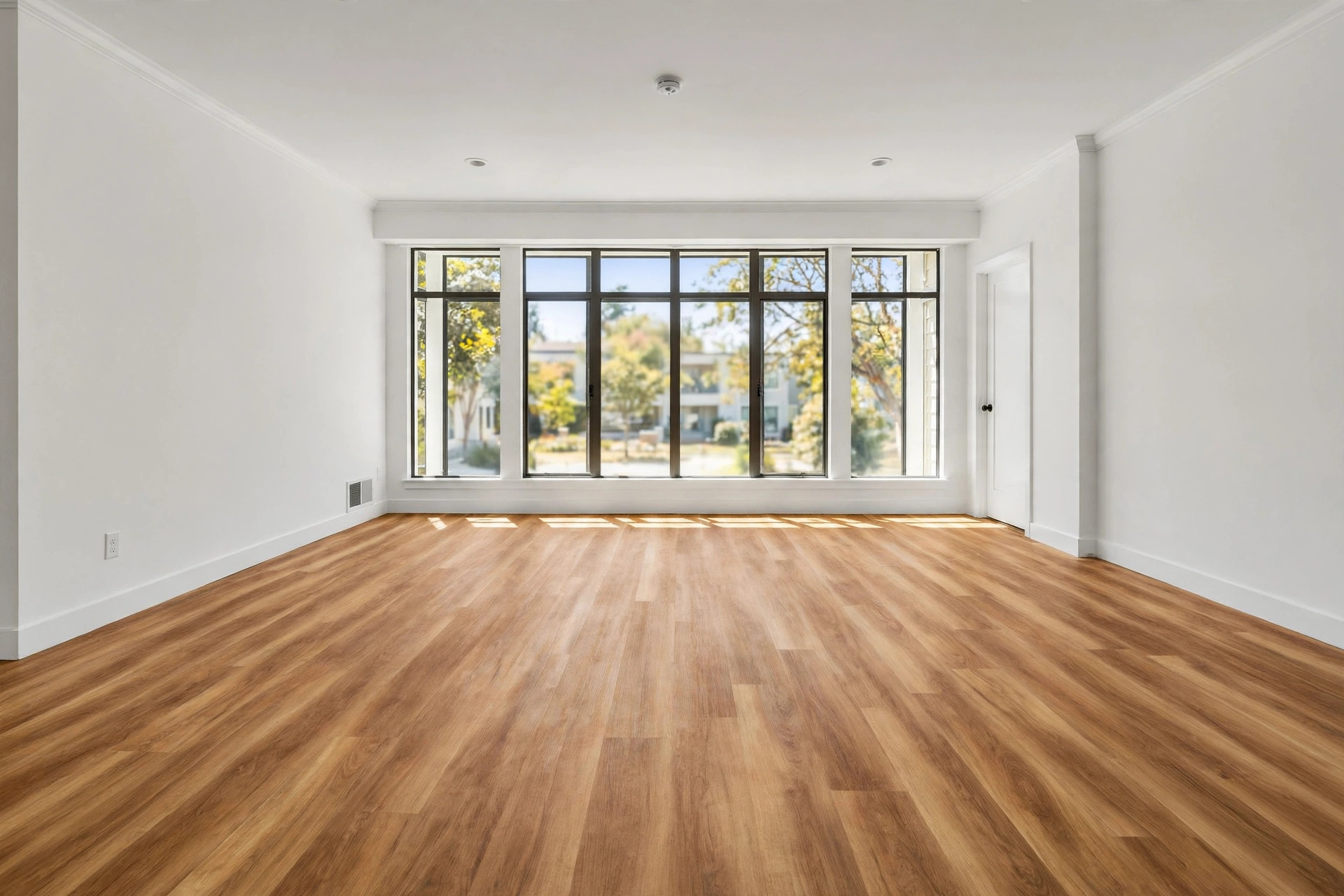
Luxury vinyl plank, often called LVP, is the most popular choice for rentals in the United States today. It looks like real wood but costs less and resists water. Rigid core planks stay flat over imperfect subfloors. Most types click together without glue, which makes repairs simple. A damaged plank can be lifted out and a new one clicked in.
Vinyl works in living rooms, bedrooms, kitchens, and bathrooms. It handles pet claws well. It does not fade fast in sun. The main risk is sharp furniture legs, so many landlords leave felt pads in each unit as a small gift to tenants.
Laminate Flooring
Laminate is hard, stiff, and tough against scratches. It looks like wood and costs less than vinyl in many markets. Older laminate feared water, but many new lines are water-resistant for several hours of standing moisture. Laminate is a strong pick for living rooms and bedrooms that stay dry. Avoid it in bathrooms and laundry rooms where water pools.
Porcelain and Ceramic Tile
Tile is the king of hard use. It does not scratch, it does not stain, and it laughs at water. Porcelain tile rates very high on the hardness scale used by the industry. It suits entryways, kitchens, bathrooms, and laundry rooms. The weak point is the grout between tiles, which can stain over time. Darker grout hides dirt better and needs less scrubbing.
Tile work depends on good setting material. When you plan a tile floor, read a guide on the best thinset mortar for floor tile usa so the bond holds for years. A tile that pops loose after two years is not a material failure. It is an install failure.
Tile also comes in styles that raise the look of a unit without raising the budget. If you want a high-end feel in a rental kitchen, look into terrazzo look tile for kitchen reviews usa for ideas on stone-look patterns that hide wear.
Engineered Hardwood
Engineered hardwood has a real wood top layer over a stable core. It looks and feels like solid wood. It handles humidity swings better than solid wood, which matters in rentals where tenants may not run the air conditioning well. It costs more than vinyl or laminate. It also scratches more easily. It fits best in higher-end rentals where the rent can cover the cost of care between tenants.
Concrete and Polished Concrete
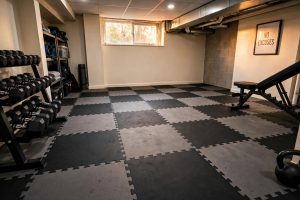
In basements, garages, and some modern units, sealed concrete is hard to beat for durability. It cannot be scratched by pets or furniture. It wipes clean. Staining and polishing can make it look sharp rather than plain. The downside is hardness underfoot and cold feel in winter. Rugs fix both. Garages where owners keep lawn mowers and yard tools do well with sealed concrete that resists oil and fuel stains.
Sheet Vinyl
Sheet vinyl comes in wide rolls and has almost no seams. Fewer seams mean fewer places for water to sneak in. It costs very little and installs fast. It is a workhorse for small bathrooms, utility rooms, and budget units. The downside is style. It does not look as rich as plank floors, and a tear means replacing the whole sheet.
Carpet Tiles for Bedrooms
Some landlords still want soft floors in bedrooms. Carpet tile is the rental-friendly answer. Each square sticks down on its own. A stained square peels up and a fresh one presses down. No installer is needed. For picking soft surfaces that take foot traffic, see advice on the best carpet for high traffic areas usa. Carpet tiles will never last as long as hard floors, but they cost little and change fast.
Cost and Price of Rental Property Flooring
Prices move with the market, but rough ranges help you plan. Material costs are usually quoted per square foot before labor.
– Sheet vinyl: often $0.50 to $2 per square foot for material. – Laminate: often $1 to $3 per square foot. – Luxury vinyl plank: often $2 to $5 per square foot. – Carpet tile: often $2 to $4 per square foot. – Porcelain tile: often $3 to $8 per square foot. – Engineered hardwood: often $4 to $10 per square foot.
Professional install adds about $2 to $6 per square foot depending on your city and the floor type. Click-lock floors install faster and cost less in labor. Tile installs slower and costs more in labor, but it lasts the longest.
Think in terms of cost per year, not cost per square foot. A $2 floor that lasts five years costs $0.40 per year per square foot. A $4 floor that lasts fifteen years costs about $0.27 per year per square foot. The more expensive floor is cheaper over time. This simple math should guide every flooring choice in a rental.
Buy spare material at install time. Keep one or two extra boxes of planks and one extra box of tile for each unit. Color batches change over the years. A plank bought five years later may not match. Spare boxes let you make invisible repairs for free.
Care and Upkeep Between Tenants
A strong floor still needs simple care. Build a short routine into every turnover.
Vacuum or sweep hard floors before mopping. Grit acts like sandpaper under a mop. Use a damp mop, not a soaking wet one, on vinyl and laminate. Even water-resistant floors last longer when they are not flooded with mop water.
In kitchens, check around heavy kitchen appliances such as the refrigerator and stove. Water lines behind fridges can leak slowly and ruin flooring before anyone notices. A quick look during each inspection prevents a large repair bill.
In home office rooms, office furniture with wheels can wear paths into any floor. Leave a chair mat under the desk in units that have a dedicated office space. Rolling desk chairs move less when the mat has a lip that grips the carpet edge or a flat back that stays put on hard floors.
Bathrooms need extra attention. Check caulk lines around tubs and showers each year. When caulk fails, water runs behind the tub and under the floor. Pair water-resistant flooring with solid bathroom faucets and supply lines that you inspect on a schedule. Prevention costs far less than repair.
Outdoor areas matter too. Patios where tenants keep outdoor grill setups collect grease that gets tracked inside on shoes. A washable mat at the sliding door catches most of it. Entry mats at every outside door are cheap and save floors.
If a rental has a fireplace, protect the floor around it. Fireplace hearths need non-combustible surfaces, and embers can scorch nearby flooring. A proper hearth extension and a clear zone in front of the firebox keep the floor safe and meet code.
Modern smart home devices can also help. Inexpensive water leak sensors under sinks and behind washing machines send alerts to your phone before a small drip becomes a ruined floor. A $30 sensor can prevent a $3,000 floor replacement.
Safety and Legal Notes
Floors must be safe as well as strong. In wet areas such as bathrooms and laundry rooms, choose flooring with a textured surface that resists slips. Polished tile that looks lovely can turn slick with soapy water. Look for slip ratings on the product label and choose higher grip in wet zones.
Keep floors level and trip-free. Loose planks, curling edges, and cracked tiles create trip hazards. Fix them fast. A tenant injury from a floor you knew was damaged can become a legal problem.
Know your state rules on security deposits. Most states require photos or written notes of the unit condition at move-in. Take close-up photos of every floor in good light. Store them with the lease. Clear records make deposit deductions fair and easy to defend.
Lead paint is a separate issue in older homes. If the property was built before 1978, federal rules require lead disclosures to tenants. This has nothing to do with new flooring, but any floor work that disturbs old painted surfaces should follow lead-safe rules.
Frequently Asked Questions
What is the most durable flooring for a rental property?
Porcelain tile lasts the longest and resists almost everything. Luxury vinyl plank is the best balance of cost, looks, water resistance, and easy repair. Most landlords choose vinyl plank for living areas and tile for bathrooms.
Should I put carpet in a rental?
Whole-room wall-to-wall carpet is hard to defend in most rentals. It stains, holds odors, and needs replacement often. Carpet tiles are a better choice because you can replace single squares. If you use any carpet, pick a dark, patterned, low-pile product.
How often should rental flooring be replaced?
Good vinyl plank or tile can last ten to twenty years with normal care. Laminate often lasts eight to twelve years. Carpet, even good carpet, usually needs replacement every three to five years in a rental. Track install dates for each unit so you can plan ahead.
Is waterproof flooring worth the extra cost?
Yes, in kitchens, bathrooms, laundry rooms, and entries. Water damage is the most common flooring failure in rentals. Paying a little more for waterproof material in wet rooms is one of the best returns on any rental upgrade.
Can tenants damage luxury vinyl plank?
They can scratch it with dragged furniture or sharp objects, but it resists most daily abuse well. Leave felt pads on chair and table legs. Keep one spare box of planks so a deep scratch can be fixed by swapping a single board.
Does new flooring raise rent?
Often it does. Fresh, modern floors photograph well and make the unit feel updated. In competitive markets, new flooring can justify a rent increase of $25 to $75 per month and can cut vacancy time. That adds up fast against the cost of the floor.
A Final Word
The best rental floor is the one you stop thinking about. It goes in once, takes years of hard use, and needs only basic cleaning between tenants. Choose water resistance first, easy repair second, and neutral style third. Buy spare material and keep it on hand. Inspect wet areas on a schedule. Follow these simple rules and your floors will serve you quietly for many years.
References
Bosch. (n.d.). Home appliances. https://www.bosch-home.com Briggs & Stratton. (n.d.). Engines and outdoor power equipment. https://www.briggsandstratton.com Burpee. (n.d.). Seeds, plants, and gardening supplies. https://www.burpee.com Delta Faucet. (n.d.). Kitchen and bathroom faucets. https://www.deltafaucet.com ECHO. (n.d.). Outdoor power equipment. https://www.echo-usa.com Google Store. (n.d.). Smart home devices. https://www.store.google.com Heatilator. (n.d.). Fireplaces and fireplace products. https://www.heatilator.com Steelcase. (n.d.). Office furniture and workplace research. https://www.steelcase.com Traeger. (n.d.). Wood pellet grills. https://www.traeger.com UPLIFT Desk. (n.d.). Standing desks and ergonomic office furniture. https://www.uplift-desk.com
Was this guide helpful?

About David Wilson
The My Garden US editorial team writes practical, in-depth home and garden guides for American homeowners — tested advice, no fluff.
You May Also Like
Schluter Trim for Tile Edges: Reviews and Buying Guide for USA Homes
April 17, 2026 0 views
Best Grout Cleaner for Mold Reviews USA: What Works in Real Homes
September 29, 2026 0 views
Flooring That Increases Home Value Most in the USA
July 26, 2026 0 views