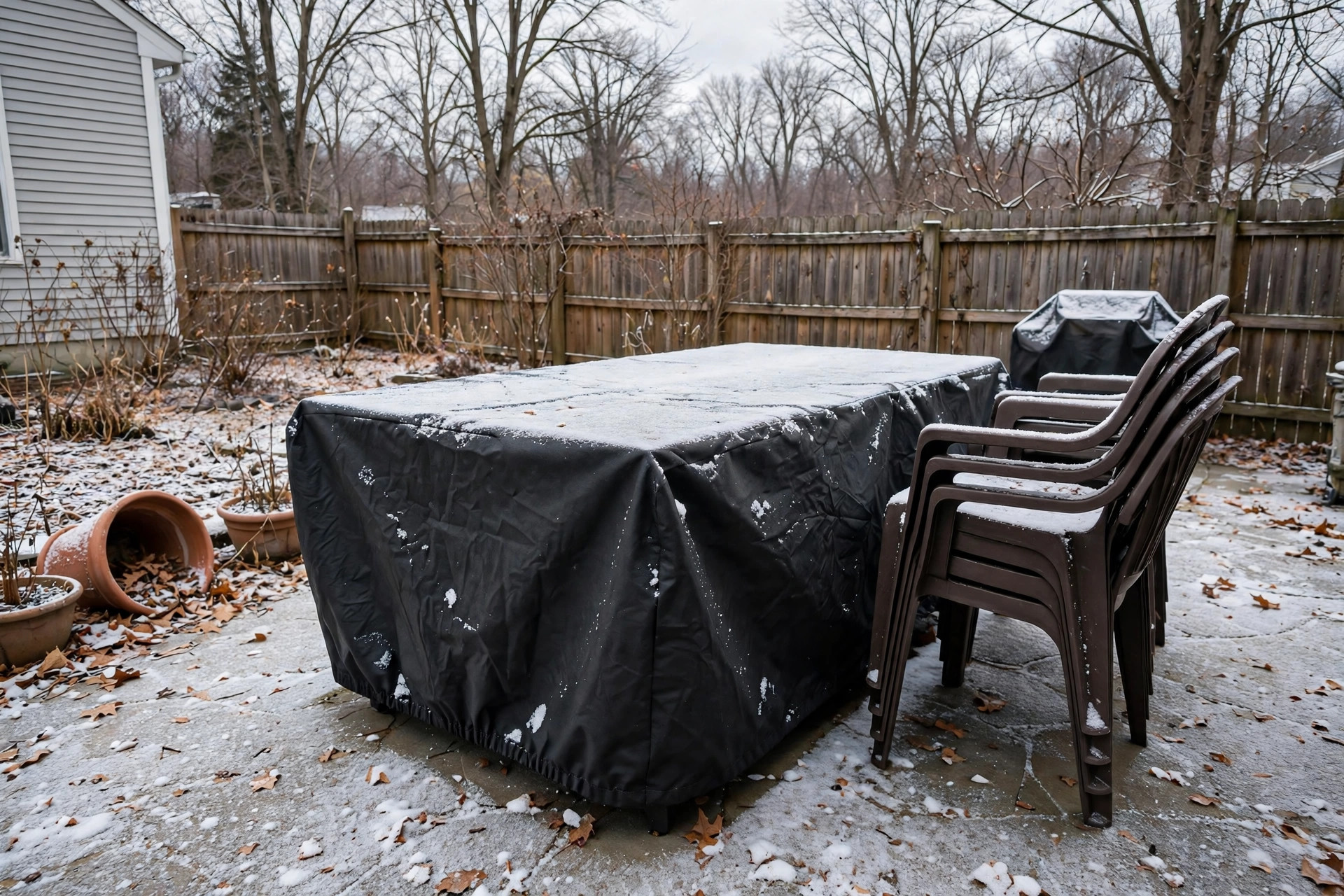

A Good Plan for Patio Furniture Storage Ideas for Winter
When the first cold wind of fall arrives, many homeowners look out at their patio and wonder what to do with the chairs, tables, and cushions. These patio furniture storage ideas for winter give you a clear plan. With a little work in autumn, you can keep your outdoor furniture safe from snow, ice, and long cold nights. That care pays off in spring when everything looks as good as it did in June.
Outdoor furniture is not cheap. A good set can cost hundreds or thousands of dollars. Winter weather can crack wood, rust metal, and soak cushions until mold grows inside them. The damage often stays hidden until spring. By then the repair may cost more than the storage would have cost. The ideas below fit homes of all sizes, from small apartment balconies to large backyards with full dining sets.
Why Winter Storage Matters: Patio Furniture Storage Ideas for Winter
Winter is the hardest season for anything left outside. Snow sits on flat surfaces and melts and freezes again. That cycle works water into small cracks. Metal parts rust. Wicker and wood swell and split. Cushion foam holds damp air and grows mold and mildew. Even so called all weather pieces wear out faster when they sit under snow for three or four months.
Good storage does more than protect the furniture. It keeps your yard tidy and safe. A snow shovel does not catch on a chair leg. A covered stack of chairs does not blow across the yard in a winter storm.
People in mild parts of the country can get by with less work. People in the north, where snow stays on the ground for weeks, need a stronger plan. Know your climate before you choose a method. A plan that works in Georgia may fail in Minnesota.
What to Look For When You Choose a Storage Method
Not every idea fits every home. Start by answering a few simple questions. How much space do you have? A garage or shed makes storage easy. A small balcony leaves you with fewer choices. What material is your furniture? Teak can stay outside under a cover. Thin wicker cannot.
Also think about how much time you want to spend. Some methods need one afternoon of work. Others need only ten minutes. Check the weight of each piece. A cast iron table may be too heavy to move into the house. In that case a fitted cover is the right answer. Stackable chairs, such as stackable dining chair sets sold in groups of six, stack neatly in a corner of a garage.
Cost matters too. Covers cost less than a new shed. A storage unit costs more than either. Balance the cost of storage against the value of the furniture. A full dining set deserves more care than a single plastic chair.
Main Types of Storage Options
There is no single best way to store patio furniture in winter. Each option has strengths and weak points. Most homes use a mix of two or three.
Storing Indoors: Garage, Basement, or Shed
Moving furniture inside is the safest choice. A garage or shed blocks snow, rain, and sun. Clean each piece first. Let it dry fully. Then stack chairs, fold tables if they fold, and stand items on blocks so air can move under them. Leave a little space between pieces so damp air does not get trapped.
A basement works well for cushions and small items. Keep pieces away from the furnace and the water heater. Both give off heat and damp air that can hurt fabric and wood.
Heavy Duty Covers
When there is no indoor room, covers are the next best answer. Weatherproof covers for patio furniture come in sizes for sofas, dining sets, chairs, and grills. Choose covers made of heavy woven fabric with a water resistant coating. Look for vents that let damp air escape. Straps or drawstrings keep the cover on in high wind.
Pull each cover tight and tie it low around the legs. A loose cover flaps in the wind and lets snow blow in under the edge. For large dining sets, one big cover often works better than many small ones. Tie all straps before the first storm. Covers do not keep furniture warm. They keep it dry. That is what matters most.
Deck Boxes and Storage Benches
A deck box is a strong plastic or resin chest that sits on the patio. It holds cushions, small chairs, and tools. Storage benches for outdoor use serve the same purpose and give you extra seating in summer. Make sure the lid seals well. Put the box on small blocks so water runs under it instead of pooling around the base.
Deck boxes work best for items that are light and soft. Do not stuff wet cushions inside. Dry them in the sun first. Add a few silica gel packets or a small open box of baking soda to soak up damp air. Check the box once a month. If you see water inside, dry everything and fix the seal.
Cushion Storage Bags
Cushions need special care because foam holds water for a long time. Patio cushion storage bags are large zippered bags made of heavy fabric. Wash each cushion cover before storage. Let the foam dry in the sun for a full day. Then pack the cushions in the bags and store the bags indoors.
Do not stack heavy items on top of cushion bags. Foam takes a set and stays flat. Label each bag so you know which cushions go on which chair in spring. This small step saves a lot of time later.
Winterizing Cushions Outdoors
Some people have no indoor space at all. If you must leave cushions outside, treat them first. Brush off dirt and food. Spray the fabric with a water repellent made for outdoor fabric. Then wrap each cushion in a plastic sheet before it goes into its bag or box. Plastic adds a second wall against rain and snow.
The full guide on how to winterize outdoor furniture cushions explains which sprays work on which fabrics. Test any spray on a hidden corner first. A few fabrics change color with some products.
How to Prepare Each Piece Before Winter
Storage works best when the furniture is clean and dry. Dirty furniture stores badly. Food stains attract mice. Damp wood freezes and cracks. Plan one full afternoon for this job.
Cleaning
Start with a broom to remove leaves and dirt. Wash metal and plastic pieces with warm water and mild soap. Rinse well. For teak and other wood, use a soft brush and a cleaner made for outdoor wood. Rinse and let the wood dry in the sun. Wicker needs a soft brush and gentle soap. Do not use a pressure washer on wicker. The strong spray breaks the weave.
Cushion covers can often go in the washing machine on a gentle cycle. Read the tag first. Let them air dry. Never put outdoor cushions in a hot dryer. The heat can melt the water resistant coating on the fabric.
Drying
This step is the most important and the most often skipped. Let every piece dry in the sun for at least a full day after washing. Turn chairs over so water runs out of the legs. If rain is coming, move the pieces under a roof but keep the air moving with a fan.
Put your hand on the furniture before you cover or pack it. If it feels cool and damp, wait longer. Water sealed under a cover in winter becomes ice. Ice expands. That is how frames crack.
Protecting Frames and Joints
Tighten all bolts and screws. Winter cold makes loose joints work harder. Rub a little car wax or furniture wax on metal frames. The wax fills tiny scratches where rust starts. For wood, apply teak oil or outdoor wood sealant once a year. For wicker, a light coat of clear outdoor varnish keeps the strands from drying out.
Remove umbrella canopies from their frames. Fold the canopy loosely and store it in a bag. Leave the heavy umbrella base outside if you must, but cover it so water does not sit in the socket. Glass tabletops can stay on their frames, but put a cover over them. If your area gets heavy hail, move glass tops indoors.
Cost and Price Guide
Most winter storage plans cost less than one hundred dollars. A set of heavy duty covers for a dining set runs from forty to one hundred twenty dollars, based on size and brand. A large deck box costs from eighty to two hundred fifty dollars. Cushion storage bags cost from twenty to sixty dollars each. You may need two or three for a full set.
A small shed adds real money. A basic resin shed costs from five hundred to two thousand dollars. That is a large sum, but the shed serves the home for many years and holds tools and bikes as well. A rented storage unit near a city costs from fifty to one hundred fifty dollars a month. For one winter, that adds up to two hundred to six hundred dollars.
Compare these numbers to the price of new furniture. A quality outdoor dining set costs from eight hundred to three thousand dollars. Replacing moldy cushions alone can cost two hundred dollars or more. Storage is the cheaper choice in almost every case. Reviews with solid ratings can help you find covers and boxes that last more than one season, so you do not pay twice.
Care and Upkeep Through the Cold Months
Storage is not a job you finish in October and forget. Check your stored furniture once a month. Lift each cover after a heavy snow and brush the snow off. Heavy snow bends frames and tears fabric. If a cover has blown loose, tie it down again right away.
Look inside deck boxes for water. Smell the cushions for musty odors. Musty smell means mold is starting. Take the cushions out on the next dry sunny day, even in winter, and let them air for a few hours. Check indoor storage spots for mice. Mice love to nest in cushion foam. A few traps near the storage area solve the problem before it starts.
If you stored pieces in a shed, leave the shed door open on dry days for an hour or two. Moving air dries damp spots.
Safety
Safety matters during both storage and checks. Lift with care. Patio furniture is bulky and awkward. Bend your knees and keep your back straight. Ask for help with heavy tables and cast iron pieces.
Stack chairs so the pile cannot fall. A stack of six chairs can hurt a foot if it tips over. Keep stored furniture away from furnaces, heaters, and open flames. Some covers and cushion foam burn fast. Do not store gas grills or propane tanks indoors. Leave them outside with the tank turned off and covered, well away from the house.
When you check covers after a storm, watch for ice on the patio. Wear boots with good grip. Keep a shovel and salt near the door so you can clear a safe path to the storage area.
Frequently Asked Questions
Can I leave patio furniture outside all winter?
Some pieces can stay out, but most do better with care. Aluminum and resin frames handle cold well. Teak can stay outside under a cover. Thin wicker, wood, and fabric cushions should come inside or go under strong covers. When in doubt, cover the piece. A cover is cheap insurance.
When should I start winter storage?
Start when night temperatures drop near freezing on a regular basis. In most northern states that means October. In the deep south, December may be soon enough. Watch the weather. One early freeze can crack a wet wooden table. It is better to store a week early than a week late.
Do I need to store furniture if it is marked all weather?
The mark all weather means the piece resists rain and sun. It does not mean the piece can sit under snow for months. Snow and ice are harder on furniture than rain. Winter patio furniture covers still help all weather pieces last longer. At the least, cover them and lift them off bare ground.
How do I keep mice out of stored cushions?
Mice enter through small gaps in garages and sheds. Seal gaps around doors with steel wool and caulk. Set snap traps along the walls before you bring the cushions in. Do not use poison. A poisoned mouse can die inside a cushion and ruin it. Check the traps each week.
Can covers damage furniture?
Cheap thin covers can trap damp air against the furniture. That damp air causes mold and rust. Good covers have vents and fit the piece well. Always store clean, dry furniture under a cover. Check under the cover once a month. If you see damp spots, air the piece out on a dry day.
What is the cheapest way to store patio furniture for winter?
The cheapest good method is to clean each piece, dry it, and stack it in a garage or shed for free. If you have no indoor room, buy fitted covers. One set of covers costs far less than new furniture. Affordable storage benches also hold cushions and cost less than a shed.
A Short Final Word
Winter comes every year, and patio furniture lasts longer when it has a plan. Clean each piece, dry it well, and choose the storage method that fits your home and your budget. Indoor spots are best. Fitted covers are a strong second choice. Deck boxes and cushion bags protect the soft parts. A monthly check keeps small troubles small.
Come spring, you will thank yourself. The chairs will be clean. The cushions will be fresh. The table will need only a quick wash before the first cookout. These patio furniture storage ideas for winter ask for one afternoon of work in the fall. In return, they give you years of extra life from the furniture you already own.
References
Consumer Reports. (n.d.). Product reviews and ratings. https://www.consumerreports.org IKEA. (n.d.). Outdoor furniture and storage. https://www.ikea.com Wayfair. (n.d.). Outdoor furniture and patio storage. https://www.wayfair.com
Was this guide helpful?

About Robert Taylor
The My Garden US editorial team writes practical, in-depth home and garden guides for American homeowners — tested advice, no fluff.
You May Also Like

Best Outdoor Dining Set for Windy Areas: What to Buy and Why
October 2, 2026 0 views
Best Patio Furniture for Beach House Living
August 28, 2026 0 views
Outdoor Daybed with Canopy for Adults: Comfort, Shade, and Style in One Piece
May 15, 2026 0 views