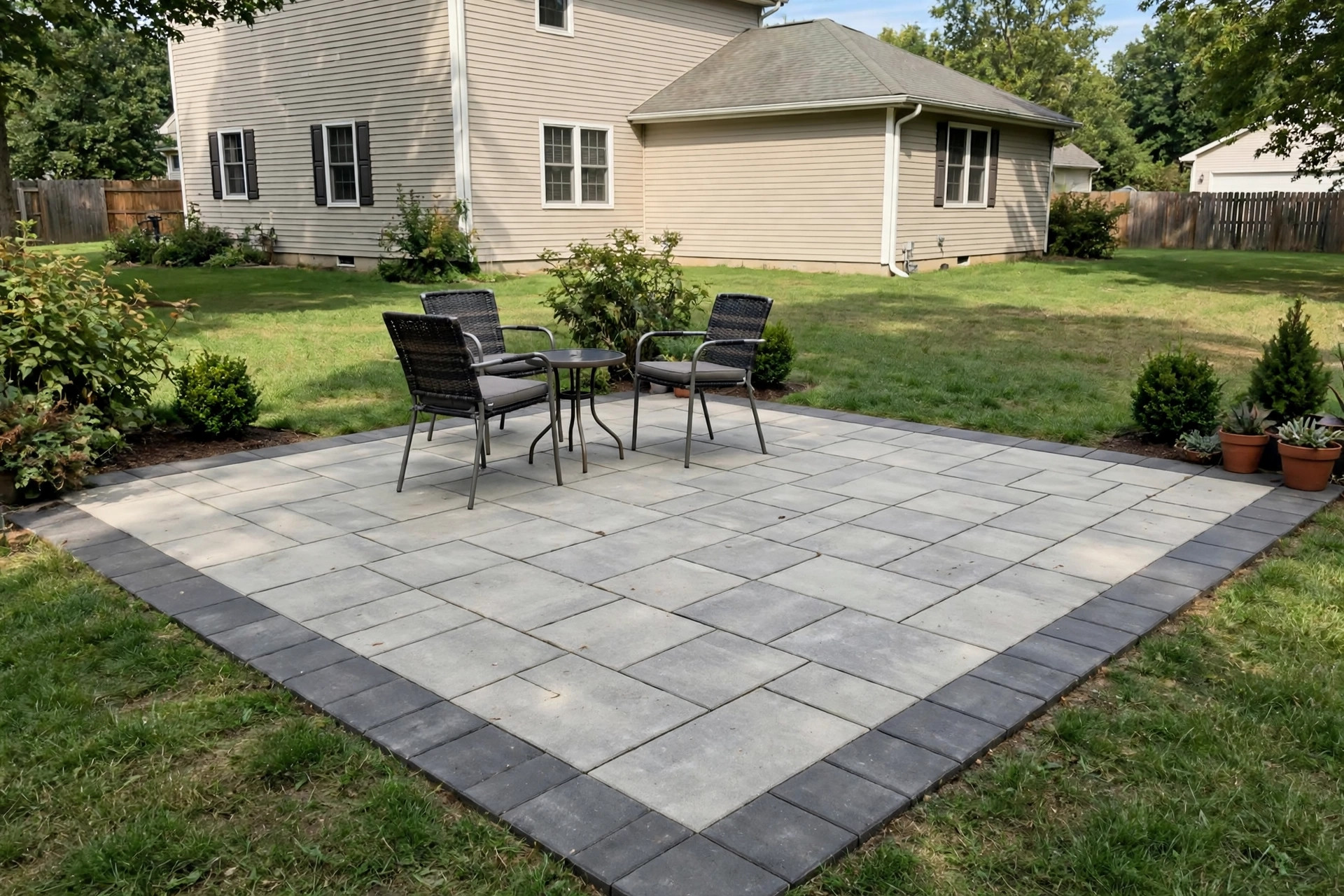

A paver patio cost calculator for USA homes is a simple tool that gives you a price estimate for a new patio. You type in the size of the patio, the kind of pavers you want, and a few other facts. The tool then shows you a rough total. This helps you plan before you call a builder and compare prices when you get bids. This guide explains how these calculators work, what numbers they use, and what makes the price go up or down.
Why a Cost Calculator Matters
A patio is one of the most loved projects in American backyards. It gives a family a place to sit, cook, and enjoy warm days. But a patio can cost several thousand dollars. Many owners get a shock when the first bid arrives. A calculator takes away the shock. It shows the likely range before anyone picks up a shovel.
The tool also helps you set a budget that fits your home. Prices change from state to state. Labor in one city may cost twice as much as in another town. A good calculator asks for your location or uses local rates. It breaks the total into parts: materials, labor, and extras. When you see each part, you can decide where to save. A calculator is not a contract, but it puts you in a strong position. You can spot a bid that is too high and see which choices drive the cost.
How a Paver Patio Cost Calculator Works: Paver Patio Cost Calculator for Usa Homes
Most calculators follow the same steps. They ask for facts about your patio. Then they apply price rates to those facts. The steps are simple.
Step One: Patio Size
The first question is always size. You enter the length and width in feet. The tool finds the square footage. A small patio of 200 square feet costs far less than a grand patio of 800 square feet. Measure your yard with a tape. Mark the corners with stakes or spray paint. Measure twice so the number is right.
Some tools ask for shape. A simple square or rectangle is easy to build. Curves and angles take more cutting. Cutting takes time, and time adds to labor. If your patio will have a curve, say so in the tool.
Step Two: Paver Material
Next, the tool asks what kind of pavers you want. Concrete pavers are the most common and the least costly. Clay brick pavers cost more but have a warm, classic look. Natural stone pavers, like bluestone or flagstone, cost the most. The price per square foot for materials can run from a few dollars for basic concrete to well over ten dollars for cut stone.
If you are comparing stone choices, you may find it helpful to read about flagstone patio installation cost near me to see how stone prices compare with standard concrete pavers.
Step Three: Labor
Labor is often half of the total bill. The calculator applies a local labor rate per square foot. Digging out the old ground, hauling soil, laying the base, and setting the pavers all take crew time. A plain patio on flat ground is quick work. A patio on a slope needs grading and maybe a small wall. That adds hours and cost.
Step Four: Base and Extras
A patio needs more than pavers. The crew digs down several inches and packs in crushed stone and sand. That base is what keeps the patio flat for years, and This Old House has clear guides on how a proper base is built. The calculator adds the base cost into the total. It may also ask about extras: a border row in a second color, a seat wall, steps, or a fire pit base. Each extra adds material and labor.
When you want a matching surface by the pool, look at travertine pavers for pool deck cost usa to see how pool-side pavers are priced.
What to Look for in a Good Calculator
Not every online calculator is equal. A good one asks enough questions to give a real range. Watch for these points.
Local Pricing
A tool that uses one flat national price is not very helpful. Prices in Texas or Florida differ from prices in New York or California. Look for a calculator that asks for your ZIP code or your state. If it does not, treat the result as a rough idea only. Owners in warm states may also want to read about the best tile for outdoor patio in texas for heat-proof choices.
Low, Mid, and High Ranges
The best tools show three numbers: a low estimate, a middle estimate, and a high estimate. The low number fits basic concrete pavers and easy ground. The middle number fits mid-grade pavers and normal site work. The high number fits premium stone and hard sites.
Itemized Breakdown
A strong calculator shows the parts of the total. It lists materials, labor, base work, and extras as separate lines. When you see the parts, you can trim the budget with care. Maybe you keep the size but pick a simpler paver. Maybe you drop the seat wall for now and add it next year.
Updated Data
Prices for stone, sand, and labor rise over time. A calculator that still uses old rates will give a low number that no real builder can meet. Look for tools updated in the last year or two. Manufacturer and retailer sites often publish current material prices you can check against the result. The Home Depot and Lowes sites list paver prices per square foot that make a fine cross-check.
Types of Paver Patio Projects
The word patio covers many jobs. The kind of project changes the calculator inputs.
New Patio on Bare Ground
This is the most common case. The crew starts with lawn or bare soil. They dig out the area, lay the base, and set the pavers. The calculator treats this as the base case. Costs are lowest here because there is nothing to remove.
Replacing an Old Patio
If an old concrete slab or worn pavers sit in the way, the crew must break them up and haul the waste away. Demolition adds a line to the bill. Some calculators ask about this. If yours does not, add a few hundred dollars to the result for removal.
Patio with a Cover or Kitchen
Some owners build the patio as part of a bigger plan: a roof cover, an outdoor kitchen, or a built-in grill. The calculator may only price the paver surface. Keep the two budgets apart. Price the patio first. Then price the extras as their own project.
Small Repairs and Extensions
A calculator can also help with a smaller job. If you add a walkway to an old patio, run the tool with the new area only. Match the new pavers to the old ones as close as you can. A border row in a new color can hide the change.
Cost and Price Factors
The calculator gives you a number. But it helps to know why the number is what it is. These are the main forces behind the price.
Paver Material
Material is the biggest choice you control. Basic concrete pavers are the value pick. They come in many shapes and colors and last for decades. Clay brick costs more and gives a rich red tone that suits older homes. Natural stone is the premium choice. Each stone piece is one of a kind, and the look is hard to beat. Manufacturer pages such as Shaw Floors and Mohawk Flooring show how surface materials are graded by quality and price, which helps you read any estimate with a trained eye.
Size and Shape
Every extra square foot adds material and labor. But shape matters too. A 300-square-foot rectangle is cheaper than a 300-square-foot patio with curves, insets, and a round fire pit pad. Each cut paver takes time. Time is money on a crew job.
Site Conditions
Flat, dry ground is the dream site. Slopes need grading. Wet ground needs extra base or drainage pipe. Tight backyards with no truck access need hand hauling. Tree roots in the dig zone slow the work. The calculator may ask about slope. If it does not, add a cushion for a hard site.
Labor Market
Crew rates follow the local economy. Big cities run higher than small towns. The season matters too. Spring and early summer are the busy months, and bids run higher. Late fall work may come at a lower price in some areas. Get three bids. The calculator helps you judge them. Project guides on Bob Vila also explain how to read contractor bids with care.
Permits and Inspections
Some towns want a permit for a patio, mainly for drainage and setback rules. A permit may cost from fifty to a few hundred dollars. Ask your town office before work starts.
Extras and Finishes
Polymeric sand swept into the joints keeps weeds out. A sealer adds color depth and stain guard. A soldier-course border in a dark tone frames the patio like a picture. Each of these is a small line item. Together they can add a thousand dollars or more. Decide which ones you truly want.
Retail guides at L L Flooring and Daltile help you compare the price of border and accent materials before you commit.
Care and Upkeep
A paver patio asks for little care, but a little care keeps it fine for twenty years or more.
Cleaning
Sweep the patio each week in the leaf season. Wash it once or twice a year with a garden hose and a stiff brush. For grease spots near the grill, a paste of dish soap and warm water lifts most stains.
Joint Sand
The sand between pavers holds them tight. Rain and washing wear it down over the years. Every few years, sweep fresh polymeric sand into the joints and mist it with water to set it. This one job stops weeds and ant nests.
Sealing
Sealer is not required, but many owners like it. It deepens the color and guards against stains and salt. Plan to reseal every three to five years. Read the sealer label with care and test a small spot first. Helpful how-to articles on The Spruce walk through sealing step by step.
Weeds and Moss
Weeds love the joints. Pull them early before roots spread. Moss grows in shady, damp spots. A mix of water and white vinegar kills light moss. For shade-side patios, trim back bushes to let sun and air reach the stone.
Winter Care
In cold states, use a plastic shovel, not a steel one, so the blade does not chip the pavers. Choose a de-icer made for concrete pavers. Rock salt can harm some paver types over time. Stack snow at the edge, not in planted beds where melt water pools.
Safety
A patio is a safe place when it is built right. Keep these points in mind.
First, drainage must move water away from the house. A patio that slopes toward the foundation can send rain under the walls. The standard grade is about one inch of fall for every eight feet of run, away from the home.
Second, pick pavers with grip. Smooth, glossy pavers turn slick when wet. Textured pavers give shoes a hold. This matters near pools, hot tubs, and grill areas where water spills.
Third, mind the edges. A patio that sits high above the lawn needs a step or a small wall with care. A clean edge keeps feet from catching. Good lighting along the edge stops trips after dark.
For wider safety and buying advice, Consumer Reports publishes ratings on outdoor surfaces and power tools.
FAQ
How much does a paver patio cost per square foot in the USA? Most patios run from about ten to twenty-five dollars per square foot, installed. Basic concrete pavers on easy ground sit near the low end. Premium stone with grading and extras sits near the high end. A paver patio cost calculator for USA homes will place your project inside this range based on your inputs.
How exact is an online cost calculator? It is a planning tool, not a bid. Expect the real price to land within ten to twenty percent of a good result. The final number depends on your site, your town, and the crew you hire.
What is the cheapest way to build a paver patio? Keep it small and simple. Pick a rectangle shape. Use basic concrete pavers. Build on flat ground with easy access. Skip extras like seat walls until later.
How long does it take to install a paver patio? A small patio of 200 to 300 square feet takes a crew about three to five days. A large or complex patio can take two weeks or more. Rain, hard digging, and custom cuts add days.
Do I need a permit for a paver patio? It depends on your town. Many towns do not require a permit for a ground-level patio. Some do, mainly to check drainage and property lines. A quick call to the building office settles the question. Permit fees are small next to the project cost.
Will a paver patio raise my home value? A well-built patio often adds value and appeal. Buyers love a ready outdoor living space. The return depends on your market and the quality of the work.
A Short Final Word
A paver patio cost calculator for USA homes turns a vague wish into a real plan. Measure your space. Pick your paver. Feed the tool honest numbers. Compare the result with three local bids. With a clear budget in hand, you can build a patio that fits your yard, your home, and your wallet, and enjoy it for many summers to come.
References
Bob Vila. (n.d.). Home improvement advice. https://www.bobvila.com Consumer Reports. (n.d.). Product reviews and ratings. https://www.consumerreports.org Daltile. (n.d.). Ceramic and porcelain tile. https://www.daltile.com LL Flooring. (n.d.). Hardwood, vinyl, and tile flooring. https://www.llflooring.com Lowe’s. (n.d.). Home improvement products. https://www.lowes.com Mohawk Flooring. (n.d.). Flooring products. https://www.mohawkflooring.com Shaw Floors. (n.d.). Flooring products. https://www.shawfloors.com The Home Depot. (n.d.). Home improvement products. https://www.homedepot.com The Spruce. (n.d.). Home and garden advice. https://www.thespruce.com This Old House. (n.d.). Home renovation guidance. https://www.thisoldhouse.com
Was this guide helpful?

About Michael Thompson
The My Garden US editorial team writes practical, in-depth home and garden guides for American homeowners — tested advice, no fluff.
You May Also Like

Marble Floor Polishing Service Near Me Cost: A Plain Guide
January 17, 2026 0 views
Wood Look Tile Pros and Cons Reviews: A Full Guide
April 26, 2026 0 views
Installing Vinyl Plank Over Tile: A Complete USA Guide
January 4, 2026 0 views