Metal patio chairs, iron benches, and steel porch rockers all share one hard truth. Left outside in rain, sun, and snow, bare metal does not stay handsome for long. The best paint for outdoor furniture metal USA shoppers can buy will stop rust, hold its color through harsh summers, and keep a chair looking fine for many seasons. This guide walks through why the right paint matters, what to look for on the label, the main types worth buying, what the job costs, and how to keep the finish sound for years.
Why the Right Paint Matters for Metal Furniture
Metal furniture sits in the worst place a finish can live. It bakes in July sun, freezes in January, soaks in spring rain, and gets dragged across the deck all year. A paint made for indoor walls will crack, peel, and fail within one season under that treatment. A true metal paint, by contrast, bonds to the surface and forms a hard shell that keeps water and air away from the metal beneath.
Rust is the real enemy. Once it starts, it spreads under ordinary paint and pushes it off in flakes. Quality paints made for metal include rust inhibitors that slow or stop this process. Some bond directly to rusty spots after light scraping, which saves hours of sanding. The difference between a generic can and the best paint for outdoor furniture metal made for the job often comes down to five extra years of life.
There is also the matter of heat. Dark metal furniture in full sun can reach temperatures that soften cheap paint. Paints rated for exterior use are built to stay hard and keep their color when the metal gets hot. That means the armrest you lean on in August will not leave paint on your sleeve.
What to Look for on the Label: Best Paint for Outdoor Furniture Metal Usa
Read the can before you buy. A few words on the label tell you nearly everything you need to know about the best paint for outdoor furniture metal USA stores carry.
Direct-to-metal or metal-rated. The label should say the paint is made for metal. Some say “direct-to-metal,” which means it can go straight onto a clean metal surface without a separate primer. Others say “for metal, wood, and more,” which is fine but may need a primer first.
Rust prevention. Look for words like “rust inhibiting,” “rust preventive,” or “rust resistant.” These paints carry chemicals that keep rust from forming under the film. On iron and steel, this is not optional. It is the whole point.
Exterior or outdoor rating. Interior paints use resins that break down in sunlight. The can must say exterior or outdoor. If it does not, put it back.
UV protection. Sun fades color and breaks down paint resins. Paints with added UV protection hold their shade longer. This matters most for bright colors like red, blue, and green, which fade fastest.
Finish choice. Flat, satin, semi-gloss, and gloss are the common finishes. Satin and semi-gloss are the most popular for outdoor furniture because they shed water, wipe clean, and hide small flaws. Gloss is the toughest but shows every dent. Flat looks elegant but chalks faster outdoors.
Application method. Decide between brush-on paint and spray paint. Brush-on gives a thick coat and precise control. Spray gives a smooth, even coat on spindles and scrollwork but needs calm air and masking.
Types of Paint That Work on Metal Furniture
Not every paint on the hardware store shelf suits metal. These four types cover nearly every good choice.
Oil-Based Enamel
Oil-based enamel has been the standard for metal for decades. It levels out smoothly, dries to a hard shell, and resists scratches better than most other options. It clings well to properly prepared steel and iron. The downsides are familiar. It has strong fumes, takes a full day to dry, and cleanup needs mineral spirits. Many states have limited high-VOC versions, so check what your local store carries. For a bench that will take heavy use, oil enamel remains one of the most durable picks among the porch and patio paint options reviewed each year.
Acrylic Latex Exterior Paint
Modern acrylic latex paints have come a long way. High-quality exterior acrylics now flex with the metal as it heats and cools, which helps them resist cracking. They dry fast, clean up with soap and water, and give off far less odor. The key is to buy a top-shelf exterior grade and to use a metal primer under it, since latex alone does not stop rust. For homeowners who want an easy Saturday project, acrylic latex is often the friendliest route to the best paint for outdoor furniture metal USA weather can throw at it.
Direct-to-Metal Paint
Direct-to-metal, or DTM, paints are made to bond to metal without a separate primer. They carry rust inhibitors built in and form a tough skin in fewer coats. They come in both oil and water bases. DTM is a favorite of professionals who repaint fences, railings, and furniture because it cuts a whole step from the job. It is also a strong choice for anyone repainting chalk paint for outdoor furniture projects where the old finish has been stripped back to metal. Expect to pay a little more per can, but the saved primer step often evens out the cost.
Spray Paint for Metal
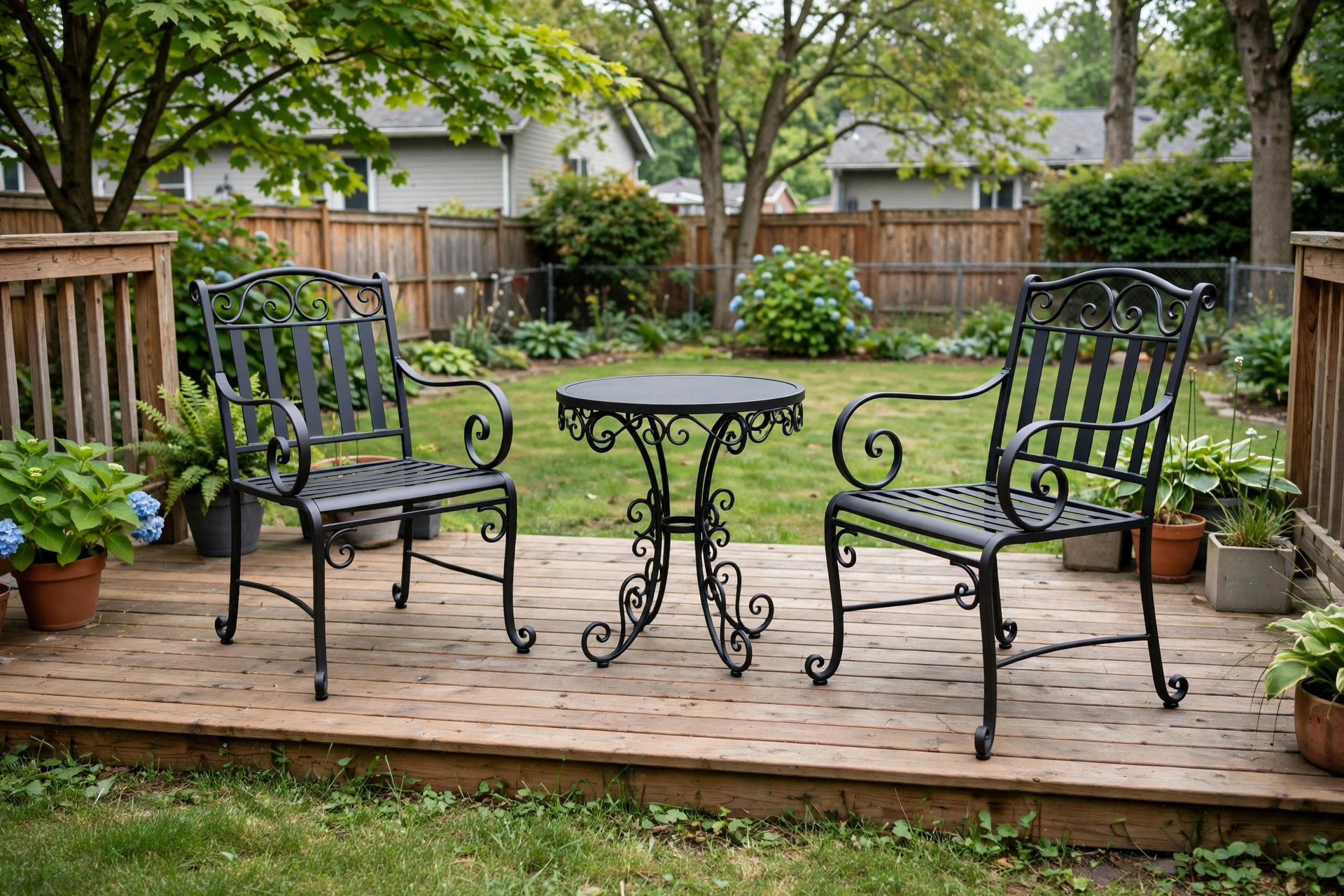
Spray paint made for metal deserves more respect than it gets. The cans are cheap, the nozzles now give good control, and the paint is formulated to grip metal and resist rust. It shines on intricate pieces: wicker-look aluminum, wrought iron scrollwork, and wire mesh chairs that would take hours to brush. Plan on several thin coats rather than one heavy one. Work on a calm day with no wind, mask off anything you do not want painted, and wear a respirator. Many garden guides at Bob Vila note that spray is the fastest path to a smooth finish on detailed metal.
Cost and Price of Painting Metal Furniture
Refinishing metal furniture is one of the cheapest home projects with the biggest visual payoff. A gallon of quality exterior metal paint runs about twenty to fifty dollars in most American stores, and a gallon covers far more furniture than most people expect. A set of four chairs and a table usually needs less than a quart of brush-on paint, or three to five cans of spray paint.
Primer, if the paint you chose needs it, adds ten to twenty dollars a quart. Sandpaper, wire brushes, mineral spirits, and painter’s tape for one project typically total under twenty dollars. All told, most homeowners refinish a full patio set for fifty to one hundred dollars in materials.
Hiring a professional changes the math. A painter will usually charge one hundred fifty to four hundred dollars to refinish a patio set, depending on its size and condition. Heavy rust removal adds to the bill because it takes time. For most pieces, the do-it-yourself route is simple enough that paying a pro only makes sense for large or badly rusted sets.
How to Prepare and Paint Metal Furniture
Good paint cannot save bad prep. Most paint failures on metal trace back to a dirty or rusty surface, not a bad can. The steps below are the standard method professionals use.
1. Clean the piece. Wash with soap and water, or a degreasing cleaner if the furniture is greasy. Rinse and let it dry fully. Paint will not stick to dust, oil, or bird droppings. 2. Remove loose rust and old paint. Scrape with a wire brush, then sand rough spots with medium sandpaper. You do not need bare shiny metal everywhere. You need a firm surface with no loose flakes. Feather the edges of old paint so the new coat lies flat. 3. Treat heavy rust. For deep rust, use a rust converter or rust-inhibiting primer after scraping. These products turn remaining rust into a stable surface the topcoat can grip. 4. Prime if needed. If your paint is not direct-to-metal, apply one coat of metal primer. Let it dry per the can’s directions. Do not skip this on bare steel or iron. 5. Paint in thin coats. Two thin coats beat one thick coat every time. Brush with the shape of the piece, or spray in steady passes from eight to twelve inches away. Let the first coat dry fully before the second. 6. Let it cure. Paint feels dry long before it is hard. Keep furniture out of heavy use for at least two to three days. Full hardness can take a week or more, especially with oil-based paint.
Patience at the drying stage is what separates a finish that lasts two years from one that lasts ten. The Spruce and other home guides stress the same point: the label’s drying times are minimums, not goals.
Care and Upkeep After Painting
A painted finish is not maintenance-free, but it asks for very little. Wash the furniture once or twice a year with mild soap and water to keep dirt from grinding into the paint. A soft brush reaches into scrollwork without scratching. Avoid harsh chemicals and pressure washers, which can strip paint and force water into seams.
Touch up chips as soon as you see them. A chip is an open door for water, and water means rust. Keep a small jar of the original paint for this purpose. Lightly sand the chip, dab on paint, and let it dry. A five-minute touch-up now prevents a full strip-and-repaint later.
In harsh climates, consider covering furniture in winter or storing it under a roof. Paint slows rust but does not make metal immortal. A cover cuts the worst of the freeze-thaw cycle and adds years to the finish. Where winters are mild, this step matters less.
Check the joints and feet each spring. These spots hold moisture and show wear first. If paint looks thin there, a quick recoat keeps the protection even. HGTV home editors often point out that the bottoms of legs are the most neglected and most rust-prone part of any metal chair.
Safety Tips to Follow
Painting is safe work if you respect the materials. Work outdoors or in a well-ventilated space. Oil-based paints and spray paints give off fumes that can cause headaches and dizziness, so fresh air is a must. Wear a respirator rated for paint fumes when spraying, and at least a dust mask when sanding old paint.
Older furniture may carry lead paint if it was painted before 1978. If you suspect lead, do not sand it dry. Buy a lead test kit from the hardware store and follow its directions. If the test is positive, use wet sanding methods or call a professional. This is the one part of the job where caution beats confidence.
Wear gloves and eye protection when working with rust converters, mineral spirits, and degreasers. Keep rags soaked in oil-based products in a sealed metal container, since they can heat up on their own. Keep paint away from open flame and store cans in a cool, dry place out of reach of children.
Frequently Asked Questions
Do I need to prime metal furniture before painting? It depends on the paint. Direct-to-metal paints do not need a separate primer on clean metal. Other paints, including most acrylic latex exterior paints, need a rust-inhibiting metal primer first. Read the can. When in doubt, prime. Primer is cheap insurance and the step most skipped by beginners.
Can I paint over rust on metal furniture? Light surface rust can be painted over after you scrape and sand it firm, especially with a rust-inhibiting primer or a paint made for that purpose. Heavy, flaky, or deep rust must be removed first. Paint cannot bond to loose rust, and the rust will keep growing under the new coat. For very rusty pieces, a wire wheel on a drill speeds the work greatly.
What is the best paint for outdoor furniture metal in coastal areas? Salt air is brutal on metal. In coastal areas, choose a marine-grade or premium rust-inhibiting enamel over a zinc-rich primer, and rinse furniture with fresh water a few times a year to wash off salt.
How long does paint last on metal outdoor furniture? A well-prepared and well-painted piece usually lasts five to ten years before it needs a full recoat. Spray finishes on light-use pieces may last three to five years. Heavy rain, strong sun, and salt air shorten the life. Annual washing and quick touch-ups push the finish toward the long end of that range.
Is spray paint or brush paint better for metal furniture? Spray paint wins on detailed pieces, giving a smooth coat without brush marks. Brush-on paint wins on large flat areas, gives a thicker coat, and wastes less paint. Many experienced painters use both.
Can I use regular house paint on metal patio furniture? Regular exterior house paint can work on metal if you prime properly with a metal primer first. It will not last as long as a paint made for metal, and it lacks the rust inhibitors that matter most. If the furniture already shows rust, a dedicated metal paint is the wiser buy. For clean aluminum in a mild climate, good house paint over primer is acceptable.
A Final Word
Choosing the best paint for outdoor furniture metal USA homeowners can find is less about brand loyalty and more about matching the paint to the metal and the weather it will face. Clean the surface, deal with rust honestly, pick a paint rated for metal and outdoor use, and give each coat its full drying time. Do that, and a tired old patio set comes back to life for less than the cost of one new chair. The work takes a weekend. The result lasts for years.
Buying guides are also published by Benjamin Moore and This Old House. Related guides on this site include best exterior house painting cost estimator usa, interior house painters near me reviews, and kitchen cabinet refinishing service cost usa.
References
Benjamin Moore. (n.d.). Paints and stains. https://www.benjaminmoore.com Bob Vila. (n.d.). Home improvement advice. https://www.bobvila.com HGTV. (n.d.). Home and garden ideas. https://www.hgtv.com Lowe’s. (n.d.). Home improvement products. https://www.lowes.com Sherwin-Williams. (n.d.). Paints and coatings. https://www.sherwin-williams.com The Home Depot. (n.d.). Home improvement products. https://www.homedepot.com The Spruce. (n.d.). Home and garden advice. https://www.thespruce.com This Old House. (n.d.). Home renovation guidance. https://www.thisoldhouse.com
Was this guide helpful?

About Sarah Mitchell
The My Garden US editorial team writes practical, in-depth home and garden guides for American homeowners — tested advice, no fluff.