Introduction
When a homeowner types aluminum siding painting service near me into a search box, the goal is simple. The siding looks worn, and it is time for a change. Aluminum siding was popular on American homes from the 1950s through the 1980s. It lasts a long time, but the paint fades. It chalks. It dents. A fresh coat of paint can make the whole house look new again for a fraction of the cost of new siding.
Painting aluminum siding is not the same as painting wood. The metal needs the right prep. It needs the right primer. It needs paint that bonds to metal and flexes with heat and cold. A local service that knows these steps will give you a finish that lasts ten years or more. A service that skips them may give you peeling paint within two summers.
This guide walks through why painting matters, how to pick a local crew, what paint and primer to ask about, what the job should cost, and how to keep the new finish looking good. It also answers the common questions that come up before the first brush ever touches the wall.
Why It Matters: Aluminum Siding Painting Service near Me
Curb appeal and home value
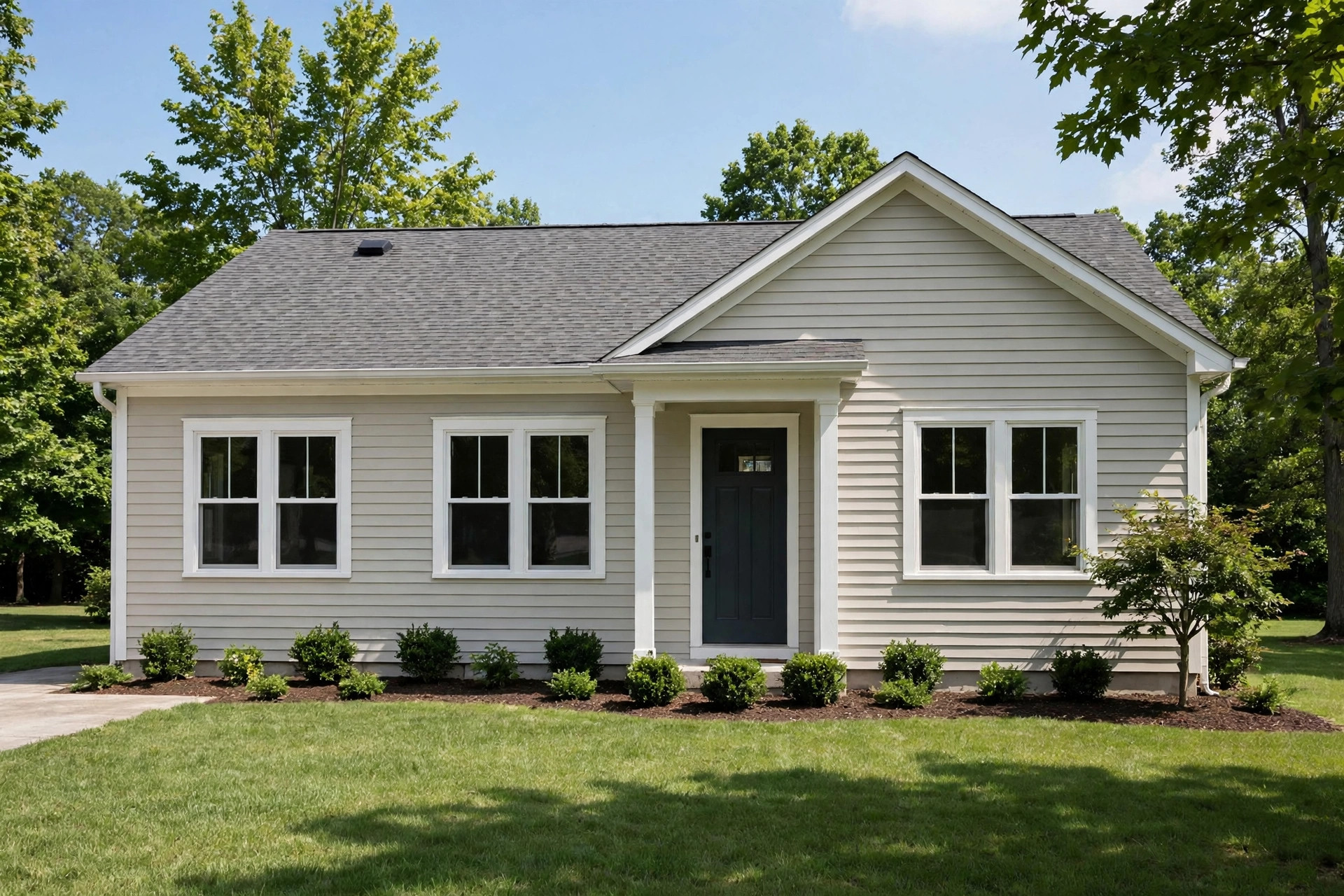
A home with faded, chalky siding looks tired. A buyer notices it from the street. Fresh paint gives the house a clean, cared-for look. Real estate agents say that curb appeal shapes the first impression before a buyer ever steps inside. A painted aluminum exterior can lift that impression for far less money than a full siding replacement.
Protection from weather and rust
Paint is more than color. It is a shield. Aluminum does not rot like wood, but the steel fasteners and trim around it can rust. Paint that is cracked or chalking lets water in. Water reaches the metal underneath and starts trouble. A proper paint job seals the surface and keeps moisture out.
Cost savings versus replacement
New siding costs many times more than a paint job. Vinyl or fiber cement replacement for a typical home can run well into five figures. Painting costs a fraction of that. If the siding itself is still sound, with no major dents or rot behind it, painting is the smart middle path. Many owners choose painting when the siding has life left in it but the color does not.
Energy and comfort
Paint color affects heat. Dark colors absorb more sun. On a hot day, that heat moves through the wall. A light, reflective color can help a little with summer heat gain. The effect is small, but on a home with aluminum siding it is one more reason to choose a modern, high quality exterior paint.
How to Choose a Local Service
Start with local reviews and word of mouth
Ask neighbors who painted their homes in the last few years. Ask local hardware store staff. Good painting crews earn repeat work through reputation. Read online reviews and look for patterns. One bad review may mean little. A pattern of missed appointments or peeling paint means a lot.
Ask about aluminum experience
Many painters focus on wood and stucco. Aluminum is different. Ask the crew directly: how many aluminum siding jobs have you done in the last two years? What primer do you use on aluminum? How do you handle chalking? A painter who can answer these questions clearly has real experience. A painter who hesitates may be learning on your house.
Get at least three written estimates
Call three services. Have each one visit the house. Each estimate should list the prep steps, the primer, the paint brand and line, the number of coats, and the price. If one bid is far lower than the others, ask why. It may leave out the primer or the wash. Low bids that skip steps cost more later.
Check license and insurance
Rules vary by state, but a real business carries liability insurance and workers compensation. Ask for proof. A homeowner who hires an uninsured crew can be held liable if a worker is hurt on the property. This is one of the most important steps when you search for an aluminum siding painting service near me, and it takes only a few minutes.
Ask for recent references
A good crew will give you two or three recent customers you can call or drive by. Look at the work with your own eyes if you can. Drive by a house they painted two or three years ago. The paint should still look even and tight. That tells you more than any brochure.
What to Look For: Prep, Primer, and Paint
Proper washing
The first step is a full wash. Years of chalk, dirt, and mildew sit on old siding. Paint cannot bond to a dirty surface. A crew should use a pressure washer at low to medium pressure with a siding-safe cleaner. Too much pressure dents the panels. A careful wash is the foundation of the whole job.
Chalk removal
Old aluminum paint leaves a chalky residue. You can test it by wiping a dark cloth across the siding. If white powder comes off, the surface is chalking. Heavy chalk must be removed or bound with a special bonding primer. Standard paint over heavy chalk will peel. Ask your contractor how they test for and handle chalk.
Dents, caulk, and masking
Good prep includes straightening loose panels, filling small dents where needed, and recaulking gaps around windows and doors. Then comes masking: windows, trim, light fixtures, and landscaping get covered. Prep takes real time. It can be a third of the total labor. Exterior paint guides from major manufacturers stress that prep quality decides the life of the finish.
The right primer
Bare or chalking aluminum needs a primer made for metal. A bonding primer grips the metal and gives the topcoat a surface to hold. Some modern exterior paints claim to be paint and primer in one. On aluminum, most pros still prefer a separate bonding primer. Ask which product the crew plans to use and why.
The right topcoat
Use a 100 percent acrylic latex exterior paint. Acrylic flexes with the metal as it heats and cools through the seasons. Oil-based paint gets brittle and cracks. A quality acrylic line from a major maker, such as the exterior lines shown by Benjamin Moore or Behr, is the standard choice for this work. Two coats of topcoat over primer is the normal system.
Types of Aluminum Siding Painting Services
Full-service painting companies
These firms handle everything from wash to final walkthrough. They often have the most experience with metal siding. They cost more, but they carry full insurance and offer warranties. For most homeowners, this is the best fit.
Handyman and general contractors
A skilled handyman can do a good job on a small, simple home. The risk is that metal siding prep may not be their specialty. If you go this route, ask the same questions about primer and chalk handling. The answers matter more than the size of the company.
Do-it-yourself
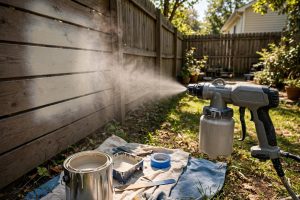
A homeowner can paint aluminum siding with a sprayer or roller. The materials cost less. The work is slow, and spray work takes practice to do evenly. Renting a sprayer adds cost. For a single-story ranch, a careful owner can get good results. For two stories, the ladder work makes a pro the safer choice.
Franchise and national brands
Some national painting franchises operate in many cities. They offer standard contracts and warranties. Quality varies by local owner. Treat them like any other bidder. Check the local office reviews, not just the national brand name.
Cost and Price
What drives the price
Size of the home is the biggest factor. A small ranch costs far less than a two-story colonial. Condition matters too. Heavy chalk, peeling paint, and lots of trim add labor. Access matters as well. Steep lots and tall walls slow the crew down.
Typical price ranges
For most single-story homes, expect a professional job to fall in the low to mid four figures. Two-story homes cost more. Prices differ by region, and rural areas often run lower than big cities. When you compare estimates, make sure each one includes the same scope of work. A cheap bid that skips the primer is not the same job as a full bid.
Getting value
The cheapest bid is rarely the best value. A job done right lasts a decade or more. A rushed job may need redoing in three years. Look at cost per year of service. Spending a bit more on quality prep and paint often cuts the long-term cost in half. Local hardware stores like Lowe’s and big-box home centers also sell the same pro-grade paints, so you can check material prices yourself.
Red flags in pricing
Watch for bids that are all verbal. Watch for a demand for full payment up front. A normal deposit is a small part of the total, with the balance due at the end. Also watch for crews that want to skip the wash to save time. That shortcut shows in the first year.
Care and Upkeep
Annual washing
Wash the siding once a year with a garden hose and a soft brush or a low-pressure washer. Dirt and mildew build up over time. Regular washing keeps the paint looking fresh and lets you spot trouble early.
Inspecting for damage
Each spring, walk around the house. Look for chips, cracks, and peeling spots. Look at the caulk around windows. Catching small problems early lets you touch up paint instead of redoing whole walls.
Touch-up paint
Keep a can of the exact paint used, with the color name and sheen written on the lid. Small chips can be touched up in minutes. Touch-ups blend best within the first few years, before the sun fades the original coat.
Landscaping clearance
Keep bushes and plants a foot or more from the siding. Plants trap moisture against the wall. Sprinklers that hit the siding every day will wear the paint fast. A small change in a sprinkler head can add years to a paint job.
Safety
Ladder safety
Two-story work means ladders. Only pros should work above the first story. If you are doing the work yourself, keep ladders on firm level ground and never reach past your shoulders. Most paint-related injuries are falls, not chemical problems.
Lead paint
Homes painted before 1978 may have lead paint under the old finish. Federal rules require lead-safe work practices on such homes. A good contractor will test for lead and follow the rules. If you plan to sand or scrape old paint yourself, test first. Home safety guides explain the basic precautions for older homes.
Ventilation and masks
Even outdoors, spray work creates fine mist. Wear a respirator rated for paint spray, not just a dust mask. Keep children and pets away from the work area while spraying. Cover plants and outdoor furniture before the crew starts.
Electrical hazards
Siding often runs near service wires, meters, and light fixtures. A pro crew knows to work carefully around these. Aluminum ladders near power lines are a serious hazard. This is one more reason to let trained crews handle the high work.
Frequently Asked Questions
Can aluminum siding be painted, or should it be replaced?
Yes, it can be painted. If the panels are straight and sound, painting gives excellent results. Replace siding only when panels are badly dented, loose, or when rot hides behind them. Painting costs much less and can last ten to fifteen years with the right prep.
How long does a painted aluminum siding job last?
A proper job with good prep, bonding primer, and two coats of quality acrylic paint lasts about ten years. Simple climates and light colors can stretch that to fifteen. Poor prep can cut the life to three years or less.
What is the best paint for aluminum siding?
Use a 100 percent acrylic latex exterior paint over a bonding primer made for metal. Major paint makers publish renovation guides that recommend this system. Ask your contractor which specific primer and paint lines they plan to use.
How much does it cost to paint aluminum siding?
Cost depends on home size, condition, and region. A typical single-story home costs in the low to mid four figures for a professional job. Two-story homes cost more. Get three written bids and compare the full scope of work, not just the price. You can also read homeowner reviews of house painting costs in your state for a local sense of the market.
Does the siding need to be sanded?
Not fully. It needs a thorough wash and spot work on rough or peeling areas. A light scuff sand on glossy or heavily chalked spots helps the primer grip. Full sanding of every panel is not needed and can damage the metal.
Can I use a dark color on aluminum siding?
You can, but dark colors absorb more heat and may fade faster. Some paint makers now offer heat-reflective formulas that let darker colors run cooler. If your home faces long afternoon sun, a medium or light color will hold its look longer. Browse home design ideas to see color choices on homes like yours.
What if I am painting inside the house too?
Interior paint is a different product from exterior paint. It does not need to stand up to sun and rain. If you are also refreshing rooms, our guide to the best paint for baby room walls usa covers safe, low-odor choices for nurseries. For outside doors, see the best paint for exterior doors fiberglass usa guide.
A Short Final Word
Finding the right aluminum siding painting service near me comes down to three things. First, hire a crew that knows aluminum. Second, insist on full prep with the right primer and acrylic paint. Third, compare written bids and check references. Do these three things, and your painted siding will look fresh for a decade or more. Skimp on any one of them, and the savings will vanish when the paint starts to peel.
Related guides on this site include best exterior house painting cost estimator usa.
References
Behr. (n.d.). Paints, primers, and stains. https://www.behr.com Benjamin Moore. (n.d.). Paints and stains. https://www.benjaminmoore.com Bob Vila. (n.d.). Home improvement advice. https://www.bobvila.com HGTV. (n.d.). Home and garden ideas. https://www.hgtv.com Lowe’s. (n.d.). Home improvement products. https://www.lowes.com Sherwin-Williams. (n.d.). Paints and coatings. https://www.sherwin-williams.com The Spruce. (n.d.). Home and garden advice. https://www.thespruce.com This Old House. (n.d.). Home renovation guidance. https://www.thisoldhouse.com
Was this guide helpful?

About David Wilson
The My Garden US editorial team writes practical, in-depth home and garden guides for American homeowners — tested advice, no fluff.