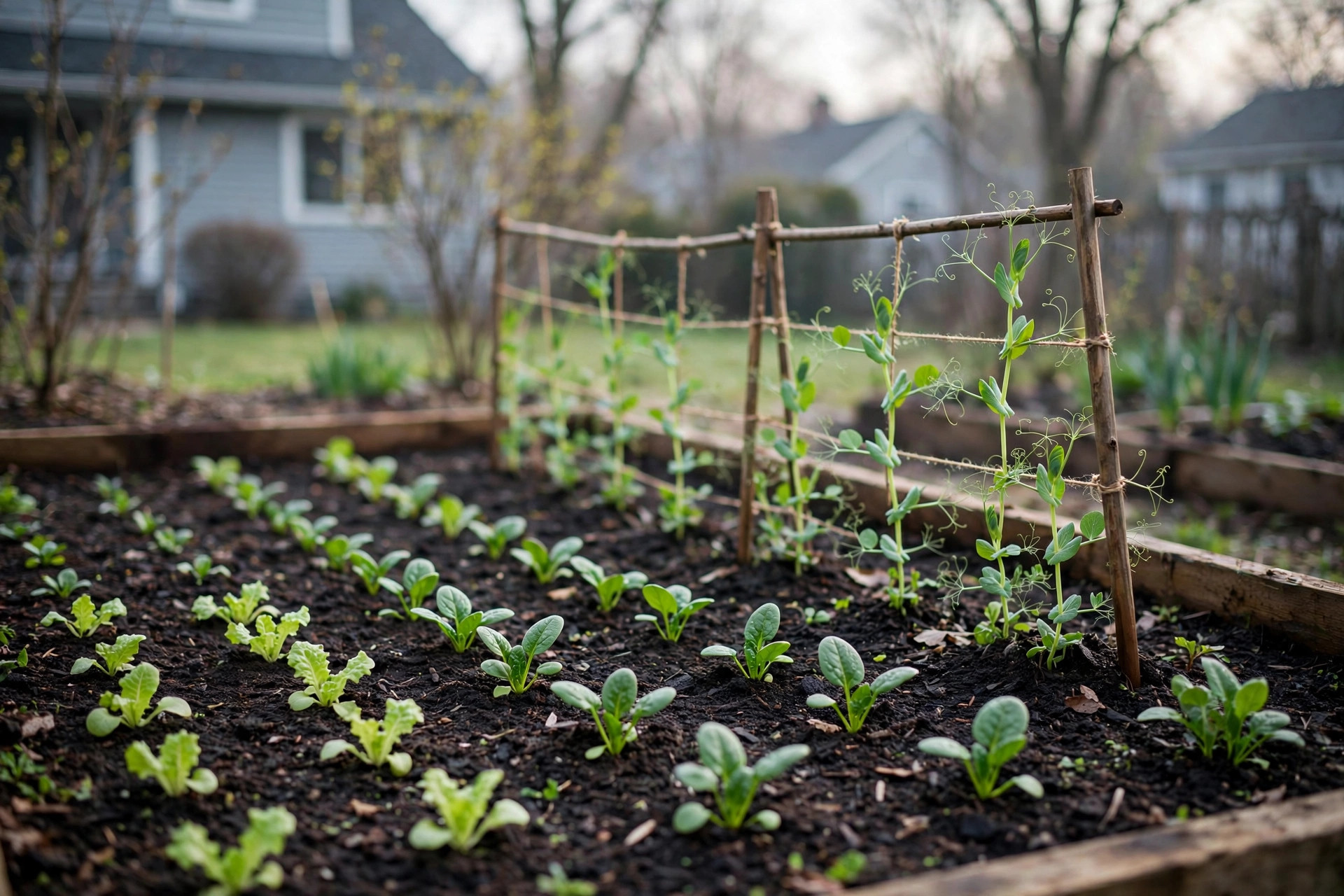
Many gardeners wait until warm weather before they plant. They lose weeks of the growing season that way. Cold hardy vegetables for spring planting let you start much earlier. These are crops that grow well in cool soil and can stand a light frost. Peas, spinach, lettuce, and onions are among the best known. This guide explains what these vegetables are, how to choose them, how to plant them, and how to care for them until harvest.
Why It Matters
Spring is short in many parts of the country. If you wait until the soil is warm, you may get only one crop before summer heat arrives. Cold hardy vegetables change that. They go into the ground while the air is still cool. They grow while the days are mild. Many of them taste better in cool weather, and some even grow sweeter after a light frost.
An early start also spreads out your work. Instead of planting everything in May, you plant cool-season crops in March or April. The garden stays busy from early spring to late fall. You get fresh food sooner, and you make full use of the land.
These crops are also forgiving. They do not need perfect soil or perfect weather. For a new gardener, they are the best place to begin. A row of peas or a patch of lettuce gives quick results and builds skill for the harder crops that come later.
How to Choose the Right Vegetables: Cold Hardy Vegetables for Spring Planting
Not every vegetable likes cold soil. The key is to pick crops that germinate in soil as cool as 40 to 45 degrees Fahrenheit and that can stand a night below freezing once they are up. Seed packets often say “sow in early spring.” That is a good sign.
Look at your last frost date. Many cold hardy vegetables for spring planting can go in four to six weeks before the last frost. Some, like peas and spinach, can go in even earlier. The Old Farmer’s Almanac publishes frost date charts and planting tables that help you set your dates. A soil thermometer from a garden supply store lets you check the soil before you sow. This small step prevents more failures than any other.
Think about what your family will eat. It is easy to plant too much of one crop. Plant a mix. Quick crops like radishes and lettuce give you food in weeks. Slower crops like carrots and onions carry the garden into summer. If you are new to starting seeds indoors, read our guide on how to start seeds indoors guide before you begin.
Also think about your space. Some cold hardy vegetables, like cabbage and broccoli, need room to spread. Others, like spinach and green onions, grow in tight rows. A small bed can still hold a lot if you plan it well.
What to Look for on the Seed Packet
Seed packets carry the facts you need. Check the days to maturity. For a short spring, choose types that mature in under 60 days. Check the planting depth and spacing. Small seeds need a shallow covering. Large seeds, like peas, go deeper. Check whether the packet says the crop is bolt-resistant. That means it will not go to seed too fast when warm weather comes.
Types and Options
Cold hardy vegetables fall into a few groups. Each group has its own habits.
Leafy Greens
Lettuce, spinach, arugula, and Swiss chard lead this group. They grow fast in cool weather. Sow the seed directly in the bed as soon as the soil can be worked. Thin the seedlings so each plant has room. Leafy greens cut at the outer leaves will keep making new growth for weeks. Spinach is the toughest of all. It can survive a hard frost and keep growing.
Peas and Broad Beans
Peas are the classic early crop. They germinate in cold soil and climb as the days warm. Bush peas need no support. Climbing peas need a trellis or fence. Broad beans, also called fava beans, are another strong choice for cold spring soil. Both crops add nitrogen to the soil, which helps whatever you plant after them.
Root Crops
Carrots, beets, radishes, and turnips grow their edible part below the ground. They like loose soil with no stones. Radishes are the fastest vegetable of all. Some types are ready in three weeks. Carrots take longer, but they store well and taste sweet from cool soil. Sow root crops where they will grow. They do not transplant well.
Brassicas
Cabbage, broccoli, cauliflower, kale, and Brussels sprouts belong to the cabbage family. Most do best started indoors and set out as seedlings. They stand light frost well once they are hardened. Kale is the hardiest of all and can be picked through winter in many regions. For help moving young plants outside, see our guide on how to transplant seedlings outdoors safely.
Onions and Garlic
Onion sets and garlic cloves go into cool soil early. They grow slowly at first, then put on size as days lengthen. Garlic is often planted in fall, but spring-planted garlic still makes a crop if it gets enough cold weeks. Green onions from seed are one of the easiest crops a beginner can grow.
Herbs That Take the Cold
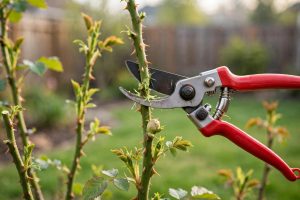
Parsley, cilantro, and dill all grow in cool spring weather. Cilantro in particular bolts fast in heat, so an early spring sowing gives the best leaves. A sharp harvesting tool from a trusted maker makes cutting herbs clean and easy.
Cost and Price
Cold hardy vegetables are among the cheapest crops to grow. A packet of seeds costs only a few dollars and holds enough seed for several rows. Onion sets and seed potatoes cost a bit more but still far less than the food they produce.
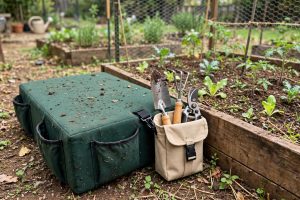
The tools you need are simple. A hand trowel, a rake, and a watering can cover most of the work. A garden trowel from a hardware retailer will last for years if you clean it after use. Row cover fabric is the one extra worth buying. It is a light cloth that protects young plants from frost and pests. It costs little and can be reused for several seasons.
If you want to start seeds indoors, a basic tray and a bag of seed starting mix are enough. You do not need grow lights for most cool-season crops. A sunny window works fine because the seedlings only stay inside for a few weeks.
Compared with summer crops, cold hardy vegetables also save on water. Spring rain does much of the watering for you. That keeps the cost of the garden low.
Care and Upkeep
Cool-season crops need steady care, but the work is light.
Watering
Spring soil is often wet at planting time. Water only when the top inch of soil feels dry. Too much water rots seeds before they sprout. Once plants are up, a deep watering once or twice a week is enough. Mulch around the plants holds moisture and keeps the soil cool. This matters because warm soil makes some cool-season crops bolt.
Feeding
Most cold hardy vegetables grow well in soil improved with compost. Mix compost into the bed before planting. Heavy feeders like cabbage and broccoli may need a side dressing of balanced fertilizer halfway through their growth. Follow the label rates. More is not better. Too much nitrogen gives leafy tops and poor roots.
Thinning and Weeding
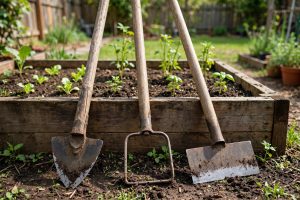
Sow seed a little thick, then thin to the spacing on the packet. Crowded plants stay small and get sick. Weeds grow in cool weather too. Pull them while they are small. A hoe used on a dry day does the job fast. Corona Tools and other makers sell hoes sized for close rows.
Protecting From Frost
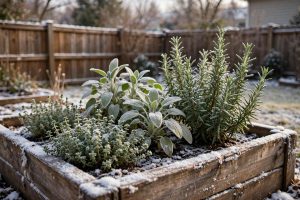
A light frost will not hurt most of these crops. A hard freeze can. Watch the forecast. When a hard freeze is coming, cover the bed with row cover fabric or old bedsheets. Remove the cover in the morning so the plants get light. Water the soil before a cold night. Wet soil holds heat better than dry soil.
Hardening Off Seedlings
Plants started indoors must get used to the outside before they go in the ground. Set them out for a few hours a day, then bring them in. Add more time each day for a week. Our full guide on how to harden off seedlings before planting walks through the whole process. Skipping this step is the most common cause of transplant shock.
Pest Watch
Cool weather brings its own pests. Flea beetles chew small holes in the leaves of young brassicas. Row covers block them. Slugs feed at night in damp spring beds. Check under boards or mulch in the morning. Cutworms can fell a seedling overnight. A small collar of cardboard around each stem stops them. Gardening Know How has photo guides that help you name the pest before you act.
Safety
Gardening is safe work, but a few rules keep it that way.
Wear gloves when you handle soil, compost, and manure. Soil can carry bacteria that enter through cuts. Wash your hands when you come inside. Wash all produce before you eat it, even from your own bed.
Read every label. Fertilizers, pest sprays, and treated seeds all carry directions for a reason. Keep them away from children and pets. Store them in a locked shed or a high shelf. Never mix products unless the label says you can.
Work in the cool of the day. Spring sun can still burn. Wear a hat and use sunscreen on bright days. Lift bags of soil and compost with your knees, not your back. Keep tools clean and sharp. A dull tool slips and causes cuts. Family Handyman publishes tool care guides that extend the life of every garden tool you own.
If you use treated lumber for raised beds, line the inside with plastic or use untreated wood instead. Chemicals in old treated wood can leach into soil. Newer treated lumber is safer, but many gardeners still prefer cedar or stone.
Frequently Asked Questions
When should I plant cold hardy vegetables in spring?
Most can go in four to six weeks before your last expected frost. Peas and spinach can go in even earlier, as soon as the soil can be worked. Check your local frost dates and soil temperature before you sow. A soil temperature of 40 degrees or higher is enough for most of these crops.
Can cold hardy vegetables survive a frost?
Yes, most of them can. Lettuce, spinach, peas, and onions stand a light frost with no damage. Kale and Brussels sprouts can stand a hard frost and taste sweeter after it. A hard freeze below 28 degrees can still hurt young seedlings, so cover them on the coldest nights.
Do I need to start these vegetables indoors?
Most can be sown directly in the bed. Brassicas like cabbage and broccoli do better started indoors and set out as seedlings. Direct sowing is simpler and works well for peas, spinach, lettuce, carrots, beets, and radishes. The Spruce offers sowing calendars that show which method suits each crop.
How do I know if my soil is ready?
Pick up a handful of soil and squeeze it. If it forms a ball that crumbles when you poke it, it is ready. If it stays in a wet lump, wait a few days. Working wet soil ruins its structure. A soil test kit reviewed by a testing lab can also tell you about pH and nutrients.
What is the easiest cold hardy vegetable for a beginner?
Radishes. They sprout in days and are ready to eat in about three weeks. Lettuce and peas are close behind. All three need little care and give fast results, which makes them perfect for a first spring garden.
Can I grow cold hardy vegetables in containers?
Yes. Lettuce, spinach, radishes, and green onions all grow well in pots and window boxes. Use a container at least six inches deep with drainage holes. Fill it with potting mix, not garden soil. Containers dry out faster than beds, so check the water daily.
A Short Final Word
Cold hardy vegetables for spring planting reward the gardener who starts early. They ask for little: cool soil, a little compost, and steady water. In return they give the first fresh food of the year and a garden that is busy months before summer crops go in. Pick a few crops, watch the frost dates, and get the seed in the ground. The spring garden will do the rest.
References
Consumer Reports. (n.d.). Product reviews and ratings. https://www.consumerreports.org Corona Tools. (n.d.). Garden and landscape tools. https://www.corona-tools.com Family Handyman. (n.d.). DIY home repair and maintenance. https://www.familyhandyman.com Fiskars. (n.d.). Garden and cutting tools. https://www.fiskars.com Gardener’s Supply Company. (n.d.). Gardening tools and supplies. https://www.gardeners.com Gardening Know How. (n.d.). Gardening guides and plant care. https://www.gardeningknowhow.com Lowe’s. (n.d.). Home improvement products. https://www.lowes.com The Home Depot. (n.d.). Home improvement products. https://www.homedepot.com The Old Farmer’s Almanac. (n.d.). Gardening calendars and advice. https://www.almanac.com The Spruce. (n.d.). Home and garden advice. https://www.thespruce.com
Was this guide helpful?

About Lisa Anderson
The My Garden US editorial team writes practical, in-depth home and garden guides for American homeowners — tested advice, no fluff.