
Introduction
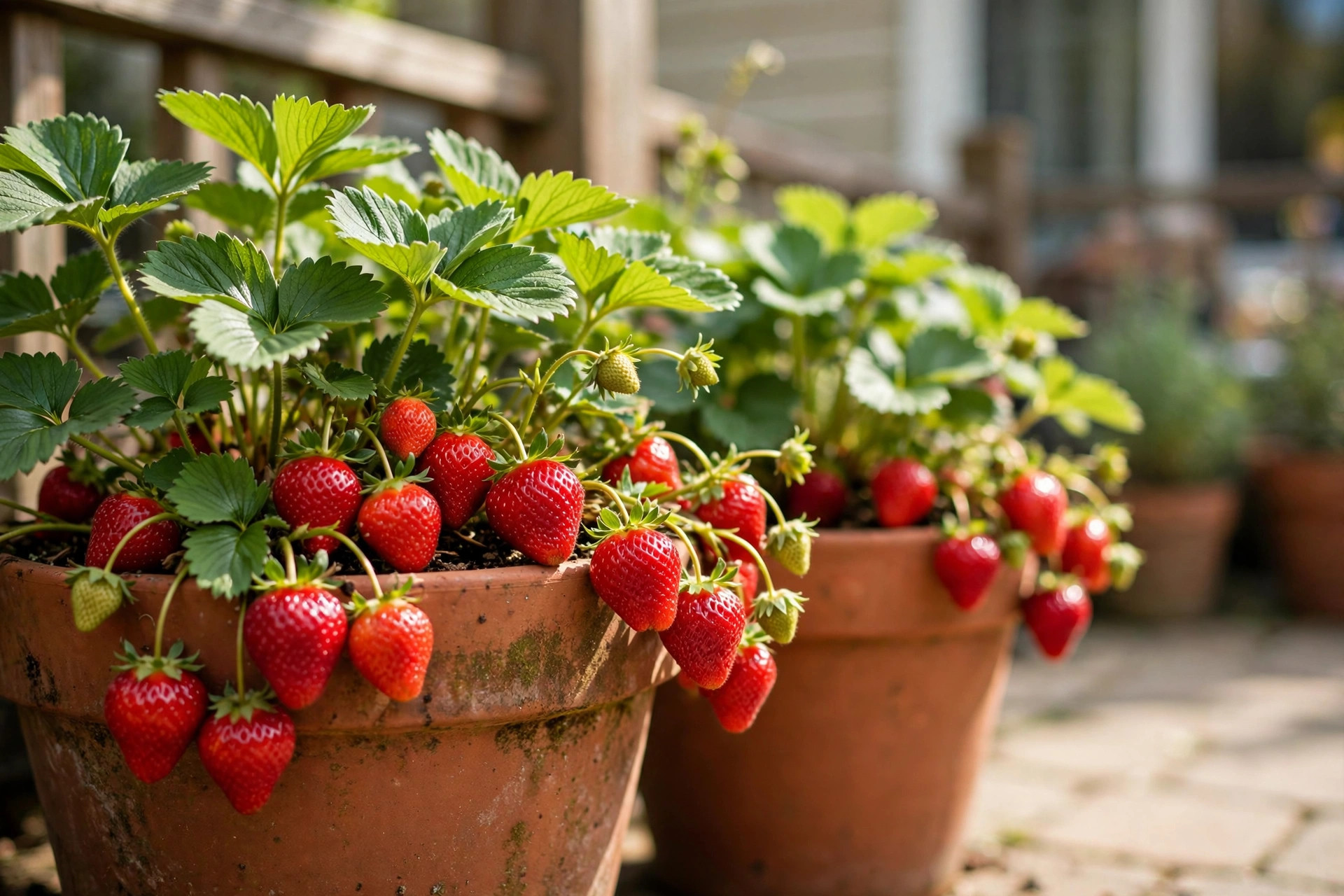
Learning how to grow strawberries in containers is one of the best ways to start a home garden. Strawberries are sweet, easy to grow, and they do well in pots. You do not need a large yard. A small patio, a balcony, or a sunny doorstep will do. This guide will teach you the whole process in plain terms. You will learn which plants to buy, which pots to use, how to plant, how to water, and how to keep the plants healthy through the season. By the end of the first summer, you can pick red, ripe berries from your own containers.
Why Growing Strawberries in Containers Works: How to Grow Strawberries in Containers
Strawberries have shallow roots. They do not need deep soil like tomatoes or corn. A pot that is six to eight inches deep gives them all the room they need. That makes growing strawberries in pots a natural fit.
Containers also give you control. You control the soil, the water, and the light. Garden soil can be full of weeds and pests. Potting mix is clean and fresh. You can move the pots to chase the sun. You can move them into the shade on a hot day. You can bring them close to the house at night when a late frost threatens.
Container strawberry plants also face fewer soil diseases. Many diseases live in garden soil for years. Fresh mix avoids that problem. Birds and slugs are easier to keep off a raised pot than a low bed. And harvest is simple. The berries hang over the edge of the pot, clean and easy to reach.
What to Look for When You Start
Light
Strawberries need six to eight hours of direct sun each day. Watch your patio or balcony before you plant. Note where the sun falls in the morning and where it falls in the afternoon. A south-facing spot is best in most of the country. If you only have five hours of sun, try an everbearing type. It will still make fruit, just less of it.
Plants
Buy healthy plants from a trusted garden center or nursery. Look for green leaves with no brown spots. The crown should be firm. Avoid plants with yellow leaves or mold. Bare-root plants are common in spring and cost less. Potted plants cost more but are easier for beginners. A good pruning tool will help you trim dead leaves and runners later in the season.
Types of Strawberry Plants for Pots
There are three main types of strawberries. Each one grows well in a container, but they fruit in different ways.
June-Bearing
June-bearing plants make one large crop in late spring or early summer. The berries are big and sweet. They are a good choice if you want a lot of fruit at once for jam or freezing. After harvest, the plants rest for the year. Pick off the first flowers in year one to build strong roots.
Everbearing
Everbearing plants make two crops. One comes in early summer and one comes in early fall. The berries are medium in size. This type suits a family that wants fresh berries more than once a year.
Day-Neutral
Day-neutral plants make fruit all through the growing season, from spring to fall. The berries are smaller but steady. For containers, day-neutral types are often the best choice. You will pick a handful of berries every week for months. Good advice on plant choice can be found at Burpee, which sells many container-friendly varieties.
The Best Containers and Soil
Any pot with drainage holes will work. Clay pots look nice and let the soil breathe. Plastic pots hold water longer, which helps on hot days. Wooden boxes and half barrels work well for several plants. Hanging baskets also work for small varieties. Whatever you use, make sure water can drain out. Wet roots will rot.
Size matters. Use a pot that is at least twelve inches wide for one to three plants. A five-gallon bucket can hold three to four plants. Give each plant about six to eight inches of space. Crowded plants grow weak and make small fruit.
Do not fill pots with garden soil. It is too heavy and packs down hard. Use a good potting mix made for containers. A mix with peat moss or coconut coir holds water but still drains. You can find fine potting mixes at most home stores. Add a handful of compost to the mix for extra food. Container strawberry plants care starts with good soil, so do not skip this step.
Planting Step by Step
Plant in early spring, after the last hard frost. Fill the pot with mix, leaving two inches of space at the top. Make a small mound in the center. Set the plant on the mound and spread the roots down the sides.
The most important rule is crown depth. The crown is the thick part where the leaves meet the roots. It must sit right at the soil surface. If you bury it, the plant will rot. If you leave it too high, the roots will dry out. Plant it level with the mix and firm the soil gently around it.
Water the pot well after planting. The mix should be damp but not soggy. If you plant more than one berry in a pot, space them evenly. For tall pots, plant around the sides so the berries can hang down. Give new plants a light shade on the first hot afternoon so they do not wilt. Remove any flowers that appear in the first three weeks. This forces the plant to grow roots instead of fruit, and strong roots mean a bigger crop later. Advice on planting depth and spacing appears in many garden guides.
Cost and Price
Growing strawberries in containers is cheap. Bare-root plants often cost one to three dollars each. Potted plants cost three to six dollars each. A large plastic pot may cost five to fifteen dollars. Clay pots cost a bit more. A bag of potting mix costs eight to fifteen dollars and fills several pots. A small bag of berry fertilizer costs under ten dollars.
A set of three pots with plants and soil can cost thirty to fifty dollars in total. That sounds like much, but one healthy plant can make a pound of fruit in a season. Store berries cost three to five dollars a pound. Your pots pay for themselves in one or two years, and the plants come back each spring.
Care and Upkeep
Water
Containers dry out fast. Check the soil every day in summer. Push your finger one inch into the mix. If it feels dry, water. Water slowly until it runs from the drainage holes. Morning is the best time to water. Wet leaves at night invite disease. In hot weather you may need to water twice a day. Mulch the top of the pot with straw or bark to hold moisture.
Feed
Strawberries are hungry plants. Feed them with a balanced fertilizer made for berries or vegetables. Start feeding three to four weeks after planting. Follow the label rates. Too much food burns the roots. Too little food gives pale leaves and small fruit. Stop feeding in late summer so the plants can harden for winter.
Runners and Leaves
Strawberry plants send out runners. These are long stems that try to make new plants. In a pot, runners steal strength from fruit. Cut them off as they appear. Use clean shears for the job, and keep tools like your shears and pruners sharp with gear from Corona Tools. Also pull off dead or yellow leaves. Clean plants stay healthy and make better berries. If you kneel often to tend low pots, a thick garden kneeling pad will save your knees.
Winter Care
Strawberry plants are hardy, but roots in pots can freeze. In cold zones, move the pots into an unheated garage or shed for winter. Water them once a month so the roots do not dry out. In mild zones, leave the pots outside and add extra mulch. A two-inch layer of straw over the crowns keeps the cold wind off. The plants will sleep and wake up in spring. Check the pots once in mid-winter. If the mix is bone dry, give a small drink of water. Frozen roots can survive, but dry roots often die. Come March, trim off dead leaves and the plants will green up fast.
Safety for Plants and People
Strawberries are safe to eat, but a few safety points matter. Wash all berries before you eat them. Birds and insects may visit the plants. Keep pets from chewing the leaves in large amounts.
For the plants, watch for gray mold on the fruit. Pick off moldy berries at once so the mold does not spread. Do not plant strawberries where tomatoes or peppers grew last year if you move them to beds. Those crops share soil diseases.
Work safely in the garden. Wear gloves when you handle mix and fertilizer. Keep fertilizer away from children and pets. Store sharp tools in a garden tool belt so you are not reaching into a pile of blades. Tidy work habits prevent most small injuries, and broader home and garden safety tips are covered by Consumer Reports.
Frequently Asked Questions
How many strawberry plants do I need per pot?
Plant one to three plants in a twelve-inch pot. Use three to four plants in a five-gallon container. Give each plant six to eight inches of space. Crowded pots make small fruit.
How long do container strawberries live?
Strawberry plants live three to five years, but they fruit best in the first two to three years. After that, yields drop. Many gardeners start new pots every two years and compost the old plants.
Can I grow strawberries indoors?
You can, but it is hard. Strawberries need strong light. A sunny south window may not be enough in winter. Grow lights help. Many people find it easier to grow leafy greens inside and keep berries on the patio. If you want to try indoor crops, read about growing lettuce indoors in winter to learn how indoor light works.
Why are my strawberries small?
Small fruit often means too little water, too little food, or too many plants in one pot. Old plants also make small berries. Check your watering first. Then feed the plants. If they are three years old or more, start fresh plants.
Do strawberries need bees to make fruit?
Strawberries can set fruit without bees, but bees help. They make the berries larger and better shaped. On a balcony, you can hand-pollinate by brushing each flower gently with a soft paintbrush.
What is the best soil for strawberries in pots?
The best soil for strawberries in pots is a light, rich potting mix with good drainage. Look for a mix made for containers with peat or coir. Add compost for food. Never use heavy garden soil in pots. More on soil and container choice can be found at The Spruce and Bob Vila, and step-by-step project help is on Family Handyman. Big-box garden centers like Lowe’s stock mixes, pots, and plants in one trip.
A Final Word
Now you know how to grow strawberries in containers from start to finish. Pick a sunny spot. Choose a good pot and fresh mix. Plant at the right depth. Water and feed through the season. Cut the runners. In a few short months, you will taste berries that no store can match. They will be warm from the sun and sweet to the core. Start with three pots this spring, and you will wonder why you waited so long.
References
Bob Vila. (n.d.). Home improvement advice. https://www.bobvila.com Burpee. (n.d.). Seeds, plants, and gardening supplies. https://www.burpee.com Consumer Reports. (n.d.). Product reviews and ratings. https://www.consumerreports.org Corona Tools. (n.d.). Garden and landscape tools. https://www.corona-tools.com Family Handyman. (n.d.). DIY home repair and maintenance. https://www.familyhandyman.com Fiskars. (n.d.). Garden and cutting tools. https://www.fiskars.com Gardener’s Supply Company. (n.d.). Gardening tools and supplies. https://www.gardeners.com Lowe’s. (n.d.). Home improvement products. https://www.lowes.com The Home Depot. (n.d.). Home improvement products. https://www.homedepot.com The Spruce. (n.d.). Home and garden advice. https://www.thespruce.com
Was this guide helpful?

About Emily Rodriguez
The My Garden US editorial team writes practical, in-depth home and garden guides for American homeowners — tested advice, no fluff.
You May Also Like
Seed Starting Mistakes to Avoid Guide
August 26, 2026 0 views
Best Garden Gloves for Sensitive Skin: How to Choose the Right Pair
May 7, 2026 0 views
Drip Irrigation Winterization Steps for Garden: A Complete Guide
July 3, 2026 0 views