
Many people want the best pool for exercise lap swimming at home. A gym membership is costly. The drive takes time. A pool in the yard changes the habit. The workout is steps from the door. This guide explains what matters when you pick a pool for exercise.
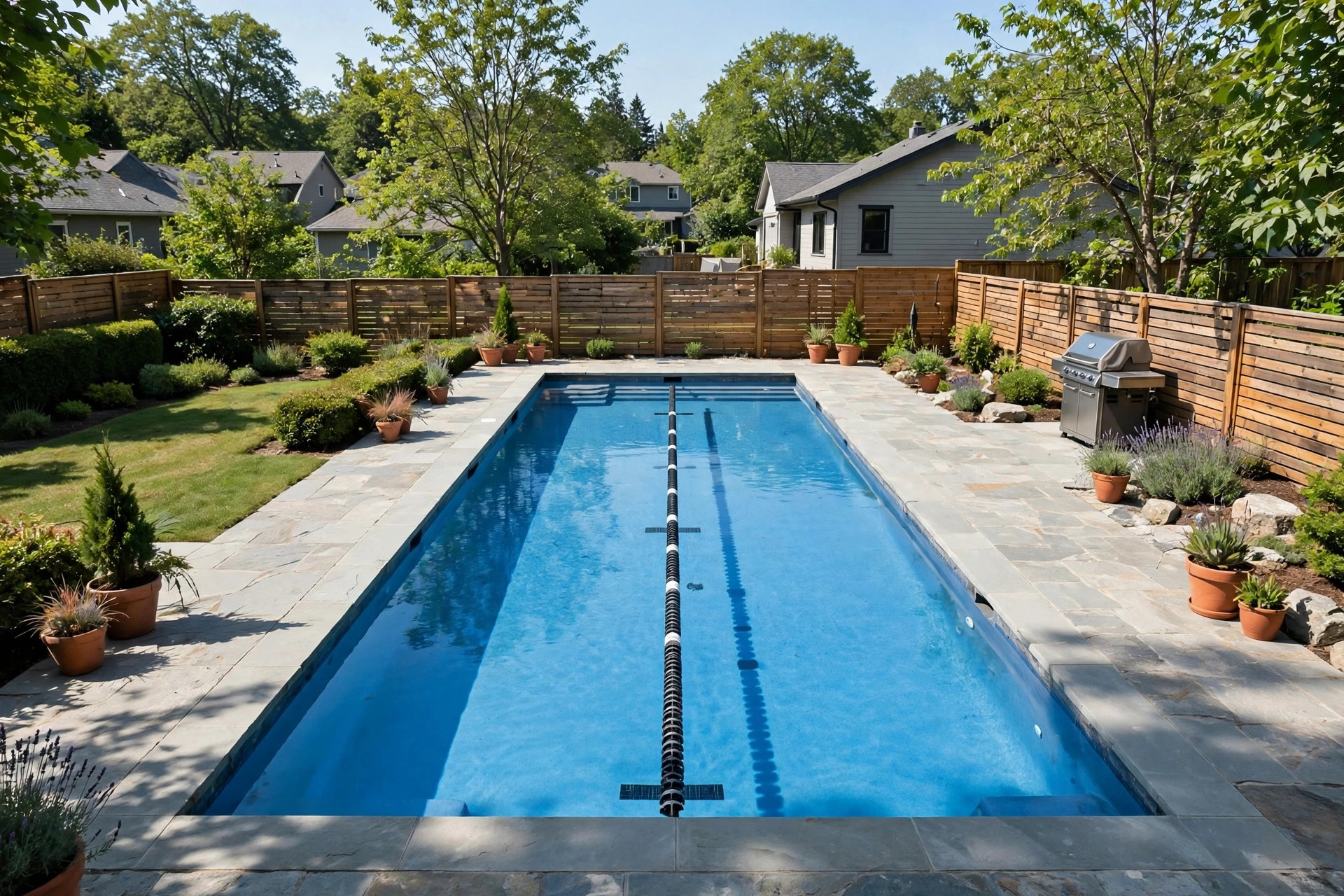
Lap swimming is one of the best forms of exercise. It works the heart, lungs, arms, and legs. It is gentle on the joints. Older swimmers and injured athletes use it for this reason. A home pool makes the routine easy to keep. The key is the right shape and length. A round party pool is not the best pool for exercise lap swimming. A long, narrow pool is.
Why a Lap Pool Is Worth the Effort
A dedicated swim pool removes the main excuse people give. They say they have no time. With a pool at home, there is no drive and no schedule. A thirty minute swim fits into a busy day. Morning, lunch, or night, the water is there.
Exercise in water also suits more bodies than most sports. Running pounds the knees. Lifting strains the back. Swimming holds the body up while it works. Doctors have long praised it as a full body workout with low risk of injury. A home lap pool turns that advice into a daily habit.
The value goes beyond fitness. A well built pool adds worth to a home. Buyers in warm states often seek one. And a lap pool is simple to design. It asks for a straight lane of water, not a fancy resort shape. That simplicity can save money next to a large freeform pool.
What to Look For When You Choose: Best Pool for Exercise Lap Swimming
Shopping for the best pool for exercise lap swimming takes a short list of facts. Keep these points in mind before you talk to a builder or buy a unit.
Length of the Lane
Length matters most. A serious swimmer wants at least 40 feet of straight lane. Fifty feet is better. Short pools of 30 feet can work for drills and water jogging. But turns come too fast for a smooth rhythm. If you plan real laps, go as long as your yard and budget allow.
Width and Depth
A single swim lane needs about 8 to 10 feet of width. Two swimmers side by side need 16 feet or more. Depth should be at least 4 feet through the swim lane. A flat bottom is best. It gives a steady push off the wall and a level stroke. Slopes and deep ends help divers, not lap swimmers.
Water Current and Clean Lines
The lane should be straight with clean edges. Curves break the stroke. Steps and benches should sit at the ends, not along the swim path. Some owners add a lane line. It marks the middle and helps the swimmer hold a straight line. A calm surface is fine. You do not need waves for lap work.
Water Type
Chlorine and salt systems both work for an exercise pool. A salt system feels softer on skin and eyes. It needs a salt water pool conversion cost guide if you plan to switch later. Either choice keeps the water clear. Pick the one you can keep up with. Careless water makes for a poor workout.
Equipment and Flow
Strong, steady filtration keeps the water clear for daily use. The best pool pump for inground pools saves energy and moves water well. A variable speed pump runs low for most of the day. It cuts power bills. That matters when the pool runs every day of the year.
Types and Options
Several pool types serve lap swimmers. Each has a cost and a trade off. Learn them before you decide.
Inground Lap Pools
The classic choice is a poured or fiberglass inground lap pool. It is long, narrow, and permanent. Concrete pools can be built to any length. Fiberglass shells come in set sizes and install fast. Vinyl liner pools cost less but need liner care. An inground pool for exercise gives the best swim feel. It also adds the most value to the home. Builders like those found through Home Depot can quote local costs.
Swim Spas
A swim spa is a small tank with a strong jet. You swim in place against the current. It fits in a small yard or on a patio. It heats like a spa, so year round use is easy in cold states. The swim feel is different from open water. Some swimmers love it. Others miss the push off the wall. Brands such as Bullfrog Spas and Hot Spring Spas sell swim spa models worth a test swim before you buy.
Endless and Current Pools
Modular current pools sit between a spa and a full pool. A pump drives a smooth current in a compact tank. They need less space than a lap pool and less power than a big spa. They suit smaller yards and garages. The lane is short, so the workout is all stroke and no turns. It is a fair choice for steady cardio.
Long Above Ground Options
Long above ground pools can serve budget swimmers. Some rectangular models reach 30 feet or more. They cost far less than inground work. They need level ground and strong support. The walls flex more than concrete. For a light workout and water walking, they do the job. For serious training, most swimmers outgrow them.
Indoor Swim Rooms
A few owners build the pool indoors. A pool house or large garage holds a small lap pool or current unit. Heat and humidity gear are a must. The build costs more. But the swim season never ends. Cold climate swimmers who train year round should weigh this option.
Cost and Price
Price is the hard part of this guide. Costs move with state, soil, and access. Still, ranges help.
An inground concrete lap pool often runs from 60,000 to 120,000 dollars in the United States. A fiberglass shell can run 45,000 to 85,000 dollars installed. Vinyl liner lap pools may start near 35,000 dollars. Long shapes with simple tile work cost less per foot than freeform pools with rock work.
A swim spa or current pool often costs 20,000 to 45,000 dollars for the unit. Add a pad, wiring, and a cover. Yearly power for heating runs a few hundred to over a thousand dollars. That depends on climate and use.
Long above ground pools cost the least. A large rectangular set may run 3,000 to 8,000 dollars with gear. It will not last as long as an inground pool. But it proves the habit before a big build.
Plan for yearly upkeep as well. Chemicals, power, and small repairs often run 1,500 to 3,500 dollars a year for an inground pool. A swim spa costs less to heat but more per gallon to run. A simple lap pool with a good cover and a strong pump sits at the low end of these ranges.
Get three quotes. Ask each builder for a cost per foot and a list of gear. Compare pumps, filters, and heaters line by line. The cheapest quote often leaves out key items.
Care and Upkeep
A pool for exercise needs steady care. Daily swimmers notice dirty water fast. The good news is that a simple lap pool is easy to keep.
Daily and Weekly Tasks
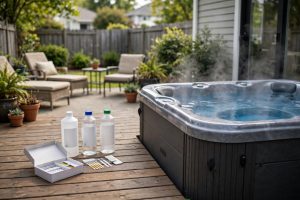
Skim the surface each day. Run the pump and filter for the hours your builder sets. Test the water two or three times a week. A swimmer who uses the pool daily should test more often. Guides such as Swim University explain test kits in plain terms.
Water Balance
Keep pH, chlorine, and alkalinity in range. Learn how to balance pool water chemistry before problems start. Balanced water protects skin and eyes. It also protects the pump and heater. Out of range water eats at metal and plaster. A small test kit costs little and saves much.
Cleaning Gear
A robotic cleaner or a good suction cleaner cuts the work. Retailers such as Leslie’s Pool Supplies and Pool Warehouse stock brushes, nets, and cleaners for home pools. Brush the walls once a week. Algae starts on still walls. A lap pool has long walls, so brush with a plan.
Seasonal Work
In cold states, close the pool for winter. Blow out the lines. Cover it well. In warm states, cut back run time in winter but keep testing. Year round care is cheaper than a spring repair.
Safety
No guide to the best pool for exercise lap swimming is complete without safety. Most home pool harm can be stopped with a few firm rules.
Install a fence with a self closing gate. The fence should stand at least four feet high on all sides. Alarms on doors that lead to the pool add a second guard. The Consumer Product Safety Commission publishes clear pool safety steps for home owners.
Never swim alone if you can help it. A lone swimmer who cramps or faints has no aid. Keep a phone poolside. Learn CPR. Store chemicals locked away from children. Add them to water, never the reverse. Read each label first.
A pool cover is not a safety device unless it is rated as one. If you want a cover for safety, buy one made for that job. Anchor it as the maker directs.
Swim exercise is safe for most adults. Still, talk with your doctor before you start. This is sound advice for any new workout plan.
FAQ
How long should a lap pool be for exercise?
Aim for 40 to 50 feet of straight lane. Thirty feet works for drills, water jogging, and short sets. Serious swimmers prefer 50 feet or more. The longer the lane, the smoother the workout.
Is a swim spa as good as a lap pool for exercise?
It depends on the swimmer. A swim spa gives steady cardio in a small space. It heats well for winter use. A true lap pool gives open water turns and a natural stroke. Try a swim spa before you buy. Many dealers offer a wet test.
What is the cheapest pool for exercise lap swimming?
A long above ground rectangular pool is the cheapest start. A current pool or swim spa costs more but needs less yard. An inground lap pool costs the most but lasts longest and adds home value. Pick the one that fits your yard, budget, and goals.
Salt water or chlorine for a lap pool?
Both keep water safe. Salt systems feel softer and need less daily dosing. Chlorine costs less to set up. Either one works for daily exercise. Pick the system you will care for well. Sloppy care ruins both.
How deep should an exercise lap pool be?
Four to five feet of steady depth suits most swimmers. A flat bottom beats a slope for lap work. Deeper water adds cost with little gain for swimmers. Very deep pools suit divers, not lap sets.
Can I swim laps in winter?
Yes, with heat. A heated inground pool or a swim spa works year round. An indoor pool room is the surest answer in cold states. Heat costs add up. Plan for them in the budget.
A Short Final Word
The best pool for exercise lap swimming is the one you will use. A long lane, clean water, and a safe yard matter more than a fancy design. Measure your space. Set your budget. Get quotes. Then swim. The habit you build in your own water is the real prize. For more pool and home ideas, browse guides at The Spruce before you break ground.
References
Bullfrog Spas. (n.d.). Hot tubs and spas. https://www.bullfrogspas.com Hot Spring Spas. (n.d.). Hot tubs and spas. https://www.hotspring.com Leslie’s Pool Supplies. (n.d.). Pool supplies and equipment. https://www.lesliespool.com Pool Warehouse. (n.d.). Pool equipment and supplies. https://www.poolwarehouse.com Swim University. (n.d.). Pool and hot tub care guides. https://www.swimuniversity.com The Home Depot. (n.d.). Home improvement products. https://www.homedepot.com The Spruce. (n.d.). Home and garden advice. https://www.thespruce.com U.S. Consumer Product Safety Commission. (n.d.). Product safety information. https://www.cpsc.gov
Was this guide helpful?

About Lisa Anderson
The My Garden US editorial team writes practical, in-depth home and garden guides for American homeowners — tested advice, no fluff.
You May Also Like
Best Hot Tub Cover Lifter Reviews: A Plain Guide for Spa Owners
February 16, 2026 0 views
Best Pool for Small Yards Ideas: Smart Plans for a Tiny Backyard
October 4, 2026 0 views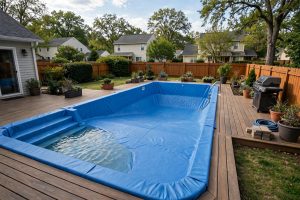
Pool Liner Replacement Cost Estimate: What You Will Really Pay
May 18, 2026 0 views