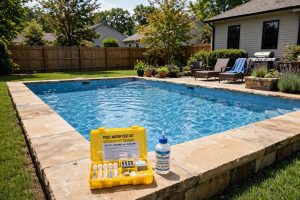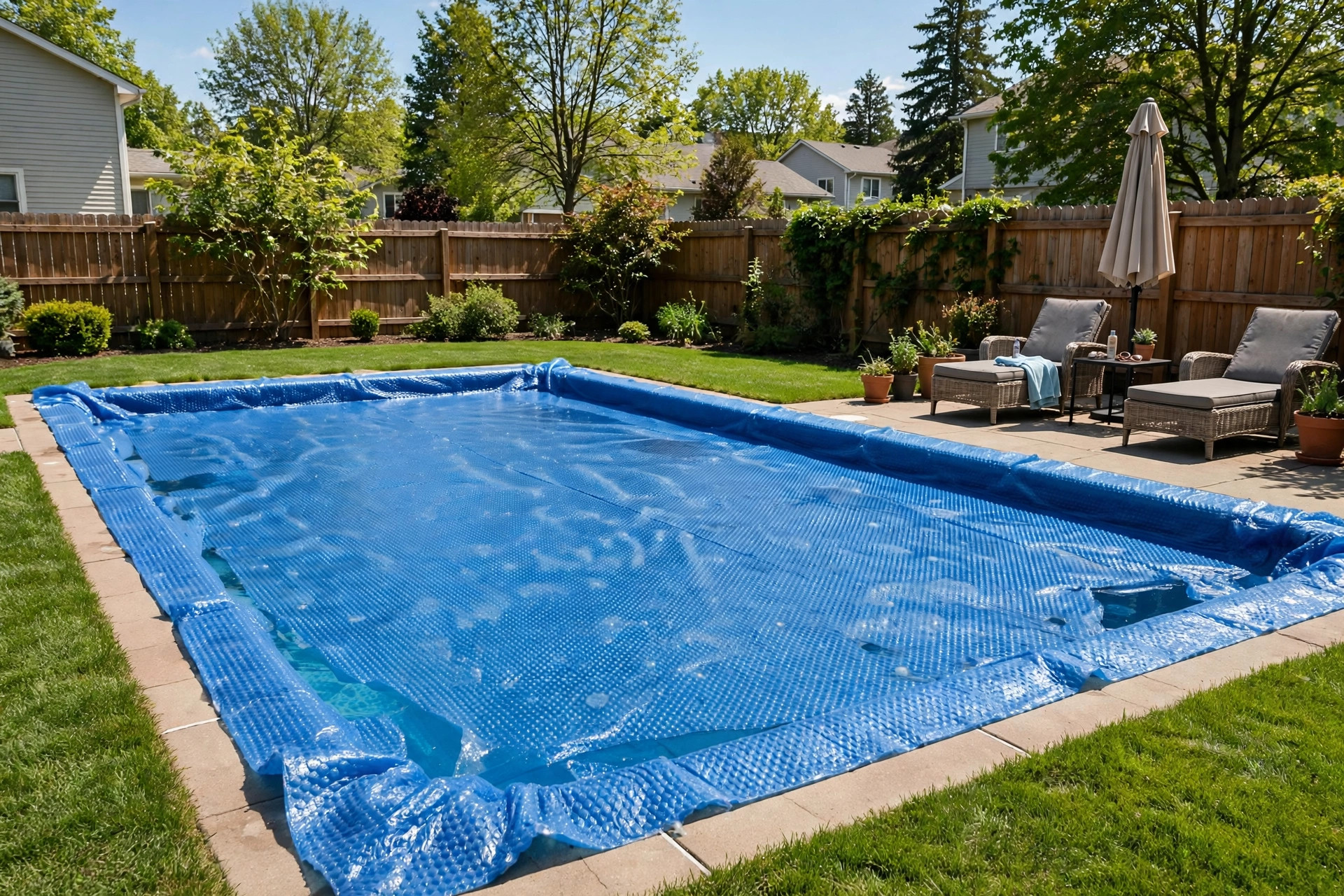

A pool can lose a great deal of water each week, and the owner may never see where it goes. The answer is simple: the water rises into the air. Heat, wind, and dry air pull water from the surface hour after hour. This process is called evaporation. It raises water bills, wastes heat, and forces owners to add more chemicals to keep the pool clean. Many pool owners search for how to prevent pool evaporation covers that truly fix the problem. A cover is the best answer. It lies on the water and blocks the air that steals it. This guide explains why evaporation matters, which covers work best, what they cost, and how to care for them. The advice is plain and follows common practice in the pool trade.
Why Evaporation Matters
Water does not vanish for no reason. When the pool surface meets warm, dry air, small drops of water break free and drift away. Wind speeds this up. Low humidity speeds it up too. A hot day with a light breeze can take away a quarter inch of water or more. Over a month, that loss adds up to hundreds of gallons. The owner must then pay to refill the pool, and the new water dilutes the chemicals. More chemicals must be bought and added.
Heat loss is the second cost. Most of a pool’s heat escapes through the surface. On a cool night, warm water gives its heat to the cold air. The heater must then run longer to bring the temperature back up. A study cited by many pool supply guides notes that covering a pool can cut heat loss by a large share. Owners who heat their pools see this in their fuel bills at once. Those who learn how to add salt to pool correctly also know that stable water levels make chemical balance far easier.
Evaporation also harms the pool area. Fine mist can carry chemicals into the air and onto nearby plants and furniture. Indoors, it raises humidity and can harm walls and roofs. A simple cover stops nearly all of this. It is one of the cheapest ways to protect the investment a pool represents.
How a Cover Stops Evaporation: How to Prevent Pool Evaporation Covers
A cover works like a lid on a pot. It sits between the water and the air. When the surface is sealed, water vapor cannot escape. The air just above the water stays moist, and evaporation slows to almost nothing. Step-by-step care guides explain that a cover can cut evaporation by up to 95 percent. That figure surprises many owners, but the physics is plain: no contact with dry air means no evaporation.
Covers also trap heat. Dark or bubble-style covers catch sunlight and pass warmth to the water. At night they hold heat in, like a blanket on a bed. This means the pool stays warmer with less help from the heater. Owners who read about the best pool heater for year round use often find that a good cover lowers the size and cost of the heater they need.
A cover keeps dirt out as well. Leaves, dust, and insects fall on the cover instead of into the water. The filter runs less, and the pump uses less power. Cleaning time drops. These side gains make a cover pay for itself faster than many owners expect.
Types of Pool Covers
Not all covers work the same way. The right choice depends on the pool, the climate, and how the family uses the pool. The main types are listed below.
Solar Blankets
Solar blankets are thin sheets filled with small air bubbles. They float on the surface and warm the water with sunlight. They are the cheapest option and the easiest to use. A solar blanket can be cut with scissors to fit any pool shape. Most owners roll it up on a reel when they swim and roll it back out when they finish. The main weakness is life span. Sunlight breaks the plastic down over time, so a blanket may last only three to five seasons. Still, for stopping evaporation at low cost, nothing beats it.
Automatic Covers
Automatic covers run on tracks along the pool edge. A motor slides the cover open or shut at the push of a button. They are easy for daily use, which means owners actually use them. Many automatic covers are strong enough to hold the weight of a child or pet, which adds safety. The price is high, and the tracks need care, but for families who swim every day, the convenience is hard to match.
Solid Safety Covers
Solid safety covers are thick sheets anchored to the deck around the pool. They are made for the off season and for safety. They block all light, which stops algae growth in winter. Water cannot pass through, so rain and snow sit on top until a pump clears them. Many owners pair these with the best pool cover pump for winter to keep the surface dry. These covers meet strict safety standards and are a sound choice for homes with children.
Mesh Winter Covers
Mesh covers also anchor to the deck, but they let rain pass through while blocking leaves and debris. They are lighter and cheaper than solid covers. The trade-off is that fine dirt still reaches the water, and sunlight still feeds some algae. For mild climates with short winters, a mesh cover is often enough.
Liquid Covers
A liquid cover is not a sheet at all. It is a thin film of a safe chemical that spreads across the surface and slows evaporation. It is invisible and requires no handling. It works best as a backup when a real cover is off during swim hours. It does not save heat well and needs weekly re-dosing. Owners should think of it as a helper, not a replacement.
How to Choose the Right Cover
Start with the pool shape and size. Measure the length and width at the widest points. Round and oval pools need covers cut to shape, while rectangle pools suit ready-made sizes. A cover that is too small leaves gaps where water escapes. A cover that is too large drags on the deck and wears fast.
Next, think about the climate. In hot, sunny regions, a solar blanket pays back quickly through heat gain and water savings. In cold regions, a solid safety cover that survives snow weight matters more. In windy areas, choose a cover with strong tie-downs or anchors so gusts cannot lift it.
Ease of use decides whether the cover will actually be used. A cover left rolled up in the shed saves nothing. If the owner swims daily, an automatic cover or a solar blanket on a reel makes covering the pool a one-minute job. If the pool closes for winter, a safety cover installed once in the fall is the right tool.
Material quality matters too. Thicker mil plastic lasts longer in a solar blanket. For safety covers, look for woven fabric with strong springs and brass anchors. Home improvement stores and specialty shops both carry a wide range, and buying guides can help compare brands side by side. Families with spas should also look at spa cover makers and spa cover care advice, since hot tubs lose water and heat the same way pools do.
Cost and Price
Prices vary widely by type and size. A solar blanket for a standard home pool often costs between one hundred and three hundred dollars. A reel to roll it up adds another one hundred to two hundred dollars. This is the lowest-cost path to stopping evaporation.
Mesh winter covers usually run from two hundred to six hundred dollars, depending on size and quality. Solid safety covers cost more, often from eight hundred to two thousand dollars installed. The anchors are set into the deck, so professional fitting is common.
Automatic covers are the most costly. A full system with tracks, motor, and fabric can run from five thousand to twelve thousand dollars or more. The price shocks many buyers, but daily users save the most water and heat, and the safety gain is real.
Liquid covers are sold by the bottle and cost twenty to forty dollars for a month’s supply. They are cheap per month but never match a physical cover.
To judge value, compare the cover cost to the water and fuel saved. A family that refills the pool often and runs a gas heater can save several hundred dollars a year. At that rate, a solar blanket pays for itself in a single season. Even the costly options earn their keep over time, especially when safety is part of the bargain.
Care and Upkeep
A cover lasts longer when it is kept clean. Brush leaves and dirt off before rolling or folding it. Standing water on a solid cover should be pumped off after rain, since the weight can strain the fabric and anchors. Cover options at pool equipment shops often note weight limits, and it pays to respect them.
Store a solar blanket out of the sun when it is off the pool. A reel with a shade sleeve helps. Never drag a blanket across rough concrete, which tears the bubbles. Rinse it with fresh water now and then to wash off chemicals that break down the plastic.
Check straps, springs, and anchors each season. Replace any that are frayed or rusted. Small tears in a solar blanket can be patched with repair tape made for the purpose. A solid cover with a large tear should be replaced, since a weak spot can fail under a person or a heavy snow load.
For spas, keep the cover closed when the tub is not in use. Wipe the underside each month to stop mildew. A spa cover that soaks up water grows heavy and loses its insulating power, so replace it when it no longer keeps heat in.
Safety First
Covers and safety go hand in hand, but only when the right type is used the right way. A floating solar blanket is not a safety device. A child or pet can slip under it and become trapped. Never let anyone treat a floating cover as a floor.
Safety covers that anchor to the deck are built to hold weight. They should meet the standards set by the U.S. Consumer Product Safety Commission. Even with a safety cover, adult watchfulness is still needed. No cover replaces a fence, an alarm, or a watching adult.
Teach children that covers are not toys. Keep the reel and motor switch out of reach. When the pool is open, store the cover fully clear of the water so no one can become tangled. These simple habits prevent most cover-related accidents.
Frequently Asked Questions
How much water does a pool lose to evaporation? It depends on heat, wind, and humidity. A typical home pool can lose a quarter inch to half an inch per day in hot, dry weather. Over a month, that can mean more than a thousand gallons. A cover cuts this loss to almost nothing.
Does a cover really save heat? Yes. Most heat leaves through the surface at night. A cover traps that heat like a lid on a pot. Owners often find the pool is several degrees warmer in the morning, which means the heater runs less.
Can I use a solar blanket all year? In warm climates, yes. In cold climates, remove it before the first freeze. Ice can tear the bubbles, and a floating blanket cannot bear snow. Use a winter safety cover for the cold months instead.
Will a cover change my chemical balance? A cover keeps chemicals in the water longer because less fresh water is added. Test the water weekly as usual. You may find you use less chlorine, which saves money. Stable levels also make it easier to keep the water clear.
Are liquid covers worth buying? They help a little and are easy to use, since there is nothing to handle. But they do not save heat well and must be added often. Think of them as a backup for hours when a real cover is off, not as the main plan.
How long does a pool cover last? Solar blankets last about three to five years. Mesh and solid safety covers often last eight to twelve years with care. Automatic cover fabric lasts a similar time, though the motor and tracks may need service sooner.
A Final Word
Evaporation is quiet but costly. It takes water, heat, and chemicals every single day the pool sits open. A cover is the simplest cure. Choose the type that fits the pool and the way the family swims, keep it clean, and use it every day. The savings show up in lower bills and a warmer, cleaner pool. Few pool purchases give back so much for so little trouble.
References
Bullfrog Spas. (n.d.). Hot tubs and spas. https://www.bullfrogspas.com Hot Spring Spas. (n.d.). Hot tubs and spas. https://www.hotspring.com Leslie’s Pool Supplies. (n.d.). Pool supplies and equipment. https://www.lesliespool.com Pool Warehouse. (n.d.). Pool equipment and supplies. https://www.poolwarehouse.com Swim University. (n.d.). Pool and hot tub care guides. https://www.swimuniversity.com The Home Depot. (n.d.). Home improvement products. https://www.homedepot.com The Spruce. (n.d.). Home and garden advice. https://www.thespruce.com U.S. Consumer Product Safety Commission. (n.d.). Product safety information. https://www.cpsc.gov
Was this guide helpful?

About Lisa Anderson
The My Garden US editorial team writes practical, in-depth home and garden guides for American homeowners — tested advice, no fluff.
You May Also Like
How to Shock Pool After Rainstorm: A Clear Guide to Safe Water
August 28, 2026 0 views
Best Pool Cover for Winter Reviews: A Plain Guide to Keeping Your Pool Safe All Winter
October 5, 2026 0 views
The Best Hot Tub for Backyard Oasis Living
January 1, 2026 0 views