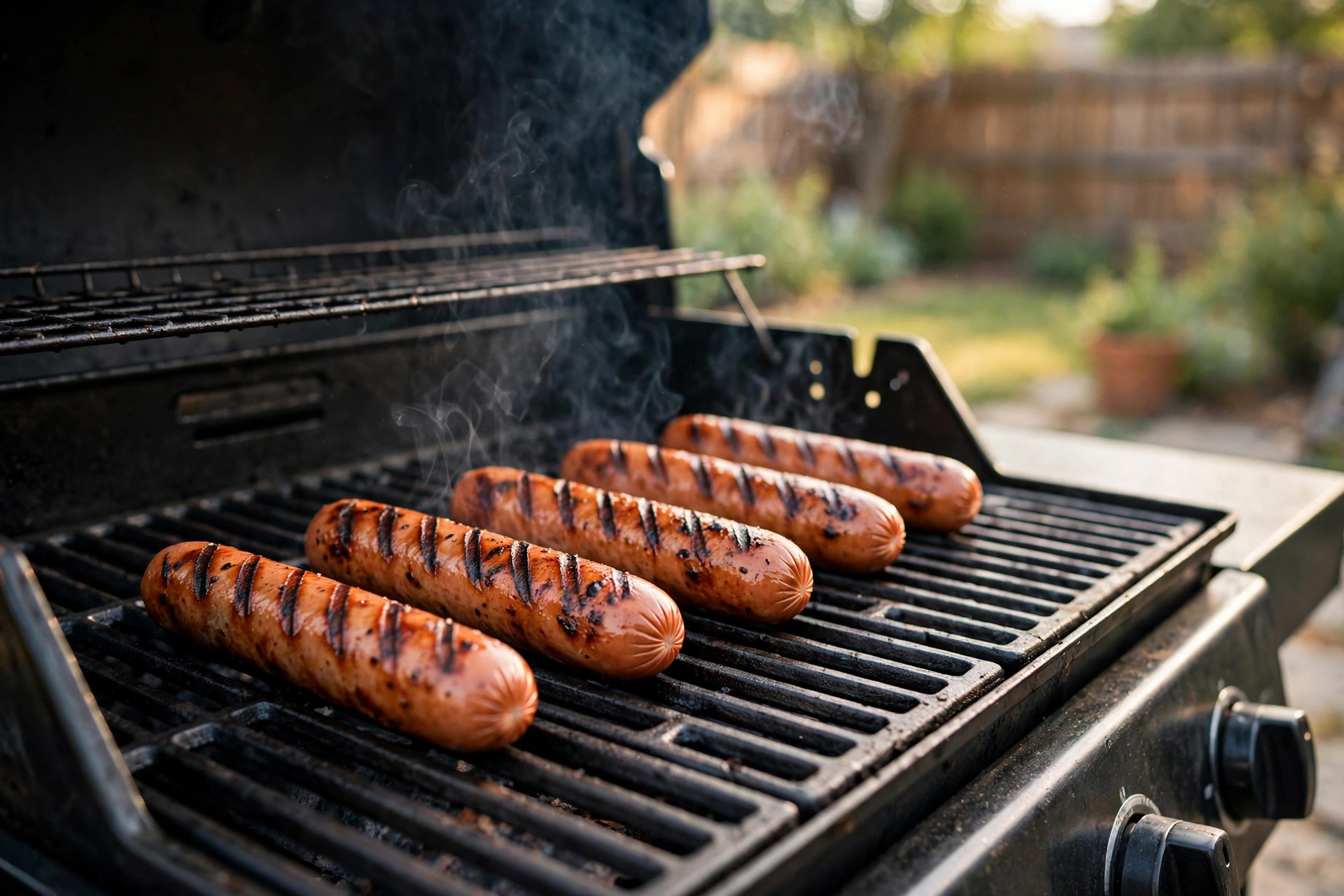

Every ballpark and burger stand seems to serve hot dogs that taste better than the ones cooked at home. The snap is sharper. The skin has a little char. The bun is warm and soft. Many people wonder how to grill hot dogs like restaurant cooks manage it, night after night, with what looks like no effort at all. The answer is simpler than most expect. It comes down to heat control, good timing, and a few small habits that cost almost nothing.
This guide explains each step in plain order. You do not need a costly grill or special skill. You need a clean grill, medium heat, and ten minutes of care.
Why Restaurant Hot Dogs Taste Better
A restaurant hot dog tastes better for reasons you can copy at home. First, the grill is hot and the grates are clean. A hot, clean grate sears the skin fast. That sear makes the marks you see and the slight crunch you feel when you bite.
Second, the cook does not rush. A hot dog needs time on the heat to warm all the way through. At home, many people serve the dog when the outside looks done but the center is still cool. Restaurant cooks wait until the dog plumps and steams. That extra minute or two makes a clear difference.
Third, the bun matters as much as the dog. Good shops keep buns warm and soft. Some toast them on the grill. A warm bun wraps the dog better and does not tear. A cold bun fights every bite.
Fourth, cooks use the right dog for the job. A thicker, all-beef hot dog stands up to grill heat. Thin, watery dogs dry out and split. The choice of brand matters less than the choice of size and type.
What to Look for When You Buy: How to Grill Hot Dogs Like Restaurant
The Hot Dogs
Pick natural-casing or thick-skinned all-beef hot dogs if you can find them. The casing gives the snap that people love. Skinless dogs work too, but they need lower heat so they do not dry out.
Check the thickness. Thin dogs cook fast and can burst. Thick dogs take a few minutes longer and stay juicy. For grilling, thick is better.
Buy more than you think you need. Hot dogs are cheap, and guests always eat two. A pack of eight rarely feeds a family of four at a cookout.
The Buns
Look for fresh, soft buns. Squeeze the bag gently at the store. The buns should give and spring back. Stale buns tear and crumble on the grill.
Split-top buns hold toppings well. Side-split buns work fine too. Some cooks prefer potato buns, which are soft and a little sweet. Any fresh bun beats a stale one.
The Grill
Any grill works: gas, charcoal, or a flat top. Gas gives you quick heat control. Charcoal gives a little more flavor. If you are just starting out, a gas grill under 500 for beginners is easy to learn and forgiving.
Keep your grates clean. Old burnt bits stick to hot dogs and tear the skin. A stainless steel grill brush or scraper and a hot preheat solve this in minutes.
How to Grill Hot Dogs Like Restaurant Cooks: Step by Step
1. Preheat the Grill Right
Set up two heat zones if you can. On a gas grill, turn one side to medium-high and leave the other side low or off. On charcoal, pile the coals on one side. The hot side sears. The cool side keeps dogs warm without burning.
Aim for medium heat, about 350 to 400 degrees on the lid thermometer. Too hot and the skin burns before the center warms. Too cool and the dog steams and looks pale.
Let the grill heat for ten minutes. Clean the grates with a brush while they are hot. Oil the grates lightly with a paper towel dipped in cooking oil, held with long tongs.
2. Set the Hot Dogs Out
Take the hot dogs from the fridge five to ten minutes before grilling. Room-temperature dogs cook more evenly. Cold dogs can split when they hit hot grates.
If you like, score the dogs with shallow diagonal cuts. Cut only a eighth of an inch deep. The cuts open up on the heat, take in more char, and keep thick dogs from curling. This is one trick shops use for looks and even cooking.
3. Grill With Patience
Lay the dogs across the grates, not along them, so they get cross marks. Leave space between each one. Crowded dogs steam instead of sear.
Grill for six to eight minutes total. Turn every two minutes with tongs. Never use a fork. A fork pokes holes, and the juice runs out through them. Tongs keep the juice inside where it belongs.
Watch for the signs of done: the dog plumps up, the skin tightens, and the cuts open. A few dark marks are good. Black all over is too far. Move finished dogs to the cool side to rest while you work on the buns.
4. Warm the Buns
Buns are half the result. Put them on the cool side of the grill for the last minute or two. You can butter the inside lightly for extra flavor and a golden toast. Watch them close. Buns burn in seconds.
Some shops steam buns instead of toasting. You can do this at home: put a little water in a pan on the grill, set a rack over it, lay buns on the rack, and cover for one minute. The buns come out soft and warm like a good stand.
5. Build the Dog
Put the dog in the bun right away. Add toppings while everything is hot. Ketchup, mustard, relish, and onions are the classics. A spoonful of warm chili turns it into a chili dog. Keep toppings simple. Too many wet toppings make the bun fall apart.
Serve at once. A hot dog waits for no one. That is the restaurant rule, and it holds at home too.
Types and Options Worth Trying
Natural Casing Dogs
These have a thin edible casing that snaps when you bite. They are the classic choice for a restaurant-style result. They cost a little more, but the snap is worth it.
Skinless Dogs
Softer and mild. They brown well but need gentler heat. Keep them on the medium side of the grill, not the hottest part.
Bratwurst and Sausages
Thick sausages need lower heat and longer time. Start them on the cool side, then move them to the hot side for color at the end. Never cut them open while they cook. The juice is the flavor.
Roller Grills
Some shops use a roller grill, the kind with heated bars that turn the dogs. You can get small home versions. They work well for parties because they keep many dogs warm at once. For a backyard cookout, a regular grill does the job just as well.
Cost and Price
Hot dogs are one of the cheapest foods you can grill. A pack of eight good all-beef dogs often costs less than a single restaurant meal. Buns cost very little. Toppings are pantry items for most homes: mustard, ketchup, relish, onions.
The grill itself is the real cost. A basic gas grill runs a few hundred dollars. Charcoal kettles cost less. If you grill only a few times a year, borrow a grill or buy a small portable one. For year-round use, buy the best you can afford and keep it covered. A good grill cover adds years to its life.
Fuel costs stay low for hot dogs. They cook fast. A gas tank lasts many cookouts. A bag of charcoal serves a whole party. Compare this with steaks or ribs, which cost ten times as much per pound and take far longer on the heat. Hot dogs give you the full cookout feel for a few dollars per guest. That low cost is why they remain the star of backyards, ballparks, and block parties year after year.
Care and Upkeep
A clean grill makes better hot dogs. After grilling, while the grates are still hot, brush them hard. Burn off what remains with the lid closed for five minutes, then brush again. This keeps flavor clean and stops sticking.
Empty the grease tray on a gas grill after each use. Built-up grease can catch fire on the next cook. On charcoal grills, dump ash once it is fully cool. Ash holds water and rusts the bowl.
Cover the grill when you finish. Rain and sun wear out every part. A covered grill lasts twice as long. When grilling season ends, learn how to winterize a gas grill for storage so it starts right up in spring.
Store leftover hot dogs in the fridge and use them within a few days. Open buns go stale fast; seal the bag tight.
Safety on the Grill
Hot dogs cook to a safe temperature of 160 degrees inside, but most quality dogs are fully cooked already. The grill step warms them through and adds flavor. Still, keep raw meat away from the dogs and buns, and wash your hands after handling any raw food.
Use long tongs and a heat glove. Grates stay hot long after the food comes off. Keep kids and pets a few feet back from the grill. Never leave a lit grill alone, even for a minute.
On gas grills, check the hoses and connections at the start of the season. On charcoal grills, never add lighter fluid to lit coals. If you want to skip fluid, learn how to use a charcoal chimney starter for a safe, even light every time.
Frequently Asked Questions
How long should I grill hot dogs?
Six to eight minutes over medium heat, turning every two minutes. The dog should be plump, hot through, and marked but not burnt. Thick sausages take longer, about ten to fifteen minutes on lower heat.
Should I boil hot dogs before grilling?
You do not need to. Many home cooks boil first, but it washes out flavor and makes the skin soft. Grill shops skip the boil. Go straight to the grill for the best snap and char.
What temperature is best for grilling hot dogs?
Medium heat, about 350 to 400 degrees at the lid. This warms the center without burning the skin. High heat burns the outside while the inside stays cool.
Why do my hot dogs split open on the grill?
Two common causes: heat too high, or cold dogs hitting hot grates. Lower the heat, let the dogs sit out for ten minutes first, and score thick dogs with shallow cuts. Score cuts let steam escape so the casing does not burst.
How do restaurants keep hot dogs warm for hours?
Shops hold cooked dogs on the cool side of the grill, in a low oven, or in warm water. At home, a low oven at 200 degrees keeps dogs warm for an hour without drying them. Cover the pan with foil.
Can I grill frozen hot dogs?
You can, but the result is not as good. They take twice as long, and the outside can burn before the center warms. Thaw in the fridge overnight for the best result. In a hurry, thaw sealed packs under cold running water.
A Short Final Word
Grilling hot dogs like restaurant cooks comes down to five habits: a hot clean grill, medium heat, patient turning with tongs, warm buns, and serving at once. None of this needs special gear. Try it at your next cookout. Your guests will notice the difference, even if they cannot name it. That snap, that char, that warm bun: that is the restaurant secret, and now it is yours.
For more background, see The Home Depot, The Spruce Eats, and AmazingRibs.com. For more background, see Consumer Reports, Weber, and Char-Broil. Buying guides are also published by Traeger and Napoleon.
References
AmazingRibs.com. (n.d.). Barbecue and grilling science. https://www.amazingribs.com Char-Broil. (n.d.). Gas and charcoal grills. https://www.charbroil.com Consumer Reports. (n.d.). Product reviews and ratings. https://www.consumerreports.org Napoleon. (n.d.). Fireplaces, grills, and heating products. https://www.napoleon.com The Home Depot. (n.d.). Home improvement products. https://www.homedepot.com The Spruce Eats. (n.d.). Recipes and cooking guides. https://www.thespruceeats.com Traeger. (n.d.). Wood pellet grills. https://www.traeger.com Weber. (n.d.). Grills and outdoor cooking. https://www.weber.com
Was this guide helpful?

About Michael Thompson
The My Garden US editorial team writes practical, in-depth home and garden guides for American homeowners — tested advice, no fluff.
You May Also Like
How to Make Pulled Pork on Smoker: A Simple Step-by-Step Guide
January 4, 2026 0 views
Outdoor Kitchen Bar Seating Ideas for a Comfortable Backyard
August 8, 2026 0 views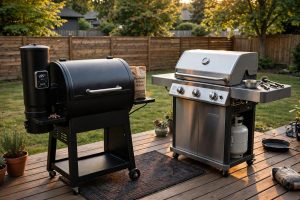
Pellet Grill vs Gas Grill Pros Cons: Which Cooker Wins Your Backyard?
January 31, 2026 0 views