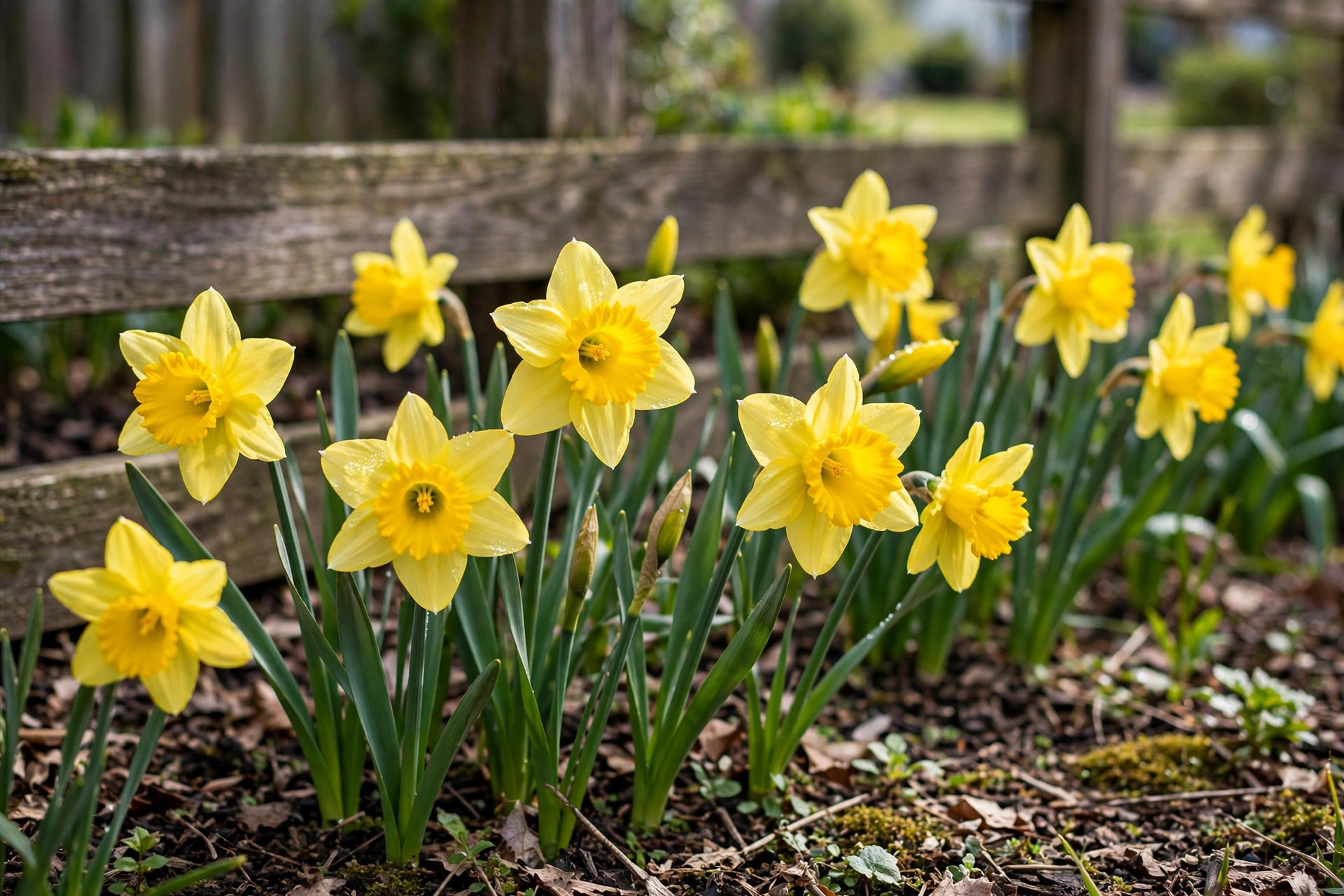

Few flowers give as much as the daffodil. You plant the bulbs in the fall, you do almost nothing all winter, and in the spring a wave of yellow and white flowers rises up to greet you. This daffodil bulb packs reviews buying guide usa is written for the home gardener who wants to buy well the first time. It explains what good bulb packs look like, how reviews can be read with care, what prices are fair, and how to plant for years of return blooms.
Why Daffodil Bulb Packs Matter More Than You Think
A bulb pack is not just a bag of bulbs. It is a promise. Inside that net bag or cardboard box are living things that will either wake up in March or rot in the ground. The difference comes down to quality, and quality varies a great deal from one seller to another.
Daffodils are among the most forgiving bulbs a gardener can grow. Deer leave them alone. Rodents rarely touch them. They multiply on their own, so a pack of 25 becomes a full bed within a few years. For the cost of one restaurant dinner, a gardener can plant a display that lasts decades. This is why daffodil bulb packs have become one of the best-selling fall garden products in the USA.
But not every pack is equal. Some sellers ship small bulbs that bloom weakly in year one. Others mix varieties without telling you, so the “yellow trumpet” pack you ordered opens as a muddle of shapes and sizes. Reading daffodil bulb pack reviews with a trained eye helps you spot these problems before you pay.
How to Read Bulb Pack Reviews the Smart Way: Daffodil Bulb Packs Reviews Buying Guide Usa
Online reviews can help, but they must be read with care. A five-star review posted in May from a buyer who planted in November carries real weight. A one-star review that complains the bulbs did not bloom in January carries none, because daffodils need cold rest before they flower.
Look for reviews that mention the state where the bulbs were planted. Daffodils need a stretch of winter chill, so a pack that thrives in Minnesota may not bloom in south Florida. Good reviews often mention bulb size, firmness at arrival, and whether the pack arrived moldy or soft. Pay close attention to reviews that show photos of actual blooms the next spring. Those photos tell the truth.
Also note the shipping date. Bulb packs should arrive in the fall, not in June. A seller that ships bulbs in warm weather is not a specialist. Gardening guides at The Spruce explain why fall planting time matters so much for spring-flowering bulbs.
What to Look for When You Choose a Pack
Bulb Size and Grade
The single best sign of a good pack is bulb size. Daffodil bulbs are sold by size, often listed in centimeters around the bulb. A bulb marked 12/14 cm is large and will give strong flowers in its first spring. Bulbs under 10 cm are offsets, or baby bulbs, and may need a year or two before they bloom. When daffodil bulb pack reviews praise “huge bulbs,” this is what the reviewer means.
Pick up the bag if you are buying in a store. Bulbs should feel heavy and firm. Soft spots, mold, or a sour smell are signs of decay. If you buy by mail, choose sellers known for nursery stock, such as Burpee or White Flower Farm, both of which have long histories of shipping healthy bulbs.
Pack Count and Mix
Packs range from 5 bulbs to 100 or more. A 25-count pack suits one garden bed. A 50-count pack suits a border or a yard edge. Mixes give variety but can be a gamble. Reputable sellers list every variety in the mix on the package. If the package only says “assorted daffodils,” you are buying a mystery.
Check whether the seller guarantees the varieties shown. The best sellers name each cultivar, and their catalogs at Park Seed or Gurney’s make it easy to compare one pack against another.
Types of Daffodil Bulb Packs You Will Find
Trumpet daffodils are the classic tall yellow flowers most people picture. Large-cupped types have a shorter trumpet and wider petals. Small-cupped types are delicate and old-fashioned. Double daffodils look like small yellow roses. Split-cup, or butterfly, types have a trumpet opened flat against the petals. Miniature types suit pots and rock gardens.
If you are new to daffodils, start with trumpet or large-cupped mixes. They are the toughest and show the best from a distance. Collectors and arrangers can move on to the fancy forms once they learn the basics. The plant breeders at Proven Winners and the nursery growers at Monrovia both publish helpful lists of which types suit which uses.
Naturalizing packs are worth a special mention. These mixes are bred to spread and fill a meadow or orchard floor. Buyers of large property often prefer them to single varieties. Related buying advice for heirloom vegetable seeds buying guide usa follows the same rule: match the seed or bulb to the ground you actually own.
Bulb Pack Claims That Deserve a Second Look
Marketing language on bulb packs can mislead. A claim of “giant blooms” means little without a named variety behind it. Nearly all trumpet daffodils make large flowers when grown from large bulbs. The claim tells you more about the copywriter than the bulbs.
Another common claim is “guaranteed to grow.” Read the fine print. Many guarantees cover only bulbs that were dead on arrival, not bulbs that rot in wet soil or fail for lack of winter chill. A guarantee that asks you to send photos of dead bulbs within 30 days is fair. A guarantee that demands you return the bulbs themselves is not worth the postage.
“Pre-chilled bulbs” appear in catalogs aimed at warm climates. These bulbs have been given their cold rest in a cooler, so they can bloom in places like southern Florida and coastal Texas. If you live in USDA zone 9 or 10, pre-chilled packs are worth the extra cost. Everywhere else they are a needless expense.
Watch out for packs that show a lush garden photo but list no variety names, no bulb size, and no count. A serious seller gives all three. The absence of all three is a warning sign, no matter how pretty the picture is. Treat a pack with full details as the norm, and treat anything less as a gamble you pay for in empty springs.
Cost and Price in the USA
Daffodil bulbs are cheap for what they give. Expect to pay about one to two dollars per bulb for standard varieties in small packs. In larger packs of 50 or 100, the price often falls below one dollar per bulb. Rare or brand-new varieties can cost three to five dollars per bulb, which is fair for a collector but wasteful for a beginner.
A typical 25-count pack of mixed daffodils sells for 20 to 30 dollars in garden centers and by mail. Specialty packs of a single named variety run higher. Watch for false bargains. A 100-count pack at a rock-bottom price may be full of tiny offsets that will not bloom for two years. Price per bulb means little if the bulbs are not bloom-size.
Shipping costs matter too. Mail-order bulbs travel well, but a 12-dollar pack with 15-dollar shipping is no bargain. Some sellers, including Burpee, run fall shipping promotions that make larger orders cheaper. Fall is also the season for other bulb orders, and many gardeners pair daffodil shopping with a look at organic herb seeds buying guide usa for spring sowing plans.
Planting and Care After the Box Arrives
Plant daffodil bulbs in the fall, six to eight weeks before the ground freezes. In most of the USA, that means September through November. Dig each hole three times as deep as the bulb is tall, usually six inches. Set the bulb pointy end up. Space bulbs four to six inches apart. Water well after planting.
Daffodils dislike wet feet. If your soil holds water, plant on a slight mound or mix grit into the hole. They like sun or light shade. Under a tree that leafs out late is fine, because daffodils finish their work before summer shade arrives.
After the flowers fade, do not cut the leaves. Let them yellow on their own. The leaves are feeding the bulb for next year. This is the most common mistake in all of bulb gardening, and it is the main reason some gardens see flowers only once. Feeding advice from Gardening Know How confirms that foliage care matters more than fertilizer.
Daffodils rarely need dividing. Leave them alone for five to ten years. When a clump blooms less, dig it after the leaves fade, split the bulbs, and replant at once. For more seasonal color ideas, see the notes on wildflower seed mixes buying guide usa, which pairs well with naturalized daffodil drifts.
Safety Notes for Homes With Pets and Children
Daffodil bulbs are poisonous. Every part of the plant holds toxic compounds, but the bulb holds the most. Keep bulb packs out of reach of children and store them where dogs cannot chew them. Plant bulbs in beds where pets do not dig.
The flowers and stems can irritate skin in sensitive people. Gardeners with allergies to the sap should wear gloves while handling bulbs. This is standard advice in bulb care, and the Old Farmer’s Almanac plant guides list daffodil toxicity among their regular cautions.
Frequently Asked Questions
When should I buy daffodil bulb packs in the USA?
Buy in late summer or early fall. The best selection appears in August and September. Waiting until November risks thin stock and weak leftovers. Order early for the widest choice of varieties.
How many bulbs do I need for a garden bed?
A small bed of four by six feet takes about 25 bulbs for a full look. A longer border needs 50 to 100. In lawns, plant in groups of at least seven so the drift reads well from a distance.
Can daffodil bulbs be planted in pots?
Yes. Choose pots at least eight inches deep with drainage holes. Use miniature varieties for small pots and standard types for large planters. Keep pots in a cold spot through winter so the bulbs get their chill.
Do daffodils come back every year?
Yes. Daffodils are perennials. With decent drainage and intact leaves after bloom, they return for many years and slowly increase. Most gardeners never need to buy twice.
Why did my daffodils grow leaves but no flowers?
The most common cause is cutting the leaves too soon the year before. Other causes include planting too shallow, too much shade, or bulbs that were too small when bought. Buying graded, bloom-size bulbs from a trusted nursery avoids the last problem.
Are cheap bulk bulb packs worth it?
Sometimes. A cheap pack of large, firm, named bulbs is a bargain. A cheap pack of small unnamed offsets is a slow disappointment. Read the pack label and the daffodil bulb pack reviews before you decide. Bulb size matters more than bulb count.
A Short Final Word
Buying daffodil bulbs well is not hard. Choose firm, bloom-size bulbs from a seller with a real nursery name. Read the reviews for bulb size, honest variety lists, and fall shipping. Plant in the fall, let the leaves ripen, and enjoy flowers that return for years. Research from NIFA at the USDA on home gardening keeps showing the same truth: a small, careful purchase in the fall pays off every spring.
References
Burpee. (n.d.). Seeds, plants, and gardening supplies. https://www.burpee.com Gardening Know How. (n.d.). Gardening guides and plant care. https://www.gardeningknowhow.com Gurney’s Seed & Nursery Co. (n.d.). Seeds, plants, and garden supplies. https://www.gurneys.com Monrovia. (n.d.). Plants for home gardens. https://www.monrovia.com National Institute of Food and Agriculture. (n.d.). Agricultural research and extension. https://www.nifa.usda.gov Park Seed. (n.d.). Seeds, plants, and gardening supplies. https://www.parkseed.com Proven Winners. (n.d.). Plants and gardening inspiration. https://www.provenwinners.com The Old Farmer’s Almanac. (n.d.). Gardening calendars and advice. https://www.almanac.com The Spruce. (n.d.). Home and garden advice. https://www.thespruce.com White Flower Farm. (n.d.). Plants, bulbs, and garden supplies. https://www.whiteflowerfarm.com
Was this guide helpful?

About Jennifer Lee
The My Garden US editorial team writes practical, in-depth home and garden guides for American homeowners — tested advice, no fluff.
You May Also Like
Organic Herb Seeds Texas Homes USA: A Plain Guide for Texas Growers
June 17, 2026 0 views
Sunflower Seed Packs for Sale USA: A Plain Buyer’s Guide
August 15, 2026 0 views
Pothos Plants Bulk Florida Homes USA: A Plain Guide for Buyers
February 5, 2026 0 views