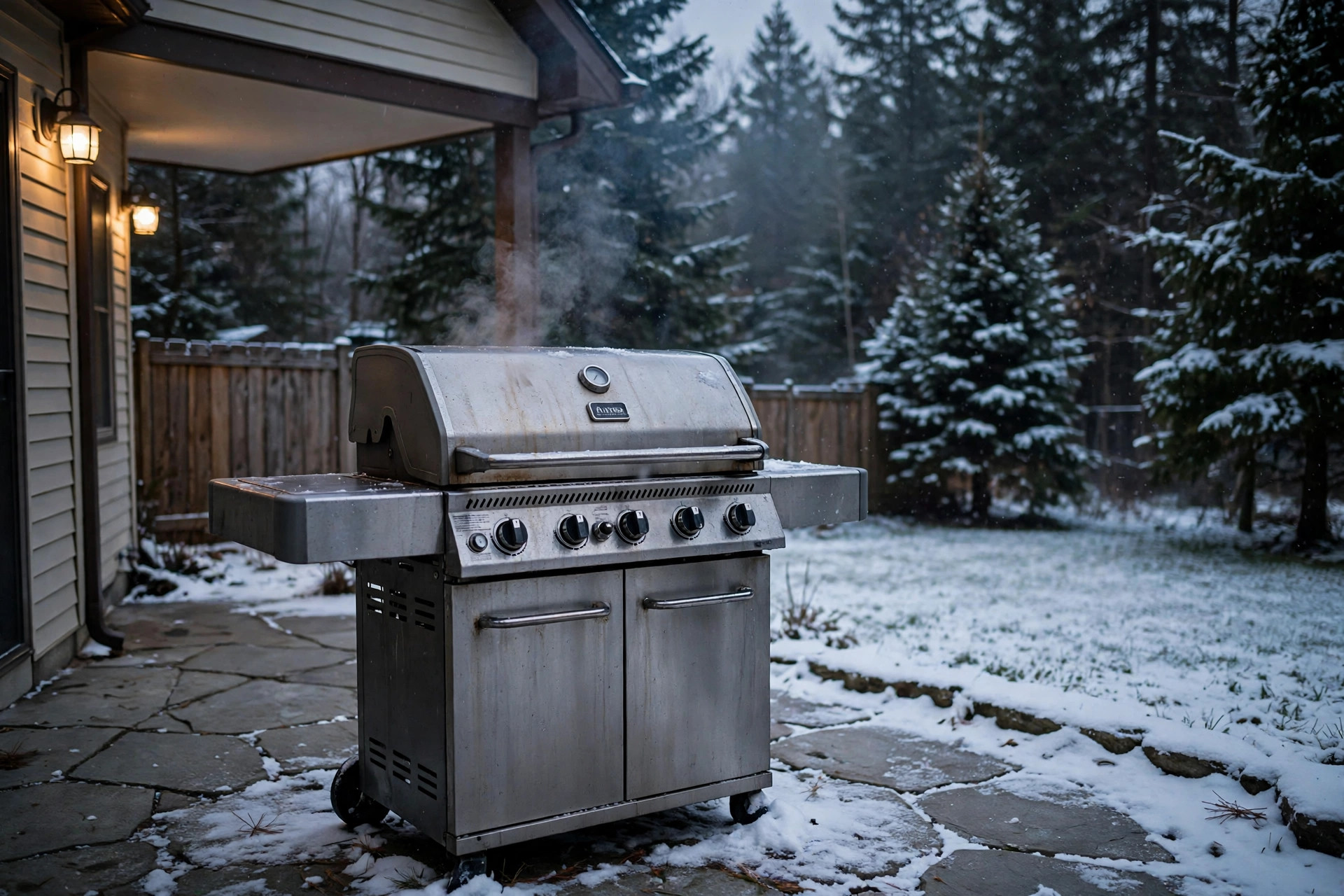
Many people put their grill away when the first snow falls. That is a shame. The best outdoor grill for winter grilling lets you cook outside all year, even when the air is cold and the ground is white. A good winter grill holds its heat, uses fuel wisely, and gives you the same rich flavor you get in July. This guide will help you find the best outdoor grill for winter grilling and show you how to use it with care.
Why Winter Grilling Is Worth the Effort
Cooking outside in winter has real rewards. Meat and vegetables take on a smoky taste that an indoor stove cannot match. A grill also frees up the kitchen during busy holiday meals. Turkey breasts, whole chickens, and thick steaks all cook well on a winter grill.
Cold air changes the way a grill works. Every time you lift the lid, heat escapes fast. A thin grill body loses heat through its walls. A well-built grill keeps heat inside and cooks food evenly. That is the main reason the best outdoor grill for winter grilling is different from a basic summer model. It is built to fight the cold.
There is also the question of fuel. Gas, charcoal, and wood pellets all burn a little harder in cold weather. A grill that sips fuel in summer may drink it in January. Choosing a model with thick walls and a tight lid saves fuel and money over a long winter.
What to Look For in a Winter Grill: Best Outdoor Grill for Winter Grilling
When you shop for the best outdoor grill for winter grilling, look past the shiny shell. These five features matter most in cold weather.
Thick, Insulated Walls
Thin steel sheds heat quickly. Look for double-walled bodies, heavy cast iron, or thick ceramic. A heavy grill takes longer to heat up, but it holds its heat much longer once it is hot. Kamado-style grills are famous for this. They use thick ceramic walls that lock in heat even on freezing nights.
A Tight-Fitting Lid
Check the seal around the lid. If you can see gaps, heat and smoke will escape. Some grills have gaskets made of heat-safe felt or fiberglass. A good seal also keeps wind out, which helps the burners or coals work less hard.
A Reliable Thermometer
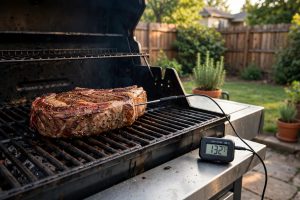
In winter, you cannot judge heat by feel. A built-in lid thermometer should be clear and easy to read. Many cooks also use a wireless thermometer for better grilling results, which lets you watch the meat temperature from inside the house.
Sturdy Grates
Cast iron grates hold heat better than thin wire grates. They give strong sear marks and keep cooking even when cold air rushes in. Porcelain-coated cast iron is easier to clean than bare iron.
Wind Protection
Wind is the enemy of winter grilling. A grill with side shelves or a deep body shields the fire from gusts. You can also buy a windscreen or place the grill near a fence or wall, leaving safe space around it.
Independent test labs rate grills for heat retention and even cooking. Reading expert reviews from Consumer Reports can help you compare models before you buy.
Types of Grills for Cold-Weather Cooking
Each fuel type has strengths and weak points in winter. The best outdoor grill for winter grilling depends on how cold it gets where you live and how much work you want to do.
Gas Grills
Gas grills are the most popular choice for winter. They light fast with the push of a button. You can be cooking in ten minutes, even when it is dark and cold. Look for models with three or more burners and high total heat output. More burners mean you can run one side hot and keep the other side gentle.
Gas has one weakness in deep cold. Propane tanks lose pressure when the temperature drops below freezing. A half-full tank on a very cold night may not feed the burners well. Keep a spare full tank on hand, and store tanks upright in a sheltered spot. Learning the basics of pellet grill vs gas grill pros and cons will help you decide which fuel suits your winter habits.
Trusted makers like Weber, Napoleon, Char-Broil, and Broil King all offer gas models with heavy lids and strong burners that suit winter use.
Charcoal Grills
Charcoal gives a deep, smoky flavor that many cooks love. In winter, charcoal needs more time and more fuel. Plan on using about one-third more charcoal than you would in summer. A kettle grill with thick walls and good vents works fine for moderate cold.
Charcoal also needs patience. You must wait for the coals to ash over, and you must guard the fire from wind. But the reward is rich taste. For tips on starting a fire in cold weather, many cooks review guides at AmazingRibs.com, which covers fire management in detail.
Kamado Grills
A kamado grill is often called the best outdoor grill for winter grilling by serious cooks. Its thick ceramic body holds heat for hours with very little fuel. Once it reaches temperature, it barely notices the cold air outside. Kamados can grill, smoke, roast, and even bake pizza. They cost more up front, but they use far less fuel than other types. If budget matters, read our guide to the best kamado grill for the money before you shop.
Big Green Egg is the best-known kamado maker, and its design is a classic example of heat-retaining ceramic cooking.
Pellet Grills
Pellet grills burn small wood pellets and feed them with an electric auger. A digital controller holds the set temperature, which is a big help in winter. The grill adjusts the pellet feed on its own when cold air pulls heat away. You get steady heat and real wood flavor with little fuss.
Pellet grills need an outdoor power outlet, and the pellets must stay dry. A bag of pellets left in damp air will swell and jam the auger. Store pellets in sealed buckets. Traeger is a leading name in pellet grilling and offers models with insulated bodies for cold climates.
Electric Grills
Electric grills work in winter, but most are small and made for balconies or patios. They plug into a standard outlet and heat up with no flame. They are simple and safe, but they cannot reach the high heat needed for a hard sear. They suit light cooking rather than big winter meals.
Cost and Price
Prices for winter-ready grills cover a wide range. A basic gas grill with a heavy lid starts around 300 to 500 dollars. Mid-range gas and pellet models run from 600 to 1,200 dollars. Large kamado grills and premium pellet grills can cost 1,200 to 2,500 dollars or more.
Think about total cost, not just the price tag. A cheap thin grill burns extra fuel all winter. A well-insulated grill costs more at first but saves on gas, charcoal, or pellets every time you cook. Cast iron grates and replacement parts also add to the long-term cost. Retailers like Home Depot carry grills at many price points, so you can compare features side by side.
For beginners watching their budget, a solid starter gas grill under 500 dollars can still handle mild winter days if you pick one with a heavy lid and good seals.
Care and Upkeep in Winter
Winter is hard on grills. Moisture, road salt in the air, and freeze-thaw cycles can rust metal and crack parts. A little care goes a long way.
Clean the grates after every cook. Brush them while they are still warm, then wipe with a light coat of cooking oil to stop rust. Empty the grease tray or ash catcher often. Grease left in the cold can turn rancid and draw pests.
Cover the grill between uses. A fitted, waterproof cover keeps snow and rain off the body. Make sure the grill is fully cool before you cover it. Leave the vents slightly open under the cover so moisture can escape.
Check hoses, knobs, and igniters once a month in winter. Cold makes rubber hoses stiff and can crack them. If the igniter clicks but will not light, the battery may be weak from the cold. Keep a long lighter as a backup.
At the end of the season, or if you plan a long break, follow a proper routine for how to winterize a gas grill for storage. A deep clean and a dry storage spot will add years to the life of your grill.
Safety Tips for Cold-Weather Grilling
Winter grilling is safe when you follow a few rules. Never use a grill indoors, in a garage, or under a low roof. Grills make carbon monoxide, a gas you cannot see or smell. Even with the garage door open, the risk is too high. Cook outside in the open air only.
Keep the grill at least ten feet from the house, deck railings, and overhangs. Clear snow and ice from the cooking area so you have firm footing. Wear warm clothes, but avoid loose sleeves and scarves that can catch fire.
Watch for flare-ups. Cold meat drips more fat as it thaws on the hot grates. Keep a spray bottle of water handy for small flare-ups, and know where your fire extinguisher is.
Let the grill cool fully before covering it or moving it. In winter, a grill may look cold on the outside while the inside is still hot. Give it at least an hour after cooking.
Government and food-safety resources offer more guidance. The Spruce Eats publishes tested grilling guides and food-safety basics that are worth reading before your first winter cook.
Frequently Asked Questions
Can I grill in below-freezing temperatures?
Yes. The best outdoor grill for winter grilling is built to hold heat in freezing air. Expect longer preheat times and higher fuel use. Keep the lid closed as much as possible, and plan extra cooking time.
Does cold weather damage a gas grill?
Cold alone does not damage a gas grill. Moisture and road salt cause most harm. Cover the grill, keep it dry, and check hoses for cracks. Propane flow can weaken in deep cold, so keep a spare full tank ready.
How much extra fuel will I use in winter?
Plan on 25 to 50 percent more fuel than in summer, depending on the temperature and wind. Insulated grills, like kamados, use far less extra fuel than thin-walled models.
Should I preheat longer in winter?
Yes. Give the grill 15 to 25 minutes to preheat instead of the usual 10. Wait until the thermometer holds steady at your target temperature before you put food on.
Is it safe to grill on a snowy deck?
It can be, if you take care. Shovel a clear, level area for the grill and for your footing. Keep the grill away from railings and walls. Never grill under a roof or awning where heat and smoke can collect.
What foods are best for winter grilling?
Thick cuts do well because they spend more time over the heat. Try bone-in chicken, pork shoulder, beef roasts, and root vegetables. Foods that cook fast, like thin fish fillets, are harder to manage when every lid lift costs heat.
A Final Word
The best outdoor grill for winter grilling is the one that holds heat, sips fuel, and fits the way you cook. A kamado leads for pure heat retention. A strong gas grill leads for speed and ease. A pellet grill leads for steady, hands-off temperature control. Whichever type you choose, look for thick walls, a tight lid, and sturdy grates.
Winter grilling takes a bit more planning than summer cooking. Preheat longer, keep the lid shut, and dress warmly. In return, you get bold flavor all year and a quiet backyard ritual while the neighborhood hibernates. Once you taste a winter-grilled steak with snow on the ground, you may never put the grill away again.
References
AmazingRibs.com. (n.d.). Barbecue and grilling science. https://www.amazingribs.com Big Green Egg. (n.d.). Kamado grills and outdoor cooking. https://www.biggreenegg.com Broil King. (n.d.). Gas and charcoal grills. https://www.broilkingbbq.com Char-Broil. (n.d.). Gas and charcoal grills. https://www.charbroil.com Consumer Reports. (n.d.). Product reviews and ratings. https://www.consumerreports.org Napoleon. (n.d.). Fireplaces, grills, and heating products. https://www.napoleon.com The Home Depot. (n.d.). Home improvement products. https://www.homedepot.com The Spruce Eats. (n.d.). Recipes and cooking guides. https://www.thespruceeats.com Traeger. (n.d.). Wood pellet grills. https://www.traeger.com Weber. (n.d.). Grills and outdoor cooking. https://www.weber.com
Was this guide helpful?

About James Carter
The My Garden US editorial team writes practical, in-depth home and garden guides for American homeowners — tested advice, no fluff.