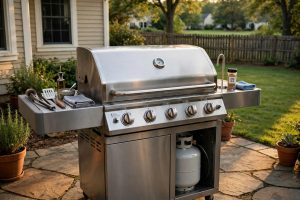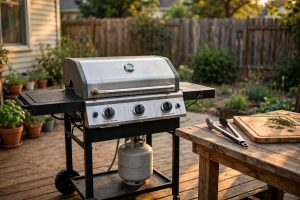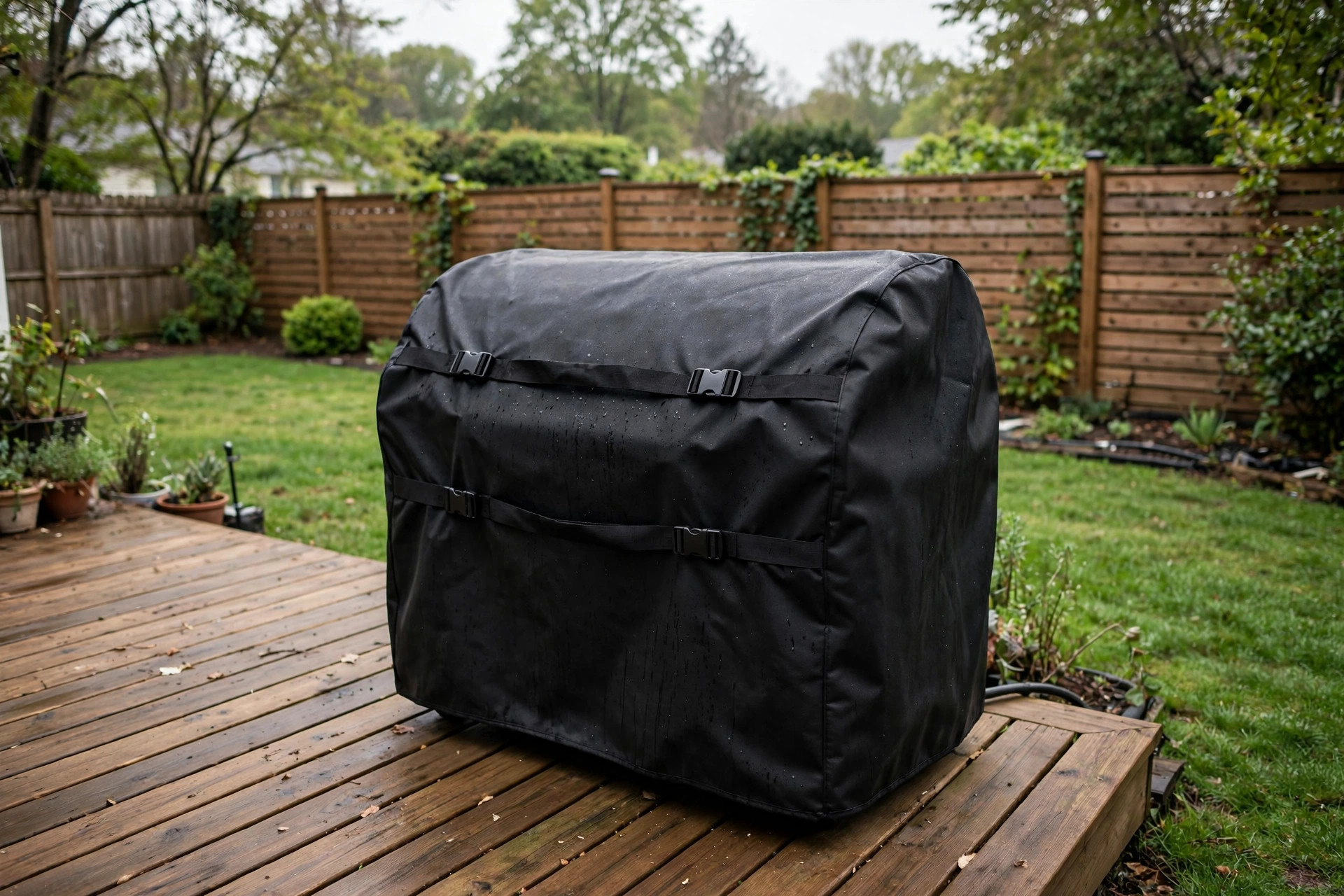
A smoker is a serious purchase. It costs far more than a small kettle grill. It holds delicate electronics, steel parts, and grease. Rain can reach all of them. A search for the best smoker cover waterproof heavy duty brings up many claims. Not all of them are true. This guide explains what makes a cover work. It shows what to check before you spend money.
Smokers live outside in most homes. Even under a patio roof, wind can blow rain sideways. Dew settles on every surface each morning. Over months, this moisture works into seams and screws. Paint bubbles. Steel rusts. Pellet augers jam. A good cover stops most of this damage. It is one of the cheapest forms of insurance for a cooker.
Why a Good Cover Matters
Water is the enemy of every smoker. Electric smokers carry control panels and heating elements. Pellet grills carry augers, motors, and hoppers full of wood pellets. When pellets get wet, they swell and turn to mush. The auger jams. The cook fails. Charcoal smokers face a different problem. Water mixes with ash. The mix turns acidic. It eats through thin steel faster than dry air ever could.
Sunlight does damage too. Strong ultraviolet light breaks down cheap fabrics. A thin vinyl cover cracks within one summer. A heavy duty fabric resists water and sun. The finish on the steel lasts longer.
Wind is the third threat. A loose cover flaps all day. The flapping wears through the coating. A heavy duty cover with straps or drawcords stays put. It does not sail across the yard in a storm.
Think about cost. A new pellet smoker can cost several hundred dollars. A new offset smoker can cost even more. A quality cover costs a fraction of that. Replacing a rusted-out firebox or a fried control board costs much more than a cover. The math is simple. Cover the cooker or pay for repairs later.
How to Choose the Right Cover: Best Smoker Cover Waterproof Heavy Duty
Buying a cover is not guesswork. Three things matter most: size, material, and closure. Get these right and almost any brand will serve you well.
Measure Your Smoker First
Measure height, width, and depth. Include shelves, chimneys, and hoppers. Write the numbers down. Compare them to the cover’s listed dimensions. The cover should be two to four inches larger than the smoker in each direction. Too small and it will not close. Too large and it becomes a sail.
Shape matters as much as size. Pellet grills are wide with a hopper on one side. Offset smokers are long with a firebox on the end. Vertical cabinet smokers are tall and narrow. Kettle-shaped cookers need a round cover. Many buyers choose a round cover for a square cooker. That never works well. Match the shape to the machine.
If you own a popular model, check for a fitted cover made for it. Makers like Weber and Traeger sell covers cut for their own cookers. They fit better than generic ones. A custom fit means fewer gaps for rain to enter.
Fabric and Weave
A truly waterproof fabric stops water under pressure. A water resistant fabric only sheds light rain. For year round use, you want the first kind.
Polyester with a polyurethane coating is common. It is light and dries fast. Look for a denier rating of 600D or higher. Denier measures thread thickness. Higher numbers mean thicker, tougher cloth. A 300D cover is thin. It tears on sharp corners. A 900D cover is heavy. It stands up to hail and branches.
Vinyl, often called PVC, is fully waterproof. It does not breathe. That is its weakness. Moisture trapped underneath cannot escape. Condensation forms on the inside. In cold weather, that condensation freezes and thaws. The cycle feeds rust. Vinyl covers need air vents to work well. Without vents, they can do more harm than good.
Canvas and oxford cloth are middle ground choices. They breathe a little. They dry reasonably fast. They cost less than top tier fabrics. They wear out faster under strong sun. Treat them with a spray waterproofer each year to keep them working.
Double stitched seams are a good sign. A single row of stitches lets water wick through. Taped or heat sealed seams stop this. Check the seams before you buy if you can. Poor stitching is the most common failure point on cheap covers.
Closures and Vents
Drawcords, buckles, and hook and loop straps hold the cover down. A hem cord alone is not enough in high wind. Look for at least two buckle straps. They clip around the legs of the smoker. They keep the cover in place during storms.
Air vents are small mesh panels near the top or sides. They let damp air escape. They keep condensation from building up. They also stop the cover from ballooning in wind. Any cover used in a humid climate should have vents. In dry climates they matter less, but they still help.
Handles are a small bonus. They make it easier to lift the cover on and off, and they reduce wear from dragging the fabric over the chimney.
Types of Smoker Covers
Covers fall into a few clear groups. Each suits a different cooker and budget.
Fitted brand covers are made for one model. They hug the shape and often include vents and straps designed for that cooker. They cost more. Owners of a best smoker for beginners under 300 often start with the fitted cover from the same brand. A brand page such as Weber shows fitted options for its cookers.
Heavy duty aftermarket covers are the focus of this guide. They use thick fabric, sealed seams, and strong closures. They cost more than basic covers but last three to five times longer. For a cooker that lives outside all year, they are worth the money.
Winter storage covers are extra thick. They protect against freeze damage and keep snow off the lid. A waterproof smoker cover for winter is easy to find at a home center each fall.
What to Look for in a Heavy Duty Cover
A heavy duty cover should check several boxes. The fabric should be at least 600D. The seams should be double stitched or taped. It should have two or more tie down straps and air vents. It should carry a warranty of two years or more.
Fade resistance matters in sunny states. Black fabric absorbs heat, so a tan or gray cover often outlasts a black one in Arizona or Texas. Check the fine print on the warranty. Some brands promise five years but exclude the fabric. Read what is excluded.
Price is a rough guide to quality. Covers under twenty dollars are almost always thin. Covers from forty to eighty dollars usually use good fabric. Covers over one hundred dollars are fitted or extra thick. For most backyard smokers, the middle range is the sweet spot.
Cost and Price
Expect to pay between twenty and one hundred twenty dollars. The price depends on size, fabric, and brand. A small vertical smoker cover may cost thirty dollars. A large offset smoker cover can cost ninety or more.
Fitted covers from big brands sit at the high end. A Traeger fitted cover often costs sixty to ninety dollars. The fit is exact. The fabric is mid weight. For many owners, the exact fit is worth the premium. See Traeger for current fitted models.
Universal heavy duty covers cost less for the same fabric weight. You trade fit for savings. If your smoker is a common shape, the trade is fine. If it is an odd shape, pay for the fitted version.
Replacement frequency changes the true cost. A twenty dollar cover that lasts one season costs twenty dollars a year. A sixty dollar cover that lasts four seasons costs fifteen dollars a year. The expensive cover is cheaper over time. This is why heavy duty covers make sense for serious cooks.
Watch for sales in late fall. Home centers clear outdoor stock before winter. A good cover can drop by thirty percent in October and November. Buy ahead of the season to save real money.
Care and Upkeep
A cover needs care too. Wash it once or twice a year. Use mild soap and warm water. Scrub with a soft brush. Rinse well. Let it dry fully in the sun before putting it back on. Trapped moisture breeds mildew.
Inspect the seams each spring. Look for pulled threads. Look for cracked coating. Small tears can be fixed with repair tape made for outdoor fabric. Fix them early. A small tear becomes a large rip in one storm.
Treat fabric covers with a waterproofer each year. Spray products made for tents and awnings work well. They restore the coating that sun and rain wear away. Vinyl covers do not need this treatment. They need only cleaning.
Store the cover dry. If you take it off for a cook, drape it over a dry surface. Do not toss it on wet grass. Fold it loosely and set it aside.
Check the straps and buckles. Sun makes plastic buckles brittle. Replace broken buckles before a storm. A cover with no straps is a cover that will blow away. Spare buckles cost little at a hardware store.
Keep the smoker clean under the cover. Grease draws pests. Ash holds moisture. Clean the grates and empty the ash after each cook. The site AmazingRibs offers detailed cleaning guides for smokers of all types.
Safety
Never cover a hot smoker. Wait until the cooker is fully cool. Covering hot metal traps heat. It can melt the fabric. It can start a fire. A charcoal smoker can stay hot for hours. A pellet grill cools faster but still needs time. Touch the body before you cover it. If it is warm, wait longer.
Keep the cover away from the chimney while cooking. Heat and flame damage fabric. Remove the cover fully before lighting. Do not drape it over a nearby chair. Store it well away from the cooker during the cook.
Check for pests before each use. Mice and wasps love a covered smoker. A wasp nest under a lid is a painful surprise. Lift the cover and look inside once a month in warm weather. Knock down nests early.
Do not use a torn cover near open flame. Loose threads can catch sparks. Replace a damaged cover rather than patching it near the firebox. Safety comes before savings.
In high wind, add a second strap if the cover has loops for one. Flying covers can damage cars and fences.
Frequently Asked Questions
Will a waterproof cover cause rust by trapping moisture? A cover without vents can trap moisture. Condensation forms on the inside. It sits on the steel. Over time, this feeds rust. Choose a cover with air vents. They let damp air escape. Take the cover off on dry sunny days now and then. Let the smoker air out fully.
What size cover do I need for a pellet grill? Measure the full width including the hopper. Most full size pellet grills need a cover around fifty to sixty inches wide. The best offset smoker under 500 dollars is longer and needs a different shape. Always compare your numbers to the cover’s listed size. When between sizes, choose the larger one.
Can I leave the cover on all winter? Yes, if the cover is heavy duty and vented. Snow load can press a thin cover onto hot spots of grease and cause stains. Brush snow off after heavy falls. Check the smoker once a month. Look for moisture or pests. A winter check takes five minutes and prevents spring surprises.
How long should a heavy duty cover last? Three to five years is normal for a good cover kept outside year round. Sun is the main killer. Covers in shaded spots last longer. Cheap thin covers last one to two seasons. The warranty length is a rough guide to expected life. Consumer Reports tests outdoor fabrics and publishes durability ratings.
Are expensive brand covers worth it? They fit better. The straps line up with the legs. The vents sit in the right spots. If you own a popular model, the fitted cover is often worth the extra cost. For odd shapes, a good universal heavy duty cover works just as well. Compare fabric weight, not just the logo.
Should the cover go over a smoker with a chimney? Yes, but let the fabric drape, not stretch tight over the chimney cap. A tight stretch wears through fast. Some covers have a reinforced patch at the top for chimneys. That patch is a sign of thoughtful design. The cooking site The Spruce Eats shows how different smoker shapes take covers.
A Final Word
The best smoker cover waterproof heavy duty is not the cheapest one. It is the one that fits your cooker, sheds water, breathes a little, and stays on in wind. Measure first. Choose thick fabric. Demand vents and straps. Spend a little more now and skip the repairs later. Your smoker will thank you with years of good cooks.
If you are still shopping for the cooker itself, read about the best grill cover for weber kettle to see how cover design differs by grill type. Makers such as Napoleon and Big Green Egg both publish care guides worth reading before you buy.
References
AmazingRibs.com. (n.d.). Barbecue and grilling science. https://www.amazingribs.com Big Green Egg. (n.d.). Kamado grills and outdoor cooking. https://www.biggreenegg.com Consumer Reports. (n.d.). Product reviews and ratings. https://www.consumerreports.org Napoleon. (n.d.). Fireplaces, grills, and heating products. https://www.napoleon.com The Home Depot. (n.d.). Home improvement products. https://www.homedepot.com The Spruce Eats. (n.d.). Recipes and cooking guides. https://www.thespruceeats.com Traeger. (n.d.). Wood pellet grills. https://www.traeger.com Weber. (n.d.). Grills and outdoor cooking. https://www.weber.com
Was this guide helpful?

About Emily Rodriguez
The My Garden US editorial team writes practical, in-depth home and garden guides for American homeowners — tested advice, no fluff.