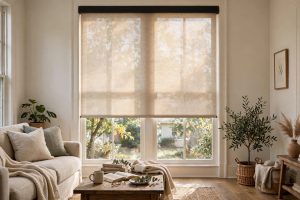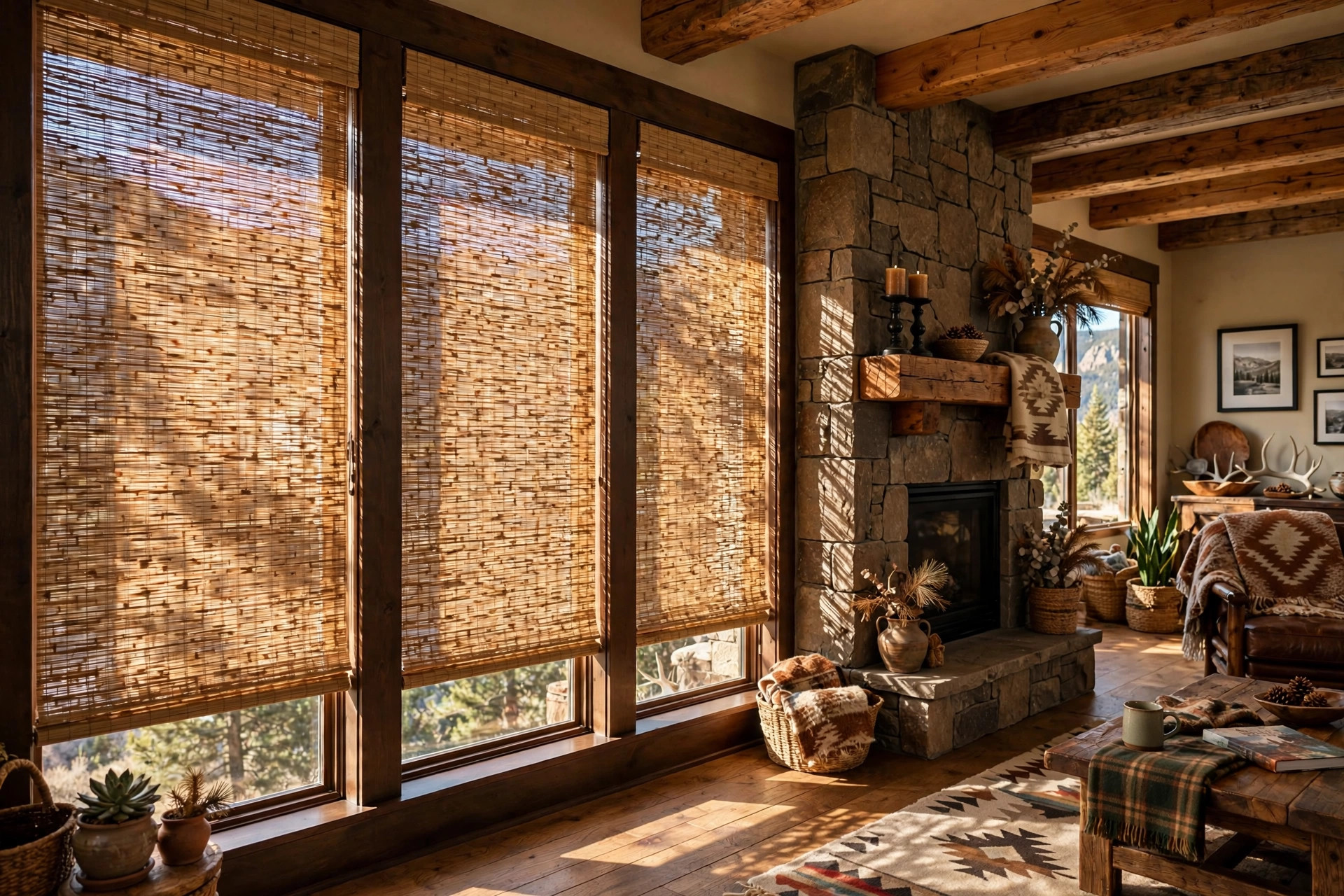

If you live in the Mile High State and want a warm, natural look for your windows, you may be asking where to buy woven wood shades in colorado. These shades are made from bamboo, reed, rattan, jute, and other grasses. The strands are woven into flat panels that roll up or fold down like a roman shade. They soften harsh sun, add rich texture to a room, and bring an earthy feel that suits mountain cabins, ranch houses, and city condos alike.
Colorado shoppers have more choices than most people expect. Local window covering shops in Denver, Boulder, Fort Collins, and Colorado Springs carry woven wood shades and send a specialist to your home to measure. Big national chains stock them too. Online sellers ship custom sizes to any Colorado address, from the plains to the high country. Prices, materials, and quality vary widely, so it pays to learn the basics before you spend your money.
This guide covers where to buy woven wood shades in Colorado, what they cost, which types hold up best in dry mountain air, and how to keep them looking good for years.
Why Woven Wood Shades Suit Colorado Homes
Colorado sits a mile or more above sea level in many towns. The sun is strong here, even in winter. Bare windows can fade furniture and heat a room fast. Woven wood shades cut the glare while still letting in soft, filtered light. The room stays bright but easy on the eyes.
The look fits the state well. Woven shades made of bamboo and rattan match pine beams, stone fireplaces, and leather furniture. They also work in modern homes, where their texture softens hard lines of steel and glass. Designers call this style warm and organic. It has been popular for decades and shows no sign of fading.
Dry air is another factor. Colorado air is very dry most of the year. Solid wood blinds can shrink and warp in such air. Woven wood shades are more forgiving. The weave flexes with small changes in humidity. With basic care, they last many years in this climate.
Privacy is a common need in crowded Denver neighborhoods. A tight weave with a privacy liner blocks outside views during the day and gives full cover at night. In rural areas, an open weave lets you enjoy mountain views while still taming the sun.
What to Look for When You Choose: Where to Buy Woven Wood Shades in Colorado
Material
Bamboo is the most common choice. It is light, strong, and takes stain well. Rattan is thicker and more rugged. Reeds and grasses give a finer, softer look. Jute has a rich brown tone. Each material has its own color range, from pale blond to dark walnut.
Weave Tightness
The weave controls light and privacy. An open weave lets light pour in and shows off the texture. A tight weave gives more privacy and less glare. If the window faces a street or a neighbor, choose a tight weave or add a liner.
Liner Options
Many woven wood shades come with an optional liner. A light-filtering liner adds privacy while keeping the room bright. A blackout liner blocks almost all light, which helps in bedrooms. You can read a detailed overview in our woven wood shades reviews and buying guide before you decide.
Measurements
Measure each window carefully. For an inside mount, measure the width in three places and use the smallest number. For an outside mount, add at least two inches on each side for good coverage. Write down every number. Many sellers offer free measuring help, and some Colorado shops will come to your home.
Mount Type and Operation
Inside mounts sit within the window frame and look clean and built in. Outside mounts cover more of the wall and block more light at the edges. Roll-up styles give a casual, beachy feel. Roman-fold styles look more tailored. Cordless lift systems are the safest choice, especially in homes with children or pets.
Types and Options
Bamboo Roman Shades
These are the classic woven wood shade. Thin bamboo slats are woven with yarn and fold up in neat pleats. They suit most rooms. An affordable bamboo roman shades buying guide can help you compare weaves and prices if your budget is tight.
Rattan and Wicker Shades
Rattan poles and wicker strands make a bolder, chunkier shade. They suit great rooms, sunrooms, and cabins. The heavy texture hides small flaws and wears well.
Reed and Grass Shades
Fine reeds and grasses create a delicate, cloth-like shade. They filter light into a warm golden tone. They are best for living rooms and dining rooms where you want a soft glow.
Roll-Up Woven Shades
Roll-up styles wind onto a dowel at the top. They are simple and low cost. Many come with a matching valance that hides the roll. They work well on porches and in casual rooms.
Lined and Unlined
Unlined shades show off the weave and give the most natural look. Lined shades add privacy, insulation, and a finished back view from the street. For a bedroom, pair a woven shade with a blackout liner. For a sunroom, skip the liner and enjoy the light.
Edge Banding and Valances
Cloth tape along the sides and bottom, called edge banding, gives the shade a finished edge and holds the weave in place. A valance across the top hides the mounting hardware. Choose banding colors that match your room.
Cost and Price in Colorado
Prices depend on size, material, and whether the shade is stock or custom. Stock sizes from big stores run about forty to one hundred twenty dollars per window. These fit common window sizes and ship fast.
Custom woven wood shades cost more. Expect one hundred fifty to four hundred dollars per window for made-to-measure shades with liners and upgraded lifts. Large windows, arched tops, and motorized lifts raise the price further.
Professional measuring and installation in Colorado usually adds fifty to one hundred dollars per window. Some local shops include measuring in the price when you buy from them. Ask before you sign.
What drives the price? Tighter weaves cost more because they use more material. Exotic rattan costs more than plain bamboo. Liners, cordless lifts, and motorized controls each add to the bill. A plain unlined roll-up shade is the cheapest path to the woven look.
Watch for sales. Window covering stores run big sales around holidays like Labor Day and Presidents Day. Online sellers often offer twenty to thirty percent off during these events. If you are covering many windows, buying during a sale can save hundreds of dollars.
Where to Buy Woven Wood Shades in Colorado
Local Window Covering Shops
Local shops are the best choice if you want expert help. Stores in Denver, Boulder, Colorado Springs, Fort Collins, and Grand Junction carry woven wood shades from brands like Hunter Douglas and Graber. A shop specialist visits your home, measures each window, and shows you fabric samples in your own light. This service matters in Colorado, where strong sun can change how a color looks at different hours.
Search for “window treatment stores near me” and read reviews before you book a visit. Ask how long the shop has been in business and whether they handle their own installation. A shop that measures and installs with its own crew usually gives smoother results.
Big Home Improvement Stores
National chains such as The Home Depot and Lowe’s stock woven wood shades in many Colorado locations. You can see samples in person and take stock sizes home the same day. Their websites let you order custom sizes that ship to your door or to the store. Staff can cut shades to width in some departments, though custom orders give a cleaner fit.
Specialty Blind Retailers Online
Online blind stores often have the widest choice of weaves and colors. Blinds.com sells many woven wood lines with free samples, so you can check the color at home before you order. Their site walks you through measuring step by step. Free shipping to Colorado addresses is common.
Home Decor Stores
Large home stores like IKEA and Wayfair sell budget-friendly woven and bamboo shades. IKEA stores in the Denver area carry natural-fiber shades at low prices. Wayfair offers hundreds of styles online with customer reviews and photos. These are good options for rental homes or for rooms where you want the look at low cost.
Home Advice and Inspiration
Before you buy, browse photo galleries and guides at places like The Spruce and HGTV to see how woven wood shades look in real rooms. Guides at Bob Vila explain measuring and installation in plain language. Independent testing groups like Consumer Reports publish window treatment ratings that can help you compare brands.
Care and Upkeep
Woven wood shades are easy to care for. Dust them once a month with a soft brush, a dry cloth, or the brush head of your vacuum. Work from top to bottom so dust falls away from the shade.
Do not soak them. Colorado’s dry air already pulls moisture from natural fibers, and soaking can cause warping or mildew as they dry. If a shade gets a spot, dab it gently with a barely damp cloth and let it air dry. Never use harsh cleaners or bleach.
Sun is strong at altitude. Shades on south and west windows will fade over time. A liner slows fading and adds life to the shade. Rotating which shades stay down during peak sun hours also helps.
Small repairs are simple. If a lift cord frays, most makers sell cord repair kits. If a bamboo slat cracks, you can often weave in a matching piece from the bottom of the shade. Keep the care booklet that comes with your shades.
Once a year, check the mounting brackets and screws. Dry wood trim in Colorado can loosen over time. Tighten any loose screws so the shade hangs level and operates smoothly.
Safety Notes
Window covering cords are a known hazard for small children and pets. Loose cords can wrap around a child’s neck. The U.S. Consumer Product Safety Commission urges parents to use cordless window coverings or to keep cords out of reach.
The safest choice is a cordless lift. Most woven wood shades now come in cordless versions at little or no extra cost. If you already own corded shades, use cord cleats to wrap cords high on the wall, well out of a child’s reach. Move cribs and beds away from windows with cords.
Mount hardware must hold the shade’s weight. Woven wood shades are heavier than they look. Use the brackets that come with the shade and anchor them into studs or use proper wall anchors. If you are not sure, hire a professional installer.
Frequently Asked Questions
Do woven wood shades work in Colorado’s dry climate?
Yes. They handle dry air better than many solid wood blinds. The weave flexes with small humidity changes. Keep them dusted and avoid soaking them, and they will last for years.
Can I get blackout woven wood shades for a bedroom?
Yes. Order the shade with a blackout liner. The liner hangs behind the woven panel and blocks nearly all light. For a similar natural look with extra quiet, see our guide to noise reducing bamboo roman shades for texas homes, which covers lined options in detail.
How long does a custom order take in Colorado?
Most custom woven wood shades take two to four weeks from order to delivery. Add a week or two more if you need in-home measuring and professional installation. Order early if you are working toward a move-in date or a holiday.
Are woven wood shades energy efficient?
They give mild insulation by trapping a thin layer of air at the window. A shade with a liner insulates better than an unlined one. They are not as insulating as cellular shades, but they do cut heat gain on sunny days.
Can I install woven wood shades myself?
Most handy homeowners can. The shade comes with brackets and screws, and basic tools are enough. The hard part is measuring correctly. If your windows are out of square or very large, hire a professional to avoid costly mistakes.
Do woven wood shades fade in strong mountain sun?
All natural fibers fade slowly in strong sun. South-facing windows cause the most fading. A liner protects the back of the shade and slows color loss. Choosing a mid-tone stain also hides fading better than very light or very dark colors.
A Final Word
Woven wood shades are a natural fit for Colorado homes. They tame strong mountain sun, add warmth and texture, and suit styles from rustic cabin to modern loft. Shop local stores for expert measuring, check big chains for stock sizes, or order custom shades online for the widest choice. Compare materials, weaves, and liners, and always choose cordless lifts in homes with children. With simple care, your shades will look good for many years.
References
Blinds.com. (n.d.). Window blinds, shades, and shutters. https://www.blinds.com Bob Vila. (n.d.). Home improvement advice. https://www.bobvila.com Consumer Reports. (n.d.). Product reviews and ratings. https://www.consumerreports.org HGTV. (n.d.). Home and garden ideas. https://www.hgtv.com IKEA. (n.d.). Home furnishings. https://www.ikea.com Lowe’s. (n.d.). Home improvement products. https://www.lowes.com The Home Depot. (n.d.). Home improvement products. https://www.homedepot.com The Spruce. (n.d.). Home and garden advice. https://www.thespruce.com U.S. Consumer Product Safety Commission. (n.d.). Product safety information. https://www.cpsc.gov Wayfair. (n.d.). Furniture and home goods. https://www.wayfair.com
Was this guide helpful?

About Lisa Anderson
The My Garden US editorial team writes practical, in-depth home and garden guides for American homeowners — tested advice, no fluff.
You May Also Like
The Best Motorized Roller Shades for USA Homes: A Plain Buyer’s Guide
March 31, 2026 0 views
Energy Efficient Zebra Dual Layer Shades for Sale: A Buyer’s Guide
January 9, 2026 0 views
Machine Washable Curtains Reviews and Buying Guide
April 24, 2026 0 views