
Introduction
Choosing a finish for wood floors is a big decision. The finish protects the wood. It also sets the look of the room. Water based polyurethane for floors reviews help buyers make the right call. These reviews come from real home owners. They also come from floor pros. They cover the top products on store shelves.
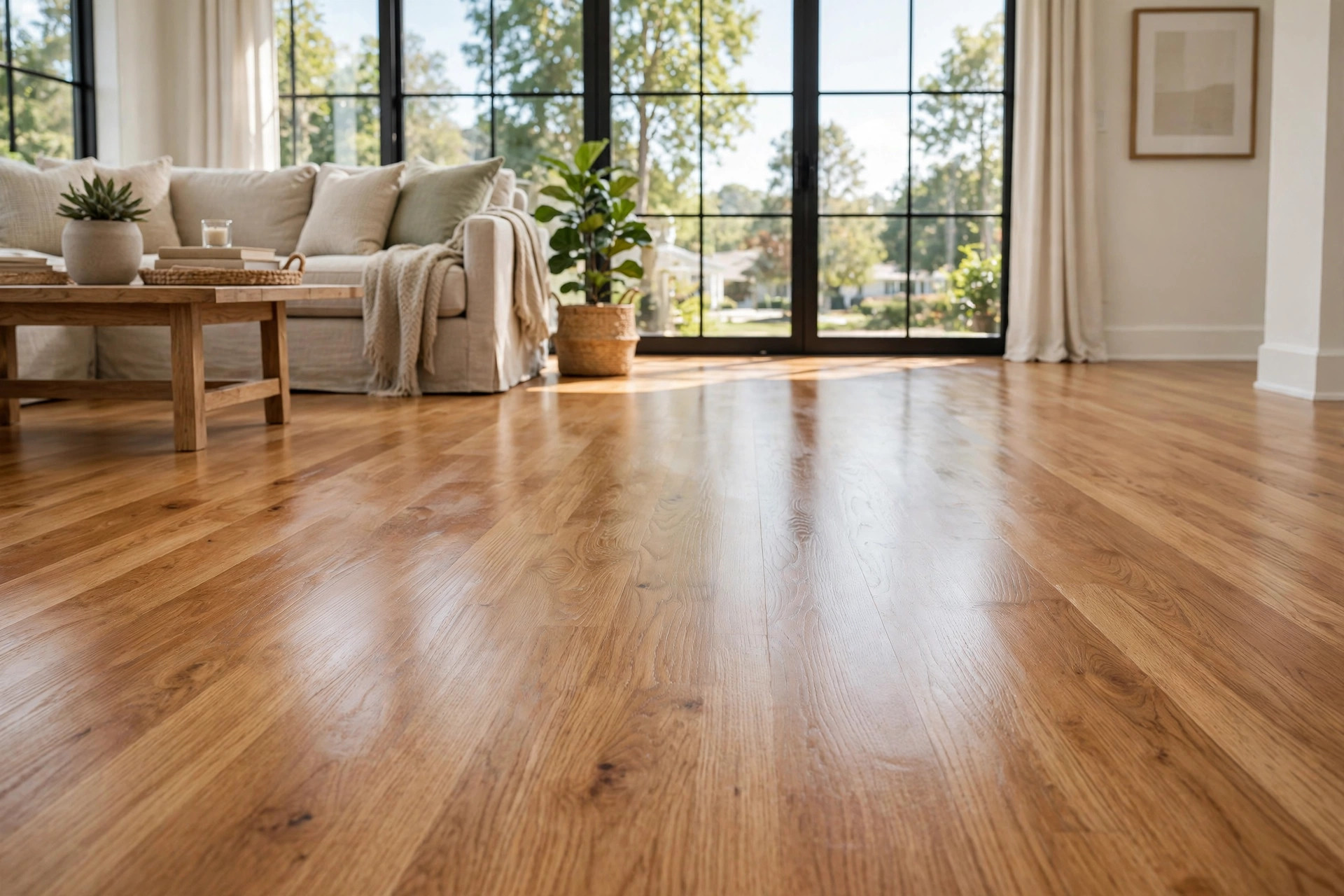
A water based polyurethane is a clear coat made with water as the base. It dries fast. It has low odor. It keeps the natural color of the wood. That is why so many people read water based polyurethane for floors reviews before they buy. In this guide, we walk through what these finishes do. We compare the main types. We cover cost. We share care tips. And we answer the most common questions.
Why Water Based Polyurethane Matters: Water Based Polyurethane for Floors Reviews
Wood floors take a lot of wear. Shoes, pets, and furniture all wear the surface down. Without a strong finish, wood scratches fast. It also stains fast. A good polyurethane coat gives the floor a hard shield. That shield takes the abuse so the wood does not have to.
Oil based finishes were the old standard. They had a strong smell. They took many hours to dry. They also turned amber over time. That yellow tint changed the look of light woods. Water based polyurethane for floors reviews often praise the modern water formula. It dries in a few hours. The smell is mild. The color stays clear.
For busy homes, this matters a lot. Families with dogs and kids need a floor they can use fast. A finish that dries in two to four hours lets life go on. That is a big point in many water based polyurethane for floors reviews.
What to Look for in a Water Based Polyurethane
Not all water based products are the same. Some are single part. Some are two part. Here are the main things to check.
Durability Rating
Look at the product label. Many brands rate their finish for foot traffic. Some are made for homes. Others are made for shops and offices. For a busy home, pick a product rated for heavy use. A refinishing hardwood floors cost calculator is handy, but note that the finish is only one part of that total cost.
Number of Coats
Most water based products need three to four coats. Thinner coats are best. Each coat must dry before the next. Check the recoat time on the can. It is often two to three hours. That fast time is a key point in water based polyurethane for floors reviews.
Sheen Level
Water based polyurethane comes in several sheens. Gloss is bright and shiny. Semi-gloss is a step down. Satin is soft and low key. Matte is flat and calm. Satin is the most popular choice in homes. It hides dust and small marks well. Gloss shows every flaw. Pick the sheen that fits your room and your taste.
Two Part vs. Single Part
Single part products are easy to use. You open the can and apply. Two part products mix a finish with a hardener. The two part kind is harder and lasts longer. Many pros use it for high traffic floors. It costs more and has a short pot life. That means you must use it within a few hours after mixing.
Types of Water Based Polyurethane for Floors
Acrylic Water Based Polyurethane
This is the simplest type. It is clear and fast drying. It works well on light woods. It does not change the wood color. Reviews say it is easy for first time users. It may wear faster than other types in busy homes.
Acrylic Urethane Blends
These mix acrylic with urethane resins. They are tougher than plain acrylic. Many store brands fall in this group. They give a good balance of price and wear. Most water based polyurethane for floors reviews rate these as a solid middle choice.
Cross Linked Polyurethane
These products add a cross linker to the mix. Some need you to add it by hand. Others have it built in. The result is a harder film. It resists scuffs and water spots better. Floor pros often pick this type for living rooms and hallways.
Two Component Commercial Grade
This is the top tier. A hardener is mixed in before use. The finish cures very hard. It stands up to pets, shoes, and chair legs. It costs the most. It also has the shortest working time. Many top-rated water based polyurethane for floors reviews name a two component product as the best for durability.
How Water Based Compares to Oil Based
It helps to see the two side by side.
Water based dries fast. Oil based dries slow. Water based has low odor. Oil based has strong fumes. Water based stays clear. Oil based turns amber. Water based cleans up with water. Oil based needs mineral spirits.
Oil based still has fans. Some say it gives a richer depth. It can be cheaper per can. But most new homes use water based. Building codes in many states limit oil based products. If you are sanding your own floors, read about hardwood floor installation cost near me to decide if you should hire a pro or do the work yourself.
For most home owners, water based is the safer and simpler pick. The low smell alone makes the job easier. You can sleep in the house the same night.
Cost and Price Guide
A gallon of water based floor polyurethane costs between 50 and 130 dollars. Store brands sit at the low end. Pro grade two part products sit at the high end. One gallon covers about 400 to 500 square feet per coat. A normal room needs three coats. So plan on one gallon per 130 to 160 square feet of floor.
Do not forget the other costs. Sandpaper, applicators, and tack cloths add up. A lambs wool or microfiber applicator costs about 15 dollars. Floor sanding rental can cost 60 to 80 dollars a day. If a pro does the job, labor often costs 3 to 8 dollars per square foot. The finish is only part of that price.
Reviews often note the real value. A pricier finish may need one less recoat over ten years. That can save money in the long run. Think about cost per year, not just cost per can.
How to Apply Water Based Polyurethane
Good prep is half the job. Sand the floor smooth. Start with coarse paper and move to fine. Most jobs end at 120 grit. Vacuum well. Then wipe with a tack cloth. Dust in the finish looks bad.
Stir the can gently. Do not shake it. Shaking makes bubbles. Bubbles stay in the dry coat. Pour the finish into a clean tray. Work along the grain of the wood. Use long, even strokes. Keep a wet edge. Do not go back over drying areas.
Let each coat dry fully. Lightly sand between coats with 220 grit. This is called screening. It helps the next coat grip. Wipe up the dust before the next coat. Apply three to four coats in total.
Temperature matters. Most products want 60 to 80 degrees. Humidity should be low to mid. Cold or damp air slows drying. Many product guides on sites like The Spruce and This Old House give room setup tips for floor finishing.
Care and Upkeep
A water based finish is easy to care for. Sweep or vacuum often. Grit is the main enemy. Small stones scratch any finish. Use felt pads under chair legs. Lift furniture instead of dragging it.
Clean with a damp mop and a wood floor cleaner. Do not use steam mops. Heat and steam can harm the finish. Do not use oil soap. It leaves a film that dulls the coat. A best vacuum for hardwood floors reviews usa list can help you pick a safe vacuum with soft wheels.
Recoat every three to seven years in busy areas. You do not need to sand to bare wood. A light screen and one or two fresh coats bring back the shine. Watch for worn spots near doors. Recoat before the wood shows through.
Safety Notes
Water based polyurethane is safer than oil based. Still, take care. Wear a mask when sanding. Wood dust is bad for the lungs. Wear gloves when handling the finish. Keep the room aired out.
Two part products need more care. The hardener has strong chemicals. Use a respirator made for such products. Follow the label exactly. Keep kids and pets out of the room until the finish cures. Full cure can take seven days. The floor feels dry sooner. But it is still soft inside. Go easy on it for the first week.
Common Problems and Fixes
Bubbles happen when the can is shaken or the coat is too thick. Let the coat dry. Sand the bubbles out. Recoat with a thin layer. Streaks come from a dry edge. Work faster and keep the edge wet.
Cloudy spots can mean the coat went on too thick. Or the air was too humid. Sand lightly and recoat on a dry day. Peeling means the last coat did not bond. You likely skipped the screen step. Sand the loose coat off and start that layer again.
Many water based polyurethane for floors reviews share these same fixes. Pros agree that thin coats solve most issues.
Where to Buy and Learn More
Big box stores carry the main brands. Home Depot and Lowes stock both store brands and pro lines. Floor supply shops carry harder to find products. Online guides add detail. LL Flooring posts floor care advice. Shaw Floors has wood floor guides. Mohawk Flooring covers finish options for its floors. Daltile focuses on tile, but its care pages teach good habits for all hard floors. How-to sites like Bob Vila and Family Handyman walk through sanding and coating step by step.
Read the reviews on the store site before you buy. Look for reviews from people with your floor type. A review from an oak floor owner helps more than one from a pine floor owner.
Frequently Asked Questions
How long does water based polyurethane last on floors?
Most last five to ten years in a home. Busy areas wear faster. Quiet bedrooms can go longer. Two part products last at the high end. Recoating on time keeps the wood safe.
Does water based polyurethane yellow over time?
It stays much clearer than oil based. Most brands claim little to no ambering. Some very cheap products can tint slightly. Top rated products in water based polyurethane for floors reviews stay clear for years.
Can I put water based polyurethane over oil based?
Yes, with prep. The oil coat must be fully cured. Sand it well and clean the dust. Test a small spot first. If it bonds, you can coat the whole floor. If it peels, sand more.
How many coats of water based polyurethane do I need?
Three coats is the norm. Four is better for busy homes. Each coat adds wear layer. Thin coats beat thick ones. Do not try to save time with two heavy coats.
How soon can I walk on the floor?
Light foot traffic is fine after 24 hours for most products. Wait 48 to 72 hours for furniture. Full cure takes about seven days. Keep rugs off for at least a week.
Is water based polyurethane safe for pets?
Once cured, yes. During the job, keep pets out. The fumes are mild but still not good for animals. Two part products need more airing out. Wait until the smell is gone before pets return.
A Short Final Word
Water based polyurethane for floors reviews point to a clear trend. Water based finishes are now the top pick for most homes. They dry fast. They smell mild. They keep wood looking natural. Pick the right type for your traffic level. Prep well. Apply thin coats. Care for the floor after. Do that, and your wood floors will look great for years.
References
Bob Vila. (n.d.). Home improvement advice. https://www.bobvila.com Daltile. (n.d.). Ceramic and porcelain tile. https://www.daltile.com Family Handyman. (n.d.). DIY home repair and maintenance. https://www.familyhandyman.com LL Flooring. (n.d.). Hardwood, vinyl, and tile flooring. https://www.llflooring.com Lowe’s. (n.d.). Home improvement products. https://www.lowes.com Mohawk Flooring. (n.d.). Flooring products. https://www.mohawkflooring.com Shaw Floors. (n.d.). Flooring products. https://www.shawfloors.com The Home Depot. (n.d.). Home improvement products. https://www.homedepot.com The Spruce. (n.d.). Home and garden advice. https://www.thespruce.com This Old House. (n.d.). Home renovation guidance. https://www.thisoldhouse.com
Was this guide helpful?

About Sarah Mitchell
The My Garden US editorial team writes practical, in-depth home and garden guides for American homeowners — tested advice, no fluff.
You May Also Like

Ruggable vs Revivo Rug Comparison USA: Which Washable Rug Brand Wins
August 25, 2026 0 views
Flagstone Patio Installation Cost Near Me: A Homeowner’s Guide
July 25, 2026 0 views
Workshop Flooring Options for Home Garage
September 12, 2026 0 views