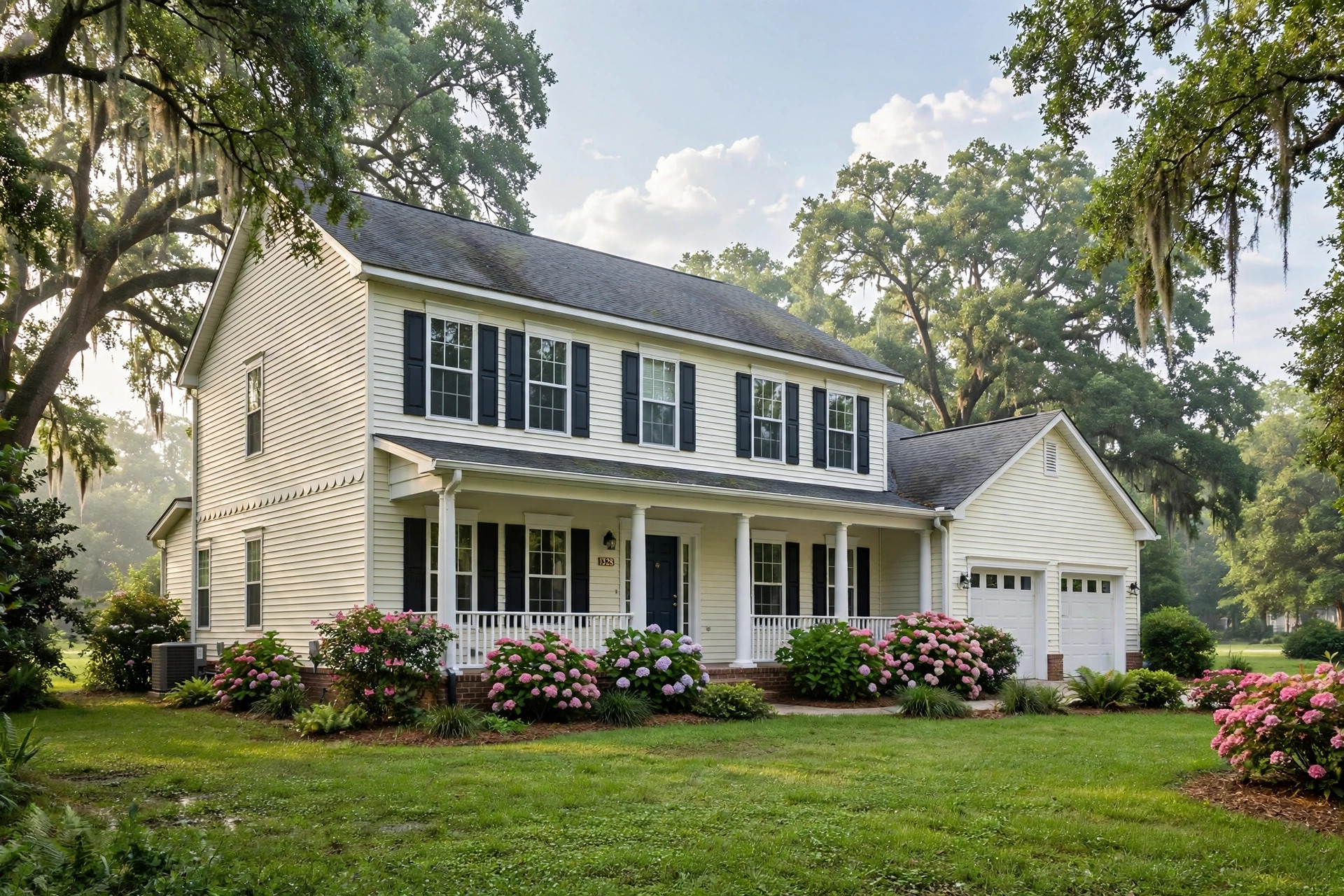

Homeowners in warm, wet regions learn a hard lesson early. Moisture is the quiet enemy of every house. It works its way behind weak cladding. It feeds mold inside wall cavities. It swells wood trim and peels paint within a few seasons. Top rated insulated vinyl siding for humid climates answers this problem with a two-part design. A durable vinyl shell stands against rain and sun. A contoured foam core sits behind it and seals the gaps that plain siding leaves open. The pairing gives the home a straight, rigid wall face and an extra layer of thermal protection.
This guide explains what makes insulated vinyl siding a smart pick for damp regions. It covers how to judge quality, which styles are available, what the work should cost, and how to keep the walls looking new.
Why It Matters
The wall is the largest surface on any home. Every inch of it faces the weather. In humid climates the wall takes three kinds of punishment at once. First comes heat. Dark siding absorbs solar energy and the surface can reach temperatures far above the outdoor air. Second comes moisture. Humid air pushes water vapor into the wall assembly from the outside. Wind-driven rain finds its way under laps and into joints. Third comes growth. Mold, mildew, and algae thrive where warmth and dampness meet a food source.
Plain hollow vinyl siding leaves a gap between the panel and the sheathing. Air moves through that gap and carries moisture with it. Insulated vinyl siding fills the back of each panel with shaped foam, usually expanded polystyrene. The foam keeps the panel straight and stiff and blocks much of the air movement behind the cladding. It also raises the effective R-value of the wall, often between R-2 and R-5.
Straightness matters for more than looks. A rigid panel holds its lap joints tight so they shed water instead of wicking it inward. Tight joints also resist wind uplift during storms. Many top products carry ratings for wind speeds above one hundred miles per hour.
Cooling costs dominate utility bills in the South. Heat moves through walls by conduction, and the foam core slows that path. It also reduces thermal bridging at wall studs. The ENERGY STAR program publishes guidance on building envelopes and cooling loads, which shows how wall insulation fits into the bigger energy picture. Siding alone will not fix a badly insulated house, but as part of an envelope upgrade it pulls its weight.
What to Look for When You Choose: Top Rated Insulated Vinyl Siding for Humid Climates
Not every product with foam on the back deserves a top rating. Buyers should judge several features before they compare brands.
Panel Thickness and Foam Density
Vinyl panels are measured in mils, or thousandths of an inch. Thicker panels resist denting from hail and lawn debris. Premium insulated products run thicker than economy grades. The foam should be at least one and a quarter inches at its thickest point. Dense foam holds the panel profile better and adds more thermal value.
Heat and Fade Resistance
Humid regions also get strong sun. Dark colors absorb heat, and heat can warp vinyl. Top rated lines use heat-reflective pigments or cap-stock technology that keeps the surface cooler. Look for a fade warranty of at least twenty-five years. Some makers warrant color for the life of the product. Read the fine print. A warranty that covers only fading above a certain threshold may not protect a south-facing wall.
Moisture Management
No siding is waterproof by itself. Water will get behind it. What matters is how fast the wall dries out. Good insulated products leave a drainage path so water exits at the bottom. The foam should be moisture-resistant. A breathable house wrap behind the siding adds a second line of defense.
Wind Rating and Lock Design
Check the wind rating on the product data sheet. Coastal zones often call for one hundred ten miles per hour or more. A sloppy lock opens in a storm and admits water. Professional reviews at Consumer Reports rate cladding products on strength and weather performance, which gives shoppers an independent second opinion beyond the sales brochure.
Third-Party Certification
Trustworthy products carry independent certification. Look for compliance with ASTM D3679, the standard specification for rigid vinyl siding. Insulated products may also reference ASTM C578 for the foam. Certification means a lab tested the product, not just the maker’s own quality team. Product data sheets from makers such as CertainTeed list these ratings for each line, which makes side-by-side comparison easier.
Types and Options
Insulated vinyl siding comes in the same profiles as standard vinyl. Each profile suits a different house style and a different budget.
Dutch lap is the most common profile. Each panel has a curved notch near the top that casts a shadow line like wood clapboard. It is a safe choice for ranch homes, colonials, and most suburban houses.
Board and batten gives a vertical look with wide boards and narrow battens. It suits farmhouse and cottage styles popular across the South. Vertical panels shed water well, which is a plus in heavy rain zones.
Shake and shingle profiles copy cedar shakes without the upkeep. They work as accent walls on gables and entryways. The textured surface hides dust and splash stains better than smooth panels.
Log profiles mimic milled logs for cabin looks. They are less common but available in a few premium lines.
Color choice carries extra weight in humid regions. Light and medium tones reflect more heat. White, cream, sand, and pale gray stay cooler and show less fading over time. Deep blues and dark browns look striking but run hotter. If the heart is set on a dark color, pick a line with documented heat-deflection performance. Practical color and style ideas appear in the guides at The Spruce, which shows how siding choices pair with trim and roofing.
Trim matters too. Corner posts, J-channels, and fascia should match the panel quality. Insulated trim boards are worth the upgrade. They finish window and door openings with the same straight, rigid lines as the walls.
Some makers also sell fiber cement as an alternative for the same climate. Fiber cement resists moisture and insects extremely well, though it costs more and needs paint. Shoppers weighing both options can compare performance notes at James Hardie, a leading fiber cement maker.
Cost and Price
Insulated vinyl siding costs more than plain vinyl and less than most premium claddings. Material prices move with resin markets and freight, so numbers below are ranges, not quotes.
For materials only, insulated panels often run two to four dollars per square foot. Installed, a full house commonly lands between eight and fourteen dollars per square foot. A typical two-story home of two thousand square feet of wall area might cost between sixteen thousand and twenty-eight thousand dollars installed. Large homes with complex rooflines run higher because of trim and labor.
Labor is the biggest variable. Good installers charge more because the foam-backed panels take more care to set straight. A detailed breakdown of what drives installed pricing helps set a fair budget; a useful starting point is this vinyl siding installation cost guide, which walks through material grades and labor factors. For a side-by-side look at how insulated products price against standard vinyl, see this insulated vinyl siding price comparison. Retailer project guides at Home Depot and Lowe’s show how material grades and house size move those numbers.
Several factors push a quote up or down:
– Old siding removal. Stripping old wood or aluminum adds one to two dollars per square foot. Some crews install over one old layer, which saves money but can hide rot. – Wall repairs. Rotten sheathing found during tear-off must be fixed. Budget a contingency of ten percent. – Trim and accessories. New corner boards, soffit, and fascia add cost but finish the job right. – House height. Scaffolding for a three-story home costs more.
Get at least three written bids. Each bid should name the product line, the foam thickness, the warranty terms, and the scope of trim work. A bid that only says “vinyl siding” is not detailed enough to compare.
Care and Upkeep
One of the strongest selling points of insulated vinyl siding is low upkeep. It needs no paint. It needs no stain. But “low upkeep” is not “no upkeep,” especially in humid country where algae and mildew grow on almost any outdoor surface.
Wash the walls once a year with a garden hose, a soft brush, and mild soap. Work from the bottom up so dirty water does not streak clean panels above, then rinse from the top down. Avoid high-pressure washers, which drive water behind the panels and force the locks apart.
Green or black streaks on the shaded north side are usually algae or mildew. A solution of household bleach and water, one part bleach to three parts water, kills the growth. Rinse the wall well afterward. Gentle cleaning methods are also explained in the home guides at Family Handyman.
Inspect the walls each spring. Walk the perimeter and look for loose panels, cracked corners, and caulk that has pulled away from trim. Small problems are cheap to fix early. A loose panel after a storm can usually be re-snapped by a siding hand with a simple zip tool. Do not ignore a panel that flaps in the wind. Each gust works the nail hem and widens the problem.
Keep plants and mulch a few inches below the bottom course. Soil contact holds moisture against the siding and invites splash-back stains. Keep gutters clean so overflow does not sheet down the walls. These small habits extend the life of any cladding in a damp climate.
Safety
Siding work and siding ownership both carry safety notes that buyers should not skip.
During installation, the crew works at height around ladders and scaffolds. Confirm the contractor carries liability and workers compensation insurance. Keep children and pets away from the work zone.
In daily life, vinyl siding softens and melts near intense heat. Keep barbecue grills, fire pits, and patio heaters several feet from the wall. Reflected sun from low-energy windows can also focus heat onto siding and warp it. An awning or screen on the problem window solves it.
In storms, insulated panels with high wind ratings hold well, but no siding is storm-proof. After a hurricane or severe thunderstorm, inspect for missing or cracked panels. Cover openings with tarps until repairs are made. More on storm-ready exteriors appears in the expert articles at Bob Vila.
Fire safety deserves a line. Vinyl siding is not fireproof. It meets building code flame-spread rules, but it will burn in a full structure fire. Maintain the defensible space around the home that local fire guidance recommends, especially where wildland meets suburb.
Frequently Asked Questions
Is insulated vinyl siding good for humid climates?
Yes. It is one of the better cladding choices for damp regions. The vinyl shell does not absorb water and does not feed mold. The foam core keeps panels straight so joints shed rain. The added R-value trims cooling costs during long hot seasons. Buyers focused on the Sunshine State can study this top rated insulated vinyl siding for Florida homes resource, which lists the traits that matter most there.
Does insulated vinyl siding stop mold?
It does not feed mold. Mold needs food, and vinyl offers none. However, mold can still grow on dirt and pollen sitting on the vinyl in deep shade. Annual washing removes that film. Keep the wall dry from the inside too. Bathroom and kitchen exhaust fans must vent outdoors.
How long does insulated vinyl siding last in the South?
A quality installation typically lasts thirty to fifty years. What ends a siding job early is usually storm damage, poor installation, or trapped moisture. A transferable lifetime warranty from a major maker protects the investment.
What R-value does insulated vinyl siding add?
Most products add between R-2 and R-5 to the wall assembly. The exact number appears on the product data sheet. This is a real gain, but it is not a substitute for cavity insulation. Think of the foam as a bonus layer, not the main insulation.
Can new siding go over old siding?
Often yes, and many installers offer it to save tear-off cost. Building codes in most states allow one layer of siding over one old layer. The old surface must be flat and sound. Going over old siding hides rot, though, and the foam backing cannot flatten a wavy wall. For the straightest result, a complete tear-off is the better practice. It costs more up front and pays back in a longer, trouble-free life.
Does the foam backing attract pests?
The foam itself is not food for insects. Termites eat wood, not polystyrene. That said, any siding can shelter pests if gaps exist. Good installers seal the bottom course and keep the panels tight to the wall. Keep mulch and soil below the siding line. Annual perimeter checks by a pest firm catch problems early in termite country.
Final Word
Choosing cladding in a humid climate is really a choice about moisture. The products that last shed water, dry fast, and give mold nothing to eat. Top rated insulated vinyl siding for humid climates checks each of those boxes while adding stiffness, wind strength, and a modest energy boost. Buy on specifications rather than on price alone. Confirm the panel thickness, the foam density, the wind rating, and the warranty in writing. Then wash the walls once a year and walk the perimeter each spring. Done right, the siding will serve the house for decades while the air conditioner runs a little less each summer.
References
Bob Vila. (n.d.). Home improvement advice. https://www.bobvila.com CertainTeed. (n.d.). Building materials and exterior products. https://www.certainteed.com Consumer Reports. (n.d.). Product reviews and ratings. https://www.consumerreports.org ENERGY STAR. (n.d.). Energy efficient products. https://www.energystar.gov Family Handyman. (n.d.). DIY home repair and maintenance. https://www.familyhandyman.com James Hardie. (n.d.). Fiber cement siding and exterior products. https://www.jameshardie.com Lowe’s. (n.d.). Home improvement products. https://www.lowes.com The Home Depot. (n.d.). Home improvement products. https://www.homedepot.com The Spruce. (n.d.). Home and garden advice. https://www.thespruce.com This Old House. (n.d.). Home renovation guidance. https://www.thisoldhouse.com
Was this guide helpful?

About Sarah Mitchell
The My Garden US editorial team writes practical, in-depth home and garden guides for American homeowners — tested advice, no fluff.
You May Also Like
Best Replacement Window Installation Near Me: A Simple Guide for Homeowners
August 25, 2026 0 views
Best House Number Plaques Buying Guide
March 28, 2026 0 views
Where to Buy Double Hung Windows in Texas: A Complete Guide
May 16, 2026 0 views