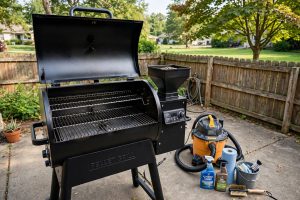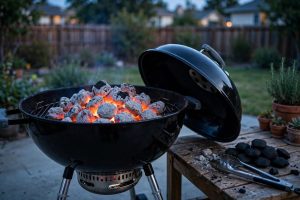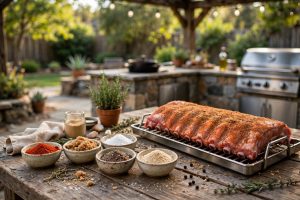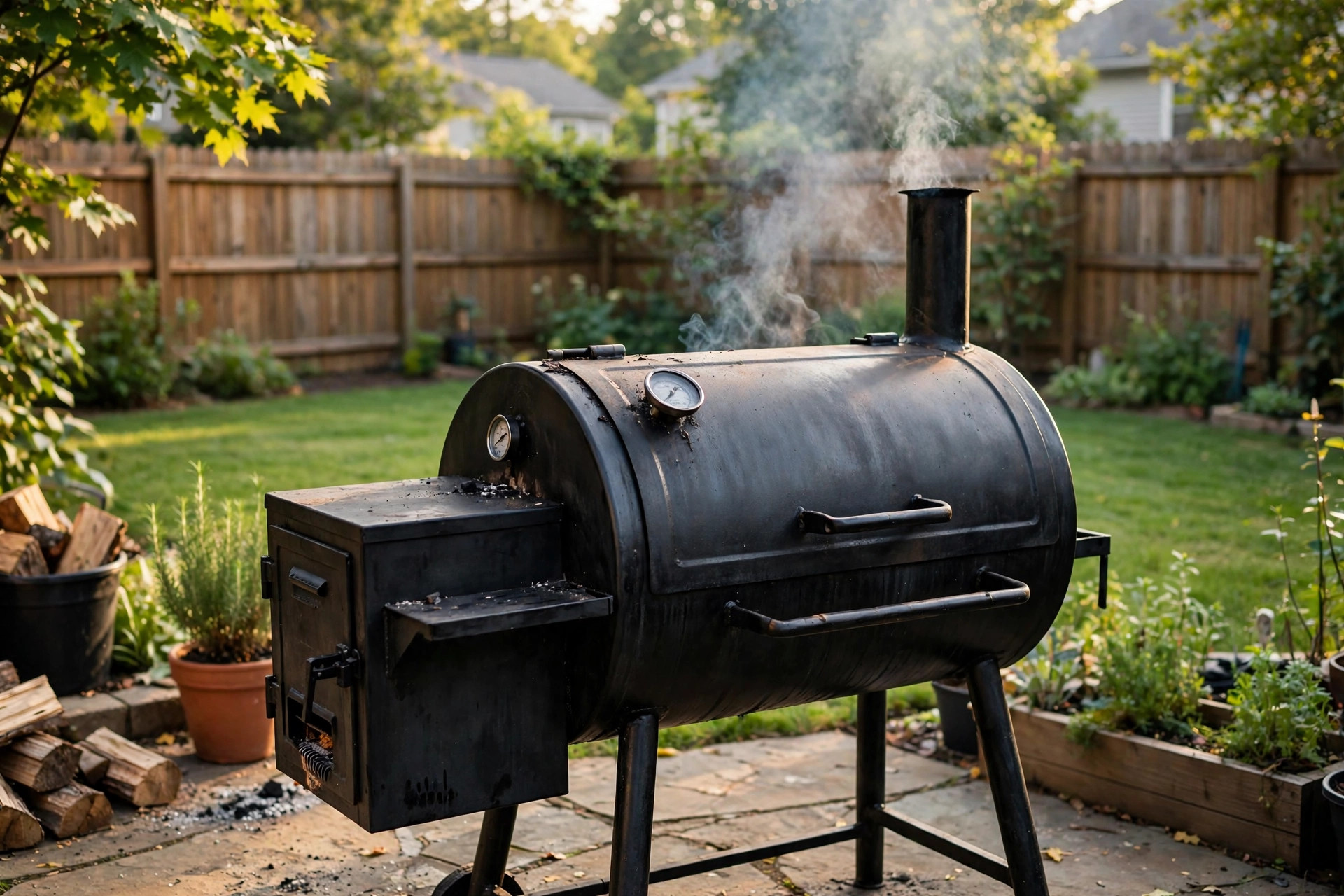
Many people type the phrase smoker for sale near me used into a search box each spring. They want the slow smoked flavor of brisket and ribs, but they do not want to pay the full store price. A used smoker can be a smart buy. Many owners sell smokers that still have years of life left. They move to a new home, they upgrade to a larger model, or they simply stop cooking outdoors. Their loss can be your gain if you know what to check before you hand over money.
This guide walks you through the process step by step. It covers why a used smoker makes sense, what to look for, the types you will find, fair prices, upkeep, and safety. Read it through once, then use it as a checklist when you go to look at a machine in person.
Why a Used Smoker Makes Sense
A new smoker is not cheap. A good offset model can cost five hundred dollars or more. Pellet smokers and large kamado cookers can cost twice that. For a person who is just learning, that is a big sum to spend on something unproven. A used smoker cuts the price in half in many cases. Sometimes it cuts the price by two thirds.
There is another benefit few buyers think about. A smoker is a simple machine. It has few moving parts. A steel drum, a firebox, and a vent can last for decades if they are cared for. Unlike a gas grill with burners and ignition switches that fail, most smokers have little that can break. That makes the secondhand market a good place to shop.
Used smokers also season over time. Cooks call it seasoning when smoke and grease coat the inside walls of a cooker. A well seasoned smoker holds heat well and adds flavor to meat. A new smoker needs many cooks before it reaches that state. A used one may already be there.
Where People Find a Smoker for Sale Near Me Used
Search results for a smoker for sale near me used point to several common places. Local classified ads, garage sales, and online marketplaces carry most listings. Estate sales are another good source. Older cooks sometimes own fine equipment that their families sell after they pass on.
Check local hardware stores too. Some take trade ins when a customer buys a new model. They may set the used one out front with a fair price tag. Flea markets and farm auctions can turn up smokers at low prices, though you must look closely at the condition.
Timing matters. The best deals appear in late fall and winter. People clean out their garages before the cold months. Prices rise again in spring when cooking season returns. If you can wait, shop when demand is low.
What to Look for When You Inspect a Used Smoker
Bring a flashlight and take your time. Start with the body. Look for rust that goes all the way through the metal. Surface rust is normal and can be cleaned. Deep rust that flakes or leaves holes is a reason to walk away. Pay close attention to the bottom of the firebox, where ash and water collect.
Check the doors and lids. They should close snug. Gaps let heat and smoke escape. That makes the smoker hard to control. On an offset smoker, the door between the firebox and the cooking chamber takes the most heat. Make sure it is not warped.
Look at the grates. Heavy rust on the cooking grates is common, but they should still be solid. You can buy new grates in most cases. Make sure the replacements are easy to find for that model. Common brands like those from Weber have parts that are simple to order.
Open the vents. They should move freely. A stuck vent means the smoker will be hard to run at a steady temperature. Check the wheels and legs. A smoker that wobbles is hard to use and unsafe around children.
Ask the seller to light it if you can. A short test burn shows whether it holds heat. Watch the thermometer if one is built in. Many built in thermometers read wrong, so bring your own probe if you have one. Steady temperature over twenty minutes is a good sign.
Ask why the seller is parting with it. Most answers are honest. People upgrade, they move, or they lost interest. Be cautious if the seller cannot explain basic facts about the smoker. That may mean it was damaged or stored badly.
Types of Smokers You Will Meet on the Used Market
Offset Smokers
The offset smoker is the classic Texas style cooker. It has a firebox on the side and a long cooking chamber. Wood or charcoal burns in the box, and heat and smoke flow across the meat. Offset smokers give strong smoke flavor. They need more care than other types. The cook must watch the fire and adjust vents. Used offset models are common and often cheap. A Char-Broil or similar thin steel offset can sell used for under one hundred dollars.
Pellet Smokers
Pellet smokers burn small wood pellets from a hopper. An electric auger feeds the pellets, and a controller holds the temperature. They are easy to use. Set the dial and walk away. On the used market, check the auger and the electronics. Ask the seller to run it through a start up cycle. Listen for the fan and the auger motor. Electronics are the weak point. Replacement control boards can cost real money. Guides from Traeger explain how these parts should sound and act during start up.
Electric Smokers
Electric smokers use a heating element and wood chips for smoke. They are simple and good for beginners. Used electric smokers are often very cheap because they are light and easy to sell. Check that the element heats and the chip tray is not rusted through. Make sure the door seal is intact.
Kamado Cookers
Kamado cookers are egg shaped ceramic cookers. They hold heat well and can smoke, grill, and bake. The ceramic shell is strong but can crack if dropped. Inspect the shell with care. Look for hairline cracks around the hinge and the base. Replacement ceramic parts are costly. Even so, a used kamado at half price is a strong deal. Information from Big Green Egg shows how the parts fit together, which helps you spot missing pieces.
Bullet and Vertical Smokers
Bullet smokers, sometimes called vertical water smokers, are tall round cookers with stacked sections. They are cheap new and cheaper used. They work well for ribs and pork shoulder. Check that the sections stack straight and the water pan is not rusted out.
If you are new to all of this, a beginner smoker under 300 dollars may suit you better than a large offset. Start small and learn fire control before you spend more.
Cost and Price: What Is Fair
Prices for a used smoker depend on type, brand, age, and shape. A small used bullet smoker may sell for thirty to sixty dollars. A used offset smoker in fair shape may sell for seventy five to one hundred fifty dollars. A used pellet smoker often sells for one hundred fifty to three hundred dollars. A used kamado cooker may sell for three hundred to six hundred dollars, based on size and brand.
Compare the used price to the new price. A fair used price is often forty to sixty percent of new. If the smoker needs new grates, a new thermometer, or paint, subtract those costs from what you offer. Parts prices are easy to check on sites like The Home Depot before you go.
Do not be afraid to make an offer. Most sellers list a price above what they will take. A polite offer of twenty percent less is normal in this market. Bring cash in small bills. Sellers like buyers who can pay on the spot.
Watch out for deals that look too good. A high end smoker listed at a tiny price may be stolen or broken. Meet in daylight in a public place when you can. Bring a friend for large pickups.
Care and Upkeep After You Buy
Clean the used smoker before its first cook. Scrape out old ash and grease. Wash the grates with hot soapy water and a stiff brush. Rinse well and dry. Then run a hot burn for one hour with no food. This burns off old residue and shows you how the smoker behaves.
Oil the grates lightly before each cook. A thin coat of cooking oil keeps food from sticking and slows rust. Empty the ash after each use. Ash holds water and speeds rust in the firebox.
Cover the smoker when it is not in use. A good cover adds years to its life. Store it under a roof if you can. Check the paint once a year. Touch up bare spots with high heat paint made for grills and smokers.
Season the inside walls by cooking fatty meats like pork shoulder. The grease coats the metal and guards it. Do not scrub the inside walls down to bare metal. A dark seasoned interior is a good thing. For step by step care ideas, the cooking guides at The Spruce Eats offer clear plain advice for beginners.
If your smoker needs new parts, check the maker first. Many brands sell grates, thermometers, and gaskets direct. Sites like Napoleon list parts with clear diagrams so you order the right piece.
Safety Points to Keep in Mind
A used smoker is safe when it is sound and used with care. Set it on level ground away from the house. Keep it at least ten feet from walls, fences, and low trees. Never use it in a garage or under a covered porch. Smoke and carbon monoxide can build up fast in closed spaces.
Check for gas leaks if you buy a used smoker with a gas assist feature. Brush soapy water on the hose joints and look for bubbles. Replace old hoses that are cracked or stiff.
Grease fires are the main risk in any smoker. Keep a spray bottle of water near, but never use water on a large grease fire. Close the vents to starve the fire of air. Keep a fire extinguisher rated for grease fires close by. Safety data from Consumer Reports reminds buyers to check outdoor cooking gear for recalls before first use.
Wear heat proof gloves when you open a hot smoker. Keep children and pets away from the hot surfaces. Let the smoker cool fully before you cover it or move it.
Frequently Asked Questions
Is it safe to buy a used smoker?
Yes, in most cases. Smokers are simple machines with few parts that fail. Check for deep rust, warped doors, and broken parts. A smoker that holds steady heat during a test burn is usually a safe buy. Clean it well before the first cook.
How much should I pay for a used smoker?
Aim for forty to sixty percent of the new price. Small bullet smokers run thirty to sixty dollars used. Offset smokers run seventy five to one hundred fifty dollars used. Pellet smokers run one hundred fifty to three hundred dollars used. Subtract the cost of any parts you must replace.
What is the best type of used smoker for a beginner?
An electric smoker or a small bullet smoker is best for a beginner. Both are simple to run and cheap on the used market. A smoker box for a gas grill is another low cost way to try smoked flavor before you buy a full smoker.
How do I check a used pellet smoker before buying?
Ask the seller to run a start up cycle. Listen for the auger motor and the fan. Watch for error codes on the controller. Check that the hopper is clean and dry. Wet pellets swell and jam the auger. If the electronics fail the test, walk away unless the price is very low.
Can I restore a rusty used smoker?
Light surface rust can be removed with a wire brush and high heat paint. Deep rust that leaves holes cannot be fixed in a safe way. The firebox floor is the key spot. If it is solid, the smoker is worth restoring. If it is thin or holed, pass on it.
Where else can I learn about smoking meat?
The site AmazingRibs teaches meat science and technique in plain terms. It is a good next step once your used smoker is home and seasoned.
A Short Final Word
A smoker for sale near me used is more than a bargain hunt. It is a good way to start a hobby that feeds family and friends. Take your time, inspect with care, and buy the best shape you can find for your money. An offset smoker under 500 dollars bought used may serve you for a decade.
Clean it, season it, and learn its habits. Every smoker has its own temper. Once you learn yours, the brisket and ribs will take care of themselves.
References
AmazingRibs.com. (n.d.). Barbecue and grilling science. https://www.amazingribs.com Big Green Egg. (n.d.). Kamado grills and outdoor cooking. https://www.biggreenegg.com Char-Broil. (n.d.). Gas and charcoal grills. https://www.charbroil.com Consumer Reports. (n.d.). Product reviews and ratings. https://www.consumerreports.org Napoleon. (n.d.). Fireplaces, grills, and heating products. https://www.napoleon.com The Home Depot. (n.d.). Home improvement products. https://www.homedepot.com The Spruce Eats. (n.d.). Recipes and cooking guides. https://www.thespruceeats.com Traeger. (n.d.). Wood pellet grills. https://www.traeger.com Weber. (n.d.). Grills and outdoor cooking. https://www.weber.com
Was this guide helpful?

About Jennifer Lee
The My Garden US editorial team writes practical, in-depth home and garden guides for American homeowners — tested advice, no fluff.