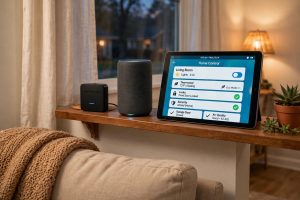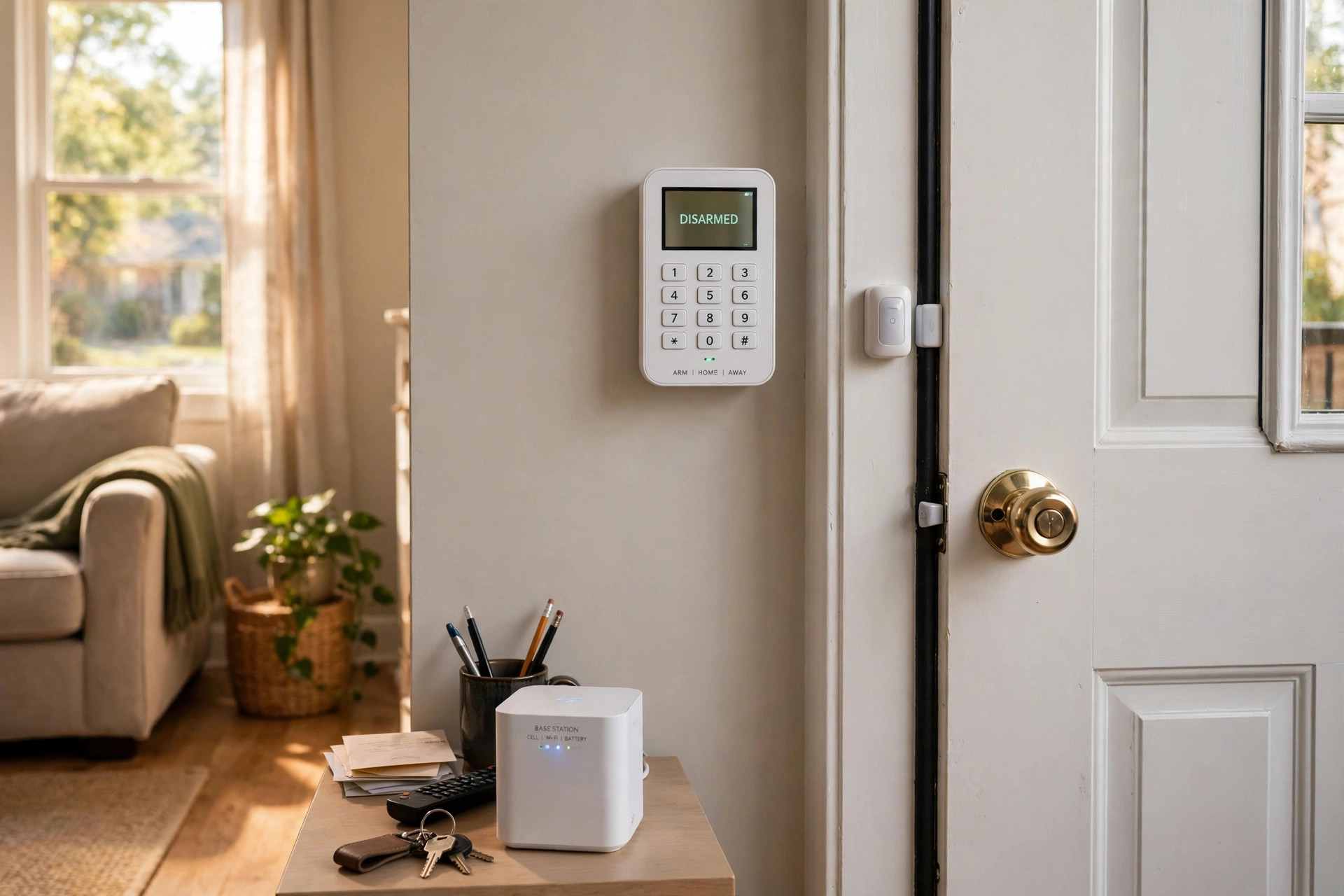

This simplisafe vs adt cost comparison 2026 usa breaks down what each system really costs. Many buyers look only at the monthly fee. That is a mistake. The true price includes equipment, installation, monitoring plans, and any contract fees. When you add it all up, the two companies serve very different buyers. One favors the do-it-yourself home owner who wants control. The other suits the buyer who wants a dealer to handle everything. This guide walks through each cost in plain terms so you can choose with clear eyes.
Why the Total Price Matters More Than the Monthly Fee
Ads for alarm systems often lead with one low number. It might be the monthly monitoring rate. Or it might be a starter package price. Both can hide the full picture. A system that seems cheap per month can cost far more in the first year once you add equipment and installation.
Home security is a long-term purchase. Most people keep the same system for three to five years, sometimes longer. A difference of ten or twenty dollars a month adds up to hundreds over that time. Installation and contract terms add another layer. Some plans lock you in for three years. Others let you cancel at any time.
This is why a fair comparison must cover four parts: equipment, installation, monthly monitoring, and contract or cancellation terms. Consumer Reports and other testing groups remind buyers to compare the whole cost, not just the headline price.
SimpliSafe and ADT at a Glance: Simplisafe vs Adt Cost Comparison 2026 Usa
Both names are well known in American homes, but they come from different traditions.
SimpliSafe is a do-it-yourself system. You order the equipment, often online. You place the sensors yourself with peel-and-stick mounts. You set up the app and the base station. No technician visits your home unless you ask for help. The company became popular with renters and budget buyers because of this simple model.
ADT is the older name in the business. It has been guarding American homes for well over a century. ADT sells professionally installed systems. A technician comes to your house, wires and mounts the equipment, and tests every sensor. The company also runs its own monitoring centers with staff on duty day and night.
For buyers who want home security systems with no monthly fee, both companies offer equipment that works without a plan, but their designs push in different directions. SimpliSafe is built around self-install and choice. ADT is built around professional service and long-term contracts.
Equipment Costs: What You Pay Up Front
SimpliSafe Equipment
SimpliSafe sells equipment in starter packages. A basic package covers one or two rooms and includes a base station, a keypad, and a few door and motion sensors. Larger packages add more sensors, extra keypads, cameras, and smart home devices such as video doorbells.
The price of a SimpliSafe package depends on the size of your home and how much protection you want. Small packages sit at the low end of the home security market. Larger ones can cost several times more. Sales are common around holidays, and discounts of twenty percent or more are not unusual.
Because the equipment is wireless and self-installed, you do not pay for wiring or labor. You can also add pieces one at a time later. This makes the start-up cost easy to control. Buyers on a budget can begin small and grow.
ADT Equipment
ADT equipment is sold and installed as part of a package quoted for your home. Because a technician does the work, the equipment cost is bundled with professional installation in most quotes. The total up-front or financed cost tends to run higher than a SimpliSafe starter package.
ADT also offers more advanced hardware in its top tiers, such as its own smart panels and integrated cameras. Reviewers at CNET and PCMag have noted that ADT gear feels solid and professionally finished, which matches its higher price point.
Equipment Winner on Price
SimpliSafe wins the equipment round for most buyers. The packages start lower, installation is free because you do it yourself, and sales are frequent. ADT can make sense if you want a fully installed system with high-end hardware and are willing to pay more for it.
Installation Costs
Installation is where the two companies split sharply.
SimpliSafe charges nothing for installation if you set it up yourself. Most people finish in under an hour. The sensors stick to doors and windows with adhesive strips. The base station plugs into a wall outlet and connects to your Wi-Fi. If you would rather have help, SimpliSafe offers professional installation in some areas for an added fee, but most buyers skip it.
ADT installation is done by a technician. The visit can last several hours for a full system. Labor is part of the price, and quotes vary by home size and system design. In some promotions, ADT waives or discounts the installation fee when you sign a monitoring agreement.
For cost comparison, SimpliSafe’s do-it-yourself model keeps this line at zero for most buyers. ADT’s professional install adds real value for people who do not want to handle wiring and placement, but it adds real cost too.
Monthly Monitoring Plans
Monthly monitoring is the cost you pay again and again, so it deserves close attention.
SimpliSafe Monthly Plans
SimpliSafe offers monitoring plans with no long-term contract. The entry plan usually covers basic alarm monitoring and app control. Higher tiers add video recording, smart home integrations, and faster response features. Prices sit at the low end of the professionally monitored market, which is one reason the brand grew so fast.
You can cancel at any time without a penalty. You can also pause or change plans through the app. For buyers who dislike contracts, this is a major plus. The company also sells video doorbells without a subscription, and its cameras can store clips locally in some setups, which keeps monthly costs down.
ADT Monthly Plans
ADT monitoring plans cost more per month than SimpliSafe plans in most cases. The company justifies the higher price with its large network of monitoring centers and its long record in the industry. Plans include police and fire dispatch, and higher tiers add video, smart home control, and automation.
The key difference is the contract. ADT monitoring agreements often run for two or three years. The monthly rate is locked in for that term. If you cancel early, you may owe an early termination fee based on the months left in the contract.
Monthly Winner on Price
SimpliSafe wins on monthly price and on flexibility. ADT charges more but points to its monitoring network and service record as the reason. Buyers who want the lowest possible monthly bill will lean toward SimpliSafe. Buyers who want a premium monitored service and do not mind a contract may accept ADT’s higher rates.
Contract Terms and Cancellation
Contracts are often the hidden cost in a security deal.
SimpliSafe has no long-term contract. You pay month to month. You can stop monitoring whenever you like and keep the equipment. This is one of the clearest parts of the company’s offer. There are no early termination fees because there is no term to break.
ADT uses fixed-term agreements, often 36 months. The contract locks in your monthly rate, which protects you from price increases during the term. But if you move, sell your home, or change your mind, breaking the contract can be expensive. Early termination fees are calculated from the remaining months, so the cost of leaving can run into the hundreds of dollars.
Some buyers value the price lock and are happy with a long agreement. Others see it as a risk. Before signing, read the contract terms line by line and ask the sales agent to confirm the cancellation fee in writing.
Five-Year Cost Picture
Putting the pieces together helps. Think of a typical small home.
With SimpliSafe, you pay a modest equipment price once, no installation fee, and a low monthly plan with no contract. Over five years, the monthly payments dominate, but the total stays on the lower end of the monitored security market.
With ADT, you pay a higher up-front or financed cost for equipment and professional installation, then a higher monthly rate locked in for a multi-year contract. Over five years, the total runs clearly higher than SimpliSafe in most cases.
This gap is the core of the comparison. SimpliSafe is the value choice. ADT is the full-service choice. Neither is wrong. They simply serve different budgets and different comfort levels.
What to Look For When You Compare Quotes
Whether you call SimpliSafe, ADT, or both, use the same checklist for each quote.
First, ask for the full equipment list with prices. Count the sensors, cameras, and panels. Make sure the quote covers every door and window you want protected.
Second, ask what installation costs and whether it can be waived. Get the final number, not the promotional number.
Third, ask for the monthly monitoring price in writing, and ask whether it can rise during the term. Ask what each plan includes and what is missing.
Fourth, ask about the contract length and the early termination fee. Ask how the fee is calculated, what happens if you move before the term ends, and whether you own the equipment after the contract ends or the company takes it back. This matters if you ever want to switch providers.
Tech publications such as The Verge often cover how smart home gear works with platforms from Ring and the Google Store. Those pieces can help you judge which ecosystem fits your home.
Types of Buyers: Which Fits You
Renters and apartment dwellers often choose SimpliSafe. The wireless sensors come off the walls without damage. There is no contract to break when the lease ends. The low start-up cost fits a tight budget.
First-time home owners who want to save money also lean toward SimpliSafe. The system grows with the house. You can add a camera or a smoke sensor later without another service visit.
Buyers who want a hands-off experience often choose ADT. The technician handles placement, wiring, and testing. The monitoring centers have a long record. The contract is the trade-off for that service level. Shoppers comparing brands may also like the Lorex vs Swann comparison for camera-focused systems that pair well with either alarm brand.
Care and Upkeep
Both systems need small amounts of care.
Batteries power the wireless sensors. Most last one to two years. The app warns you when a battery runs low. Keep spare batteries on hand, and test the system monthly with a walk-through.
Keep the base station or panel plugged in and connected to your network. If your internet drops, most systems fall back to a cellular connection. Update the app and any firmware when prompted. Updates fix bugs and close security holes.
Safety Notes
A security system is one layer of a safe home, not the whole answer. Keep doors and windows locked even when the alarm is armed. Trim bushes near entry points so no one can hide. Light the outside of your home at night.
Test smoke and carbon monoxide sensors on the same day you test the alarm. Change their batteries on schedule. A break-in alarm does not replace fire protection.
Place cameras where they cover entries without pointing into a neighbor’s windows. Check local rules about recording audio, since some states limit it.
If you move into a home with an old ADT system already on the wall, do not assume it works. Call the company or a local dealer to test and update it before you rely on it.
FAQ
Is SimpliSafe really cheaper than ADT?
In most cases, yes. SimpliSafe equipment starts lower, installation is free when you do it yourself, and monthly plans cost less with no contract. ADT charges more for equipment, installation, and monthly monitoring, and its contracts add another layer of cost. Your exact numbers depend on your home and the plans you pick.
Does ADT require a contract in 2026?
Most ADT monitoring plans still use fixed-term agreements, often around 36 months. Terms can change, so ask for the current contract length and the early termination fee before you sign. SimpliSafe has no long-term contract on its monitoring plans.
Can I install SimpliSafe myself if I am not handy?
Yes. That is the point of the system. Sensors attach with adhesive strips, and the base station plugs into a wall outlet. The app guides you step by step. Most people finish in under an hour with no tools.
Which system is better for renters?
SimpliSafe is usually the better fit for renters. The wireless gear leaves no holes in the walls, and the month-to-month plans end when your lease ends. ADT’s contracts and professional installation suit owners who plan to stay put.
Do I own the equipment with ADT?
It depends on the deal. Some ADT offers bundle equipment into the contract, and ownership terms vary. Ask whether you own the gear outright, whether it is financed, and what happens to it if you cancel. With SimpliSafe, you buy and own the equipment from the start.
A Short Final Word
This simplisafe vs adt cost comparison 2026 usa comes down to a simple trade. SimpliSafe costs less up front, less per month, and asks for no contract. ADT costs more across the board but brings professional installation and a long-standing monitoring network. Write down your budget, count your doors and windows, and ask both companies for written quotes. The numbers will tell you which one fits your home.
References
ADT. (n.d.). Home security and automation. https://www.adt.com CNET. (n.d.). Technology news and reviews. https://www.cnet.com Consumer Reports. (n.d.). Product reviews and ratings. https://www.consumerreports.org Google Store. (n.d.). Smart home devices. https://store.google.com PCMag. (n.d.). Technology product reviews. https://www.pcmag.com Ring. (n.d.). Smart home security devices. https://www.ring.com SimpliSafe. (n.d.). Home security systems. https://www.simplisafe.com The Verge. (n.d.). Technology news and reviews. https://www.theverge.com
Was this guide helpful?

About Sarah Mitchell
The My Garden US editorial team writes practical, in-depth home and garden guides for American homeowners — tested advice, no fluff.
You May Also Like

Best Smart Bulbs for Recessed Lighting USA
April 16, 2026 0 views
Ring vs Nest Doorbell Comparison 2026 USA: A Full Guide
January 27, 2026 0 views
Best Dusk to Dawn Outdoor Light Reviews USA
May 28, 2026 0 views