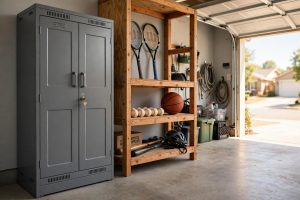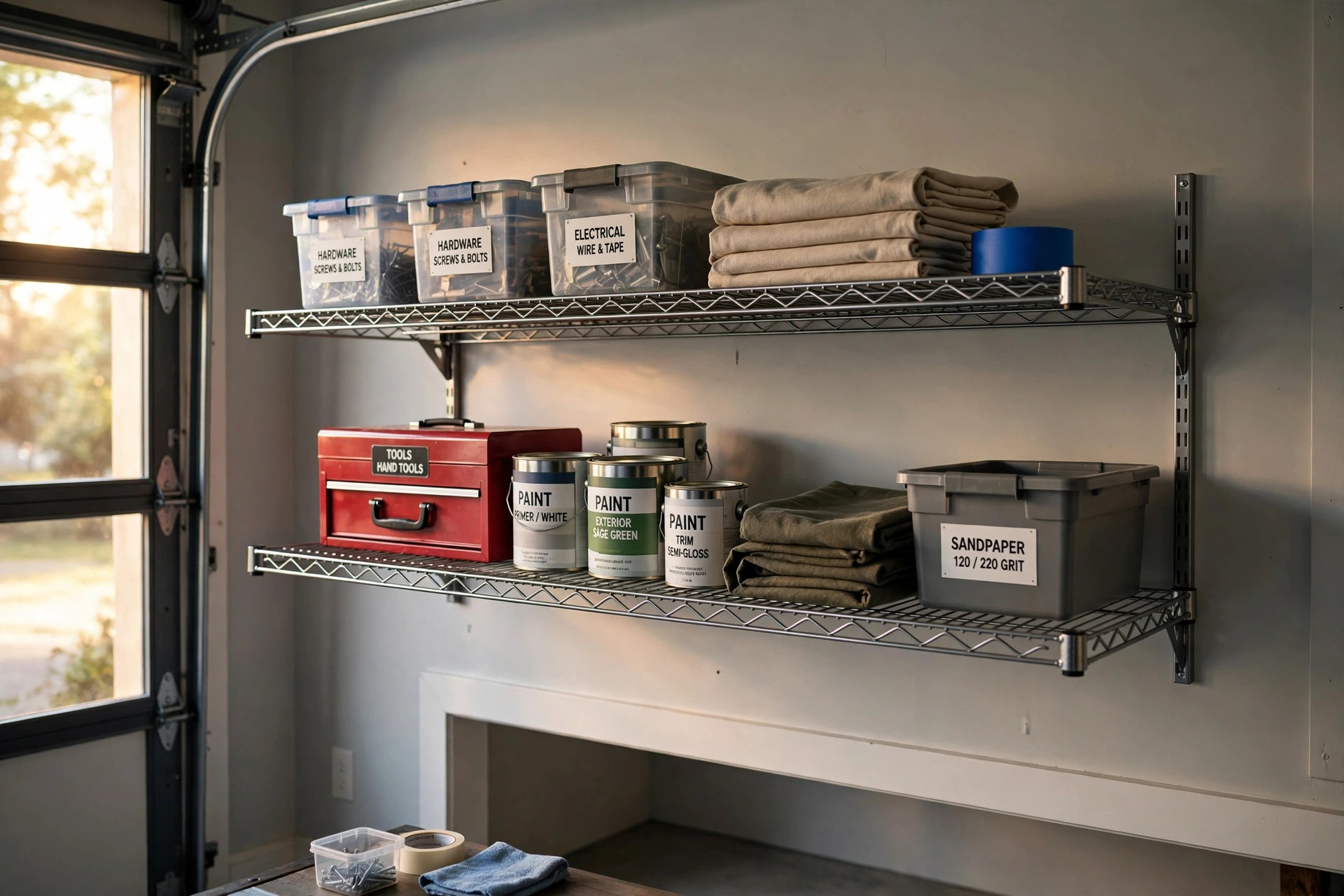

Many American homes run out of room. Garages fill up. Laundry rooms crowd. Closets stay packed. Stackable wall mounted storage shelves with free shipping can help. They use wall space that sits empty. They hold boxes, tools, and supplies off the floor. And free shipping keeps the cost low.
This guide explains what these shelves are, why they matter, and how to pick the right set for your home.
Why Stackable Wall Mounted Storage Shelves Matter
Floor space costs money. Every box on the floor makes a room feel small. Wall mounted shelves move storage up the wall. This frees the floor for daily life. Kids get play room. Cars fit in garages again. Laundry rooms stay clear.
Stackable units add more. You start with one shelf unit. Later you add more units on top or beside it. The system grows with your needs. You never pay for space you do not use yet.
Free shipping matters too. Shelves are heavy. A set of steel shelves can weigh 60 pounds or more. Shipping fees on heavy goods can add 40 dollars to the price. When a store offers stackable wall mounted storage shelves with free shipping, the true cost drops. The price you see is the price you pay.
Many buyers look first at big names like IKEA and The Container Store. Both carry wall storage lines. Both run shipping deals at times. Comparing their offers side by side is smart. The sections below show how.
What to Look for When You Shop: Stackable Wall Mounted Storage Shelves with Free Shipping
Weight Capacity
Check the weight rating of each shelf. Light units hold 25 to 50 pounds per shelf. Heavy duty units hold 150 to 300 pounds per shelf. Be honest about what you will store. Books are heavy. Paint cans are heavy. Holiday boxes can be light or heavy.
Add up the weight of each shelf before you buy. If you plan to store tools, pick the stronger unit. A Home Depot product page lists per-shelf ratings. Read it before you click buy.
Wall Type
Most wall mounted shelves need solid walls. Wood studs hold the most weight. Concrete block walls work well too. Drywall alone holds very little. You must find the studs behind the drywall.
Use a stud finder. Mark each stud with tape. Mount brackets into studs only. For concrete, use masonry anchors. If you rent your home, ask your landlord before you drill. Many leases forbid wall mounts in some rooms.
Stackable Design
True stackable units connect to each other. Pins, slots, or bolts join the upper unit to the lower one. This keeps the stack steady. Cheap units just rest on top. Those can slide. They can fall in a quake or a bump.
Look for words like “interlocking” or “stackable connectors” in the product text. Photos should show how units join. If the listing is unclear, check reviews. Buyers often note whether stacking felt safe.
Depth and Height
Shelf depth runs from 12 to 24 inches. Pick a depth that fits your goods. Cleaning supplies need only 12 inches. Storage totes need 18 to 24 inches. Measure your totes before you order.
Height matters as well. Most units stand 36 to 72 inches tall. Stack two units to reach 72 to 96 inches. Leave room to lift goods onto the top shelf. A Wayfair filter lets you sort by height. Use it to match your ceiling.
Material
Three materials dominate the market.
Steel shelves cost more but hold the most. They suit garages and workshops. Powder coated steel resists rust.
Wood shelves look warm. They suit closets and living areas. They hold less weight than steel.
Wire shelves allow air flow. They suit pantries and laundry rooms. Dust falls through the wires. This keeps goods clean.
Match the material to the room. Steel in the garage. Wood in the den. Wire in the pantry.
Types and Options
Garage and Workshop Shelves
These are the heavy lifters. Steel frames. Deep shelves. High weight ratings. They hold tools, paint, and car supplies. Many come in stackable pairs. Family Handyman shows layouts for small garages. A two stack unit along one wall can hold hundreds of pounds.
Laundry Room Shelves
Laundry rooms are small. Wall space above the washer stays empty. Narrow stackable shelves fit here. They hold soap, softener, and folded towels. Wire shelves work well in damp rooms. They dry fast.
Pantry and Kitchen Shelves
Kitchen cabinets overflow. Extra shelf space helps. Shallow stackable units hold cans and jars. Mount them inside pantry walls. Keep heavy cans on lower shelves. This lowers the center of weight.
Closet and Bedroom Shelves
Closets need order. Stackable wall units hold shoes, bags, and folded clothes. Wood finish units look best here. Some buyers add baskets on each shelf. This hides clutter. Apartment Therapy shares small closet ideas that use wall height.
Office and Craft Room Shelves
Home offices need supply space. Shelves hold paper, ink, and files. Mount them above the desk. Keep daily items within arm reach. Put rare items on top shelves. The Spruce offers office layout tips for small rooms.
Cost and Price: Getting Free Shipping Right
Prices vary by size and material. Small wire units cost 30 to 60 dollars. Mid size steel units cost 80 to 150 dollars. Large stackable sets cost 150 to 300 dollars. Luxury wood sets can pass 300 dollars.
Free shipping changes the math. A 100 dollar shelf with 45 dollar shipping costs 145 dollars. The same shelf with free shipping costs 100 dollars. Always check the final checkout price. Some stores show “free shipping” only for orders over a set amount. Others add the fee back at the last step.
Compare a few sellers. A Lowe’s cart may beat a Target cart after fees. Watch for sales near holidays. Memorial Day and Labor Day bring storage sales. Black Friday often drops shelf prices 20 to 40 percent.
Shipping time matters too. Free shipping can take 7 to 14 days. Paid shipping can arrive in 2 to 3 days. If your garage project must finish this weekend, paid shipping may win. Plan ahead when you can. Order early and save the fee.
Also watch return rules. Heavy shelves cost a lot to return. Some stores pay return shipping. Some do not. Read the return policy before you buy. Keep the box until the shelves are mounted and level.
For more wall storage ideas, see waterproof wall mounted storage shelves for sale, floating shelves for living rooms price comparison usa, and pegboard wall organizers price comparison usa.
Installation: A Step by Step Plan
You can mount most units in one afternoon. Gather tools first. You need a drill, a level, a stud finder, a tape measure, and a pencil. Ask a friend to help. Shelf units are long. An extra pair of hands keeps them level.
1. Pick the wall. Keep clear of doors and windows. Keep clear of light switches. 2. Find the studs. Mark them with tape at the height you want. 3. Hold the first bracket up. Check it with the level. Mark the drill spots. 4. Drill pilot holes. Use the bit size the manual lists. 5. Drive the bolts or screws. Tighten them firm. Do not over tighten. 6. Set the shelf on the brackets. Check level again. 7. Stack the second unit. Join the connectors per the manual. 8. Load heavy goods low. Load light goods high.
Test the unit before you walk away. Push it gently. It should not sway. Pull down lightly on the front edge. It should not tip. If it moves, tighten the bolts. If it still moves, check that you hit studs.
Care and Upkeep
Good shelves last many years. A little care helps.
Dust shelves twice a year. Wipe steel with a damp cloth. Wipe wood with a dry cloth. Check bolts once a year. Tighten any that feel loose. Humidity can loosen wood screws over time. A short yearly check takes only ten minutes. It keeps every shelf safe for the long run.
Watch for rust in garages. Humid air attacks bare steel. Powder coated units resist well. If a chip appears, touch it up with spray paint. This stops rust from spreading.
Do not overload. The weight rating is a ceiling, not a target. Stay under 80 percent of the rating. This leaves a safety margin. Spread weight across the shelf. Never pile all weight in the center.
Check wall anchors yearly. Drywall anchors can work loose. Stud mounted bolts stay firm much longer. This is one more reason to mount into studs.
Safety Tips
Safety comes first with wall storage.
Keep heavy items low. A top heavy stack can tip. Place paint cans and toolboxes on the bottom shelf. Place light boxes on top.
Keep clear of heat. Do not mount shelves above stoves or heaters. Heat warps wood. It melts some plastics. Keep a safe gap.
Keep clear of water. Laundry rooms splash. Do not mount paper goods above the washer fill hoses. A burst hose can soak a shelf in minutes. Wire shelves let water pass through. Solid shelves trap it.
Watch the kids. Children climb. Do not place toys on high shelves. Kids will climb to reach them. Keep tempting items low or in locked rooms. Wall units in playrooms need extra anchors.
In quake zones, strap tall stacks to the wall. Use metal straps or cables. Anchor every unit, not just the bottom one. This stops the stack from walking off the brackets.
Frequently Asked Questions
How much weight can stackable wall mounted storage shelves hold?
It depends on the unit. Light wire units hold 25 to 50 pounds per shelf. Heavy steel units hold 150 to 300 pounds per shelf. The product page lists the rating. Stay under 80 percent of the rating for safety.
Do I need studs to mount these shelves?
For heavy loads, yes. Studs give the strongest hold. For very light loads, special drywall anchors can work. Check the anchor rating. When in doubt, mount into studs. It is always safer.
What does free shipping really mean on heavy shelves?
Free shipping means the store pays the freight. The cost is built into the price or the store takes the loss. Watch the checkout page. Some stores add “handling” fees. The final total is what matters. Compare final totals across stores.
Can I stack different brands together?
It is not wise. Each brand uses its own connectors. Mixed brands will not lock together. They may look the same size but differ by half an inch. Buy stackable units from the same brand and the same line.
How do I clean wire shelves?
Use a damp cloth with mild soap. Wipe each wire. Dry with a towel. Do not soak the shelf. For garage units, a shop vacuum removes dust first. This keeps the wash water clean.
Are wall mounted shelves safe in homes with small children?
They can be, with care. Mount into studs. Keep heavy goods low. Do not put toys up high. Strap tall stacks in quake zones. Many parents mount shelves inside locked closets. This keeps kids away from the stored goods.
A Final Word
Stackable wall mounted storage shelves with free shipping offer real value. They free floor space. They grow with your needs. Free shipping cuts the true cost. Pick the right size, mount into studs, and load with care. Your garage, laundry room, or closet will feel new again. Start with one unit. Add more as your storage needs grow.
References
Apartment Therapy. (n.d.). Home design ideas and inspiration. https://www.apartmenttherapy.com Family Handyman. (n.d.). DIY home repair and maintenance. https://www.familyhandyman.com IKEA. (n.d.). Home furnishings. https://www.ikea.com Lowe’s. (n.d.). Home improvement products. https://www.lowes.com Target. (n.d.). Retail store. https://www.target.com The Container Store. (n.d.). Storage and organization products. https://www.containerstore.com The Home Depot. (n.d.). Home improvement products. https://www.homedepot.com The Spruce. (n.d.). Home and garden advice. https://www.thespruce.com Wayfair. (n.d.). Furniture and home goods. https://www.wayfair.com
Was this guide helpful?

About Michael Thompson
The My Garden US editorial team writes practical, in-depth home and garden guides for American homeowners — tested advice, no fluff.
You May Also Like
Waterproof Under Bed Storage Containers Buying Guide
August 13, 2026 0 views
Rolling Storage Carts Reviews and Buying Guide
August 31, 2026 0 views
How to Buy Nightstands with Storage Drawers Online in Colorado
March 22, 2026 0 views