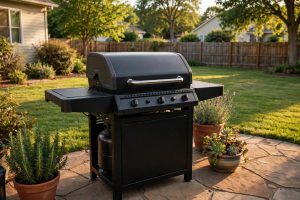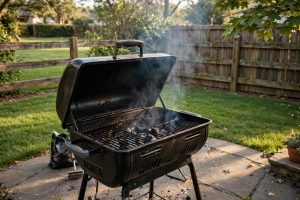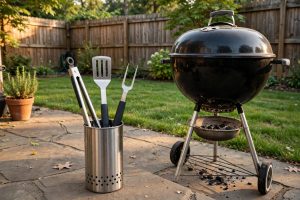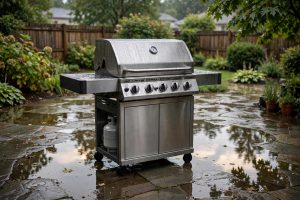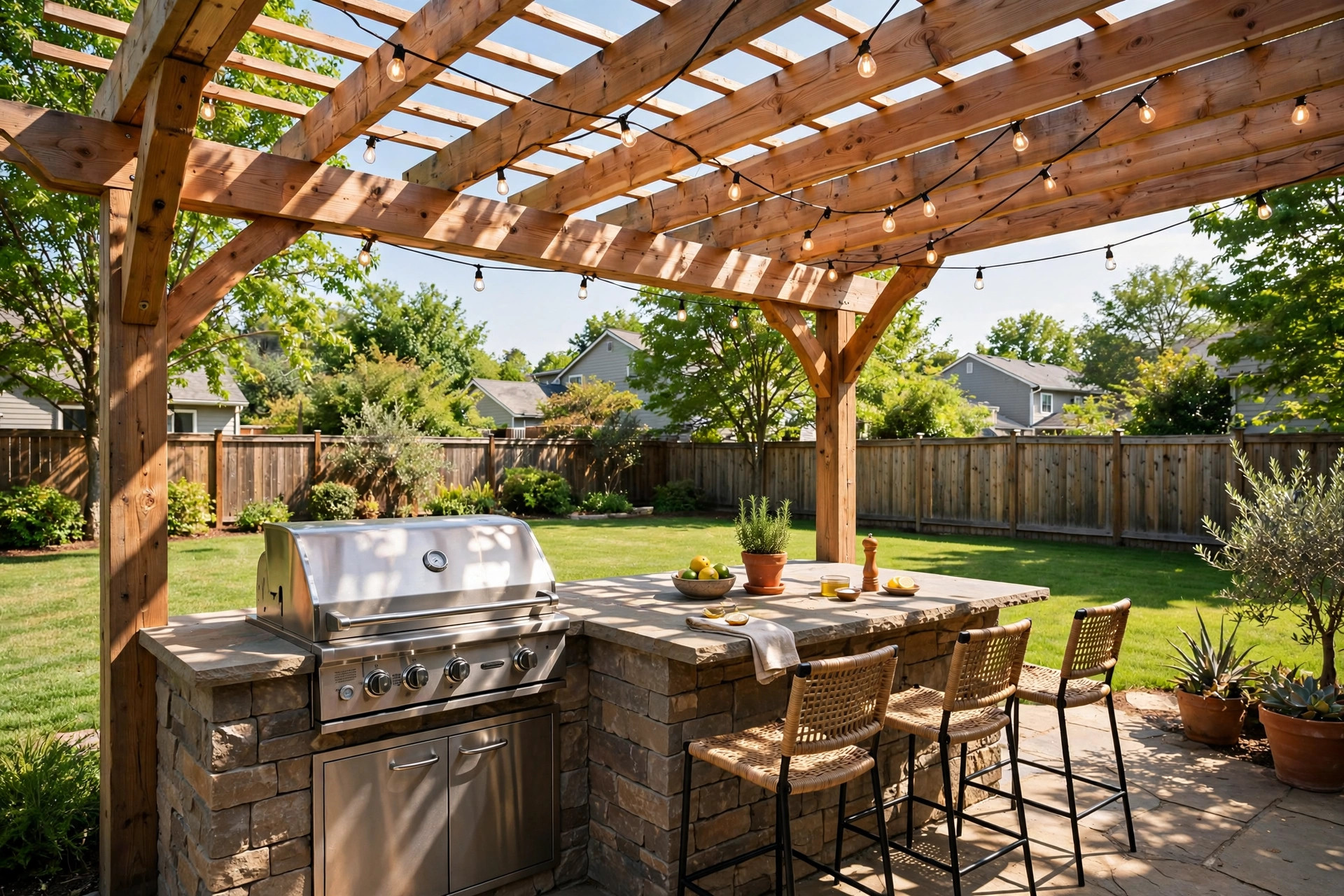
The idea of an outdoor kitchen sounds fine until the first hot afternoon. The grill is lit, the food is ready, and the cook stands in full sun. That is where good outdoor kitchen pergola ideas for shade make all the difference. A pergola gives your cooking area a roof of open beams. It keeps the worst of the sun off the cook while still letting air move freely. It also gives the whole space a finished look, like a real room instead of a grill pushed against a fence.
More and more families in the United States are building outdoor kitchens. A shaded cook station lets them use the space all summer long. The midday heat no longer cuts a cookout short. A well planned pergola also protects counters, cabinets, and outdoor appliances from constant sun damage.
Why Shade Matters Over an Outdoor Kitchen
An outdoor kitchen is a hot place by design. The grill, the griddle, and sometimes a pizza oven all throw off heat. Add direct sun and the space becomes hard to use in the middle of the day. A pergola changes that. The slats break up the sun and cut the glare. The air stays cooler under the beams because shade lets the natural breeze do its work.
Shade also matters for your equipment. Sun and heat wear out grill covers, dry out rubber seals, and fade wood and stone. A grill that sits under a roof will last longer than one that bakes in the sun all summer. The same is true for the best flat top grill for outdoor kitchen setups, which have large cooking surfaces that hold heat. A little shade keeps the cook and the gear comfortable.
There is another reason to add a pergola. It marks the kitchen as its own zone. Without a roof, an outdoor kitchen can feel scattered. Posts and beams give it a clear border. Guests know where the cooking happens and where they can sit. When you look at outdoor kitchen design ideas for backyard plans, the ones with a pergola almost always look more complete.
How to Choose the Right Pergola for Your Outdoor Kitchen: Outdoor Kitchen Pergola Ideas for Shade
Start with the size. Measure your grill station, your prep counter, and the space where people stand while cooking. Add at least three feet of working room on each side of the grill. A cramped pergola is worse than none, because it traps heat and blocks movement. Most outdoor kitchens need a pergola that is at least ten feet by twelve feet. If you plan to add a smoker or a second grill later, build bigger now. Moving a pergola after it is set costs more than sizing it right the first time.
Next, think about the height. The beams should sit at least eight feet above the ground. Nine or ten feet is better over a grill. Heat rises, and a low roof traps it. Tall posts also keep smoke from hanging around the cook.
Check your local rules before you build. Many towns count a pergola as a structure. It may need a permit. There may also be rules about how close it can sit to the property line or to your house. A quick call to the building office saves trouble later. If you plan to learn how to build outdoor kitchen on budget, permits are one cost that people often forget to count.
Match the Pergola to Your Climate
In hot, dry states, a pergola with a solid roof or a fabric canopy gives the most shade. The open slats of a classic pergola cut some sun, but in places like Texas or Arizona the difference is small at noon. A shade sail or a retractable canopy under the beams can double the shade without changing the look much.
In rainy areas, a pergola alone will not keep the kitchen dry. Look for louvered roof pergolas. These have angled slats that open and close. Open them for air and light, close them when rain starts.
In windy areas, anchor the posts well. A pergola is a sail in high wind. Deep footings in concrete keep it standing. Talk to your builder about wind ratings if you live on an open plain or near the coast.
Pergola Types and Shade Options
There are several ways to put shade over an outdoor kitchen. Each has strengths. Pick the one that fits your budget, your climate, and your style.
Classic Open-Beam Wood Pergola
This is the design most people picture. Four or six cedar posts hold up a grid of beams and rafters. It gives partial shade and lets hot air rise straight through. Cedar and redwood resist rot and look warm and natural. Pressure treated pine costs less but needs stain or paint to last. An open-beam pergola pairs well with stone counters and a brick grill. It is a good match for cooks who want shade but still want to see the sky.
Louvered Roof Pergola
A louvered roof has slats that tilt. You can open them wide on a cool evening or close them flat for full shade or rain cover. Many models are motorized and run by remote or phone app. They are the best choice if your kitchen will hold costly gear like a built in grill or a refrigerator.
Metal Pergola
Steel and aluminum pergolas look clean and modern. They need little upkeep and they stand up to weather well. Aluminum will not rust, which matters near salt water. Metal frames often come as kits that two people can build in a weekend. For trusted grill gear that sits under these frames, many cooks start with well known makers like Weber and Char-Broil.
Pergola with Fabric Canopy
A fabric top stretches under or over the beams and blocks most of the sun. Shade cloth comes in many densities. A 90 percent block rating cuts the heat sharply while still letting air through. Fabric canopies are the cheapest way to add deep shade to a pergola you already own. They also fade over time, so plan to replace the cloth every few years.
Vine-Covered Pergola
Some cooks grow vines over the beams for a living roof. Wisteria, grape, and trumpet vine all work in different zones. A leafy top gives deep summer shade and lets sun through in winter after the leaves fall. The downside is upkeep. Vines need pruning, and they drop leaves and sap near food. Keep the plants trained away from the grill itself.
Freestanding vs. Attached Pergola
A freestanding pergola stands on its own posts anywhere in the yard. It works when the kitchen sits away from the house. An attached pergola ties into the house wall and extends the kitchen out from the back door. Attached models are often cheaper because the house carries one side. Retailers such as Home Depot sell kits for both styles, and review sites like Consumer Reports test outdoor products for lasting value.
Layout Ideas That Work
Shade works best when the layout is smart. Place the grill near the outer edge of the pergola, never in the center. Smoke drifts up and out instead of gathering under the beams. Keep the prep counter between the grill and the seating area so the cook faces the guests. This makes the kitchen social instead of lonely.
Leave a clear walkway behind the cook. Two cooks should be able to pass without bumping each other. Store fuel away from the heat. Propane tanks and charcoal bags belong in a shaded corner, not next to the grill.
Think about the sun path. In the late afternoon the sun sits low in the west. A pergola roof alone will not block it. Add a side shade or a retractable curtain on the west side of the kitchen. This small addition can make the difference between a kitchen that is usable at dinner time and one that is not. Food sites like The Spruce Eats offer seasonal cooking tips that pair well with a shaded setup, and pitmasters can find deep technique guides at AmazingRibs.
Lighting turns a shaded kitchen into an evening space. String lights along the beams give a warm glow. Task lights under the rafters help the cook see the food. Solar lights are easy to add and cost little to run. Pellet grill fans who cook low and slow into the night can get ideas for their setup from makers like Traeger, while those who favor built in gas or kamado units often look to Napoleon and Big Green Egg for durable equipment.
Cost and Price Guide
A pergola over an outdoor kitchen can cost from a few hundred dollars to well over ten thousand. The spread is wide because size, material, and labor vary so much.
A basic do it yourself wood kit for a ten by ten foot pergola runs about 800 to 2,500 dollars. Add stain, hardware, and concrete footings and the real cost climbs a bit. Most handy owners can build one in a weekend with a friend.
A professionally built cedar pergola of the same size usually costs 4,000 to 8,000 dollars, including labor. Larger structures over a full kitchen with counters and seating run 8,000 to 15,000 dollars.
Louvered roof systems are the top end. A motorized aluminum louvered pergola over a kitchen can cost 10,000 to 25,000 dollars installed.
Do not forget the extras. A shade canopy adds 200 to 800 dollars. Side curtains run 100 to 400 dollars per panel.
The cheapest path is to build in stages. Put up a simple wood pergola now. Add a fabric canopy next summer. Add lights and fans the year after.
Care and Upkeep
A pergola asks for little, but it asks every year. Wood pergolas need inspection each spring. Look for soft spots, cracked posts, and loose bolts. Re-stain or re-seal cedar every two to three years.
Metal pergolas need less care. Wash them with soap and water each spring. Check the screws and brackets after winter storms. Touch up any chipped paint on steel frames so rust cannot start.
Louvered roofs should be cleaned like gutters. Leaves and seeds collect in the slats and the tracks. A soft brush and a hose do the job. Check the motor and the remote batteries once a year.
Keep plants trimmed if you grow vines on the pergola. Cut back any growth that reaches toward the grill.
Safety Tips
An outdoor kitchen under a pergola is safe when a few rules are followed. Keep all open flames well clear of the roof and any fabric. Gas grills should sit at least two feet from posts and beams. Charcoal grills throw sparks, so keep a wider gap and never leave them alone.
Do not hang anything flammable from the beams above the grill. Dried flowers, paper lanterns, and fabric bunting look nice, but they do not belong near heat. Use metal and glass lights over the cooking zone and save the soft decor for the dining side.
Make sure the structure is sound before each grilling season. A pergola that sways in the wind is not safe to cook under. Tighten bolts, check footings, and replace any rotted wood at once.
Keep a fire extinguisher within easy reach of the kitchen. A small Class B extinguisher fits in an outdoor cabinet and costs little.
If you run gas or electric lines to the kitchen, have a licensed pro do the work. Buried gas lines and outdoor wiring must meet code. This is not a place to cut corners.
Frequently Asked Questions
How much shade does a standard pergola give?
An open-beam pergola with standard rafter spacing gives about 30 to 50 percent shade. That is enough to cut glare and take the edge off the heat. For deeper shade, add a fabric canopy, a shade sail, or choose a louvered roof that closes fully.
Can I put a pergola over my existing grill?
Yes, in most cases. The pergola posts must stand clear of the grill, and the roof must be high enough for heat and smoke to rise. Eight feet is the bare minimum, and nine to ten feet is better. Check that the grill has the clearance the maker requires on all sides.
What is the best wood for an outdoor kitchen pergola?
Cedar and redwood are the top picks. They resist rot and insects without heavy chemical treatment, and they look good with stone and brick. Pressure treated pine is the budget pick. It lasts well but needs regular stain or paint to keep its looks.
Do I need a permit for a pergola over my outdoor kitchen?
Often yes. Rules vary by town and county. Many places require a permit for any structure over a certain size, and some have rules about distance from the property line. Call your local building office before you buy materials.
How do I keep rain out of my shaded outdoor kitchen?
An open-beam pergola will not stop rain. For rain cover, pick a louvered roof pergola, add a solid polycarbonate panel roof over part of the beams, or use a waterproof fabric canopy. Keep in mind that solid roofs trap more heat, so good airflow matters even more.
How long does a pergola last?
A well built cedar pergola lasts 15 to 25 years with regular sealing. Metal pergolas often last 20 years or more with basic care. Fabric canopies are the short lived part, usually needing replacement every three to five years.
A Short Final Word
The best outdoor kitchen pergola ideas for shade share one trait. They fit the way you actually cook. Start with solid posts, a tall roof, and a layout that keeps smoke away from the cook. Add shade layers to match your climate. With the right pergola, your outdoor kitchen stops being a fair weather treat and becomes the most used room of the house all summer long.
References
AmazingRibs.com. (n.d.). Barbecue and grilling science. https://www.amazingribs.com Big Green Egg. (n.d.). Kamado grills and outdoor cooking. https://www.biggreenegg.com Char-Broil. (n.d.). Gas and charcoal grills. https://www.charbroil.com Consumer Reports. (n.d.). Product reviews and ratings. https://www.consumerreports.org Napoleon. (n.d.). Fireplaces, grills, and heating products. https://www.napoleon.com The Home Depot. (n.d.). Home improvement products. https://www.homedepot.com The Spruce Eats. (n.d.). Recipes and cooking guides. https://www.thespruceeats.com Traeger. (n.d.). Wood pellet grills. https://www.traeger.com Weber. (n.d.). Grills and outdoor cooking. https://www.weber.com
Was this guide helpful?

About Jennifer Lee
The My Garden US editorial team writes practical, in-depth home and garden guides for American homeowners — tested advice, no fluff.