
Introduction
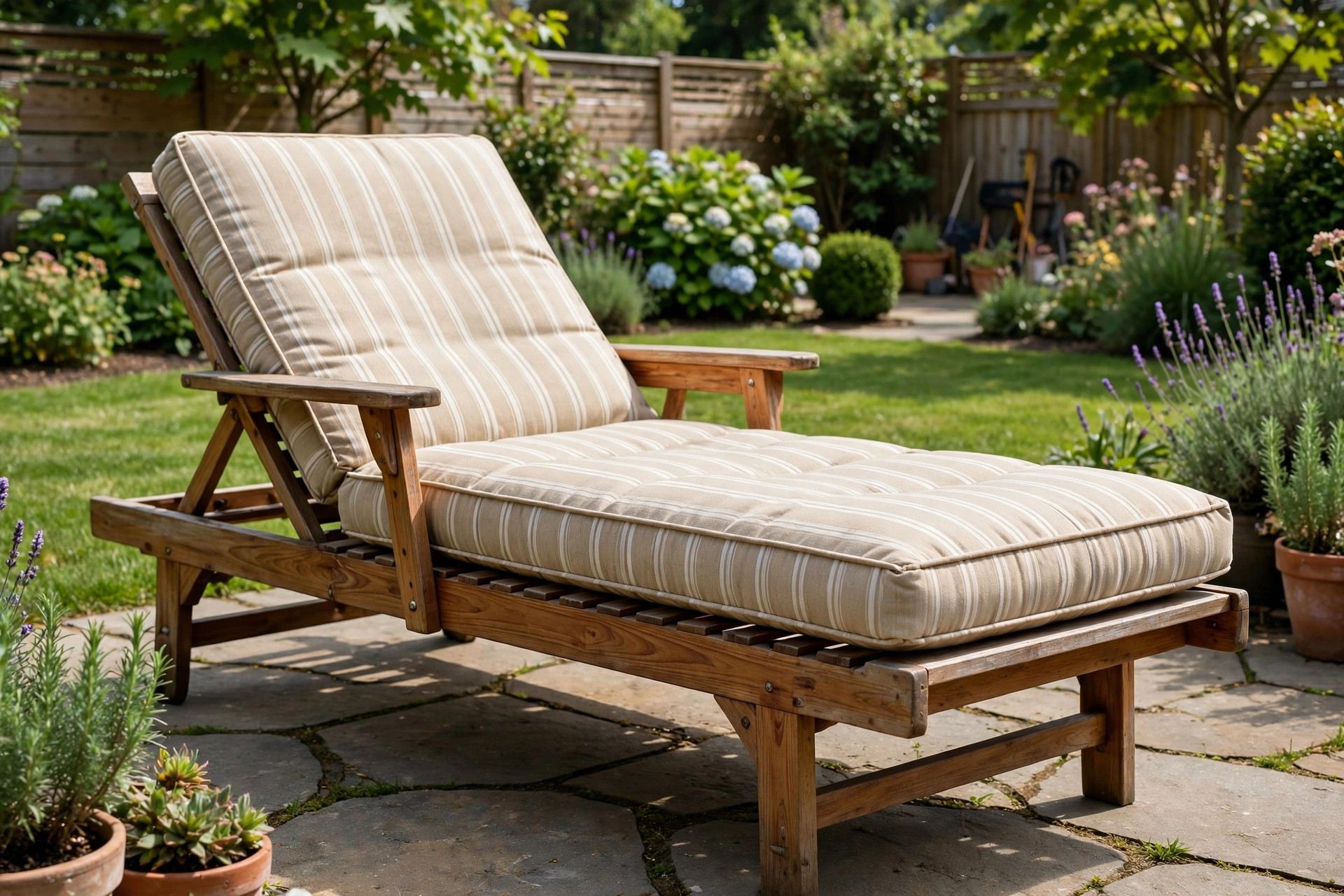
A chaise lounge is a fine place to rest on a warm day. It lets a person stretch out full length. It tilts back for a nap or for a good book. But the bare frame is hard. Wood slats press into the back. Metal bars leave lines on the skin. That is why cushions matter so much. Outdoor chaise lounge cushions thick reviews help shoppers tell which pads are worth the money and which are not. A thick cushion turns a plain lounger into a soft bed in the sun.
Thick does not mean the same thing to every maker. Some call a two inch pad thick. Others sell five inch pads and call them luxury. The word review also needs care. Many reviews are short and vague. They say great or awful and little more. This guide looks at what good reviews actually say. It covers the fill, the fabric, the size, and the price. It also covers how to keep the cushions clean year after year. Read it before you buy, and you will know what to look for and what to skip.
Why Thick Cushions Matter: Outdoor Chaise Lounge Cushions Thick Reviews
Comfort for the Whole Body
A thin pad wears out fast. After a few weeks it goes flat where the hips sit. Then the sleeper feels the frame through the cloth. A thick cushion spreads weight over a wider area. The spine rests straighter. The shoulders sink in without hitting hard bars. Older readers and readers with back pain feel the difference at once. A good thick cushion can add years of use to an old lounge chair.
A Longer Life for the Chair
Cushions do more than comfort the body. They shield the chair itself. Sun beats down on bare wood and bare metal all summer. That sun fades paint and dries out teak. A cushion covers the seat and takes the worst of the heat. Take the cushion inside after use and the chair stays drier.
Looks and Style
A full thick cushion makes a patio look finished. It gives the chair a neat, inviting line. Makers now sell dozens of colors and stripes. Style is not the main point, but it is a real pleasure when the patio looks good.
What to Look For When You Choose
Measure First
The most common error is buying the wrong size. Chaise lounges come in many shapes. Some are 72 inches long. Some are 78 inches long. Widths run from 21 to 26 inches. Measure the seat from top to bottom and side to side. Write the numbers down. Then read the product page. Good reviews often note when a cushion runs short or hangs over the sides. Compare the listed size with your numbers before you order.
Check the Thickness Claim
Look for the real number. A maker may write deep or plush and give no inches. Trust the spec sheet, not the headline. Most buyers find that three inches is the least that feels thick. Four to five inches gives real luxury. Anything over six inches may not fold with the chair. It may also slide off when the back is raised. Reviewers often warn about cushions that are too puffy to stay put.
Study the Fill
The fill decides how the cushion feels and how long it lasts. Foam is the common fill. Dense foam holds shape the longest. Polyester fiberfill is soft at first but flattens in one season. Some pads mix foam and fiberfill for a soft top with a firm core. Reviews that praise cushions after two or three years almost always describe foam or foam blend fills. Read the fine print on the fill before you trust a low price.
Study the Fabric
Outdoor fabric must fight sun, rain, and mold. Olefin and solution dyed acrylic are the best common choices. They hold color for years. Spun polyester costs less but fades faster. Look for the words fade resistant and water resistant. Better cushions have zippers so the cover can come off and wash. Cheap cushions are sewn shut. When the cover stains, there is no fix. Guides on The Spruce explain these fabric grades in plain terms.
Ties and Fit
Wind is the enemy of patio cushions. A strong gust can lift a loose pad right off the chair. Thick cushions catch even more wind. Look for ties at the corners and the middle. Snap straps hold better than thin strings. Reviews often mention cushions that blew into the pool. Take that warning to heart if your patio sits in an open spot.
Types and Options
One Piece Long Pads
The one piece pad covers the whole lounge from head to foot. It is the most common type. It looks clean and stays in place well. It also works with adjustable backs. Most reviews of thick cushions describe this style. The downside is weight. A five inch one piece pad can be heavy to carry inside at night. Makers like POLYWOOD cut pads to fit their own frames so the one piece pad sits flat.
Two Piece Sets
A two piece set splits the seat and the backrest. It is lighter to move. It lets you replace one half if it wears out first. The seam can leave a small gap in the middle. Some readers find that gap annoying. Others never notice it. Two piece sets cost a bit less than one piece pads of the same quality.
Custom and Shaped Pads
Round chairs, curved loungers, and older models need custom pads. Some shops cut foam to order. The price runs high, often double the price of stock pads. If your chair is an odd size, a custom pad may be the only choice that works.
Back and Seat Only Pads
Some buyers keep the thick pad only on the seat. They use a small pillow for the head. This setup suits readers who sit up more than they lie down. It saves money and dries faster after rain. It is less restful for full naps.
Cost and Price
What Thick Cushions Cost
Prices run wide. A basic three inch polyester pad may sell for thirty to sixty dollars. A mid range four inch foam pad with acrylic fabric runs eighty to one hundred fifty dollars. A five inch luxury pad from a top maker can reach two hundred dollars or more. Custom work starts near two hundred fifty dollars. Prices rise with brand name and fabric grade.
What Reviews Say About Value
Price alone does not tell the story. Reviewers often praise cheap pads for one season of use. Then the same pad gets poor reviews in year two. The best value in many reviews sits in the middle range. Those pads cost more up front but hold shape for three to five years. Cost per year is the honest math. A forty dollar pad replaced each year costs more than a one hundred twenty dollar pad that lasts four years.
Sales and Season
Outdoor goods follow the season. Prices peak in May and June. They fall in August and September. Smart shoppers buy in late summer and store the pads for next year. Holiday sales in November can also bring deep cuts. Some review sites track prices across big stores like The Home Depot and Lowe’s so buyers can see the trend before they buy.
Shipping and Returns
Rolled foam needs a day or two to puff back up. Check the return policy. A store that lets you return a bulky item free is worth more than a small discount. Reviewers warn that some closeout sales are final. That is fine for a bargain, but risky for a first buy. Flat pack retailers such as IKEA often ship small, while big catalog sellers like Wayfair list hundreds of options with full review histories.
Care and Upkeep
Regular Cleaning
Brush off leaves and dust each week. Wipe spots with mild soap and water. Do not use bleach on colored fabric. It eats the dye. A soft brush lifts dirt from the weave. Rinse well. Let the pad dry in the sun before you put it away. Most maker guides give the same simple routine.
Fighting Mold and Mildew
Mold loves damp foam. The best defense is to bring cushions inside when rain is coming. If mold spots appear, scrub with a mix of water and white vinegar. Let the pad dry fully in open air. Do not stack wet pads. Reviewers who store pads in a damp shed report mold every spring. A dry garage or a deck box with vents works better.
Winter Storage
Cold does not hurt foam much, but freeze and thaw cycles do. Snow melt soaks into seams. Store thick cushions indoors for winter. A basement or a spare room is best. If space is tight, stand the pads on edge in a closet. Do not leave them flat on a cold floor. Mice can chew foam, so a sealed bag helps in a barn or shed.
When to Replace
Even good cushions wear out. The signs are flat spots that do not bounce back. Torn seams also mark the end. Fading is only a looks problem. Loss of support is the real one. Most foam pads last three to five seasons with care. Fiberfill pads last one or two. Reviewers who bought thick foam pads in 2022 and 2023 still praise them in 2026. That long service is the mark of a good buy. Independent ratings from Consumer Reports back up the claim that dense foam outlasts cheap fill.
Safety
Fire and Heat
Foam can burn. Keep cushions away from fire pits, grills, and patio heaters. A spark can melt a hole in seconds. Some makers sell flame retardant fills. Those are safer but cost more. Never leave a lit candle on a lounger. Check local rules for fire pits near seating.
Slips and Falls
A thick pad raises the sitting height. The edge can make it harder to stand up. Older adults should test the height before buying. Place the lounger on level ground. Lock the wheels if the chair has them. A pad that slides can tip a sleeper. Snug ties stop most slides.
Allergens and Pests
Outdoor cushions collect pollen and dust mites. Wash covers each month in summer. People with allergies may prefer foam over fiberfill. Foam holds fewer mites. Check for wasp nests under the chair each spring. Store pads sealed to keep mice out in winter.
Child Safety
Small children may climb on stacked cushions. A tall stack can topple. Keep stacks low and flat. Loose ties can wrap around small necks. Trim long ties or tuck them away. High end outdoor brands like Frontgate note child safety in their product guides.
How to Read Reviews Like a Pro
Look for Age of the Review
A review written after one week tells little. Look for reviews written after a year or more. Those tell how the fill holds up. Sort by oldest or search the text for words like second summer. Long term reviews are gold.
Watch for Pattern Complaints
One complaint about a broken zipper may be bad luck. Ten complaints about the same zipper is a pattern. Read the two and three star reviews first. They are more honest than the five star ones. They name real flaws.
Check the Reviewer Details
Some sites mark verified buyers. Trust those more. Photos from buyers show the true color. Studio photos can lie about shade. A photo of the cushion on a real patio is worth more than a paragraph of praise.
Compare Across Stores
The same brand may sell at big box stores and online. Reviews differ by store because stock and service differ. Check two or three stores before you decide.
Setting Up Your Patio Around the Lounger
A thick cushion is only one part of a good rest spot. Shade helps on hot days. A small side table with an umbrella hole holds a drink and a book. If you plan to cook outside too, check our page on outdoor kitchen island with storage reviews to pick a work station. For a cabin or a mountain home, read our guide on the best outdoor furniture for mountain cabin needs, since cold nights and thin air change what works.
Frequently Asked Questions
How thick should a chaise lounge cushion be?
Three inches is the least that most buyers call thick. Four to five inches is the sweet spot for daily use. Over six inches may slide or fail to fold with the chair. Test the feel if you can before you buy.
What fill lasts the longest outdoors?
Dense foam lasts the longest. Foam blend fills come next. Plain polyester fiberfill flattens fastest. Reviews over several years favor foam in almost every case.
Can I leave thick cushions outside in the rain?
A short rain is fine if the pad dries after. Long wet spells feed mold. Bring cushions under cover when storms come. Never stack wet pads. Air dry them fully before storage.
Are expensive cushions worth it?
Often yes, if you use the chair daily. A mid range foam pad at about one hundred dollars can last four years. A cheap pad at forty dollars may last one. Do the cost per year math and buy the best fill you can afford.
How do I clean outdoor chaise cushions?
Brush off dirt weekly. Spot clean with mild soap and water. Scrub mold with water and white vinegar. Rinse well and dry in the sun. Remove covers with zippers and wash them in the machine on gentle.
Do thick cushions fit all chaise lounges?
No. Measure your chair first. Length, width, and backrest shape all matter. Some chairs need custom pads. Read reviews for notes on fit before you order.
A Final Word
Outdoor chaise lounge cushions thick reviews are worth reading, but read them with care. Look for long term reports. Trust pattern complaints. Measure your chair. Buy dense foam with good fabric. Bring the pads inside when weather turns. Do these simple things and your lounger will stay soft for years. A thick cushion is a small spend for a long summer of rest.
References
Consumer Reports. (n.d.). Product reviews and ratings. https://www.consumerreports.org Frontgate. (n.d.). Outdoor furniture and decor. https://www.frontgate.com IKEA. (n.d.). Home furnishings. https://www.ikea.com Lowe’s. (n.d.). Home improvement products. https://www.lowes.com Polywood. (n.d.). Outdoor furniture. https://www.polywood.com The Home Depot. (n.d.). Home improvement products. https://www.homedepot.com The Spruce. (n.d.). Home and garden advice. https://www.thespruce.com Wayfair. (n.d.). Furniture and home goods. https://www.wayfair.com
Was this guide helpful?

About Robert Taylor
The My Garden US editorial team writes practical, in-depth home and garden guides for American homeowners — tested advice, no fluff.
You May Also Like

Cantilever Umbrella Base Weight Guide for a Safe Patio
January 16, 2026 0 views
The Best Outdoor Storage Shed for Cushions: A Complete Buying Guide
September 3, 2026 0 views
How to Clean Wicker Patio Furniture
April 16, 2026 0 views