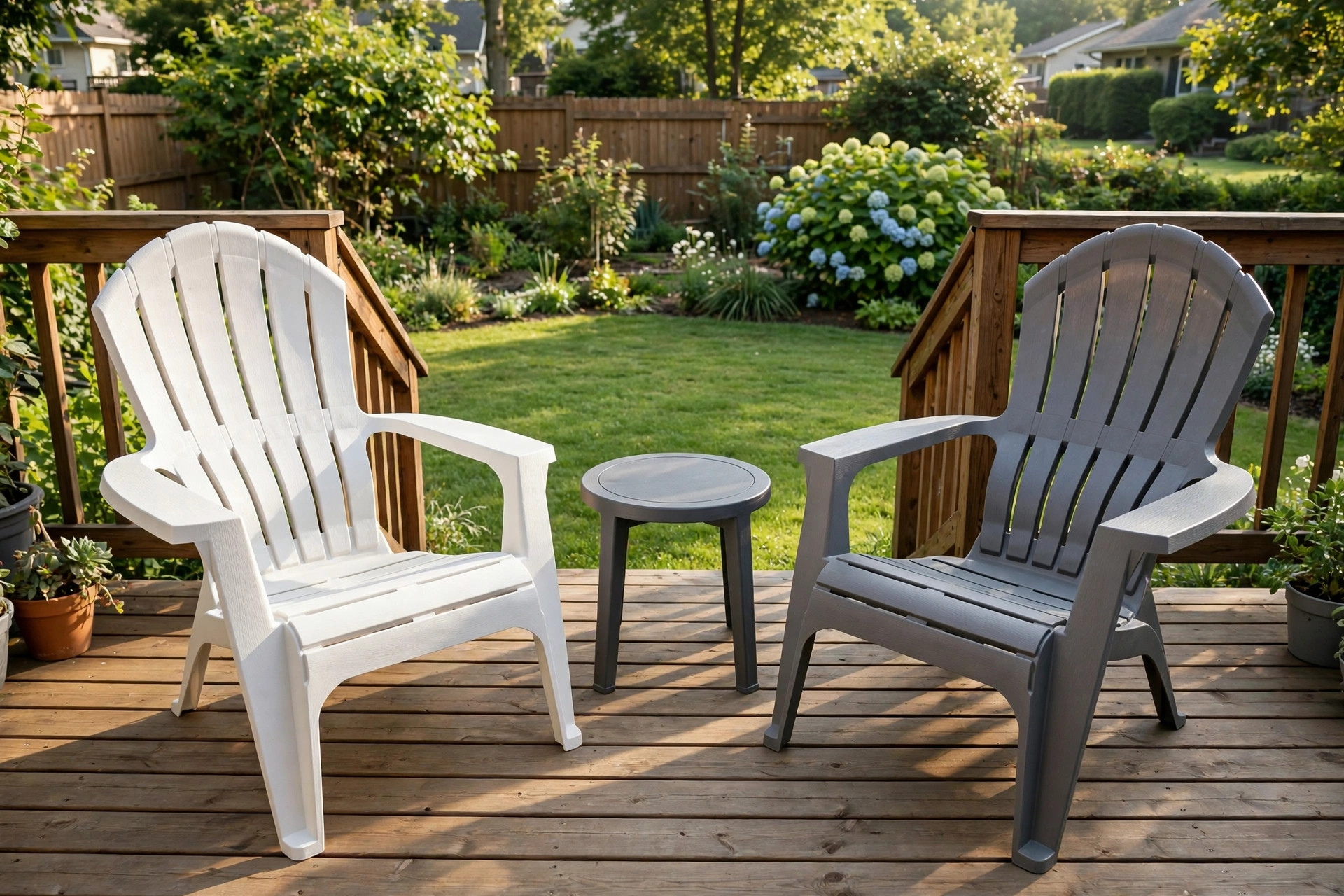

Many American backyards now have Polywood outdoor furniture. The chairs, tables, and benches are made from recycled plastic lumber. They look like painted wood, but they need far less care. Rain, sun, dust, pollen, and food spills still leave marks on them. If you know how to clean Polywood outdoor furniture the right way, your set can look new for many years. This guide walks you through the whole job, from a quick rinse to deep stain removal.
Why Polywood Furniture Needs Regular Cleaning
Polywood is high-density polyethylene lumber made from recycled milk jugs and similar plastic. It does not rot, splinter, or absorb water the way real wood does. Manufacturers build it for sun, rain, and snow. But “low maintenance” does not mean “no maintenance.”
Dust and pollen settle into the slight grain texture of the boards. Tree sap, bird droppings, and food grease can stain if left too long. In shaded yards, a thin film of mildew or algae can grow on the surface. None of this harms the plastic, but it spoils the look of the furniture.
A simple wash once or twice a year keeps the color bright. A quick wipe after meals keeps grease from building up. Regular care also lets you spot loose screws or worn parts early. Most owners find that a yearly spring cleaning and a mid-summer rinse are enough.
If you also own cushions or fabric pieces on your patio, you may want to read our guide on how to clean outdoor furniture cushions after you finish the frames.
What You Will Need: How to Clean Polywood Outdoor Furniture
Gather your supplies before you start. You do not need much.
– A garden hose with a spray nozzle – A bucket of warm water – Mild dish soap, such as plain Dawn or similar – A soft-bristle brush or an old sponge – A soft cloth or towel for drying – White distilled vinegar (for mildew spots) – Baking soda (for light stains) – A pressure washer only if you use a wide fan tip at low pressure
Avoid anything abrasive. Steel wool, wire brushes, and harsh scouring pads can scratch the plastic surface. Avoid strong solvents, bleach in high concentration, and paint thinner. They can dull the finish.
Most cleaning guides from brands like Polywood itself recommend the same simple tools: soap, water, and a soft brush. Fancy products are not needed.
Basic Cleaning Step by Step
Step 1: Remove Loose Dirt
Start with a dry brush or a broom. Sweep leaves, dust, and cobwebs off every surface. Pay attention to the gaps between slats and the corners where arms meet the seat. Loose dirt turns to mud when it gets wet, so this dry step saves work later.
Step 2: Rinse With the Hose
Rinse the whole piece with plain water from a garden hose. Use a gentle spray, not a jet. This washes off the surface layer of dust and pollen. Work from the top down so dirty water runs off the furniture instead of over clean areas.
Step 3: Wash With Soapy Water
Mix a few drops of mild dish soap into a bucket of warm water. Dip your soft brush or sponge and scrub every surface. Follow the grain direction of the boards. Give extra attention to armrests, cup holders, and the underside of seats, where grime collects.
For textured areas, the soft bristles work into the grooves and lift out the dirt. You should see the original color come back as you scrub. Rinse your sponge often in a second bucket of clean water if the first gets too dirty.
Step 4: Rinse Again
Rinse the soap off fully with the hose. Soap left to dry can leave a film that attracts new dirt. Check the piece from different angles. If you see missed spots, scrub them again and rinse.
Step 5: Dry the Furniture
Let the piece air dry in the sun, or wipe it down with a soft towel. Air drying is fine, but a towel prevents water spots in areas with hard water. Make sure water drains out of any hollow spots so it does not sit and grow algae.
This basic wash takes about 15 to 20 minutes per chair and a bit longer for a table or bench. Most owners do it twice a year. Home care writers at The Spruce suggest the same spring and fall schedule for all outdoor furniture.
How to Remove Stubborn Stains
Sometimes soap and water are not enough. Common problem stains include bird droppings, tree sap, sunscreen, red wine, barbecue grease, and rust marks from metal planters. Here is how to handle them.
Bird droppings and sap. Soak the spot with warm soapy water for ten minutes to soften it. Then scrub with the soft brush. For dried sap, press a cloth damp with rubbing alcohol on the spot for a minute, then wipe. Rinse well.
Grease and food stains. Make a paste of baking soda and water. Spread it on the stain and let it sit for 15 minutes. Scrub gently and rinse. The mild abrasive action of baking soda lifts grease without scratching.
Mildew and algae. Mix one part white distilled vinegar with three parts water in a spray bottle. Spray the affected area and let it sit for 20 minutes. Scrub with the soft brush and rinse. Vinegar kills mildew without harsh chemicals. For wide areas of green film, this treatment may need a second pass.
Rust marks. Rust usually comes from something sitting on the furniture, not from the Polywood itself. A paste of baking soda and a little lemon juice can lighten the mark. Rub gently, wait five minutes, and rinse. If the mark remains, a plastic-safe cleaner from your local store can help. Check the advice on Lowes product pages for cleaners marked safe for plastic lumber.
Sunscreen and lotion. These leave an oily film, especially on armrests. Warm soapy water and a soft brush usually remove it. Repeat the wash if a faint film stays behind.
Never use a narrow, high-pressure nozzle on stains. A pressure washer can force water into the board texture and leave marks. If you must use one, keep it under 1,500 PSI with a wide fan tip, and hold it at least a foot away.
For more detail on keeping mixed-material sets looking good, see our article on how to clean aluminum patio furniture, which covers metal frames that often pair with Polywood pieces.
Seasonal Care and Winter Storage
Spring
Give the full set a deep wash as described above. Tighten any loose screws with a screwdriver. Check for cracks or worn glides on chair feet. Replace any missing plugs or caps.
Summer
Wipe armrests and table tops every few weeks, especially after cookouts. A damp cloth is enough for light soil. Empty and rinse cup holders so sugary drinks do not attract insects.
Fall
Wash the set again before cold weather. Remove fallen leaves promptly, because wet leaves can leave tannin stains if they sit for weeks. This is a good time to apply furniture covers if you use them. Covers from retailers like Wayfair or IKEA keep winter dirt off the pieces.
Winter
Polywood handles snow and ice well. You can leave it outside uncovered in most climates. If you get heavy snow, brush snow off rather than letting it pile up and melt into puddles that refreeze. In very harsh regions, some owners store pieces in a garage or shed. If you store them, stack chairs carefully so they do not scratch each other, and leave a little air space for ventilation.
Our guide on teak patio set maintenance tips guide covers wood pieces if your patio mixes wood and Polywood.
What to Avoid
A few common mistakes can damage Polywood furniture.
– Abrasive pads. Steel wool and stiff wire brushes scratch the surface. Once scratched, the texture holds dirt more easily. – Bleach at full strength. A very dilute bleach solution is sometimes used for mildew, but full-strength bleach can dull colors. Stick with vinegar for mildew when you can. – Solvents. Paint thinner, acetone, and harsh degreasers can soften or discolor the plastic. – High-pressure washing. A narrow jet can etch lines into the boards. Use low pressure and a wide tip, or skip the pressure washer entirely. – Dark covers in hot sun. In very hot climates, a dark cover can trap heat and, in extreme cases, warp the boards slightly. Choose light-colored, breathable covers. Testing notes from Consumer Reports on outdoor furniture covers stress breathability for this reason. – Dragging across concrete. Lift pieces instead of dragging them. Dragging wears down the feet and can scratch the boards.
Cost of Cleaning Supplies
Cleaning Polywood furniture is cheap. A bottle of dish soap, a soft brush, and a sponge cost less than fifteen dollars at stores like Home Depot. White vinegar and baking soda add a few dollars more. A basic garden hose nozzle costs about ten dollars if you do not already own one.
Compare that with the cost of refinishing wood furniture, which can run into hundreds of dollars for sandpaper, stain, and sealant. This is one reason Polywood has grown popular. Project guides at Bob Vila often point out that recycled plastic lumber wins on long-term upkeep cost.
If you hire a pressure-washing service to clean the whole patio, expect to pay extra for furniture washing. Doing it yourself with a bucket and brush is free after the small supply cost.
Safety Tips
Cleaning is a safe job, but a few habits help.
– Wear rubber gloves if you use any commercial cleaner, even a mild one. Some people have sensitive skin. – Wear eye protection if you use a pressure washer. The spray can throw small bits of debris. – Work in the shade or in the cool part of the day. Hot sun dries soap too fast and makes the plastic hot to touch. – Keep cleaners away from plants. Rinse plants with plain water if soapy water splashes on them. – Let the furniture dry fully before children or guests sit on it. Wet plastic is slippery.
Design and safety notes for patio layouts appear on sites like Article, which remind owners to keep walkways clear while furniture dries.
Frequently Asked Questions
Can I use a pressure washer on Polywood furniture? Yes, but with care. Use a wide fan tip, keep pressure under 1,500 PSI, and hold the wand at least twelve inches from the surface. A garden hose and brush are safer and work just as well for normal dirt.
Will the color fade in the sun? Polywood is made with UV stabilizers, so fading is slow. Darker colors may lighten slightly after many years in strong sun. Regular cleaning keeps the color looking even. Covers during the off-season slow any fading further.
How do I remove mold from Polywood? Spray the spot with a mix of one part white vinegar and three parts water. Wait twenty minutes, scrub with a soft brush, and rinse. Repeat if needed. Vinegar handles most mildew without harsh chemicals.
Can I use dish soap every time? Yes. Mild dish soap is the recommended cleaner for regular washing. Avoid soaps with added bleach or strong degreasers. Rinse fully after washing so no film remains.
Is Polywood furniture really made from recycled plastic? Most Polywood-brand lumber is made from recycled high-density polyethylene, such as milk jugs and detergent bottles. The brand publishes details about its recycling process on its own site. Other makers of plastic lumber use similar recycled material.
How often should I clean my set? A deep wash in spring and fall is enough for most owners. Wipe high-touch areas like armrests once a month in summer. Clean spills, bird droppings, and sap as soon as you notice them so they do not set.
A Final Word
Learning how to clean Polywood outdoor furniture is simple, and the habit pays off. A bucket of warm soapy water, a soft brush, and twenty minutes twice a year will keep your chairs, tables, and benches looking sharp. Treat stains early, skip the harsh chemicals, and store or cover the set in winter. Do that, and your Polywood furniture will welcome family and friends for many seasons to come.
References
Article. (n.d.). Modern furniture. https://www.article.com Bob Vila. (n.d.). Home improvement advice. https://www.bobvila.com Consumer Reports. (n.d.). Product reviews and ratings. https://www.consumerreports.org IKEA. (n.d.). Home furnishings. https://www.ikea.com Lowe’s. (n.d.). Home improvement products. https://www.lowes.com Polywood. (n.d.). Outdoor furniture. https://www.polywood.com The Home Depot. (n.d.). Home improvement products. https://www.homedepot.com The Spruce. (n.d.). Home and garden advice. https://www.thespruce.com Wayfair. (n.d.). Furniture and home goods. https://www.wayfair.com
Was this guide helpful?

About Sarah Mitchell
The My Garden US editorial team writes practical, in-depth home and garden guides for American homeowners — tested advice, no fluff.
You May Also Like
Best Outdoor Bench with Backrest Reviews: What to Know Before You Buy
September 15, 2026 0 views
The Best All Weather Wicker Dining Set: A Plain Guide to Choosing Well
August 27, 2026 0 views
Best Patio Furniture for Beach House Living
August 28, 2026 0 views