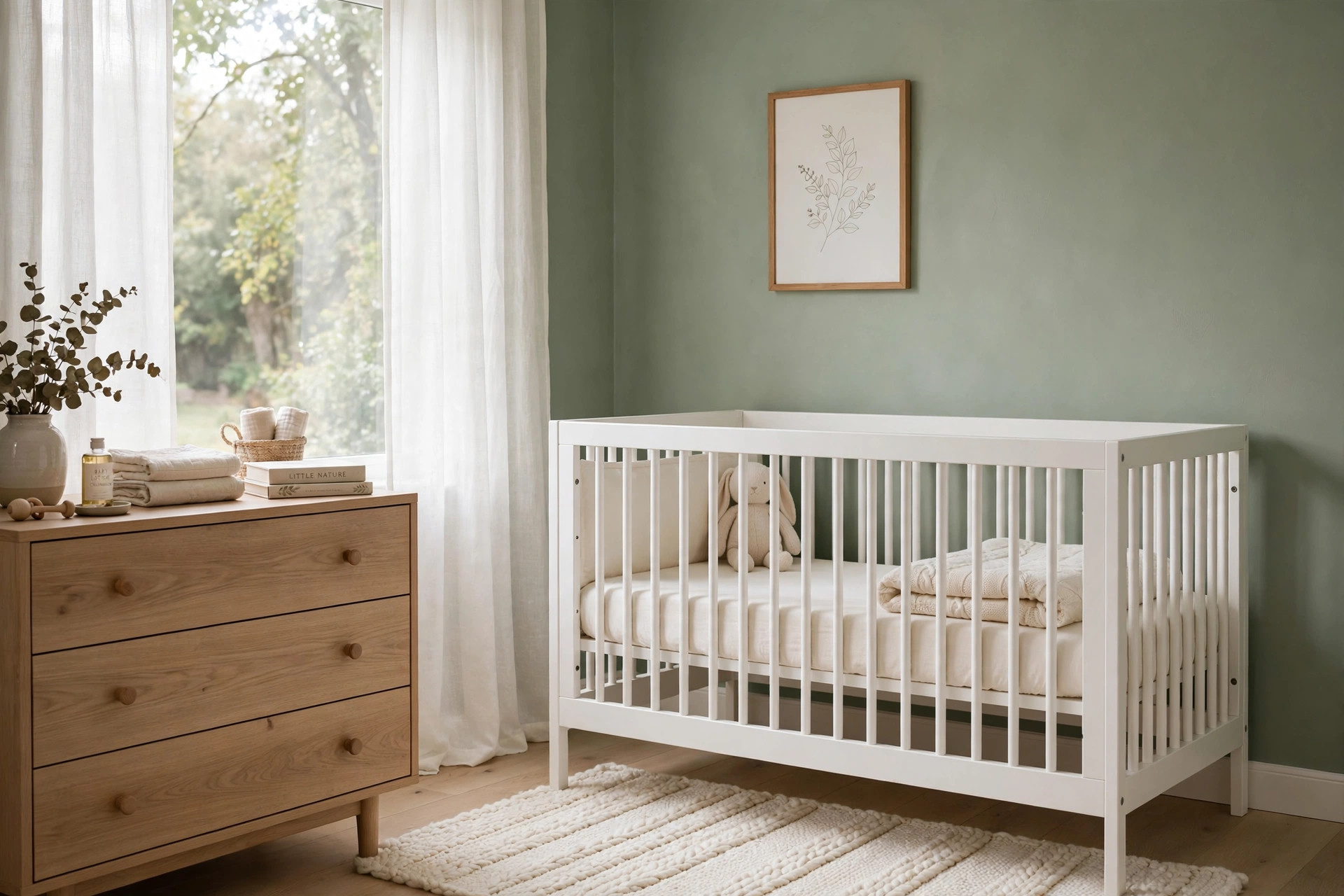

Parents spend a great deal of time choosing a crib. They pick out blankets. They read about feeding. Yet the color on the nursery walls often gets little thought. That is a mistake. The search for nursery wall paint color ideas for calm sleep is worth the time. The shade on those walls greets the baby at every nap and at every night feeding. A calm color can make the room feel quiet and safe. A loud color can make it feel busy. This guide looks at the best nursery wall paint color ideas for calm sleep, and it explains how to choose, what paint to buy, what it costs, and how to keep the walls fresh.
Why Wall Color Matters for a Baby’s Sleep
A nursery is a room for rest. That is its main job. Every part of it should serve that job. Light should be soft. Sound should be low. And the walls should support a sense of calm.
Color shapes how a room feels. This is well known. Bright reds and hot oranges wake the eye. They add energy to a room. That energy is the last thing a tired parent wants at three in the morning. Soft blues, pale greens, and warm neutrals do the opposite. They sit back. They let the eye rest. They let the mind rest too.
Babies are very open to what is around them. They cannot shut out a bright wall the way an adult can look away. The nursery surrounds them during their most helpless hours. A calm wall color will not teach a baby to sleep through the night on its own. No color can do that. But a calm color removes one more source of stir. It works with dim lights, with soft music, and with a steady bedtime routine.
There is another gain. A calm room helps the parent too. Nights are long. Rocking a baby for an hour is hard work. A room that feels peaceful makes that work easier. The parent breathes slower. The baby feels the calm. Rest spreads through the room.
So choosing from nursery wall paint color ideas for calm sleep is not a small design choice. It is part of building a room where rest can happen.
Calming Paint Colors to Consider: Nursery Wall Paint Color Ideas for Calm Sleep
Paint makers now offer lines made for calm rooms. The trend is soft, muted, and close to nature. Here are the best families of color for a nursery built around sleep.
Soft Blue
Soft blue is the classic choice for calm. It recalls the sky at dusk and still water. Look for shades with gray in them, not bright primary blue. Powder blue, slate blue, and misty blue all work well. Blue lowers the sense of activity in a room. It pairs well with white trim and light wood. A soft blue wall behind the crib gives the room a clear, quiet feel.
Warm Gray
Gray has grown in favor for good reason. A warm gray, one with a touch of brown or beige, feels soft and current. It works for a boy or a girl. It also works as the child grows, since it does not read as babyish. Pair warm gray walls with white bedding and a nursery rocking chair in a light fabric. The result is calm without being cold.
Pale Green
Pale green brings the outdoors inside. Sage, eucalyptus, and soft moss tones all calm the eye. Green sits in the middle of the color range, so it feels balanced. It works well in rooms that get strong sun, since it cools the light a little. Pale green also pairs well with cream and natural wood. Many parents find it the most restful color of all.
Cream and Warm White
A warm white or cream wall is always safe. It bounces light around the room. It makes a small nursery feel larger. It also lets other items set the mood: the crib, the rug, the art. Choose a white with a warm base, not a stark blue-white. Stark white can feel cold and flat. Warm white feels soft. If you want more ideas for the walls once painted, look at nursery wall art ideas that keep the palette gentle.
Blush Pink
A pale blush pink can be very calm. The key is to keep it muted. Think of the inside of a shell, not a bright candy. Muted pink feels warm and kind. It works well with gray and cream. It does not have to read as girlish. Paired with natural wood and white, it reads as gentle.
Soft Lavender
Lavender sits between blue and pink. In pale form it can be very restful. It suits rooms with cool light. Keep it gray and pale, not bright. A soft lavender wall can make evening feeds feel quiet and dreamlike. Some parents find it too sweet, so test a sample first.
Two-Tone and Accent Ideas
You do not have to paint all four walls one color. Many parents paint three walls a soft neutral and one wall a deeper tone of the same family. This adds interest without noise. Another idea is a chair rail: paint below the rail a soft color and above it warm white. Keep the tones close together. Sharp contrast wakes the eye, and calm is the goal.
How to Choose the Right Shade
Choosing among nursery wall paint color ideas for calm sleep takes care. Follow these steps.
Watch the light. Paint looks different in morning light and in lamplight. A color that looks soft at noon may look gray and cold at night. Paint large test boards, not small chips. Lean them against the wall. Look at them at different times of day and under the lamp you will use at night.
Go a step lighter than you think. Colors dry darker than they look wet, and they read stronger on four walls than on a small sample. When you like a shade, go one step lighter on the paint strip. You can always add depth with bedding and curtains.
Keep the finish in mind. Flat paint looks soft and hides wall flaws. Eggshell gives a slight glow and wipes clean. In a nursery, eggshell or satin is the smart pick. It handles the marks that come with small children. A wall organizer for diapers and lotion will also protect the wall near the changing table.
Match the room, not the trend. The best color for your nursery is the one that fits your light, your floor, and your furniture. Trends change. Your baby’s room should feel right to you. Trust your eye.
Test next to the crib. Hold the sample near the crib and the glider. The paint must work with what is already in the room. A color that clashes with the rug will never feel calm.
Guides from The Spruce and HGTV offer room-by-room color ideas that can spark your own plan. Browse them for tone, then pick what suits your space.
Paint Types and Finishes for a Nursery
Not all paint is the same. For a nursery, the type matters as much as the color.
Low or zero VOC paint. VOCs are chemicals that paint gives off as it dries. Choose paint marked low-VOC or zero-VOC. It smells less and is the safer pick for a baby’s room. Most major brands now offer these lines. Painters at Sherwin-Williams and Benjamin Moore can point you to their low-VOC nursery options.
Washable formulas. Babies touch walls. Toddlers draw on them. A washable paint lets you wipe marks with a damp cloth. Look for paints that say scrubbable on the label. Eggshell and satin finishes clean best.
Primer. If the wall is dark now, use a primer first. Two thin coats of paint over primer beat one thick coat every time. Primer also helps the true color show.
How much to buy. A small nursery, about 10 by 12 feet, needs about two gallons for two coats. Buy a little extra. You will want it for touch-ups later. Keep the can in a cool, dry place with the label facing out.
Timing. Paint at least two to three weeks before the baby arrives if you can. This lets the room air out fully. Open windows while you paint and for several days after.
Cost of Painting a Nursery
Painting a nursery is one of the least costly room projects. Here is a plain breakdown for a standard small nursery in the United States.
A gallon of good low-VOC interior paint costs between 40 and 70 dollars. Two gallons run 80 to 140 dollars. Primer adds 25 to 40 dollars a gallon if you need it. Basic tools, such as rollers, brushes, painter’s tape, and drop cloths, cost 40 to 80 dollars if you own none.
If you do the work yourself, the full job often lands between 150 and 300 dollars. If you hire a painter, labor for a small room runs 300 to 600 dollars in most areas, plus materials. That puts a pro job at roughly 450 to 900 dollars.
Ways to save: paint only an accent wall, use paint you already own for the trim, and borrow tools from a friend. Do not save by buying cheap paint with strong fumes. The low-VOC label is worth the few extra dollars. Retailers like IKEA and Wayfair can help with low-cost furnishings so more of your budget goes to good paint.
Care and Upkeep of Nursery Walls
Nursery walls take a beating. Small hands leave prints. Bottles splash. Toy bins scuff the baseboards. A little care keeps the room calm and fresh.
Clean marks early. Wipe fresh marks with a damp soft cloth before they set. For scuffs, a gentle cleaner on a sponge works. Test any cleaner on a hidden spot first.
Keep touch-up paint. Save the leftover can from the job. Mark it with the room name and the date. Small chips and nail holes take five minutes to fix with a small brush.
Control humidity. A damp room can spot and peel paint. Run a fan or a small dehumidifier if the nursery feels clammy. This also helps the baby sleep better.
Refresh every few years. Paint fades and yellows with time, more so in sunny rooms. A fresh coat every three to four years keeps the calm color true. When the baby grows into a toddler, you may repaint in a slightly deeper tone of the same family.
Safety in the Nursery
Paint safety goes past the fumes. Keep these rules in mind.
Let paint cure. Paint feels dry in hours but needs days to fully cure. Keep the baby out of the room during painting and for several days after. Air the room well.
Check old paint for lead. In homes built before 1978, old paint may hold lead. Do not sand or scrape it yourself. The U.S. Consumer Product Safety Commission offers guidance on lead paint safety in older homes. If you suspect lead, hire a certified pro.
Keep cords and small parts away. Wall color is only one part of a safe room. Keep curtain cords short and out of reach. Anchor the dresser and bookshelf to the wall. These steps matter more than any color choice.
Follow safe sleep guidance. A calm room supports safe sleep, but the sleep setup matters most. The American Academy of Pediatrics publishes safe sleep guidance for parents through HealthyChildren.org. A bare crib, a firm mattress, and the baby on the back remain the core rules.
Frequently Asked Questions
What is the best wall color for a baby who wakes often? No color fixes night waking on its own. But soft, muted tones remove visual stir. Try a pale blue, sage green, or warm gray. Keep the room dim at night. Pair the calm walls with a steady bedtime routine.
Should the nursery be dark or light? Both can work. Light walls make a small room feel open and airy. Slightly deeper muted tones can make a large room feel snug. The key word is muted. A light but loud color, like bright yellow, is worse than a deeper calm one.
Can I use wallpaper instead of paint? Yes. Peel-and-stick wallpaper in soft tones works well and comes off cleanly. Make sure it is low-odor and made for indoor home use. Avoid busy prints with strong contrast. A soft stripe or a faint dot pattern keeps the calm feel.
Is gray too cold for a nursery? A cool gray can feel cold, but a warm gray does not. Look for grays with beige or brown undertones. Add warmth with wood furniture, a soft rug, and warm-white lamps. Textiles do much of the warming work.
How do I pick between blue and green? Look at your room’s light. North-facing rooms get cool light, and warm greens balance it well. South-facing rooms get warm light, and soft blues cool it down. Test samples on the wall and live with them for two days before you decide.
What paint sheen is best for nursery walls? Eggshell is the best all-around pick. It looks soft, hides small flaws, and wipes clean. Satin is a close second and stands up to more scrubbing. Avoid flat in a nursery, since it marks easily, and avoid high gloss, which looks harsh.
A Final Word
Nursery wall paint color ideas for calm sleep all point the same way: soft, muted, and close to nature. Pick a shade that feels quiet to your eye. Test it in your light. Use low-VOC paint in a washable finish. Then let the walls do their quiet work while you handle the rest: the rocking, the feeding, the long nights. Parenting sites like What to Expect and shops like Pottery Barn Kids offer more nursery ideas to pair with your new walls. A calm room will not raise your child for you. But it gives rest a fair chance, and that is no small thing.
References
American Academy of Pediatrics. (n.d.). HealthyChildren.org. https://www.healthychildren.org Benjamin Moore. (n.d.). Paints and stains. https://www.benjaminmoore.com HGTV. (n.d.). Home and garden ideas. https://www.hgtv.com IKEA. (n.d.). Home furnishings. https://www.ikea.com Pottery Barn Kids. (n.d.). Kids furniture and decor. https://www.potterybarnkids.com Sherwin-Williams. (n.d.). Paints and coatings. https://www.sherwin-williams.com The Spruce. (n.d.). Home and garden advice. https://www.thespruce.com U.S. Consumer Product Safety Commission. (n.d.). Product safety information. https://www.cpsc.gov Wayfair. (n.d.). Furniture and home goods. https://www.wayfair.com What to Expect. (n.d.). Pregnancy and parenting guidance. https://www.whattoexpect.com
Was this guide helpful?

About Michael Thompson
The My Garden US editorial team writes practical, in-depth home and garden guides for American homeowners — tested advice, no fluff.
You May Also Like
A Nursery Lamp With Soft Warm Light for Night
January 9, 2026 0 views
A Kids Desk with Drawers for Bedroom Study: A Parent’s Guide
August 17, 2026 0 views
Finding the Best Kids Bed with Bookcase Headboard
July 8, 2026 0 views