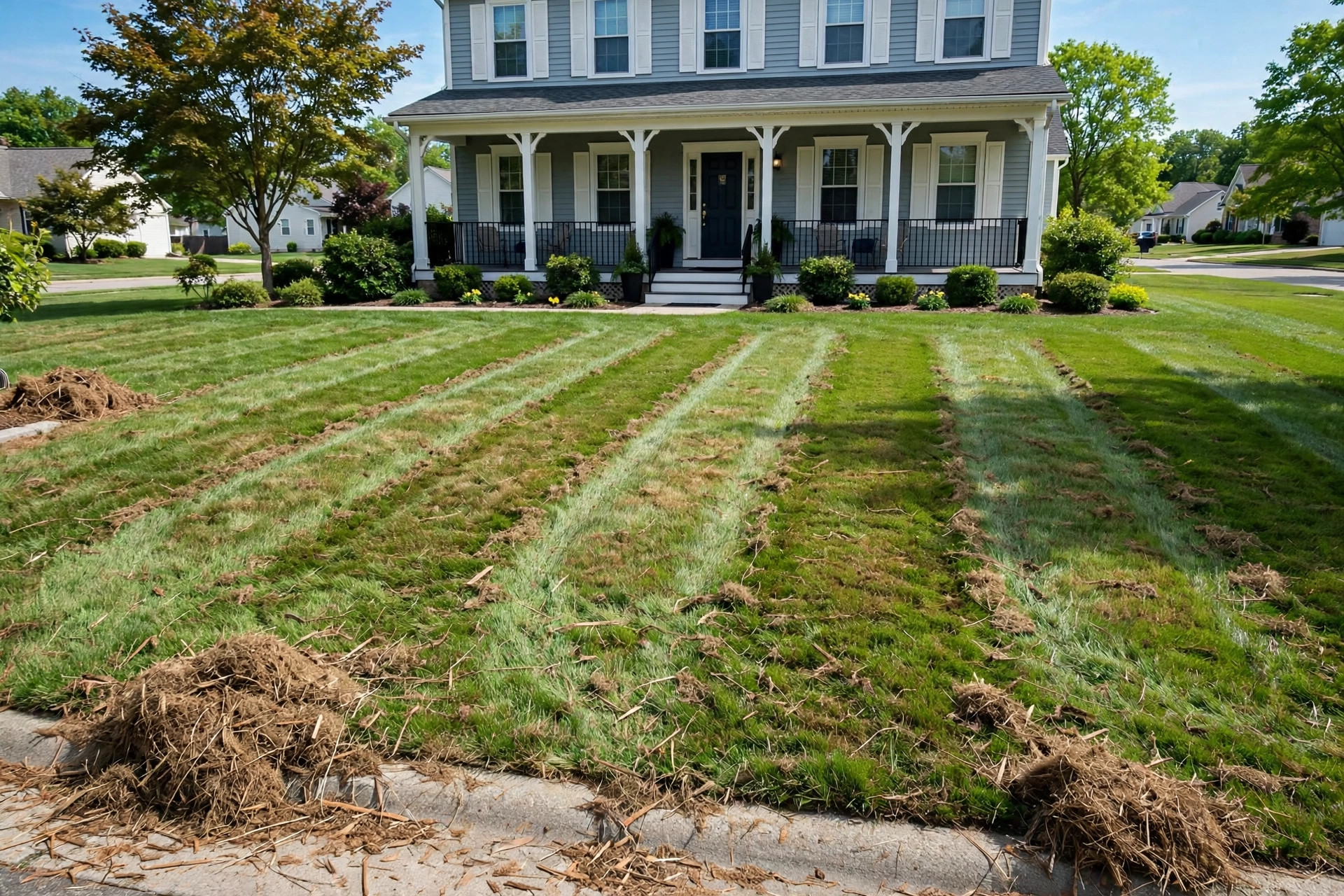
A healthy lawn needs sun, water, and air at the roots. Thatch can block all three. Many homeowners search for a lawn thatch removal service near me when their grass starts to look tired, thin, and pale no matter how much water they give it. A local service can cut through the thick mat, pull it out, and let the lawn breathe again. This guide explains what thatch is, when you need help, what the work costs, and how to pick a good company.
Why Thatch Matters
Thatch is a layer of dead stems, roots, and grass clippings that sits between the green blades and the soil. A thin layer is normal. It breaks down on its own and feeds the lawn. But when the layer grows thicker than half an inch, it causes trouble. Water runs off instead of soaking in. Air cannot reach the roots. Roots then grow shallow and weak.
A lawn with heavy thatch often shows clear signs. The grass feels spongy underfoot. Brown spots appear in summer even after rain. The lawn turns pale despite fertilizer. Moss may creep into bare patches. If you dig a small plug of turf and see a thick brown mat at the base, thatch is the problem. A professional crew brings power dethatchers that rake through the mat fast and even. For a large yard, a machine does in hours what would take a person days with a hand rake.
Timing matters too. Removing thatch stresses the grass for a short time. The best time is when the grass grows fast and can heal. Cool-season grasses, such as fescue and bluegrass, do best in early fall or early spring. Warm-season grasses, such as bermuda and zoysia, do best in late spring or early summer. A local service will know your grass type and your weather. That local knowledge is one reason homeowners search for help close to home instead of doing it alone.
What to Look for in a Service: Lawn Thatch Removal Service near Me
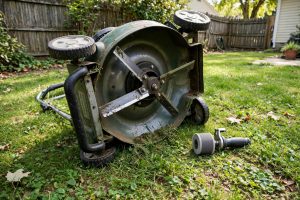
Not every lawn company does thatch removal well. Start with proof of experience. Ask how long the crew has run dethatching machines. Ask what kind of machine they use. Power rakes with spring tines are gentler. Vertical mowers with fixed blades cut deeper and suit thick thatch. A good company will match the tool to your lawn.
Ask for a written quote. The quote should list the size of the area, the method, and what happens to the debris. Some crews haul the thatch away. Others leave it in piles for the curb. Know which one you are paying for. Also ask whether the price includes cleanup of beds and walks. Dethatching throws a lot of loose material around, and a careful crew cleans it up.
Check reviews and ask for references. A neighbor with a fresh-looking lawn is a fine reference. Look at before and after photos from the company. Be wary of prices that seem far below the rest. Very low bids can mean rushed work or old equipment. Also check that the company carries liability insurance. Machines throw stones and debris, and insurance protects you if something breaks.
If you would rather rent a machine and do the job yourself, it helps to know lawn dethatcher rental prices near me before you call around. A rental can be a good deal for a small yard, but it takes a full day of hard work.
Types of Thatch Removal Services
Most companies offer three levels of service.
Power raking. A power rake uses rows of spring tines that spin and pull dead material out of the turf. It is the gentlest option and works well for thatch up to about an inch thick. Most home lawns fit this level. The job moves fast, and the lawn recovers quickly.
Vertical mowing. This uses solid blades that slice into the soil line. It cuts through thicker mats and opens the soil for seed. It is rougher on the grass and leaves bare lines, but it pairs well with reseeding. If your lawn is more than half bare, ask about vertical mowing plus new seed.
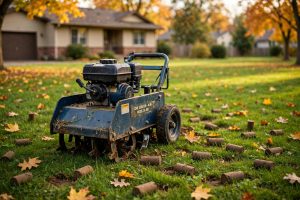
Core aeration as an add-on. Aeration pulls small plugs of soil out of the ground. It is not the same as dethatching, but it helps a stressed lawn recover faster. Many companies offer both in one visit. If your soil is packed hard, this add-on is worth the price. To learn more about timing, see best time to aerate lawn in midwest and other regional guides.
Some firms bundle dethatching with overseeding and a starter fertilizer. That bundle gives the lawn a full reset. Ask if the seed matches your region. Seed that suits another state may fail in yours. A local company should pick seed that fits your zone.
Cost and Price
Prices vary by region, yard size, and the thickness of the thatch. For a typical suburban lawn of 5,000 to 10,000 square feet, a power-raking visit often costs between 150 and 350 dollars. Larger lawns can run 400 to 600 dollars or more. Vertical mowing costs more because it takes longer and creates more debris to haul away.
Many companies charge by the square foot. A common range is three to five cents per square foot for power raking. Debris removal may add 50 to 150 dollars. Overseeding and fertilizer as add-ons can add another 100 to 300 dollars. Get at least three quotes so you can compare. Make sure each quote covers the same work. A low quote that skips cleanup is not really low.
Ask about the season. Prices often drop in late summer when demand is low, and they rise in spring when every lawn company is booked. If your schedule is flexible, book early and save money. Also ask about package deals. A company that returns for fall overseeding may discount the spring dethatching visit.
Care and Upkeep After the Work
The lawn will look rough for a week or two after dethatching. Bare soil and thin spots are normal. The lawn is healing, not dying. Water lightly and often until the grass fills back in. Keep foot traffic low for the first week.
Do not mow for at least five to seven days. When you mow, raise the blade and cut no more than one third of the blade length. Mulching mowers return fine clippings to the lawn. Those fine clippings feed the soil and do not cause thatch. Thatch comes mostly from stems and roots, not from clippings.
Hold off on heavy fertilizer until the grass shows new growth. A light starter fertilizer is fine if the company suggests it. Strong weed killers should wait too, since open soil takes them up fast and the young grass can burn. If you plan to overseed, now is the perfect time. Open soil gives seed good contact. A guide to overseeding lawn in fall step by step can walk you through it.
Long term, keep thatch from coming back. Mow at the right height for your grass type. Water deeply but less often, so roots grow down instead of up into the mat. Test your soil every year or two. Acidic soil slows the microbes that break thatch down. A lime treatment can fix that. Choose a fertilizer that feeds the soil life, not just the blades.
One more habit helps a great deal. Leave the lawn alone after heavy rain until it dries. Walking on wet, dethatched turf packs the soft soil down again. That packing blocks air and lets thatch return. Wait until the blades spring back under your shoe, then mow. Small habits like this keep the service visit paying off for years.
Safety
Dethatching machines are loud and throw debris. Stay clear of the crew while they work. Keep children and pets inside or far from the work area. Small stones can fly with force. Workers should wear eye guards, ear guards, and closed boots. A good company trains its crew and keeps guards on the machines.
Dust is another concern. Dry thatch dust can irritate lungs. If anyone in the home has asthma or dust allergies, keep windows closed on work day. After the work, the crew should blow dust off walks and porches. Rake or blow loose material out of planting beds, since piled thatch can smother flowers.
Chemical safety matters if the visit includes fertilizer or weed treatment. Ask what products they plan to use. Ask how long pets and children should stay off the lawn. Most granular products need a good watering in, and the lawn should dry before pets walk on it. Liquid products often need 24 to 48 hours. A careful company posts a small flag in the yard and gives you written wait times.
FAQ
How do I know my lawn has thatch? Push a finger down through the green blades. If you hit a firm brown mat before you reach soil, that is thatch. A layer thicker than half an inch should come out. Spongy ground, dry spots in rain, and pale color are other signs.
Can I remove thatch myself? Yes, for a small yard. A hand thatch rake works on a few hundred square feet. For larger yards, a rented power rake is better. The work is hard and takes most of a day. Many people hire a service because the machine work is fast and the crew hauls the debris.
Will dethatching hurt my lawn? It stresses the grass for a short time. That is normal. Lawns dethatched in the right season recover in two to four weeks. Lawns dethatched in hot dry weather can struggle, which is why timing and watering matter.
How often should I dethatch? Most lawns need it every two to three years. Lawns with heavy nitrogen feeding or fast-growing grass types may need it yearly. A soil test and a yearly check of thatch depth will tell you when it is time.
Is spring or fall better for dethatching? It depends on your grass. Cool-season grasses heal best with fall dethatching. Warm-season grasses heal best in late spring. A local service will match the work to your grass type and your weather.
What should I ask before I hire? Ask for a written quote with cleanup included. Ask what machine they will use and how deep they will cut. Ask for proof of insurance. Ask how they will handle the debris and what wait times apply if chemicals are used.
A Final Word
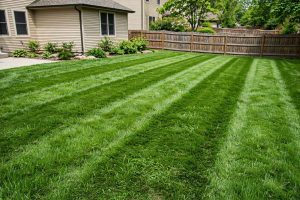
A thick layer of thatch starves a lawn of water and air. A local service can clear it in a single visit and set the grass on a better path. Choose a company with the right machine, a written quote, and good cleanup habits. Time the work for your grass type, water well after, and keep up with mowing and soil care. Your lawn will come back green, thick, and firm underfoot. If you want to compare brands of power equipment first, the maker sites for Toro, John Deere, and Briggs and Stratton list dethatchers, mowers, and engine care guides.
References
Toro. (n.d.). Lawn and garden equipment. https://www.toro.com Deere & Company. (n.d.). John Deere home and garden products. https://www.deere.com Briggs & Stratton. (n.d.). Small engines and outdoor power equipment. https://www.briggsandstratton.com
Was this guide helpful?

About Jennifer Lee
The My Garden US editorial team writes practical, in-depth home and garden guides for American homeowners — tested advice, no fluff.