
Owning a rental property means caring for the land as well as the house. The lawn is the first thing a tenant sees when they drive up, and it is the first thing a neighbor sees every day. A lawn care service for rental properties takes this work off the landlord’s hands. The crew mows the grass, trims the edges, and keeps the yard clean week after week. This article explains what such a service does, how to choose one, and what it costs. It also covers who should be responsible for the lawn, the owner or the tenant, and how to write that duty into a lease. Whether you own one single-family home or a row of duplexes, the rules below will help you keep each yard neat.
Why the Lawn Matters at a Rental Home
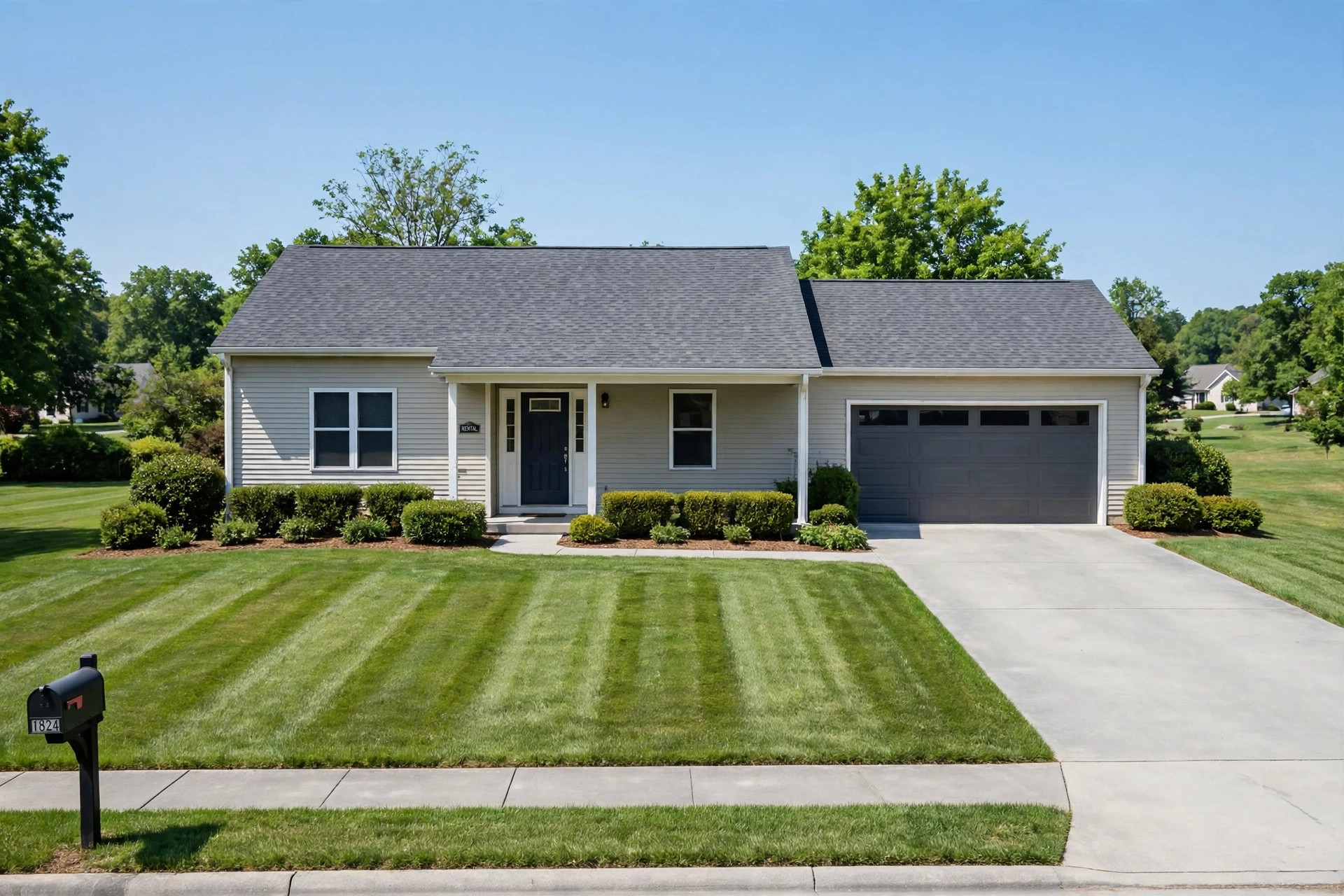
A rental house is a business. The lawn is part of the storefront. When the grass is green and even, the whole property looks well managed. Good tenants notice. They are more likely to rent a home that looks cared for, and they often stay longer when the outside of the home stays clean.
The law also cares about lawns. Many cities and counties have rules against tall grass and weeds. A landlord who lets a yard go wild can face fines, and those fines add up fast. A homeowners association may add its own rules, with letters and penalties of its own.
A neglected lawn causes real damage too. Weeds spread into flower beds and walkways. Thick uncut grass gives shelter to ticks, fleas, and rodents. What starts as a skipped mowing can end as a pest bill.
For landlords who live far from their property, the lawn is often the first thing to slip. An out-of-town owner cannot drive by each week to check the grass. That is why a lawn care service for rental properties is so common among investors. A steady crew keeps the yard at a high standard even when the owner is miles away.
What a Lawn Care Service Does: Lawn Care Service for Rental Properties
A full-service crew handles the whole yard, not just the mowing. The list below covers the main tasks most companies include.
Regular Mowing
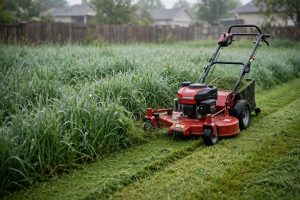
Mowing is the heart of the service. The crew cuts the grass to a set height, usually two and a half to four inches, depending on the grass type and the season. Most rental yards need a cut every week in the spring and summer, and every two weeks in the cooler months. A good crew changes its mowing pattern from visit to visit so the grass does not lean or rut in one direction.
Edging and Cleanup
A sharp edge along the sidewalk and driveway makes a yard look finished. The crew trims around trees, fences, and flower beds with a string trimmer. After the cut, they blow leaves and clippings off walkways, porches, and driveways. This cleanup matters more at rentals than at private homes, because tenants judge the property on the spot at every showing.
Fertilizer and Weed Control
Many services offer lawn treatments on a set schedule. Fertilizer feeds the grass so it grows thick and green. Pre-emergent herbicide stops crabgrass before it starts. Spot treatments knock out broadleaf weeds like dandelions and clover. A thick lawn leaves little room for weeds, which keeps the yard low work over the long run.
Some crews also handle seasonal tasks like aerating compacted soil or laying down a winter fertilizer after overseeding the lawn in fall. If your property sits on hard, packed ground, it may help to learn whether lawn aeration or dethatching should come first before you order either treatment.
How to Choose a Lawn Care Service for a Rental Property
Not every mower with a truck makes a good fit for a rental. Landlords need a company that is steady, insured, and easy to reach. Use the checklist below before you sign.
First, ask for proof of insurance. A lawn crew works around tenants, children, and pets. If a mower throws a stone through a window or a worker is hurt on the job, the landlord does not want to carry that cost. A real company will show you a current insurance certificate without delay.
Second, get a written contract. It should list every task, the number of visits per month, and the exact price. Note who is in charge when the grass is dormant in winter. Many contracts run all year with a lower winter rate, and others pause and restart in spring. Either plan is fine, as long as it is written down.
Third, check references. Ask for two or three current clients who own rental property. Call them. Ask if the crew shows up on schedule, if they lock gates behind them, and how they handle tenant complaints. A company that already works with landlords will know how to deal with locked gates, dogs in the yard, and tenants who leave toys on the grass.
Fourth, look at the equipment and the work quality. A professional crew runs clean, modern machines from well-known makers such as Toro or John Deere. Sharp blades cut grass cleanly; dull blades tear it and leave brown tips. A company that keeps its gear in good repair is usually one that keeps its promises too.
Fifth, test their response time. Call with a question and see how fast they answer. When a tenant reports a sprinkler flooding the lawn or a tree limb down on the fence, you need a crew that picks up the phone.
Finally, compare three bids. Prices that are far below the rest often mean the company is uninsured or cuts corners. Prices far above the rest may include work the yard does not need. The middle bid from a licensed, insured company is often the best value.
Landlord or Tenant: Who Is Responsible
Every rental needs a clear answer to one question: who takes care of the lawn? The lease must spell it out. Without that line in the lease, every dead patch becomes an argument.
In single-family rentals, the landlord often passes basic lawn duties to the tenant. The lease may say the tenant must mow, water, and keep the yard free of weeds. This is legal in many states, but local rules differ, so check the law where the property sits. Some states will not allow a landlord to shift all maintenance to a tenant, and many require the landlord to keep the property free of hazards no matter what the lease says.
In multi-unit buildings, the landlord almost always keeps the lawn duty. One tenant cannot be asked to care for common ground that all tenants share.
Where a homeowners association is involved, the owner is the one who answers to the board. Even if the tenant is supposed to mow, the HOA sends its fines to the landlord. For that reason, many landlords with HOA homes pay for the service themselves and set the rent to cover it.
Take photos of the yard when a tenant moves in and when they move out. Date the photos and keep them with the lease. Good records make it easy to show whether the lawn was kept as agreed, and they settle disputes fast.
Cost and Price of a Lawn Care Service for Rental Properties
Prices change with the size of the lot, the region, and the number of visits. The numbers below are common ranges in the United States.
A basic mowing visit for a small city lot often runs from thirty-five to eighty dollars. A larger suburban lot with steep slopes or a back gate may cost eighty to one hundred twenty dollars per visit. Most landlords sign a seasonal or yearly contract instead of paying per visit. A full-year contract for one single-family home often falls between eight hundred and fifteen hundred dollars, paid in monthly chunks.
Treatment plans cost extra. A fertilizer and weed-control plan for the whole season may add two hundred to four hundred dollars a year. One-time work costs more per visit. Aerating the soil may run from seventy-five to one hundred seventy-five dollars, depending on lot size. Overseeding the lawn in fall may run from one hundred to three hundred dollars. If the yard has an irrigation system, note that repairs are billed by the hour; to keep that line item small, it helps to know what an affordable lawn sprinkler installation should cost before problems start.
Several factors move the price up or down. Large lots cost more than small ones. Steep hills and locked gates slow the crew down. Yards full of toys, hoses, and dog waste take longer to service, and some companies add a fee for the extra labor.
Landlords should treat lawn care as a normal business expense. In most cases the cost can be set against rental income at tax time, but tax rules change, so ask a tax adviser about your own case. Whether you absorb the cost or build it into the rent, a set contract keeps the budget steady all year.
Care and Upkeep Between Visits
A weekly crew cannot be everywhere at once. The yard still needs small care between visits, and the lease should say who does what.
Tenants can handle the small daily jobs. They should pick up trash and pet waste before each mowing day so the crew can work without delay. They should water the lawn on the schedule the owner sets, and report broken sprinkler heads or brown spots right away. They should not park cars on the grass, because tires crush the roots and leave bare ruts.
Landlords should watch the long-term health of the yard. Once or twice a year, walk the property and look for thin spots, standing water, and sprinkler leaks. Have the irrigation system checked each spring before the heat starts.
Put short yard rules in the lease: watering days, the mowing-day cleanup rule, and the duty to report damage.
Safety and Liability
Lawn work looks simple, but it carries real risk. Landlords should take it as seriously as any other repair work.
Mower blades throw stones and sticks at high speed. A good crew keeps tenants and children away from the work area and shuts the mower down before crossing a walkway. The landlord can help by making sure the yard is clear of hidden objects like tent stakes and wire.
Chemicals need care too. Fertilizer and weed killer should be stored in a locked shed, never in an open garage where children or pets can reach them. When a spray treatment is planned, the crew should warn the tenant a day ahead. After treatment, wait the time the label states before letting children or pets back on the grass.
Insurance is the last line of defense. Keep the company’s insurance certificate on file and ask for a new copy each year. If the company uses subcontractors, make sure those workers are covered as well. A short safety record check each year is cheap and can save a large bill later.
Gates and fences deserve a note. Crews should lock gates when they leave so dogs do not escape and strangers do not walk in. Give the company a gate code or key, and write down who holds it. When the contract ends, collect the key and change the code.
Frequently Asked Questions
How often should a rental lawn be mowed?
In the growing season, once a week is the standard. In cool or dry months, every two weeks is often enough. The exact pace depends on grass type, rain, and the rules of the city or homeowners association. The service contract should name the schedule for each season.
Who pays for lawn care in a rental home?
In most cases the landlord pays and sets the rent to cover it. In single-family homes, the lease may pass mowing and watering to the tenant. The key point is that the lease must state the duty in plain words. When nothing is written, the landlord usually bears the cost.
Can a tenant be required to mow the lawn?
In many states, yes, for a single-family home, if the lease clearly assigns the duty and the tenant signs it. Some states limit this, and a few bar it outright. Multi-unit yards and common areas remain the landlord’s duty in nearly all places. Check local law before you shift the duty.
What happens if the tenant lets the lawn die?
Start with the records. Compare the yard to the move-in photos and send the tenant a written notice that names the problem and gives a set time to fix it. If the tenant does not act, the landlord may step in, restore the lawn, and bill the cost as the lease and state law allow. Keep every letter and photo in the file.
How should a landlord plan for irrigation repairs?
Sprinklers wear out, heads break, and lines leak. A yearly spring check catches most faults before the heat comes. Ask the crew to report any leak or broken head at each visit. A broken line left running can waste thousands of gallons of water in a month.
A Final Word
A neat yard protects a rental home in ways that go beyond looks. It keeps tenants happy, keeps neighbors calm, and keeps the city and the homeowners association out of your mailbox. A lawn care service for rental properties handles this work on a set schedule at a set price, which is exactly what a landlord needs for a business they may never visit in person. Choose an insured company, write the duty into the lease, and check the yard twice a year. Do that, and the lawn will stay green while you stay free to run the rest of your business.
References
John Deere. (n.d.). Lawn care and landscaping equipment. https://www.deere.com Toro. (n.d.). Lawn mowers and outdoor power equipment. https://www.toro.com
Was this guide helpful?

About David Wilson
The My Garden US editorial team writes practical, in-depth home and garden guides for American homeowners — tested advice, no fluff.
You May Also Like

Paver Walkway Installation Cost Near Me: A Simple Guide
June 23, 2026 0 views
Riding Mower Deck Belt Replacement Guide for Homeowners
August 28, 2026 0 views
How to Find a Lawn Thatch Removal Service Near Me
March 1, 2026 0 views