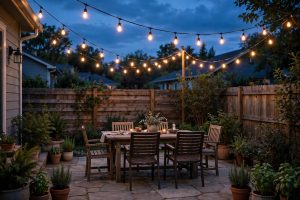

A good yard should look good after dark. A lawn, a tree, or a stone path can look flat and dull at night. A set of spot lights can change that. But the first question most people ask is simple: landscape spot lights where to buy usa? The answer is not one store. It is a mix of home centers, lighting shops, online stores, and local supply houses. Each has its strengths. This guide walks through all of them, so you can buy with care and save money.
Why Landscape Spot Lights Matter
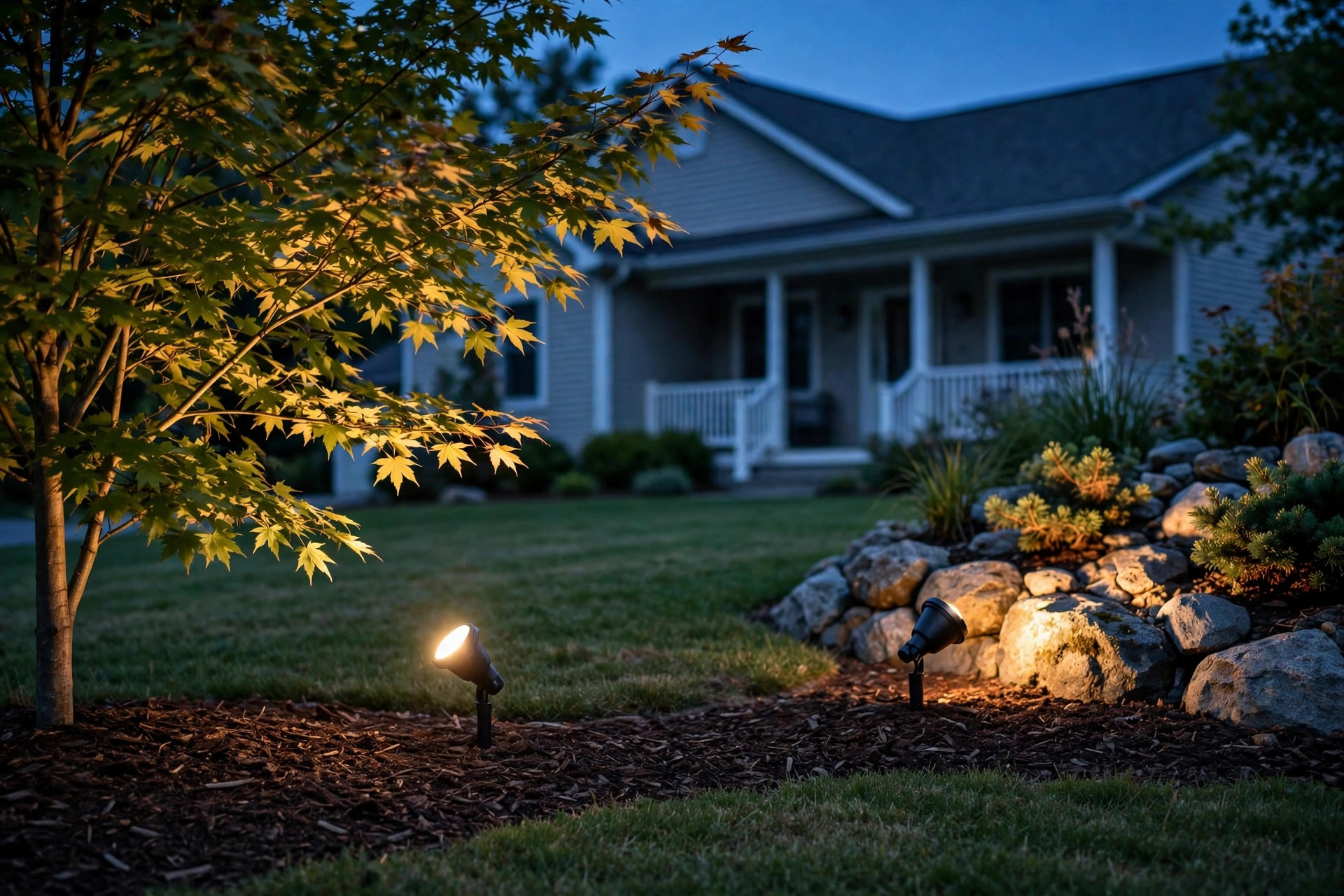
A spot light is a small outdoor fixture with a narrow, strong beam. You place it low on the ground and aim it up. It throws light on one point of interest: a tree, a fountain, a flagpole, or the front of a house. The effect is called uplighting. It adds depth to a yard and makes a home look warm and lived in.
Spot lights also help with safety. A dark yard can hide steps, curbs, and low walls. A guest can trip where light does not reach. A few well placed spots can mark the path and show the edges. They also help deter theft. A thief likes dark corners. A lit yard is less inviting.
Many buyers shop for spots together with solar path lights for the walkway and motion flood lights for the driveway. Path lights mark where to walk. Flood lights cover wide areas. Spot lights draw the eye to what is worth seeing. Used together, they form a full plan.
Where to Buy Landscape Spot Lights in the USA: Landscape Spot Lights Where to Buy Usa
There are five main places to buy. Most buyers compare at least two before they decide.
Home Improvement Stores
Big home centers carry the largest stock in person. Home Depot and Lowe’s each stock dozens of landscape lighting kits and single fixtures in their outdoor lighting aisles. You can see the finish, hold the fixture, and read the box. Prices run from about fifteen dollars for a basic stake light to over one hundred for a brass fixture. Both stores also sell full kits with a transformer, cable, and four to six lights in one box. A kit is often the cheapest way to start.
Specialty Lighting Retailers
Lighting shops go deeper than home centers. Lamps Plus and Lumens carry brands and finishes you will not find in a big box aisle. Their sites let you filter by beam angle, wattage, finish, and voltage. Prices are higher on average, but so is the build quality. If you want lights that will last ten years or more, start here.
Online Marketplaces
Online buying gives you the widest choice and the sharpest prices. Marketplaces list thousands of fixtures, from budget solar stakes to professional grade brass spots. Read reviews with care. Look for photos from real buyers, not just the seller. Check the return policy before you order.
Electrical and Landscape Supply Houses
Local electrical supply houses sell the same gear the pros use. They stock brands made for contractors. You may need to ask for a counter sale, but most will sell to homeowners. Prices are fair and advice is free. These shops also carry spare parts: lenses, gaskets, and replacement LEDs. If a fixture fails in year five, this is where you find the part.
Warehouse Clubs and Seasonal Aisles
Warehouse clubs stock landscape lighting in spring and summer. The stock is limited but the price per light can be low. Buy early in the season for the best pick.
What to Look for Before You Buy
Voltage: Low Voltage vs Line Voltage
Most landscape spot lights run on 12 volts. That is low voltage. It is safe to install yourself. The fixtures connect to a transformer that plugs into a normal outdoor outlet. The cable carries only 12 volts, so it can sit just under the soil.
Line voltage spots run on 120 volts. They are brighter and can run longer wire distances. But they need an electrician and must meet code for burial depth and junction boxes. For most homes, 12 volt is the right pick.
Light Source: LED vs Halogen
LED is the standard today. An LED spot uses five to eight watts and gives the same light as an old fifty watt halogen bulb. It runs cool, lasts for years, and costs little to power. Halogen is going away. Philips and most other makers have moved their outdoor lines to LED. Buy LED unless you are matching old halogen fixtures.
Brightness and Beam Angle
Brightness is measured in lumens. A spot aimed at a small shrub needs two hundred to four hundred lumens. A tall tree needs six hundred to one thousand. Beam angle tells you how wide the cone of light is. A narrow beam, twelve to twenty five degrees, reaches far and suits tall trees. A wide beam, thirty five to sixty degrees, covers walls and short plants.
Color Temperature
Color temperature is measured in Kelvin. Warm white, around 2700K, looks like old incandescent light. It flatters brick, stone, and green leaves. Cool white, 4000K and up, looks harsh in a garden. Most landscape pros stay at 2700K or 3000K. The ENERGY STAR label can help you find efficient fixtures with good light quality.
Build Material and Finish
Cheap spots are plastic. They fade and crack in a few years. Mid range spots are powder coated aluminum. They last longer but can corrode near salt air. The best are solid brass or copper. They cost more but can last decades. Buy the best housing you can afford. The LED inside can be replaced. A rotted housing cannot.
Weather Rating
Outdoor fixtures should carry an IP rating of IP65 or better. That means they resist rain and dust. The box should also list a wet location rating. If you live in a hard freeze zone, check that the gasket and lens can take the cold.
Types of Landscape Spot Lights
Stake Mount Spots
These are the most common. A stake pushes into the soil and the head sits just above the grass. You can move them in minutes. They suit renters and anyone still testing a layout.
Surface Mount Spots
These screw to decks, walls, or posts. They sit low and aim across a surface. Use them on a deck to graze light over the floor boards.
In Ground Well Lights
These sit in a hole in the ground with only the lens showing at grade. They are safe for lawn mowers and give a clean look. They cost more and need more work to install. They suit formal gardens and walkways.
Solar Spot Lights
Solar spots need no wire and no transformer. A small panel charges by day and the light runs by night. They are cheap and easy. The catch is power. Most solar spots are dim and run only a few hours on cloudy days. They work for small shrubs, not tall trees. If you like solar, also look at outdoor wall lanterns with solar panels for the porch.
Smart Spots
Some makers sell spots that link to a phone app or a hub. You can dim them and set schedules. They cost more. They suit owners who travel often and want the yard lit while they are away.
Cost and Price
Prices vary by build and brand. Here is what to expect in the USA today.
A basic plastic LED stake spot sells for fifteen to thirty dollars. It will last three to five years. A powder coated aluminum spot sells for thirty to sixty dollars. It will last five to eight years. A solid brass or copper spot sells for seventy to one hundred fifty dollars. It can last fifteen years or more.
Kits bundle the deal. A six light kit with a transformer and cable sells for one hundred fifty to four hundred dollars. That works out to less per light than buying singles. Kits are a smart first buy. You can add single fixtures later in the same line.
Do not forget the extras. A transformer costs forty to one hundred fifty dollars depending on wattage. Cable costs about fifty cents a foot. Connectors and spare bulbs add a little more. Budget for the full job, not just the fixtures.
Running costs are small. Six LED spots at seven watts each use forty two watts. Run them six hours a night and the electric bill barely moves. The U.S. Department of Energy notes that LED lighting uses far less energy than older types, which is one reason low voltage LED has taken over landscape work.
Installation Basics
Most buyers install low voltage spots themselves. The work is simple but it needs care.
First, plan the layout on paper. Mark each tree, bed, and wall you want to light. Decide the aim of each spot. Start with fewer lights than you think. You can add more later.
Second, size the transformer. Add up the wattage of all fixtures. Buy a transformer rated for at least one and a half times that total. This leaves room to grow.
Third, lay the cable. Keep wire runs short. Use direct burial cable made for landscape use. Connections should sit in weatherproof wire nuts with gel or in a junction box.
Fourth, set each fixture and aim it at dusk. What looks right at noon may look wrong at night. Wait until dark, then adjust. A small turn of the head changes the look a lot.
Fifth, bury the cable two to three inches deep. Keep it away from edgers and aerators. Mark the path on your plan so you do not cut it later.
If you are not at ease with wiring, hire a landscape lighting pro. The cost is often a few hundred dollars for a small yard. Bob Vila and The Spruce both carry plain guides that show each step with photos, which can help you decide whether the job is for you.
Care and Upkeep
Spot lights need little care. A short routine each season keeps them bright.
Clean the lenses twice a year. Dirt and water spots cut the light by a third or more. Wipe each lens with a soft cloth and mild soap. Do not use rough pads.
Trim plants that grow in front of fixtures. A shrub that was small in spring can block the beam by fall. Cut it back so the light path stays clear.
Check connections once a year. Pull each fixture up, open the wire nuts, and look for green corrosion. Reconnect and reseal as needed. Corrosion is the most common cause of a dead light.
Check the transformer. Make sure it is dry inside and the timer still runs. If you use a photocell, wipe it clean so it can sense dusk.
Safety
Low voltage is safer than line voltage, but it is still electric work. Keep these rules in mind.
Unplug the transformer before you touch any wire. Work only with dry hands. Keep the transformer in a spot that stays dry and can breathe. Do not let mulch pile against it.
Do not aim spots at windows. A bright beam in a bedroom window will anger a neighbor and can blind a driver. Aim down or at plants, never across the street.
Keep lights away from dry mulch and leaves. LED runs cool, but a hot halogen can start a fire. If you still run halogen, keep the head clear of all plants.
Call 811 before you dig. The free call marks buried gas, water, and power lines. Consumer Reports advises buyers to check local codes and call before digging for any outdoor project.
Frequently Asked Questions
How many spot lights do I need for a front yard? Most front yards need four to eight. Light the entry, one or two trees, and one feature such as a stone wall or bed. Start with fewer and add more after you see the night look.
Are solar spot lights bright enough? For small shrubs, yes. For tall trees and wide walls, no. Solar spots put out a fraction of the lumens of a wired LED spot. Use solar where wiring is hard, and wired fixtures for the main show.
Can I install landscape spot lights myself? Yes, if they are 12 volt low voltage. The work needs no permit in most towns. You lay cable, connect fixtures, and plug in a transformer. Line voltage work should go to a licensed electrician.
How long do LED spot lights last? The LED chip can last 25,000 to 50,000 hours. That is ten years or more of nightly use. The housing may fail first. Brass housings outlast plastic by a wide margin.
What color light is best for a garden? Warm white at 2700K to 3000K. It looks natural on plants and stone. Cool white can make a garden look cold and flat.
Do spot lights raise my electric bill much? Very little. A set of six LED spots uses less power than one old porch bulb. Most owners see only a dollar or two a month in extra cost.
A Final Word
The question of landscape spot lights where to buy usa has no single answer, and that is good news. Home centers give you speed and low prices. Specialty shops give you quality and advice. Online stores give you choice. Supply houses give you pro grade parts. Know what to look for first: 12 volt LED, warm white, a brass or aluminum housing, and a fair price per light. Then shop two or three of these sources and compare. Take your time at dusk aiming each head. A yard lit with care looks good for years and makes coming home at night a small pleasure.
References
Bob Vila. (n.d.). Home improvement advice. https://www.bobvila.com Consumer Reports. (n.d.). Product reviews and ratings. https://www.consumerreports.org ENERGY STAR. (n.d.). Energy efficient products. https://www.energystar.gov Lamps Plus. (n.d.). Lighting and home decor. https://www.lampsplus.com Lowe’s. (n.d.). Home improvement products. https://www.lowes.com Lumens. (n.d.). Lighting and ceiling fans. https://www.lumens.com Philips. (n.d.). Lighting products. https://www.philips.com The Home Depot. (n.d.). Home improvement products. https://www.homedepot.com The Spruce. (n.d.). Home and garden advice. https://www.thespruce.com U.S. Department of Energy. (n.d.). Energy efficiency and renewable energy. https://www.energy.gov
Was this guide helpful?

About Emily Rodriguez
The My Garden US editorial team writes practical, in-depth home and garden guides for American homeowners — tested advice, no fluff.
You May Also Like
Deck Cap Lights American Homes Guide: What to Know Before You Buy
August 19, 2026 0 views
Motion Flood Lights for Sale USA: How to Choose the Right One
July 31, 2026 0 views
Bedroom Table Lamps American Homes Guide
September 21, 2026 0 views