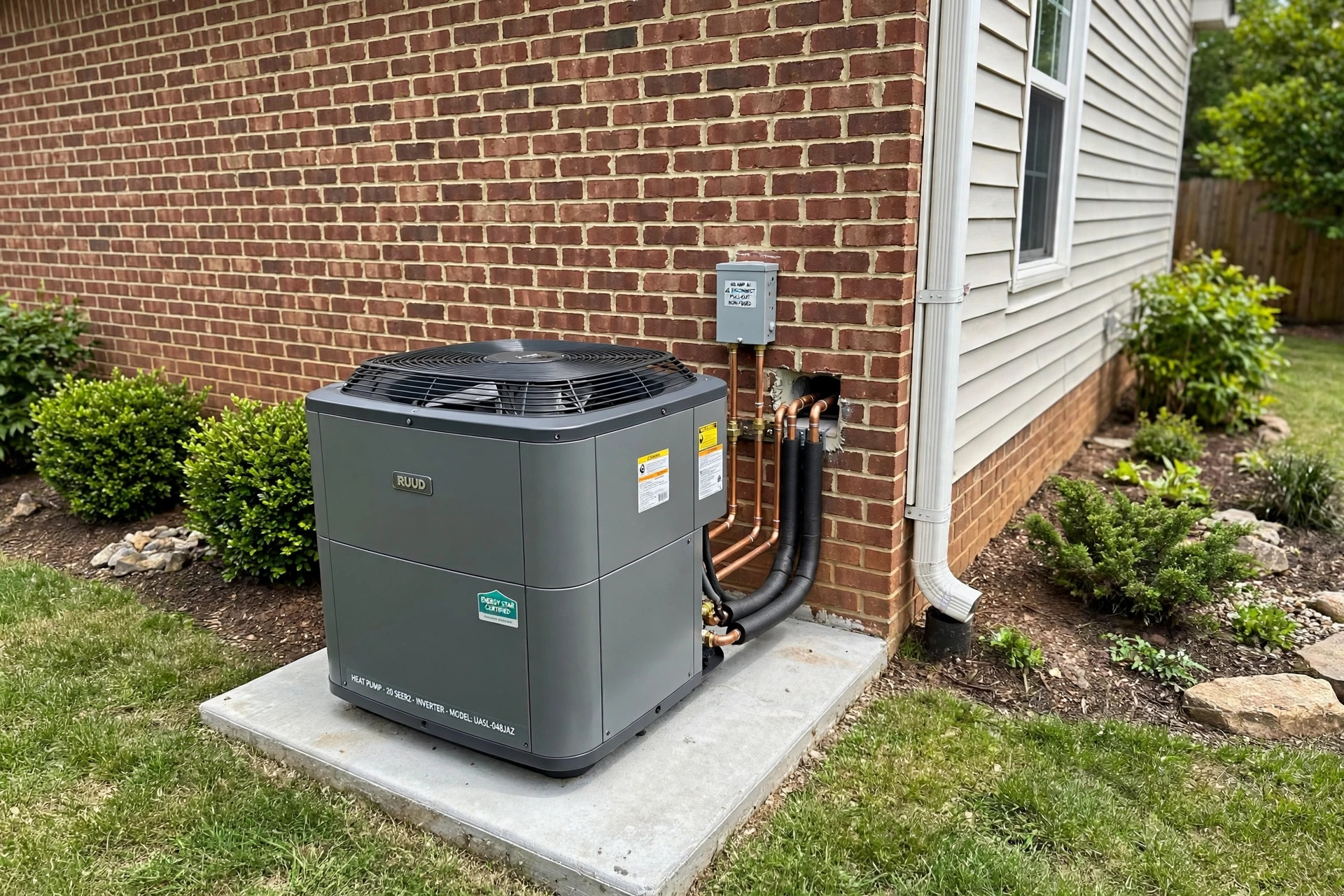

Heating and cooling systems cost more than almost any other part of a home. When the furnace dies in January or the air conditioner fails in July, the bill can run into the thousands of dollars. Because of this, hvac tax credits 2026 for homeowners usa matter more than most people realize. These federal credits let you subtract part of the cost of a new, efficient system from your income tax. Some state and utility programs add cash rebates on top. This guide explains which credits exist in 2026, what equipment qualifies, and how to claim the money without a headache.
Why HVAC Tax Credits Matter to Homeowners
A new furnace, boiler, or central air conditioner can cost between five thousand and fifteen thousand dollars installed. A full heat pump system can cost even more. Most families cannot pay that bill without a plan. Tax credits do not make the system free, but they cut the final cost in a real way. A credit of two thousand dollars on a ten-thousand-dollar heat pump is a twenty percent discount that comes straight off your tax bill.
The government offers these credits for a plain reason. Old heating and cooling systems use a lot of energy. New high-efficiency models use far less. When millions of homes use less energy, the whole country burns less fuel.
Credits also change the math when you compare systems. A basic furnace may look cheaper on the quote sheet. But a high-efficiency model that qualifies for a credit can end up costing the same or less after the tax filing. That is why smart shoppers look at the price after the credit, not just the price on the proposal. The Carrier and Lennox sites list efficiency ratings that help you compare models on equal terms.
The Main Types of HVAC Tax Credits in 2026: Hvac Tax Credits 2026 for Homeowners Usa
The Energy Efficient Home Improvement Credit
The most common credit for heating and cooling upgrades is the federal Energy Efficient Home Improvement Credit. It covers heat pumps, central air conditioners, furnaces, boilers, and some water heaters. For heat pumps and heat pump water heaters, the credit can reach two thousand dollars. For other qualifying equipment, the cap is usually six hundred dollars. You claim it on your federal income tax return for the year the equipment was installed.
The Residential Clean Energy Credit
If you install a geothermal heat pump, you may qualify for the Residential Clean Energy Credit instead. Geothermal systems use heat stored in the ground. They cost more to install, but they are very efficient. This credit is a percentage of the total project cost, which can make it larger than the standard home improvement credit. Not every home can take a geothermal system, since it needs land for the ground loop. A Trane dealer or a local geothermal installer can tell you if your lot is a fit.
State and Utility Rebates
Federal credits are only part of the picture. Many states, cities, and electric utilities offer their own rebates for high-efficiency heating and cooling. These programs change from year to year. Some give cash back after installation. Others give discounts at the point of sale. The Energy Star rebate finder is a good place to start, and your state energy office can point you to local programs. A state rebate can often be combined with the federal credit, which lowers your cost twice.
What Equipment Qualifies
Not every new system qualifies. The government sets minimum efficiency levels, and the unit must meet or beat them. These are the key facts to know.
Heat pumps, including air source and geothermal models, are the most richly rewarded equipment. An air source heat pump both heats and cools. If you want a plain-language rundown of the trade-offs, see our guide to air source heat pump pros and cons. Central air conditioners qualify if they meet the seasonal efficiency standard. Gas furnaces and boilers qualify at lower credit amounts, but only the most efficient models count. Some high-efficiency water heaters also qualify, since water heating is tied to home energy use.
Efficiency is measured with ratings such as SEER2 for cooling, HSPF2 for heat pump heating, and AFUE for furnaces. The higher the number, the less energy the unit uses. Your contractor should give you the ratings in writing before you sign. Keep that sheet. You will need the model number and rating when you file your tax return. The U.S. Department of Energy publishes plain guides that explain what each rating means.
How to Choose Equipment With Credits in Mind
Start with a load calculation. This is a room-by-room measurement of how much heating and cooling your house needs. A good contractor does one before giving a quote. A system that is too large wastes energy and wears out fast. A system that is too small runs all day and never keeps up. Right-sizing is the single most important choice you will make.
Next, compare efficiency ratings within the size you need. Two furnaces of the same size can have very different AFUE ratings. The efficient one costs more up front but may qualify for a credit. Ask the contractor for two quotes: one for the standard model and one for the qualifying model. Then subtract the expected credit from the efficient quote. The real price gap is often smaller than it looks.
Ask about the total installed price, not just the equipment price. Labor, new ductwork, electrical work, and permits can add thousands. The credit is usually based on the total project cost, which helps. But you still need the full number to plan your budget. Goodman and Rheem publish rough price ranges that can help you spot an out-of-line bid.
Check the contractor’s license and insurance. A credit is worthless if the system is installed badly. Ask for references from past jobs. Ask how the company handles permits and inspections. A careful installer will welcome these questions. This Old House has checklists for vetting HVAC contractors that many homeowners find useful.
Finally, think about your climate. A heat pump shines in mild winters but works harder in deep cold. New cold-climate heat pumps handle freezing weather far better than older models. In a hot climate, the cooling efficiency rating matters most. Match the equipment to your region.
Cost and Price: What Credits Really Save
Let us walk through three plain examples. These are round numbers, not quotes. Your prices will differ by region and contractor.
Example one: a high-efficiency gas furnace installed for eight thousand dollars. It qualifies for a six-hundred-dollar credit. Your net cost is about seven thousand four hundred dollars. The furnace also burns less gas each winter, which saves more money over time.
Example two: an air source heat pump installed for twelve thousand dollars. It qualifies for a two-thousand-dollar credit. Your net cost is about ten thousand dollars. The heat pump handles both heating and cooling, so it may replace two old systems at once.
Example three: a geothermal heat pump installed for twenty-five thousand dollars. It qualifies for a percentage-based clean energy credit that can be worth several thousand dollars. The net cost drops sharply, and the ground loop lasts for decades with little care.
Remember that a credit is not a refund check in the mail. It reduces the tax you owe. If you owe four thousand dollars in federal tax and you claim a two-thousand-dollar credit, you now owe two thousand. If you owe less tax than the credit amount, some credits cannot pay you the difference. Talk to a tax preparer if your tax situation is unusual. Small business owners and retirees sometimes have special rules.
Also keep records of every dollar. Save the contract, the paid invoice, the equipment model numbers, and the efficiency rating sheets. The IRS can ask for proof years later. A simple folder, paper or digital, is enough. Do not throw these papers away with the old thermostat.
How to Claim the Credit Step by Step
Claiming the credit is simpler than most tax chores. Follow these steps in order.
First, install the equipment in the tax year you plan to claim. The credit goes on the return for the year the system was placed in service, not the year you signed the contract.
Second, gather your documents. You need the installer’s invoice, the manufacturer and model number, and the efficiency rating. Some manufacturers provide a certificate that states the product meets the credit requirements. Ask for it.
Third, fill out the right tax form. The home improvement credit uses IRS Form 5695. Your tax software will guide you through it. If a preparer does your taxes, bring the equipment papers to the appointment and mention the credit by name.
Fourth, check for state and utility rebates separately. These have their own forms and deadlines. The Family Handyman site keeps updated explainers on stacking federal and local incentives.
Fifth, keep copies of everything you file. If the IRS has questions, you will be glad you did.
Care and Upkeep of a New System
A new system only stays efficient if you care for it. The good news is that basic care is simple.
Change or clean the air filter on schedule. A dirty filter chokes airflow and forces the system to work harder. Keep the outdoor unit clear of leaves, grass clippings, and snow. Do not stack boxes or garden tools against it.
Schedule a professional tune-up once a year. The technician cleans the coils, checks the refrigerant charge, tests the controls, and catches small problems early. Many companies sell annual service plans. Whether one is worth it depends on the price and what it covers. A fall tune-up is the classic timing for heating systems, and our fall furnace checklist covers what the visit should include.
Sealing air leaks in the house also protects your investment. A great furnace cannot fix a drafty attic. Adding insulation is one of the cheapest ways to cut heating bills. If your attic needs work, see our breakdown of spray foam insulation cost per square foot to budget the job.
Safety Notes
Heating equipment burns fuel or uses high-voltage power. Treat it with respect.
Never skip the permit and inspection. The local inspector checks that gas lines, venting, and wiring meet code. This protects your family and keeps your homeowner’s insurance valid. A contractor who wants to skip the permit is a contractor to avoid.
Keep carbon monoxide detectors on every floor if you burn gas, oil, or wood. Test them twice a year. Carbon monoxide has no smell and no color. A working detector is the only warning you get.
Do not open the electrical panel of the furnace or air handler yourself. Capacitors inside can hold a charge even when the power is off. Leave electrical work to the technician.
If you smell gas, leave the house and call the gas company from outside. Do not flip switches or light matches on your way out. This rule never changes, no matter how new the system is.
Frequently Asked Questions
Do renters qualify for HVAC tax credits? In most cases, no. The federal credits go to the homeowner who paid for the installation in a home they own and use as a residence. Landlords have separate rules for rental property. If you rent, talk to your landlord about upgrades. The landlord may be able to claim business energy incentives.
Can I claim the credit if I installed the system myself? The equipment may still qualify, but most credits require proper installation to meet the rules. Some credits and many state rebates require a licensed contractor. DIY installation can also void the manufacturer’s warranty. For gas and refrigerant work, professional installation is the safe and legal choice.
What if I already replaced my system earlier this year? If the installation was completed and placed in service this tax year, you can claim the credit on this year’s return. The key date is when the system started running, not when you paid the deposit. Dig out your invoice and model numbers now, while the details are fresh.
Do credits apply to a second home or vacation cabin? Rules differ by credit. Some credits cover only your main home. Others allow second homes with limits. Read the instructions for the specific form you are filing, or ask a tax preparer. Do not assume the vacation cabin counts.
Will the credit amounts change after 2026? Tax law changes from time to time. Credit amounts, efficiency thresholds, and eligible equipment can all shift when Congress acts. The figures in this guide reflect the rules in place now. Before you buy, confirm the current rules on the IRS site or with a tax professional. A quick check beats an unpleasant surprise at filing time.
Can I combine the federal credit with a state rebate? Usually, yes. Federal credits and state or utility rebates are separate programs. You can often take both. The rebate may reduce the cost basis used for the federal credit in some cases, so read both sets of rules. Your contractor or tax preparer can help you do the math correctly.
A Final Word
A new heating and cooling system is one of the biggest purchases a homeowner makes. Tax credits will not make the decision for you, but they make the efficient choice easier to afford. Learn the rules, get the efficiency ratings in writing, keep your paperwork, and file the right form. The savings are real, and the comfort of a right-sized modern system is something you will feel every single day.
References
Carrier. (n.d.). Heating and cooling systems. https://www.carrier.com ENERGY STAR. (n.d.). Energy efficient products. https://www.energystar.gov Family Handyman. (n.d.). DIY home repair and maintenance. https://www.familyhandyman.com Goodman. (n.d.). Heating and cooling equipment. https://www.goodmanmfg.com Internal Revenue Service. (n.d.). Tax information for individuals. https://www.irs.gov Lennox. (n.d.). Heating and cooling systems. https://www.lennox.com Rheem. (n.d.). Heating, cooling, and water heating. https://www.rheem.com This Old House. (n.d.). Home renovation guidance. https://www.thisoldhouse.com Trane. (n.d.). Heating and air conditioning. https://www.trane.com U.S. Department of Energy. (n.d.). Energy efficiency and renewable energy. https://www.energy.gov
Was this guide helpful?

About Sarah Mitchell
The My Garden US editorial team writes practical, in-depth home and garden guides for American homeowners — tested advice, no fluff.
You May Also Like
Bypass vs Fan Powered Humidifier Comparison: A Practical Guide
February 28, 2026 0 views
Best Thermal Curtains for Winter Reviews USA
April 26, 2026 0 views
Home Energy Audit Cost Near Me 2026: What You Pay and What You Get
March 28, 2026 0 views