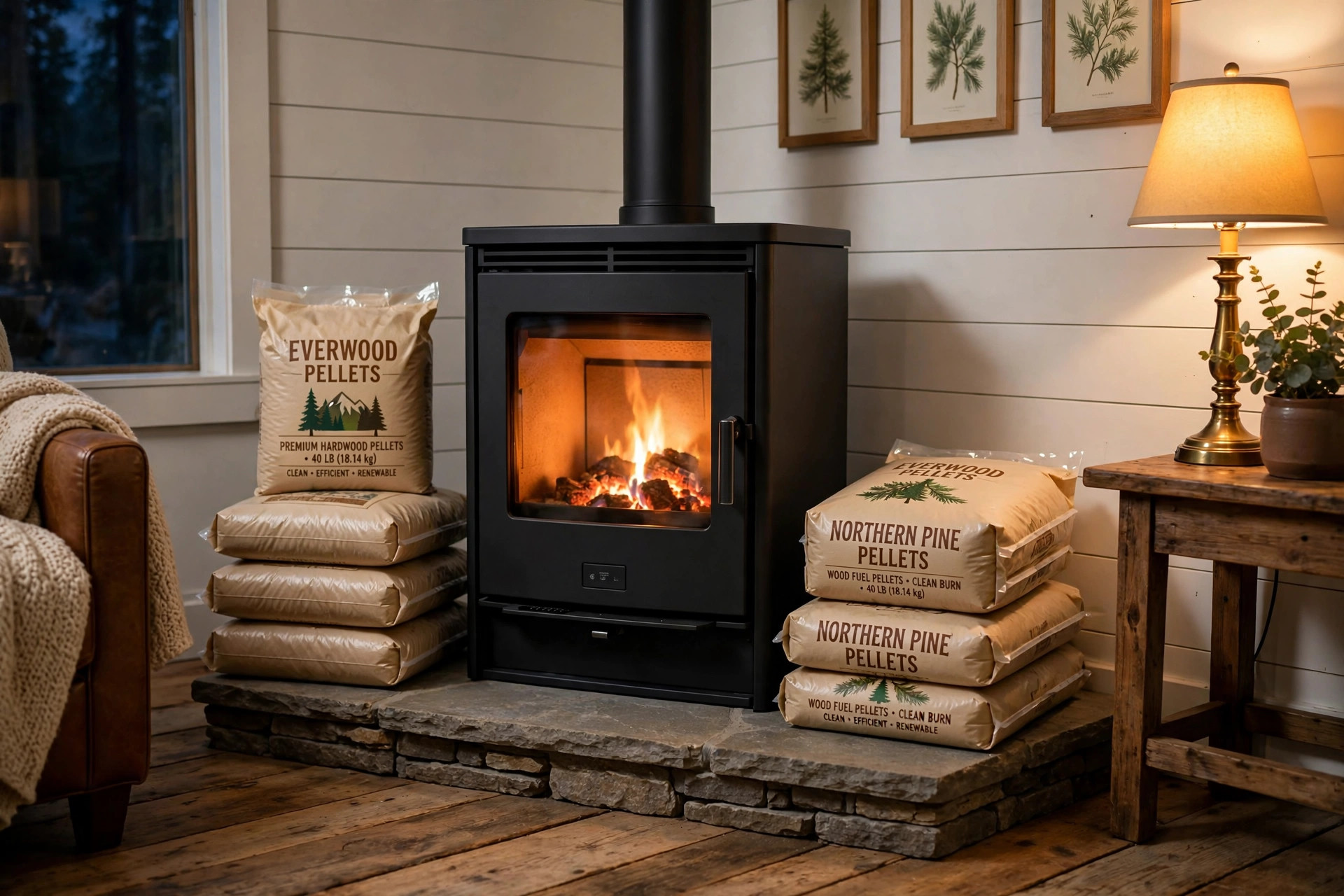

Many American families heat with pellet stoves now. They want to know one thing first: how much do wood pellets cost usa 2026? The answer shapes the whole heating plan for the season. Prices move with wood supply, transport cost, and cold weather demand. A little study before buying can save real money.
Why Pellet Prices Matter
Wood pellets are small rods of pressed sawdust. A pellet stove burns them to warm a house. The fuel cost is the largest part of owning a pellet stove. The stove itself is a one-time cost. The pellets are bought every year.
A typical home burns two to three tons of pellets in one winter. A small change in price per ton adds up fast. If a ton costs $40 more than last year, that is $100 or more extra per season. Knowing how much do wood pellets cost usa 2026 helps a buyer set a budget and spot a fair deal.
Pellet heat often costs less than oil or electric heat. But that is only true when pellet prices stay reasonable. When supply runs short, prices can jump. This is why wise buyers shop early and buy by the ton.
How Much Do Wood Pellets Cost USA 2026
Here are the price ranges seen across the country in 2026. These are typical retail prices. Your local price may sit a bit higher or lower.
Price Per Bag
Most pellets sell in 40-pound bags. In 2026, one bag costs $5.50 to $9 at most stores. Premium brands and softwood pellets sit near the top of that range. Store-brand hardwood blends sit near the bottom.
Small bags of 20 pounds sell for about $3.50 to $5. These suit people who test a stove or need only a few days of heat. They cost more per pound than big bags.
Price Per Ton
Buying by the ton is the common way to heat all winter. One ton equals fifty 40-pound bags. In 2026, a ton of wood pellets costs $220 to $340 in most of the United States.
The exact number depends on three things: the region, the wood type, and the brand. Premium softwood pellets from the Northwest can pass $350 a ton. Plain hardwood blends in the Northeast often sell near $250 a ton.
Bulk Delivery Prices
Some sellers load pellets loose into a hopper truck or big tote bags. Bulk pellets cost $200 to $300 per ton before delivery fees. This suits homes with storage bins. Fewer homes use this method, but the per-ton price is the lowest of all.
Delivery Fees
Delivery often costs $50 to $100 for one to three tons. Some stores give free delivery for large orders. Others charge by the pallet. Ask before you order. A cheap ton with a high delivery fee can cost more than a fair ton with free delivery.
Prices by Region
Fuel costs are never the same everywhere. Wood pellets follow this rule. How much do wood pellets cost usa 2026 depends a great deal on where you live.
The Northeast
The Northeast burns more pellets than any other region. Maine, New Hampshire, Vermont, and New York have many stove owners. Prices here run $240 to $320 per ton. Competition is strong, so deals appear in spring and summer. Buying early is the habit here.
The Midwest
The Midwest has good prices. Pellets cost $220 to $300 per ton. Hardwood mills in the region make local fuel easy to find. Transport distance is short, which keeps prices down.
The South
The South uses fewer pellet stoves because winters are mild. Prices run $250 to $330 per ton. Supply is thinner, so stock can sell out in a cold snap. Buyers in the South should order before the first freeze.
The West
The West shows the widest range. Pellets cost $260 to $360 per ton. Premium softwood pellets are common here and burn very well, but they cost more. Shipping fuel over long distances adds to the price in mountain towns.
What Makes the Price Rise or Fall
Several forces push pellet prices up or down each year.
Raw wood supply. Pellets come from sawdust and wood chips. When lumber mills cut less wood, sawdust runs short. Pellet makers then pay more for raw material, and the price of a bag goes up.
Transport cost. Pellets are heavy. Moving fifty bags from the mill to the store costs real money. Diesel prices feed straight into the price on the shelf.
Winter demand. Cold winters drain store shelves. When demand outruns supply, prices climb. Mild winters leave extra stock, and stores cut prices in spring.
Bag quality. Premium pellets meet strict standards for low ash and high heat. They cost more to make. They also burn cleaner and leave less ash in the stove. Standard pellets cost less but may leave more ash.
Brand and packaging. Known brands charge more. Plain store bags cost less. The difference is often $1 or more per bag. Read the label either way. The numbers on the back tell the true story.
How to Choose Good Pellets
Price is only half the question. A cheap bag that burns poorly is no bargain. Look for these signs of quality.
Check the Heat Rating
The label shows BTU per pound. Good pellets give about 8,000 to 8,500 BTU per pound. A higher number means more heat from each bag. This matters more than the price per bag. Do the math per million BTU if you want the true cost of heat.
Check the Ash Content
Ash content shows how much dust is left after burning. Premium pellets carry under 1% ash. Standard pellets may reach 2% or 3%. Low ash means less cleaning and less stove wear. Sites such as the Energy Star program and the Department of Energy explain why clean-burning fuel protects both the stove and the air.
Hardwood or Softwood
Hardwood pellets burn steady and hot. Softwood pellets light fast and give very high heat. Both work well. Softwood pellets often cost more in 2026. Try a few bags of each type in your stove. Your stove may favor one over the other.
Look for Certification
Trusted bags carry a quality seal from the Pellet Fuels Institute. The seal means the fuel was tested for heat, ash, and size. It is a simple way to judge a brand you have never bought. The EPA also sets rules for pellet stoves themselves, which is worth knowing before you buy a stove.
How Much Will You Spend All Winter
Let us work out a full-season cost. This helps answer how much do wood pellets cost usa 2026 in real terms.
A small home of 1,200 square feet may burn 1.5 tons per winter. At $280 per ton, the fuel cost is $420.
A mid-size home of 2,000 square feet may burn 2.5 tons. At $280 per ton, the cost is $700.
A large home in a cold state may burn 4 tons. At $280 per ton, the cost is $1,120.
Add the delivery fee once. Add a small fund for stove cleaning parts. The total still often beats oil heat, which can run past $2,000 in the same season.
Before you choose a stove at all, it helps to read a wood stove vs pellet stove cost comparison so you see the full picture of both fuel types. If you plan to heat a lower level, the guide to the best pellet stove for basement reviews usa covers stove sizes for that job. And once the stove is chosen, pellet stove installation cost near me shows what fitting it into your home should cost.
Tips to Pay Less
Smart buyers use these steps every year.
Buy in spring or summer. Stores cut prices to clear space. Tons can sell $30 to $60 cheaper than in January. This is the single best way to lower cost.
Buy by the ton. Per-bag buyers pay the highest price per pound. A full ton on a pallet costs less per bag every time.
Compare local dealers. Big box stores are easy to find at Lowe’s and Home Depot, but local fuel dealers often beat them on ton prices. Call three sellers and ask for the per-ton price with delivery.
Store pellets dry. Wet pellets crumble and burn poorly. Keep bags off the ground in a garage or shed. Good storage protects your money.
Clean your stove. A dirty stove burns more fuel for less heat. Clean the burn pot and ash pan on schedule. The Family Handyman site and This Old House both publish simple stove care guides for homeowners.
Burn the right feed rate. Many stoves let you set the pellet feed. On mild days, a low setting keeps the house warm with less fuel. There is no need to run full heat all day.
Safety Notes
Wood pellets are safe fuel when handled with care. Keep these rules in mind.
Store bags away from the stove. Pellets can smolder if they sit too close to heat. Keep a three-foot gap between the bag stack and the stove at all times.
Never burn anything but wood pellets in the stove. Paper, trash, and treated wood make bad smoke and can harm the stove. They can also void the stove warranty.
Keep a working smoke alarm and carbon monoxide alarm in the room. Pellet stoves are very safe, but every fuel-burning heater deserves an alarm nearby.
Let the stove cool before deep cleaning. The burn pot stays hot long after the fire dies down. Use the ash tool that came with the stove.
If you are comparing whole-house heating systems too, makers like Carrier and Rheem publish guides that put pellet heat next to furnaces and heat pumps.
Care and Upkeep Costs
Pellets are the main cost, but a stove needs some care money each year.
Plan about $100 to $200 per year for parts and cleaning. This covers gaskets, igniters, and glass cleaner. A yearly service visit from a technician costs $150 to $250. Many owners do their own cleaning and skip the visit. Do what your stove manual advises.
Pellet stoves need electricity to run the auger and fan. The power use is small. Most owners see $5 to $15 per month added to the electric bill in winter.
Frequently Asked Questions
How many bags of pellets does a house use per day?
Most homes burn one to two bags per day in deep winter. On mild days, half a bag may be enough. The stove size and the weather decide the number.
Is it cheaper to buy pellets by the bag or by the ton?
By the ton is cheaper. The per-bag price on a full ton pallet often runs $1 to $2 less per bag than buying single bags. Over fifty bags, that saves $50 to $100.
Do wood pellet prices go up in winter?
Yes. Demand rises when cold weather hits. Prices often peak in January and February. Buying in summer avoids the peak.
How long does one ton of pellets last?
One ton holds fifty 40-pound bags. At one bag per day, it lasts about seven weeks. A home that burns two tons gets through most of a winter.
Are expensive pellets worth it?
Often yes. Premium pellets give more heat per bag and less ash. Fewer bags burned and less cleaning can make the higher price fair. Try a few bags first and judge by your own stove.
Where is the cheapest place to buy wood pellets in 2026?
Local fuel dealers in the Northeast and Midwest often post the lowest ton prices. Spring sales at big stores also run low. Always compare the per-ton price with delivery before you choose.
A Short Final Word
So, how much do wood pellets cost usa 2026? Plan on $5.50 to $9 per bag and $220 to $340 per ton, with the region setting the final number. Buy in summer, buy by the ton, and store the fuel dry. Do these three things and pellet heat stays one of the fairest heating deals in the country.
References
Carrier. (n.d.). Heating and cooling systems. https://www.carrier.com ENERGY STAR. (n.d.). Energy efficient products. https://www.energystar.gov Family Handyman. (n.d.). DIY home repair and maintenance. https://www.familyhandyman.com Lowe’s. (n.d.). Home improvement products. https://www.lowes.com Rheem. (n.d.). Heating, cooling, and water heating. https://www.rheem.com The Home Depot. (n.d.). Home improvement products. https://www.homedepot.com This Old House. (n.d.). Home renovation guidance. https://www.thisoldhouse.com U.S. Department of Energy. (n.d.). Energy efficiency and renewable energy. https://www.energy.gov U.S. Environmental Protection Agency. (n.d.). Protecting human health and the environment. https://www.epa.gov
Was this guide helpful?

About Sarah Mitchell
The My Garden US editorial team writes practical, in-depth home and garden guides for American homeowners — tested advice, no fluff.
You May Also Like

Floor Mounted Mini Split Reviews USA: A Plain Guide for 2026
September 14, 2026 0 views
Is Air Duct Cleaning Worth It? USA Guide for Homeowners
July 30, 2026 0 views
Furnace Replacement Cost Near Me in 2026: A Full Guide to Prices, Types, and Choices
August 6, 2026 0 views