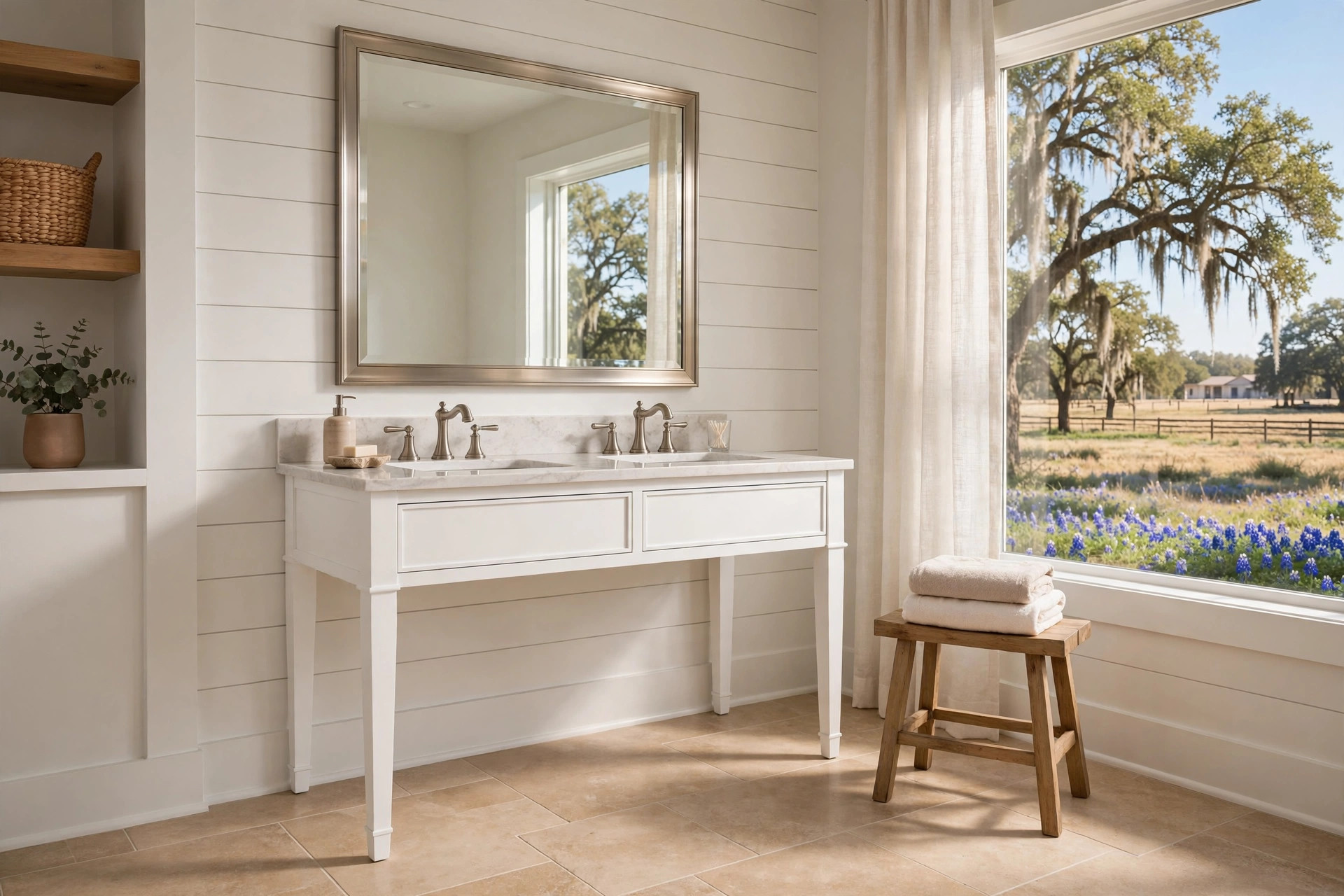
Texas winters can surprise a family. One week the air feels mild. The next week the tile floor feels like ice. This is why many owners now search for heated floor kits texas homes usa. These kits place a thin heat source under the tile or stone floor. The floor warms up. The room feels warmer. The morning shower feels better.
A heated floor kit is not hard to picture. It is a mat or cable. It lies in a thin layer of mortar. A thermostat on the wall controls it. Most kits work well in a bathroom or a kitchen. Texas homes often have large tile areas. Tile holds cold. A heated floor kit changes that.
This guide explains heated floor kits for Texas homes in plain words. It covers why they matter, what to look for, the main types, cost, care, and safety. It also answers common questions from buyers across the USA.
Why It Matters
Texas weather moves fast. Cold fronts drop the temperature overnight. Tile and stone floors pull heat from bare feet. In winter the bathroom can feel twenty degrees colder than the rest of the house. A heated floor kit fixes the coldest spot in the home.
Comfort is the main reason people buy. Step out of the shower onto warm tile. The feeling is worth the price. Many owners in Dallas, Houston, Austin, and San Antonio now add these kits during a bathroom remodel. Real estate agents say warm floors can impress a buyer. A luxury touch sets a home apart.
Energy use is a smaller reason. A heated floor warms the room from the ground up. Warm air rises. The room feels warm at a lower air temperature. Some families turn down the main heat a few degrees. This can save a small amount on the power bill.
Texas homes often have slab floors. Concrete slabs sit on the ground. In winter the slab stays cold. Tile laid on a slab feels extra cold. A heated floor kit breaks this chain of cold. Owners of older ranch homes see the biggest change.
What to Look for: Heated Floor Kits Texas Homes Usa
A good kit starts with the right size. Measure the bathroom floor. Then subtract fixed fixtures. Do not place heat under the tub, the shower base, the toilet, or the vanity. Heat should only sit where feet walk. Most makers sell mats in fixed sizes. Pick the size that covers the open area. A floor mat from a major home store page shows how sizes match room layouts.
Wattage matters next. Most electric kits give twelve to fifteen watts per square foot. That is enough for tile in a Texas home. For a very cold room, or for a room with poor insulation, ask about higher wattage mats. The maker must list the wattage on the box. Do not buy a kit that hides this number.
The thermostat is the brain of the system. A simple thermostat turns the heat on and off. A programmable thermostat sets a schedule. The floor warms before the morning shower. Then it rests during the day. Many owners save power this way. Some thermostats read the floor sensor and the room air. This gives steadier heat. Check that the thermostat works with a floor sensor probe. Almost all kits include the probe.
Look for safety marks. A good kit carries a UL or ETL mark. This means a test lab checked the product. The mark should appear on the box and on the mat. Skip any kit without a known test mark. Cheap imports without marks can fail. Guides on safe electrical products explain why test marks matter, and this is one place where they pay off.
The floor sensor probe is small but important. It sits in the mortar between two heat wires. It tells the thermostat how warm the floor is. Without it, the system runs blind. Most kits include one probe and one spare. Buy an extra if you plan a large room. A home project guide shows where the probe should sit in the layout.
Voltage must match the house. Small bathrooms often use 120-volt kits. Larger rooms may need 240 volts. Check the breaker panel before you buy. An electrician can confirm what the circuit can carry. Most bathroom kits need a dedicated circuit. Plan for this cost.
Types of Heated Floor Kits
Electric Heating Mats
Electric mats are the most common choice. A thin mesh holds the heat wire in a fixed grid. The installer rolls the mat out on the floor. Then thin-set mortar covers it. Then tile goes on top. Mats are easy for a remodeler to handle. They come in rectangles for typical bathrooms. Some mats can turn corners. The mesh can be cut, but the wire must never be cut. This is the main rule with mats.
Loose Heating Cable
Loose cable gives more freedom. The installer lays a strap system on the floor. Then the cable snakes through the straps. This suits odd shapes and small nooks. Cable costs less per square foot than a mat. But it takes more time to lay. A steady hand keeps the spacing even. Uneven spacing makes hot spots. Many pros prefer cable for large or strange rooms.
Hydronic Systems
Hydronic systems use warm water, not wire. Tubes carry heated water under the floor. A boiler or water heater feeds the tubes. These systems suit large new builds. They heat big areas well. But they cost more to install. They need more space under the floor. For a Texas bathroom remodel, hydronic is rare. For a new custom home, it can make sense. An article on plumbing basics covers how water moves through home systems.
How to Choose for a Texas Home
Start with the room. A small guest bath may need one mat. A large master bath may need two mats or a cable layout. Draw the room on paper. Mark the tub, toilet, and vanity. Shade the open floor. Measure the shaded part. That is your heat area.
Texas homes use tile often. Porcelain and ceramic tile carry heat well. Natural stone works too. Thick stone takes longer to warm. Thin tile warms fast. Laminate and carpet do not pair well with heat mats. They trap heat. Stick with tile or stone.
Check the subfloor. Many Texas slabs are flat and sound. A flat slab takes a mat well. Old tile can stay in place if it is sound. The installer roughs the surface and sets the mat over it. This adds a small height gain. Check door clearance. A raised floor can bind a door.
Think about timing. Add the kit during a remodel. Tearing up tile just for heat costs too much. If the bathroom already needs new tile, the extra cost of the kit is small. Many owners add heat when they redo the shower or the vanity. A look at remodeling ideas can help plan the full project.
Climate zone matters a little. North Texas gets colder winters. South Texas stays mild. In the north, heat the full open floor. In the south, a small mat by the shower may be enough. Either way, the kit works the same. Only the coverage changes.
Cost and Price
Kit prices vary by size. A small bathroom kit of thirty to fifty square feet often costs three hundred to six hundred dollars. A large master bath kit can cost eight hundred to fifteen hundred dollars. The thermostat adds fifty to two hundred fifty dollars. A major retailer lists many kits with clear prices per size.
Install cost is separate. A tile setter may charge five hundred to fifteen hundred dollars to lay the mat and tile over it. An electrician may charge two hundred to six hundred dollars for the circuit and thermostat hookup. Some electricians do both jobs. Get two or three quotes in writing.
Running cost is modest. A fifty-square-foot bathroom at twelve watts per foot uses six hundred watts. Run four hours a day in winter. At Texas power rates, that is often under thirty dollars a month. A programmable thermostat cuts this down. It warms the floor only when needed.
Total project cost for a small bath often lands between one thousand and two thousand dollars. A large bath can reach three thousand. Compare this with the cost of the full remodel. Heat often adds ten to twenty percent. Many owners feel the comfort is worth it.
Watch for hidden costs. A new dedicated circuit may need a panel slot. Old panels may need work. Permit fees apply in some Texas cities. Ask the installer what permits are needed. A cheap quote that skips permits can cause trouble at sale time.
Care and Upkeep
Heated floors need little care. The system has no moving parts. The wire sits sealed in mortar. Once the tile is set, there is nothing to clean or oil. Keep the thermostat settings steady. Avoid big daily swings. Steady settings wear the system less.
Check the floor sensor once a year. The thermostat screen shows the floor temperature. If the reading looks wrong, the probe may have shifted. An electrician can test it. Probes last a long time, but a spare on hand saves a service call.
Grout and tile need normal care. Warm floors do not change how you clean tile. Use a mild cleaner. Avoid harsh acids. Keep grout sealed. A dry, warm floor stays cleaner than a cold damp one.
If one zone stops working, do not dig up the tile right away. First check the breaker. Then check the thermostat. Then check the sensor reading. Most faults are in the controls, not in the wire. A maker support line can walk through tests. Warranty terms vary. Keep the receipt and the install photos.
Safety
Electricity and floors demand care. Hire a licensed electrician for the hookup. The mat maker may allow a homeowner to lay the mat. But the final wire work belongs to a pro. This keeps the warranty valid. It also keeps the home safe.
Ground fault protection is a must. Most kits need a GFCI breaker or a GFCI thermostat. A GFCI cuts power in a fault. Bathrooms are wet places. Never skip this device. The install guide will spell out the need.
Do not place heat under fixed items. A vanity or tub over a heat wire traps warmth. Trapped heat can damage the wire over time. Keep heat three to six inches from walls and fixtures. The layout plan should show clear zones.
The wire must never be cut, nicked, or stapled. Staples go through the mesh straps, never through wire. A cut wire ends the kit. Handle the mat with care on the job site. Keep sharp tools off the mat.
Check the system before the tile goes down. The installer should test the wire with a meter. Record the reading. Test again after the mortar sets. Keep both readings. If the numbers match the maker chart, the wire is sound. This two-minute test catches damage early.
A floor sensor probe must sit between wires, not touching them. A probe touching a wire reads too hot. The thermostat then cuts heat too soon. The floor feels cool. Place the probe as the guide shows.
Frequently Asked Questions
Do heated floor kits work well in Texas homes?
Yes. Texas homes have wide tile floors and concrete slabs. These floors feel cold in winter. A heated floor kit warms the tile directly. North Texas homes gain the most. South Texas homes still enjoy warm mornings in the cool months.
Can I add a kit without tearing up my whole bathroom?
You need to remove the floor covering where heat goes. The mat sits in mortar under the tile. If you already plan new tile, the added work is small. If the tile is new and sound, most owners wait until the next remodel.
How long does a heated floor kit last?
Many kits carry a twenty-five-year warranty. The wire sits sealed in mortar. With no moving parts, it can last decades. The thermostat may need a swap after ten to fifteen years. Controls age faster than wire.
Will a heated floor raise my power bill a lot?
Not much. A small bathroom kit uses about as much power as a few light bulbs left on. A programmable thermostat keeps run time short. Most Texas families see a small rise in winter bills, often under thirty dollars a month.
Can heated floors go under stone tile?
Yes. Stone carries heat well. Thick stone takes longer to warm up. Set the thermostat to start earlier in the morning. Porcelain warms faster and costs less. Both work fine with electric mats or cable.
Should I pick a mat or a loose cable?
Pick a mat for a plain rectangle room. It lays fast and even. Pick loose cable for odd shapes, nooks, or very small areas. Cable costs less in material but more in labor. A pro can advise after seeing your floor plan. Compare both options in a buying guide for heated floors before you decide.
A Short Final Word
A heated floor kit is a simple upgrade with a daily payoff. Cold tile turns warm. The bathroom feels better every morning. For Texas homes with tile on slab, the change is clear. Measure the room, pick the right kit, hire a licensed electrician, and enjoy warm floors all winter. Pair the project with a fixture refresh from a trusted maker such as Kohler, Delta Faucet, or American Standard for a bathroom that feels new from the ground up. Related reading: heated floor kits buying guide, quiet exhaust fans, and shower niche inserts.
References
American Standard. (n.d.). Bathroom and kitchen products. https://www.americanstandard.com Delta Faucet. (n.d.). Kitchen and bathroom faucets. https://www.deltafaucet.com HGTV. (n.d.). Home and garden ideas. https://www.hgtv.com Kohler. (n.d.). Bathroom and kitchen fixtures. https://www.kohler.com Lowe’s. (n.d.). Home improvement products. https://www.lowes.com Moen. (n.d.). Faucets and plumbing fixtures. https://www.moen.com The Home Depot. (n.d.). Home improvement products. https://www.homedepot.com The Spruce. (n.d.). Home and garden advice. https://www.thespruce.com This Old House. (n.d.). Home renovation guidance. https://www.thisoldhouse.com
Was this guide helpful?

About Lisa Anderson
The My Garden US editorial team writes practical, in-depth home and garden guides for American homeowners — tested advice, no fluff.