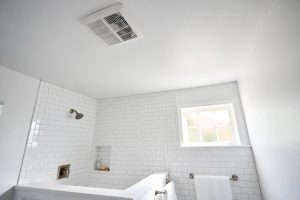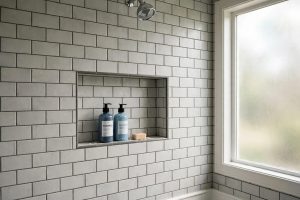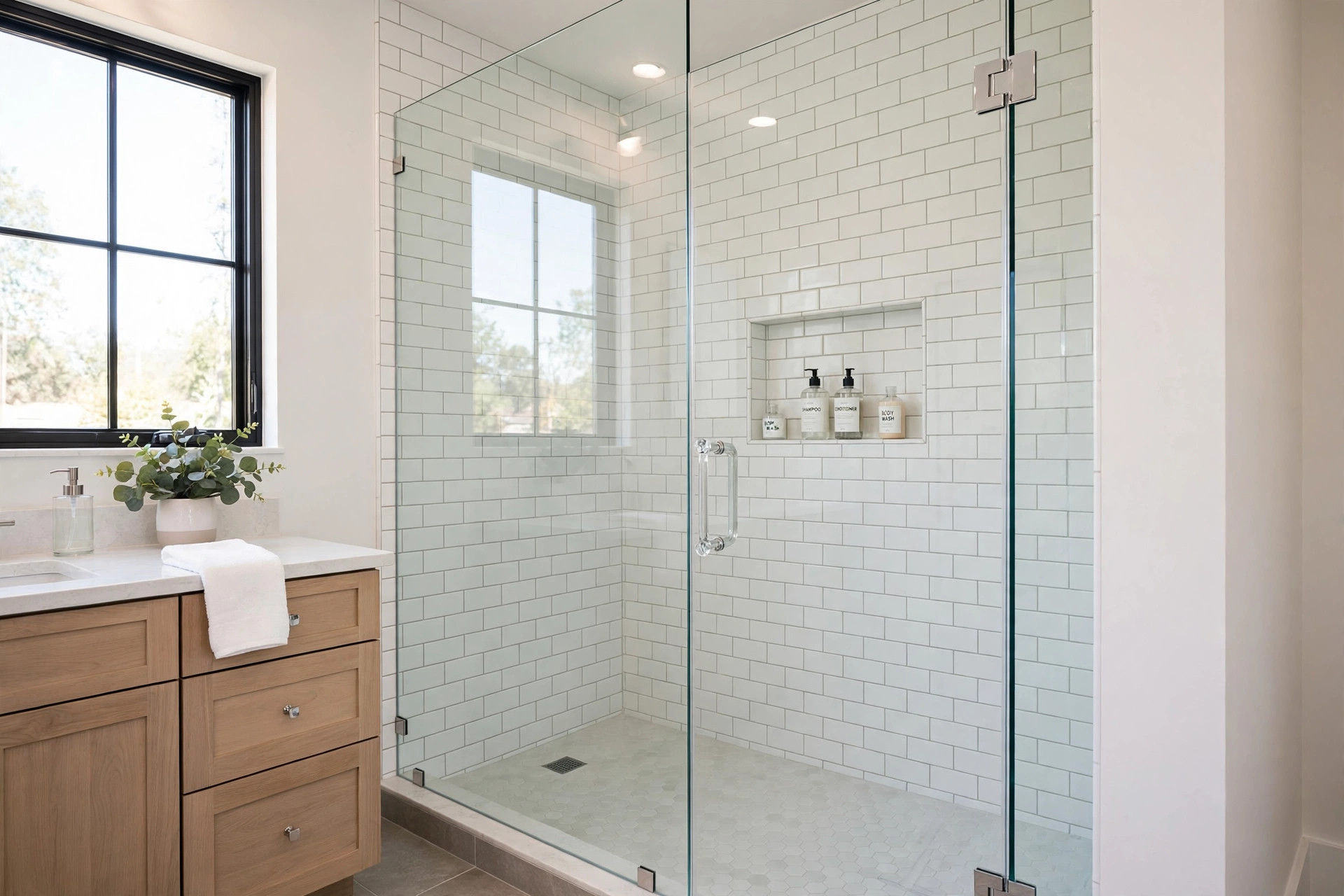
Frameless shower doors USA online deals can save a homeowner a good deal of money. A frameless shower door is made of heavy glass panels with very little metal around the edges. There is no thick aluminum frame. The result is a clean, open look. Light moves freely through the glass. The tile work inside the shower stays fully visible. Many remodelers across the United States now prefer this style over older framed doors.
The main problem is price. A quality frameless door can cost a thousand dollars or more at a local showroom. That is why so many shoppers turn to the web, where stores often offer free shipping and seasonal sales. Not every deal is a good one. A door made from thin glass, or cut to the wrong size, can turn into a costly mistake. This guide explains what to know before you buy: types, sizes, prices, and safety, plus how to judge an online deal the way an expert would.
Why Frameless Shower Doors Matter
A bathroom is one of the smallest rooms in a house, and a dark shower curtain makes it feel even smaller. A frameless glass door removes that visual wall. The eye sees straight through to the back tile. The room feels larger at once. Natural light from a window can reach into the shower. Artificial light does the same. The whole space feels brighter and more open.
Cleanliness is another gain. A framed door has tracks that catch soap scum and mold. A frameless door has smooth glass and a few small pieces of hardware. Most owners wipe the glass with a squeegee after each shower. That simple habit keeps it clear for years.
There is also the matter of home value. Real estate agents often note that updated bathrooms help a house sell. A frameless door reads as modern and high-end. Even if you never sell, you will enjoy the upgrade every day.
What to Look For When You Shop Online: Frameless Shower Doors Usa Online Deals
Buying a shower door on the web takes more care than buying one in a store. You cannot touch the glass or test the hinges. You must rely on specs, photos, and reviews. The sections below list what to check before you click buy.
Measure Your Shower Space
Measure twice before you order. Use a steel tape measure. Measure the width of the opening at the bottom, the middle, and the top. Walls are rarely perfectly straight. Use the smallest of the three numbers. Measure the height from the top of the threshold or curb to where the door should end. Write down the thickness of the curb too. Many doors need a curb at least two inches wide to sit on safely.
Check whether your walls are finished or bare. A door made for finished tile walls will not fit right on bare studs. If you plan to tile later, wait until the tile is in place before you measure. Keep your numbers on paper near the computer when you shop. Compare them with the “fits openings” range on each product page. Never guess.
Check Glass Thickness
Glass thickness is the single best sign of quality. Frameless doors are made from tempered safety glass. Common thicknesses are 5/16 inch and 3/8 inch. The 3/8 inch glass is heavier and feels more solid. It also costs more. The 5/16 inch glass is fine for most homes and is lighter to hang.
Avoid any “frameless” door that uses glass thinner than 5/16 inch. Thin glass flexes. It can rattle when the door moves. Some cheap imports use 1/4 inch glass with clips that imitate the frameless look. Those are not true frameless doors. Look for a clear statement on the product page: “tempered glass, ANSI Z97.1.” That standard means the glass meets American safety rules for shower enclosures.
Hardware, Finishes, and Extras
The metal parts on a frameless door are small, but they matter. Hinges, handles, clamps, and brackets hold the heavy glass in place. Solid brass hardware lasts longer than thin plated steel. Common finishes include chrome, brushed nickel, matte black, and oil-rubbed bronze. Match the finish to your faucets and shower hardware for a planned look.
Some doors include extras worth paying for. A clear water-repellent coating helps water sheet off the glass. A drip rail along the bottom edge keeps water inside the shower. Read the parts list. If the listing does not name the hardware brand or material, ask the seller before you order.
Types of Frameless Shower Doors
Frameless doors come in several shapes. The right one depends on your bathroom layout and how much wall space you have.
Hinged swing doors. The panel swings open on hinges mounted to the wall or to a fixed glass panel. This is the most common type. It gives a wide opening and a clean look, but it needs clear floor space in front to swing.
Sliding doors. Two glass panels slide past each other on a small top rail. They need no swing space, so they suit small bathrooms. The look is nearly frameless, with only a slim rail at the top. Sliding doors cost less than hinged ones in many cases.
Fixed panels and walk-in screens. A single glass panel stands fixed beside an open entry. There is no door to move. This style suits large showers and wet rooms. It is simple and often the least costly option. Water can splash out if the panel is too short, so the opening should be planned with care.
Corner and neo-angle doors. These fit into a corner of the room. Two glass sides meet at an angle, with a door in the center panel. They save space and look sharp in smaller bathrooms. The angled shape needs exact measurements, so triple-check your numbers before ordering.
Tub shower screens. A glass panel replaces the shower curtain on a bathtub. It gives the tub a modern look at a lower cost.
Cost and Price Ranges
Prices vary with size, glass thickness, and hardware. The ranges below reflect typical United States online prices for the door kit alone, before installation.
A fixed walk-in panel often runs from $300 to $700. A sliding frameless door usually costs $400 to $1,000. A hinged swing door runs $500 to $1,200. A corner or neo-angle unit runs $600 to $1,500. Tub screens are the least costly, often $200 to $500. Thicker 3/8 inch glass and premium hardware push prices toward the top of each range.
Shipping can add to the cost. Glass is heavy and fragile. Many sellers include free shipping to the lower 48 states. Some charge a freight fee of $50 to $150. Read the shipping terms before you compare prices. A “$499 door” with a $129 freight fee costs more than a “$549 door” with free shipping.
Installation is a separate cost. A professional installer in most American cities charges $300 to $800 for a standard door. Some handy owners install the door themselves. The glass is heavy, so plan for two people.
How to Find Good USA Online Deals
Good deals exist, but they take a little work to find. Start by comparing the total price, not the headline price. Browse frameless shower doors for sale in the USA to see the price range, then add shipping, tax, and any needed extras like seal strips. A deal is only real when the full cost is lower.
Check the return policy before you buy. Glass doors are sometimes damaged in transit. A good seller offers free replacement for shipping damage and a clear return window. Read buyer reviews, but read them with care. Look for reviews that mention the glass thickness, the hinge quality, and how the door fit. One angry review about slow shipping tells you little. Ten reviews that praise the fit tell you a lot.
Watch for seasonal sales. Large home improvement retailers often cut prices on bath products in spring and around major holidays. Large home improvement retailers and online home stores both run such events. Sign up for email alerts from two or three sellers you trust. You will hear about price drops first.
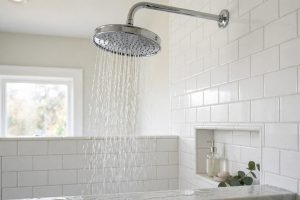
Consider buying a bundle. Some sellers discount a door when you also buy a shower base or a rain head. A new rain shower head pairs well with a glass enclosure. If you are retiling too, read a bathroom wall tiles buying guide so the tile and door plan fit together.
Be wary of prices that look too low. A full-size frameless door listed at $199 is almost surely thin glass, weak hardware, or a misleading title. True frameless doors need thick tempered glass and solid hinges. Those materials have a real cost. A fair deal saves you 15 to 30 percent off showroom prices. A price that is 70 percent off is a warning sign, not a bargain.
Finally, confirm the certification. Reputable listings state that the glass is tempered to ANSI Z97.1. Design idea galleries and bathroom planning guides can help you picture the finished look, but the safety standard is what protects your family. If a seller cannot name the standard, move on.
Care and Upkeep
A frameless door is easy to keep clean if you build small habits. Keep a squeegee in the shower. After each use, pull the water off the glass in long strokes. This takes twenty seconds. It stops mineral spots from forming. Hard water leaves white marks that grow harder to remove over time.
Once a week, wipe the glass with a soft cloth and a mild cleaner. Avoid harsh powders and steel wool. They can scratch the glass and dull the hardware finish. For stubborn spots, a mix of white vinegar and water works well. Spray it on, wait five minutes, and wipe clean. Rinse well after. More household cleaning tips and bath fixture repair guides can help with the rest of the bathroom too.
Check the seals and hinges twice a year. Look at the clear seal strips along the panel edges. If they crack, order replacements from the seller. They are cheap and easy to snap in. Tighten any loose hinge screws with a screwdriver. Do not over-tighten. Glass can crack under too much pressure.
Safety
Tempered glass is made to break safely. If it ever shatters, it breaks into small rounded pieces instead of sharp shards. That is why the ANSI Z97.1 standard matters. It proves the glass was heat-treated correctly. Never install plain annealed glass in a shower. It can break into dangerous pieces.
Handle the panels with care during installation. Wear gloves. Never set a glass panel on a hard edge or a corner. Small chips at the edge can weaken tempered glass. If a panel arrives chipped, do not install it. Ask the seller for a replacement.
Think about who uses the shower. Small children and older adults benefit from grab bars and a stable shower base. Shower base and fixture makers and bathroom fixture brands publish guides on safe layouts. A non-slip mat and good lighting add real safety at low cost.
Frequently Asked Questions
How much do frameless shower doors cost in the USA? Most kits cost between $400 and $1,200 online. Simple fixed panels start near $300. Large hinged doors with 3/8 inch glass can pass $1,200. Professional installation adds $300 to $800. The total for a standard door, installed, often lands between $800 and $2,000.
Can I install a frameless shower door myself? Many owners do. The job needs basic tools, a level, and a drill. The hard part is the weight: a 3/8 inch glass panel can weigh 80 pounds or more, so work with a helper. If your walls are out of plumb, hire a professional.
What glass thickness is best? For most homes, 5/16 inch tempered glass is a fine choice. It is strong, lighter, and less costly. Choose 3/8 inch glass for large panels or a high-end feel. It looks and feels more solid. Do not buy frameless doors thinner than 5/16 inch.
Do frameless shower doors leak? A small amount of mist can escape at the gaps. That is normal. A well-fit door with seal strips and a drip rail keeps nearly all water inside. Leaks usually come from bad measurements or a curb that is too narrow. Good measuring prevents most problems.
Where can I find frameless shower doors USA online deals? Compare prices at large home improvement sites and specialty bath stores. Look for free shipping, clear return terms, and ANSI Z97.1 tempered glass. Seasonal sales in spring and around holidays often bring the best prices.
How do I clean hard water spots from glass? Use a squeegee after every shower to stop spots from forming. For spots that are already there, spray white vinegar, wait five minutes, and wipe with a soft cloth. For very hard buildup, repeat the treatment. A water-repellent coating applied after cleaning slows new spots.
A Final Word
A frameless shower door is one of the most visible upgrades in a bathroom. It opens the room, shows off your tile, and feels modern every day. Buying online can cut the cost by a wide margin, but only if you shop with care. Measure well. Demand thick tempered glass. Compare total prices. Check the return policy. Do those things, and the deal you find will be a real one.
References
American Standard. (n.d.). Bathroom and kitchen products. https://www.americanstandard.com Bob Vila. (n.d.). Home improvement advice. https://www.bobvila.com HGTV. (n.d.). Home and garden ideas. https://www.hgtv.com Kohler. (n.d.). Bathroom and kitchen fixtures. https://www.kohler.com Lowe’s. (n.d.). Home improvement products. https://www.lowes.com Moen. (n.d.). Faucets and plumbing fixtures. https://www.moen.com The Home Depot. (n.d.). Home improvement products. https://www.homedepot.com The Spruce. (n.d.). Home and garden advice. https://www.thespruce.com This Old House. (n.d.). Home renovation guidance. https://www.thisoldhouse.com
Was this guide helpful?

About Sarah Mitchell
The My Garden US editorial team writes practical, in-depth home and garden guides for American homeowners — tested advice, no fluff.