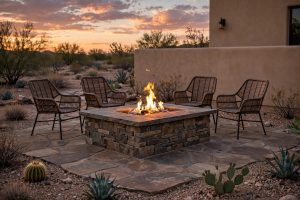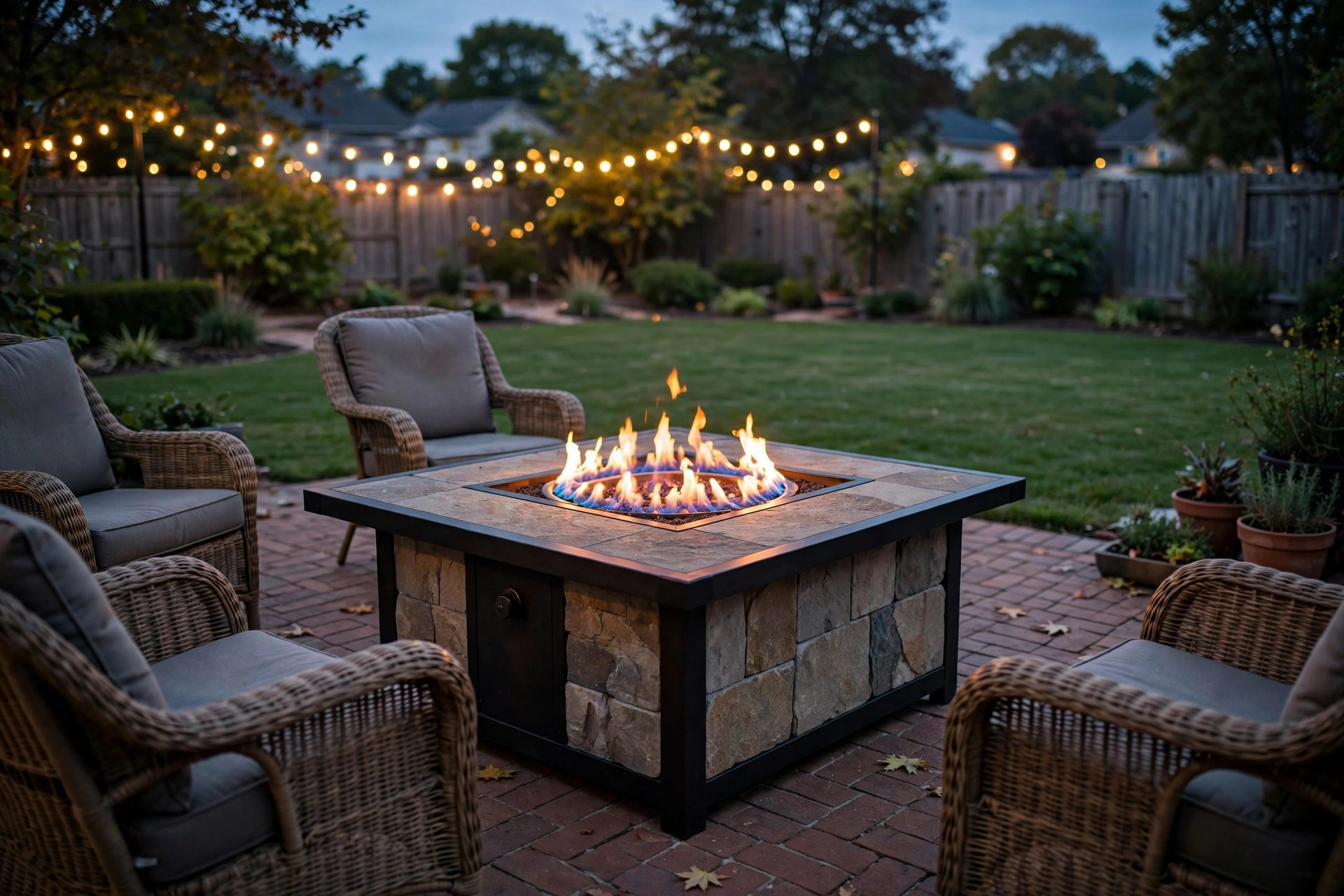

A fire pit table can change how a family uses its back yard. It gives warmth on cool nights. It gives a place to gather. But prices move across a wide range in the United States. This fire pit tables price comparison usa guide lays out what each type costs, why prices differ, and how to judge value before you buy.
Why Price Comparison Matters
A fire pit table is not a small purchase. Basic models sell for a few hundred dollars. Large custom units can cost several thousand. The gap is so wide that a quick look at one store is not enough. A shopper who compares five or six sellers often finds the same table listed at very different prices.
Comparison matters for another reason. Price tags do not always include the same things. One listing may cover the table, burner, and cover. Another may charge extra for each of those parts. A true comparison adds up the full cost of ownership, not just the headline price.
Smart buyers also weigh fuel. Propane, natural gas, and wood each carry running costs. A cheap table that burns costly fuel can end up more expensive in the long run than a dearer table with a cheaper fuel. When you run the numbers across a full season of use, the real winner often changes.
What to Look for When You Compare: Fire Pit Tables Price Comparison Usa
Fuel Type
Fuel is the first choice to make. Propane fire pit tables run from a standard 20-pound tank. They light fast. They shut off fast. They cost more per hour to run than natural gas. Natural gas fire pit tables need a gas line. The hookup costs extra up front, but the fuel itself is cheap. Wood burning fire pit tables give real flames and crackle. They need logs, ash cleanup, and a dry place to store wood.
Your comparison should never mix fuels carelessly. Compare propane models against propane models. Compare natural gas models against natural gas models. Only then do the prices tell a true story.
Size and Shape
Tables come in round, square, and rectangle shapes. Round tables fit small groups. Rectangle tables seat six to eight people like a dining table. The wider the burner ring and the larger the table top, the higher the price. Measure your patio first. A table that crowds the space is a poor buy at any price.
Materials and Build
The shell of the table sets much of the cost. Glass fiber reinforced concrete, cast aluminum, and powder-coated steel are the common materials. Concrete composite tables look like stone and weigh a great deal. Aluminum tables resist rust and weigh less. Steel frames are common at the budget end, and quality varies a great deal among them. The experts at The Spruce publish outdoor furniture buying guides that explain how these materials age in real weather.
Heat Output and Burner
Manufacturers list heat output in BTU. Most patio tables run between 40,000 and 60,000 BTU. Higher BTU means more heat and faster fuel use. A long burner ring spreads flame wider. A small burner makes a tall, narrow flame. Check that the burner is stainless steel. Cheap burners rust through in a season or two.
Extras Included in the Price
Look closely at what comes in the box. A lid or cover, a wind guard, fire glass or lava rock, and a propane tank cover may or may not be included. Each item you must buy separately adds to the real cost. Home centers like Home Depot often list what ships with each model, so you can compare the full package side by side.
Types and Options
Chat-Height Fire Pit Tables
Chat-height tables stand about 24 inches tall. They pair with low patio chairs. They cost less than dining-height models because they use less material. They suit talk and drinks rather than meals.
Dining-Height Fire Pit Tables
Dining-height tables stand near 36 inches. They work with standard patio dining chairs. They cost more because of the taller frame and larger top. They suit families who want to eat outdoors late into the fall.
Portable Fire Pit Bowls with Lids
Some units look like tables but function more like bowls with a rim. They are the cheapest option. They move easily. They hold less heat and seat fewer people. They suit renters and small yards.
Built-In and Custom Units
Custom masonry or natural gas tables are built on site or ordered from a maker. They cost the most by far. They match the house. They add real value to the property. For background on how pros plan these builds, the project guides at This Old House are worth a read.
Covers and Conversion Kits
Many tables ship with a burner cover that turns the fire feature into a flat top. Some owners buy conversion kits to switch from propane to natural gas. Kits cost extra. Factor them in when you compare.
Cost and Price Breakdown
Budget Range: 300 to 700 Dollars
At this level you will find steel-framed propane fire pit tables and small composite models. Finishes are simple. Burners are smaller. Covers may be sold separately. These tables can serve well for two or three seasons of light use. Read the warranty. A one-year warranty on a burner tells you what the maker expects. Independent testing groups such as Consumer Reports often note that budget outdoor heaters and fire features vary widely in build quality.
Mid Range: 700 to 1,500 Dollars
This is the sweet spot for most American homes. Tables here use better materials. Aluminum and concrete composite bodies are common. Burners run at higher BTU. Covers, fire glass, and tank doors are more often included. Finish options grow. You can expect five to ten years of service with care. Price comparison in this band pays off the most, because models look similar but differ in what is included.
Premium Range: 1,500 to 4,000 Dollars
Premium tables bring heavy concrete bodies, large stainless burners, and refined finishes. Rectangle dining tables with big fire features live here. So do well-made natural gas models. Service life runs past a decade. Prices at the top of this range overlap with simple custom builds.
Custom and Built-In: 4,000 Dollars and Up
Masonry fire tables tied to the home’s gas line sit at the top. Labor makes up much of the cost. These projects need permits in many towns. They add the most lasting value. They are also the hardest to price from listings alone, since every job differs.
Running Costs to Add to the Price
A fair fire pit tables price comparison usa must include running costs. A 20-pound propane tank holds about 430,000 BTU. At 50,000 BTU per hour, one tank gives roughly eight to nine hours of flame. Tank refill prices vary by region and season. Natural gas costs much less per hour, but the line installation can run several hundred to over a thousand dollars.
Wood costs depend on where you live. Split hardwood in the Northeast and Midwest is dear. In the South and West it can be cheap or free. Seasoned wood burns cleaner than green wood. Do not burn treated lumber. The safety pages at CPSC warn against burning treated or painted wood because of toxic fumes.
Electricity costs almost nothing in comparison, but ignition systems and lights are the only electric parts. They add a few dollars a year.
Care and Upkeep
A fire pit table that lasts a decade is cheaper than one replaced every three years. Care is simple. Cover the table when it is not in use. Water is the main enemy. It rusts steel. It stains concrete. It soaks fire glass and lava rock, which then crack when heated.
Clean the burner at least twice a season. Spiders and insects build nests in gas tubes over winter. A blocked tube gives uneven flame. Check the ignition battery once a year. Wipe the table top with mild soap and water. Do not use harsh chemicals on powder-coated finishes. Practical maintenance steps like these appear often in the how-to library at Family Handyman.
For gas models, check hoses and connections each spring. Look for cracks. Smell for leaks. A soapy water test shows bubbles at a leaking joint. If you find one, shut off the gas and call a professional. Store propane tanks upright, outdoors, away from the house.
For wood-burning models, clear ash after every few uses. Ash holds moisture against steel. Keep a metal ash can with a lid. Line the fire area with fresh lava rock or fire glass when the old bed breaks down.
Cold climates need extra care. Concrete can crack if water freezes inside it. Bring small tables under cover for winter. For large tables, use a fitted waterproof cover and check it after storms. The outdoor project planners at Bob Vila offer seasonal checklists that fit fire features as well as grills and heaters.
Safety Rules That Never Change
Fire features are safe when treated with respect. Keep the table at least ten feet from the house, the fence, and low branches. Place it on a level, non-flammable surface such as stone, brick, or concrete. Do not set it on a wood deck unless the maker states it is rated for deck use, and even then use a heat shield.
Never leave a burning table alone. Keep children and pets at arm’s length. Teach children that the rim stays hot long after the flame goes out. The federal fire safety guidance at EPA reminds homeowners that outdoor burning rules vary by town, and some cities limit what fuel you may burn.
Store a fire extinguisher or a hose within reach. Learn the shutoff steps before you light the first flame. In windy weather, turn the flame low or shut it off. Wind guards help, but strong gusts can still blow flame sideways.
If your town requires a permit for open flame, get one. Some neighborhoods ban wood burning but allow gas. Check local rules before you buy, not after. For gas line work, always hire a licensed plumber or gas fitter. Guides for planning gas projects are easy to find on maker sites such as Heatilator, which explains how gas fire features connect to home fuel lines.
For more on how efficient gas appliances are rated, ENERGY STAR publishes plain-language guidance on gas equipment standards.
Frequently Asked Questions
How much does a good fire pit table cost in the USA?
Most American buyers spend between 700 and 1,500 dollars. That band buys a well-made gas table with a cover and a solid warranty. Budget tables start near 300 dollars. Premium and custom units climb past 4,000 dollars.
Is propane or natural gas cheaper for a fire pit table?
Natural gas costs less per hour of use. Propane costs less to set up. If you plan to use the table often, natural gas usually wins over time. If you use it now and then, propane is simpler.
What size fire pit table should I buy?
For two to four people, a 40-inch round table is enough. For six to eight people, choose a rectangle table of about 60 by 40 inches. Leave at least three feet of clear space around the table for chairs.
Do fire pit tables work in winter?
Yes. Gas tables light in cold weather. Keep the cover on between uses. Clear snow from the burner before lighting. In very cold regions, bring small tables inside a shed for the season.
Are fire pit tables allowed on apartment balconies?
Most apartment leases and many city codes ban open flame on balconies. Gas tables count as open flame. Check your lease and local rules first. Electric fire features may be allowed where gas is not.
How long does a fire pit table last?
A well-kept mid-range table lasts seven to twelve years. Budget steel tables often last three to five. Custom masonry tables can last for decades. The cover you use matters as much as the price you paid.
A Final Word
Price comparison is worth the effort. List the models you like. Write down what each one includes. Add the fuel and the extras. Then choose. The cheapest tag on the shelf is rarely the cheapest table to own. A fair, careful fire pit tables price comparison usa ends with a table that fits your yard, your fuel, and your budget.
Shoppers comparing similar fire features may also want to see the best outdoor fire pits for florida homes guide, the fireplace grates price comparison usa breakdown, and the fireplace installation services cost guide usa before they decide.
References
Bob Vila. (n.d.). Home improvement advice. https://www.bobvila.com Consumer Reports. (n.d.). Product reviews and ratings. https://www.consumerreports.org ENERGY STAR. (n.d.). Energy efficient products. https://www.energystar.gov Family Handyman. (n.d.). DIY home repair and maintenance. https://www.familyhandyman.com Heatilator. (n.d.). Fireplaces and fireplace products. https://www.heatilator.com The Home Depot. (n.d.). Home improvement products. https://www.homedepot.com The Spruce. (n.d.). Home and garden advice. https://www.thespruce.com This Old House. (n.d.). Home renovation guidance. https://www.thisoldhouse.com U.S. Consumer Product Safety Commission. (n.d.). Product safety information. https://www.cpsc.gov U.S. Environmental Protection Agency. (n.d.). Protecting human health and the environment. https://www.epa.gov
Was this guide helpful?

About Sarah Mitchell
The My Garden US editorial team writes practical, in-depth home and garden guides for American homeowners — tested advice, no fluff.
You May Also Like
Ethanol Wall Fireplaces Price Comparison USA: What Buyers Should Know
January 22, 2026 0 views
Best Firewood Storage Racks for California Apartments
April 24, 2026 0 views
Top Rated Fireplace Installation Services Reviews: A Homeowner’s Guide
August 29, 2026 0 views