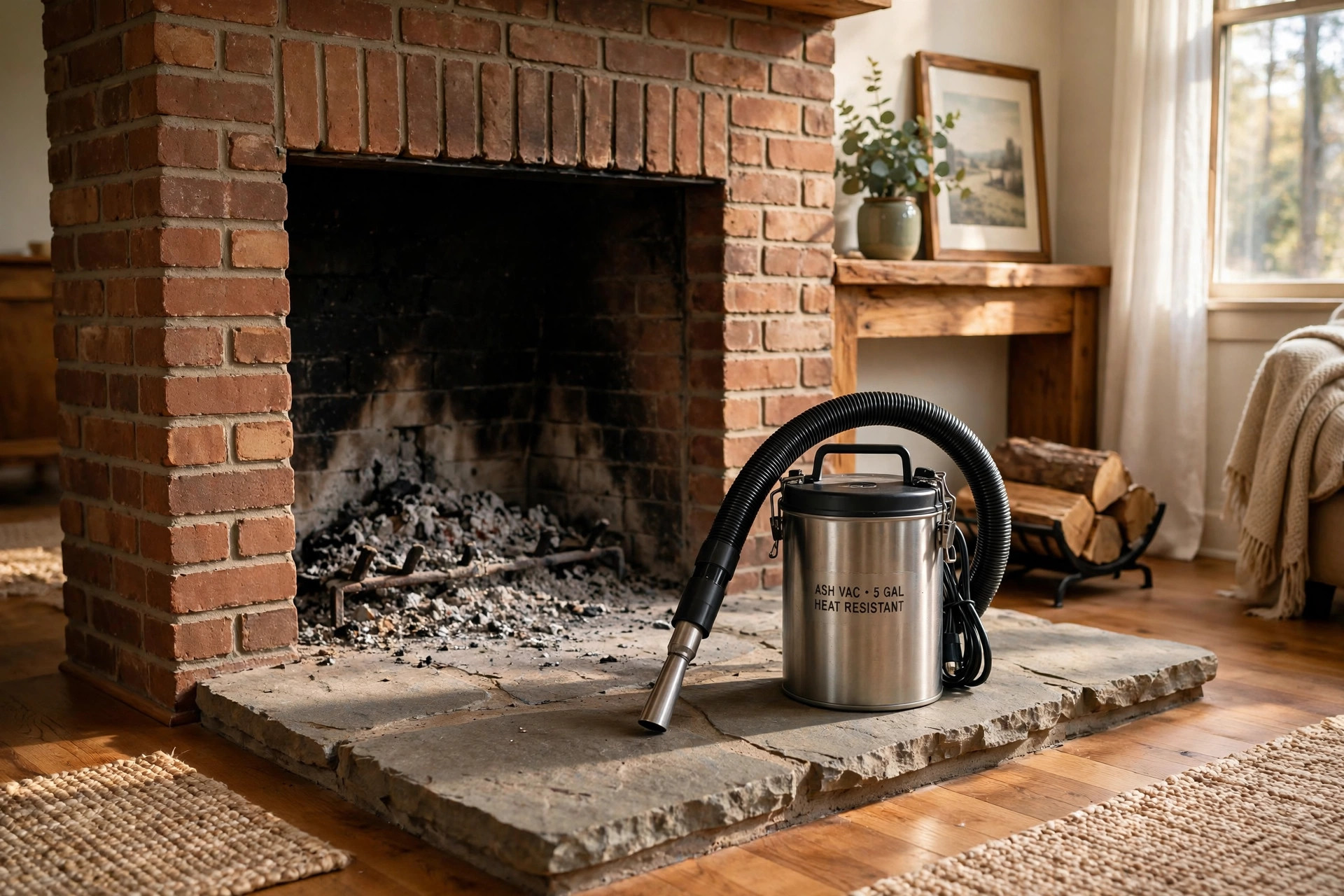

Anyone who burns wood knows the chore that follows the fire. Cold ash piles up in the firebox. Dust drifts across the hearth. A broom and dustpan spread more dust than they catch. That is why many households now look for eco friendly fireplace ash vacuums for sale. These small machines pick up cold ash without the mess. They do the work faster, cleaner, and with less waste than old methods.
This guide explains what these vacuums are, how they work, and what to check before you spend your money. It covers prices, care, safety, and the features that matter most.
Why a Fireplace Ash Vacuum Matters
A fireplace brings warmth and comfort to a home. It also brings fine ash dust. This dust is light and easy to breathe in. It settles on furniture, floors, and curtains. A regular house vacuum cannot handle it. Ash dust is so fine that it passes through a normal filter and comes back out into the room. It can also clog the motor and ruin the machine.
A fireplace ash vacuum is built for this one job. It has a strong filter that traps fine dust. The tank is made of metal, not plastic, so it can stand up to heat. The hose is heat-resistant. When you search for eco friendly fireplace ash vacuums for sale, you will see that these features are the standard marks of a good unit.
Clean ash also means a safer fire. Ash that sits too long can hold heat for a full day after the last flame. A good cleanup routine keeps the hearth clear and the home safer. Guides on chimney upkeep and hearth safety explain why a clean firebox helps every burn.
What “Eco Friendly” Means Here: Eco Friendly Fireplace Ash Vacuums for Sale
The phrase “eco friendly” can mean many things in stores and ads. For an ash vacuum, it points to a few clear ideas.
First, these machines use power only when you need them. A short, strong cleanup beats sweeping for half an hour. Second, many models use washable filters. A washable filter cuts down on thrown-away paper filters. That is less trash over the years. Third, the collected ash can be put to good use. Wood ash from plain, untreated wood is a natural source of minerals. Garden writers at The Spruce note that small amounts of cool wood ash can be used on soil and compost in some settings. Check local rules and your garden needs before you spread it.
Also look for long life. A well-made vacuum that lasts ten years is kinder to the land than a cheap one that breaks in two seasons. Reviews on Consumer Reports often track how well appliances hold up over time. Buy once, buy well, and use it for years.
What to Look For Before You Buy
When you compare eco friendly fireplace ash vacuums for sale, the list below covers what counts most.
Motor Power and Suction
Suction decides how fast the job goes. Most ash vacuums run on a modest motor, often around 800 to 1200 watts. That is enough for ash, small bits of charcoal, and light debris. More power helps with larger fireplaces and wood stoves. But very high power also means more noise and more electric use. A mid-range motor is the best balance for most homes.
The Filter System
The filter is the heart of the machine. Look for a HEPA-style filter or a fine cartridge filter. It should trap dust as fine as fireplace ash. Some models have a filter inside the tank and a pre-filter on the hose. A two-stage setup keeps the air clean and protects the motor. If you want fewer throwaways, pick a unit with a washable, reusable filter. Rinse it, let it dry fully, and put it back. Cleaning experts at Good Housekeeping remind readers that a dry filter works best, since damp filters grow mold.
Heat Resistance
Never vacuum warm or hot ash. Even so, a good ash vacuum is built to stand short contact with warm dust. The tank should be metal. The hose should be heat-resistant and lined. The nozzle should be metal too. Check the manual for the heat rating. If a maker gives no rating at all, move on to another brand.
Tank Size
Ash vacuums come with tanks from about two to six gallons. A bigger tank means fewer trips to the trash or compost bin. It also makes the unit heavier and harder to store. For a small fireplace, a two- or three-gallon tank is enough. For a large wood stove or an outdoor fire pit, choose four gallons or more. Think about where you will keep the machine. A garage or a hearthside closet is ideal.
Hose Length and Tools
A hose of three to five feet lets you reach the back of the firebox without lifting the whole tank. Look for a crevice tool or a brush nozzle. These help with corners and the lip of the hearth. A wide floor nozzle is useful if ash has spilled onto the rug or stone in front of the fireplace.
Cord Length and Storage
A long power cord saves trips to different outlets. Ten to fifteen feet is common. Some models wind the cord on the body for tidy storage. Wheels or a carry handle make it easy to roll the tank from the fireplace to the trash.
Practical buying advice from Family Handyman applies here: match the tool to the job you do most often, not the rare big cleanup.
Types and Options on the Market
Most ash vacuums fall into a few clear groups.
Canister ash vacuums. These are the most common type. The tank sits on the floor and the hose reaches up to the firebox. They are easy to move and hold a good amount of ash. Many of the eco friendly fireplace ash vacuums for sale at large retailers are this type.
Compact ash vacuums. Smaller and lighter, these suit apartment fireplaces and small stoves. They hold less ash, so you will empty them more often. They are easy to store in a closet.
Ash vacuum attachments. Some brands sell an ash attachment that works with a wet/dry shop vacuum you already own. This can be a thrifty choice. It adds a fine filter and a heat-safe hose to a machine you have. Read the fit guide carefully so the parts match.
Cordless models. A few newer models run on rechargeable batteries. They are handy for quick touch-ups and small fireboxes. Battery run time is short, so they are not the best pick for a full clean of a large stove. If low waste matters to you, note that batteries wear out and need replacement every few years.
Makers such as Stanley and Armor All offer vacuum lines that include ash-safe units, and home stores like The Home Depot stock several models side by side for easy comparison.
Cost and Price
Prices for ash vacuums vary with size and features. In general, you can expect these ranges:
– Basic compact models: about 40 to 70 dollars. These handle small fireplaces and light ash. – Mid-range canister models: about 70 to 130 dollars. This is the sweet spot for most homes. You get a metal tank, a good filter, and solid suction. – Heavy-duty models: about 130 to 200 dollars or more. These have bigger tanks, stronger motors, and extra tools. They suit wood stoves, pellet stoves, and outdoor fire pits.
Watch for the true cost, not just the sticker. A washable filter saves money year after year. A long warranty, two years or more, shows that the maker stands behind the build. Cheap models with short cords, plastic tanks, and thin filters cost less now but cost more later. If your budget is tight, look for reliable fireplace ash vacuums with free shipping to cut the delivered price.
Sales often come in late summer and early fall, when stores stock up for heating season. Buying off-season can also save you money. Keep the receipt and the manual. You will need both if you ever use the warranty.
Care and Upkeep
An ash vacuum lasts longer when you care for it. These steps take only a few minutes after each use.
Empty the tank after every cleanup. Do not let ash sit for weeks. Cool ash is fine to empty, but old ash packs down and is harder to shake out. Tap the filter gently over a trash can to knock off loose dust. If your filter is washable, rinse it from time to time. Let it dry for a full day before you put it back. A damp filter lets dust pass and can smell bad.
Check the hose for cracks or loose ends each season. A split hose leaks dust back into the room. Wipe the outside of the tank with a damp cloth. Keep the machine in a dry place. Moisture rusts metal parts.
Once a year, look over the whole unit. Tighten screws. Check the power cord for wear. Replace the filter if it looks torn or if suction has dropped. Filter care tips from Bob Vila apply to all fine-dust machines: a clean filter is what keeps suction strong and air clean.
If you burn wood often, give your chimney the same care. A yearly sweep matters. You can find best chimney sweep services near me when the season turns. A clean chimney and a clean firebox go hand in hand.
Safety Rules You Must Follow
Ash vacuums are safe when used right. They are dangerous when used wrong. Read these rules and follow every one.
Only vacuum cold ash. Wait at least 24 hours after the last fire. Push a metal tool through the ash bed and feel for warmth. If you find any warm spot, wait longer. Hot embers can melt a hose, start a fire in the tank, or burn through the filter. Fire safety guidance from the U.S. Environmental Protection Agency stresses safe ash handling, and this rule is the most important one.
Do not vacuum other materials. Use the ash vacuum only for cold ash and fireplace debris. Do not pick up liquids, sawdust, or fine powders from the workshop. Those can clog or damage the filter in different ways.
Wear a dust mask. Even with a good filter, some dust escapes during tank emptying. A simple dust mask keeps fine ash out of your lungs. This matters most for people with asthma or breathing trouble.
Keep the unit dry. Never use it in rain or on wet ash. Wet ash turns to a paste that ruins filters.
Unplug before you clean the filter. This is a basic electric safety step. Treat the vacuum like any other powered tool.
Store away from heat. Keep the vacuum away from the firebox, the stove, and hot pipes. A cool, dry corner is best.
Frequently Asked Questions
Can I use a regular vacuum for fireplace ash? No. Regular vacuums have filters that cannot trap ash dust. The fine dust passes through and spreads around the room. It can also damage the motor. An ash vacuum has a metal tank, a heat-safe hose, and a fine filter made for this job.
How do I know the ash is cold enough? Wait a full day after the last fire. Stir the ash with a metal poker. Touch test with the back of your hand held near, not in, the ash. If you feel any heat, wait more. When in doubt, wait another day. Cold ash feels cool and dry.
What can I do with the collected ash? Cool wood ash from plain wood can go into compost or onto some garden soil in small amounts. Do not use ash from painted, treated, or glued wood. That ash may hold harmful chemicals. Bag the rest and put it in the trash. Never dump hot ash into a paper bag or a plastic bin.
How often should I clean out the fireplace? Clean the firebox when the ash bed is more than an inch deep. A thin bed of ash helps new fires start. Too much ash chokes the fire and spills onto the hearth. Most weekly burners clean out every one to two weeks in winter.
Are washable filters worth it? Yes, for most buyers. A washable filter costs a bit more up front but saves the cost of paper replacements. It also means less trash. Rinse it only when the manual says it is safe. Always let it dry fully before the next use.
Where is the best place to buy one? You can compare models online and in stores. If you want full specs and side-by-side detail, read a fireplace ash vacuums reviews and buying guide first. Then check stock at a local home store so you can see the tank size and hose with your own eyes before you buy.
A Final Word
A fireplace is one of the great comforts of a home. Cleaning up after it should not spoil the pleasure. An eco friendly ash vacuum makes the job quick, clean, and safe. Choose a metal tank, a fine washable filter, and a heat-safe hose. Respect the cold-ash rule every time. Care for the filter and the machine will serve you for years. With the right tool, the hearth stays tidy and the fire stays a joy.
References
Armor All. (n.d.). Car care and vacuum products. https://www.armorall.com Bob Vila. (n.d.). Home improvement advice. https://www.bobvila.com Consumer Reports. (n.d.). Product reviews and ratings. https://www.consumerreports.org Family Handyman. (n.d.). DIY home repair and maintenance. https://www.familyhandyman.com Good Housekeeping. (n.d.). Product reviews and home advice. https://www.goodhousekeeping.com Stanley. (n.d.). Tools and workshop vacuums. https://www.stanleytools.com The Home Depot. (n.d.). Home improvement products. https://www.homedepot.com The Spruce. (n.d.). Home and garden advice. https://www.thespruce.com This Old House. (n.d.). Home renovation guidance. https://www.thisoldhouse.com U.S. Environmental Protection Agency. (n.d.). Protecting human health and the environment. https://www.epa.gov
Was this guide helpful?

About James Carter
The My Garden US editorial team writes practical, in-depth home and garden guides for American homeowners — tested advice, no fluff.
You May Also Like
Reliable Blind Cleaning Tools for Small Apartments
July 20, 2026 0 views
Professional Grade Carpet Deep Cleaning Machines for Sale
October 3, 2026 0 views
Quiet Roof Moss Removal Services Near Me
July 13, 2026 0 views