
A Common Smell With a Simple Cause
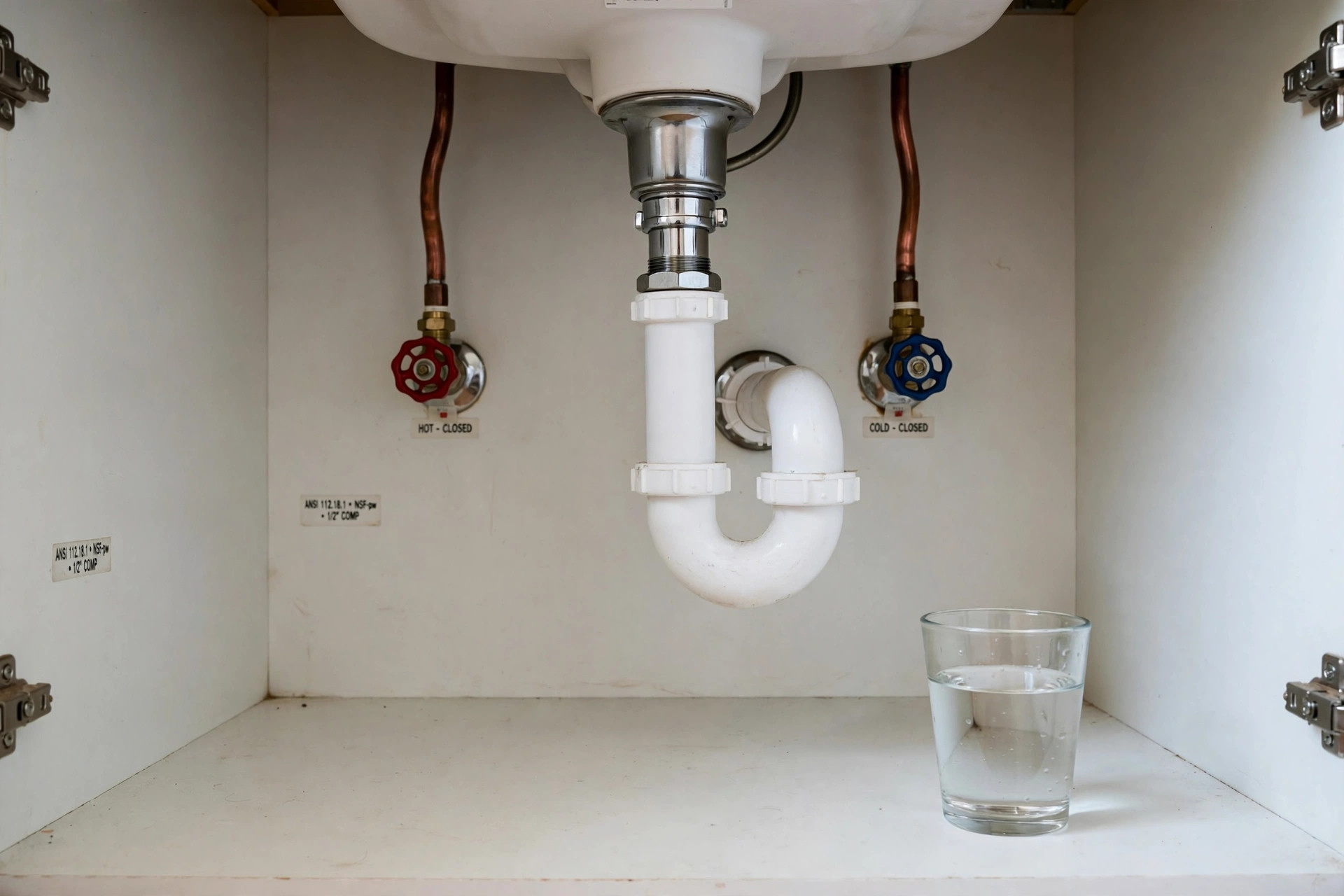
A rotten odor rises from a floor drain in the laundry room. A bathroom smells of stale gas even after a full cleaning. The search for the dry p trap smell fix for homeowners usa starts with one small part under every drain. That part is the p-trap. It is a curved section of pipe shaped like the letter P. It holds a small plug of water at all times. That water plug seals the drain. It blocks gas from the sewer line. When the water plug dries out, gas moves up into the home. The fix is often as simple as pouring water down the drain.
Homeowners meet this problem in guest bathrooms, basements, and laundry rooms. Any drain that sits unused for weeks can dry out. Warm air speeds the process. In dry parts of the country, a trap can lose its seal in less than two weeks. The smell is unpleasant but the cause is not serious in most cases. This guide explains why the trap dries, how to spot it, and the full dry p-trap smell fix for homeowners.
Why a Dry P-Trap Matters: Dry P Trap Smell Fix for Homeowners Usa
The Purpose of the Trap
Every sink, tub, shower, and floor drain connects to a sewer or septic line. That line carries waste away from the home. It also carries gas. Sewer gas is a mix of methane, ammonia, and hydrogen sulfide. Hydrogen sulfide gives the smell of rotten eggs. A water plug in the p-trap forms a seal. Gas cannot pass through water. The seal works only while water sits in the curve of the pipe.
How the Water Escapes
Water leaves a trap in four main ways. Evaporation is the first. Still air and heat pull water from the trap drop by drop. In a rarely used drain, the plug may vanish in a matter of weeks. The second way is a leak. A loose slip nut or a cracked trap body lets water drip away. The third way is siphoning. A strong flush from a nearby fixture can pull water out of a weak trap when vents are poor. The fourth way is disuse after repairs. When a plumber drains a line for work, the traps refill only after water runs again. Many homeowners notice the odor right after a repair visit for this reason.
Why the Smell Should Not Be Ignored
The odor itself is a nuisance. It can make a clean room feel dirty. Beyond comfort, sewer gas in large amounts can cause headaches and nausea. Long exposure is unhealthy. The United States Environmental Protection Agency keeps public guidance on indoor air hazards, and its pages remain a steady source for homeowners who want to read more about household air safety (epa.gov). A dry trap is not an emergency in most homes. But it deserves a prompt fix. If the smell is strong, if several drains smell at once, or if the odor returns within hours of a fix, a deeper problem may be at work. For help finding skilled help, many owners compare a local drain cleaning cost per line before calling a professional.
How to Tell the Trap Is Dry
Signs at the Drain
The clearest sign is the smell itself. It rises straight from the drain opening. It smells like rotten eggs, stale swamp water, or a bad sewer. It grows worse on hot days. It may fade after the drain runs and return after weeks of disuse. Another sign is sound. A drain that has sat empty may gurgle when water first enters. The gurgle marks air moving through a dry line.
Which Drains to Check
Focus on drains that see little use. Basement floor drains top the list. Guest bathroom tubs and showers follow. Laundry room standpipes and utility sinks are common spots. Bar sinks and mudroom sinks dry out in many homes. Drains near a furnace or water heater lose water faster because of the warmth. Walk the home and note every drain that has sat idle for a month or more. A quick check of each takes seconds.
A Simple Test
Pour two cups of water into the suspect drain. Wait ten minutes. If the smell fades, the trap was dry and the water sealed it. If the smell stays, the cause may lie elsewhere. Readers looking for sewer gas smell in bathroom solutions will find more causes covered in that guide. A dry trap is only one of several possible sources.
The Simple Dry P-Trap Smell Fix
Step One: Run Fresh Water
The core fix takes one minute. Run cold water into the drain for about thirty seconds. A full stream fills the trap and pushes the gas back down. For a floor drain, pour a bucket or a gallon jug slowly into the opening. The trap needs enough water to fill the curve fully. A quick splash is not enough. Let the water run until it drains with a steady flow.
Step Two: Add a Thin Layer of Mineral Oil
Water alone solves most cases. But water evaporates again. In drains that go unused for months, a thin layer of mineral oil slows evaporation. Pour about four ounces of plain mineral oil into the drain after the water. The oil floats on top of the water plug. It forms a cover that keeps air from reaching the water. Use food-grade mineral oil, which is sold in the laxative section of many stores. Do not use motor oil or cooking oil. Motor oil is toxic. Cooking oil can turn rancid and smell worse than the gas it blocks.
Step Three: Check for Leaks
If the trap dries out again within a day or two, look under the fixture. Place dry paper towels under the trap. Run water through the drain. Check the towels for wet spots. Tighten a loose slip nut by hand, then give it a quarter turn with pliers. Do not over-tighten plastic nuts, since they crack under force. Replace a cracked trap body with a matching part from a local hardware store such as The Home Depot or Lowe’s, both of which stock common trap sizes for American plumbing.
Step Four: Clean the Drain First
Sometimes the trap holds water but the smell stays. The cause may be grime on the drain walls above the water line. Hair, soap scum, and biofilm coat the pipe and rot. Remove the drain cover and scrub the first few inches with a brush. A mixture of baking soda and vinegar, followed by hot water, clears light buildup. For tougher kitchen sink buildup, readers may compare the best drain cleaner for the kitchen sink before choosing a product. Clean first, then refill the trap with fresh water.
Options When Water Alone Does Not Work
Trap Primers
Some homes have floor drains that dry out again and again. A trap primer can help. This small valve connects to a water line. Each time a nearby fixture runs, the primer sends a small amount of water to the drain. It keeps the trap full without any action from the homeowner. A plumber can install one in about an hour.
Deep-Seal Traps
A standard p-trap holds about two inches of water. A deep-seal trap holds more. The deeper seal takes longer to evaporate. They cost only a little more and suit drains in warm rooms.
Barrier Devices
Several devices now sit inside the drain and block gas without water. A one-way membrane opens when water flows and closes when it stops. These fit into floor drains and standpipes. They work well in drains that may stay dry for many months, such as a basement drain in a vacation home. They do not replace the trap. They add a second line of defense. Fixture makers such as Kohler and Moen publish care guides that show how traps fit within the full drain assembly, and those pages help a homeowner see where such a device would sit.
When to Call a Plumber
Call a plumber when the smell persists after the trap is full and clean. Call when several drains smell at the same time. Call when water drains slowly everywhere, which can point to a main line issue. Call when the odor comes with gurgling from other fixtures, which can point to a blocked vent. Vent pipes let air into the drain system. A blocked vent lets pressure swings pull trap water out again and again. Clearing a roof vent is not a safe do-it-yourself job. Family Handyman publishes step-by-step project guides that show which drain tasks suit a homeowner and which belong to a licensed plumber.
Cost of Fixing a Dry P-Trap Smell
The Do-It-Yourself Cost
The basic fix costs almost nothing. Water from the tap is the main tool. A gallon of mineral oil costs a few dollars and treats many drains. A drain brush costs a few dollars more. A replacement plastic p-trap kit costs under fifteen dollars at most stores. Total cost for most homeowners stays below twenty dollars. Delta Faucet and similar fixture brands keep parts diagrams online that help a buyer match the right trap size before a store trip.
Professional Costs
A plumber visit for a smell diagnosis usually runs between one hundred and two hundred fifty dollars in most American markets. Installing a trap primer adds the cost of the part plus about an hour of labor. Clearing a blocked vent stack can cost more, since it may require roof work. Camera inspection of a main line sits at the high end of common jobs. Most dry-trap problems never reach this level. The cheap fix works in the large majority of cases.
Cost of Doing Nothing
Ignoring the smell costs comfort first. A constant sewer odor can hide the smell of a gas leak from another source. Fixing the trap early costs little. Waiting can turn a one-minute task into a repair bill.
Care and Upkeep to Keep Traps Wet
A Monthly Routine
Make trap checks part of a monthly routine. Run water in every guest bathroom for thirty seconds. Pour a pitcher into each floor drain. Run the laundry standpipe for a few seconds if it sits idle. Add this task to the same day as another monthly chore, such as changing a furnace filter. A habit keeps every trap sealed.
Vacation Preparation
Drains dry fastest when a home sits empty. Before a trip of two weeks or more, run water in every drain. Add mineral oil to floor drains and rarely used sinks. Close the toilet lids to slow evaporation from the bowls. Some owners pour a cup of water into each toilet bowl on return as well. The home will greet them without stale air.
Seasonal Notes
Summer heat and winter dryness raise evaporation. Basements in warm climates need the most attention. This Old House keeps seasonal maintenance checklists that fold drain care into the wider home routine.
Water Quality and Odor
In some homes the water itself carries a slight sulfur smell. This is common with well water. The smell then rises even from a full trap. Whole-home filtration or a softener may help. Aquasana specializes in home water filtration, and its pages explain how treatment systems target sulfur and sediment.
Safety Notes
Ventilate Before You Work
If a room smells strongly of gas, open a door or window first. Let fresh air in for several minutes. Do not strike matches or light candles near a strong sewer odor. Fresh air is the safe first step.
Use Chemicals With Care
Drain chemicals can burn skin and eyes. They can damage pipes with repeated use. They should never mix with other cleaners. Bleach and ammonia together make a dangerous gas. Read every label. Wear gloves and eye protection. Keep the room aired during use. In most dry-trap cases, chemicals are not needed at all. Water is the fix.
Watch for Health Signs
Mild exposure to sewer gas can cause eye irritation, headache, or nausea. These signs should fade in fresh air. If they do not, seek medical advice. If the odor is very strong or spreads through the whole house, treat it as urgent. Leave the home and call for help if anyone feels dizzy or ill.
Frequently Asked Questions
How often should I pour water down a floor drain?
Once a month suits most homes. In hot or dry rooms, check every two weeks. If odor returns, the seal needs water again.
Can a dry p-trap make my family sick?
At normal levels, the main harm is the odor and mild irritation. High levels of sewer gas can cause headaches, nausea, and dizziness. Fix the trap promptly. Air out the room. Call a professional if strong odor persists after the trap is full.
Why does the smell return after only a few days?
Three causes are common. A leak drains the trap faster than evaporation. A blocked vent siphons the water out. Or a nearby fixture with heavy flow pulls the seal with each use. Check for drips under the trap first. If the trap stays full yet the smell returns, look to the vent system.
Does baking soda and vinegar fix a dry trap?
No. That mixture can freshen a drain and clear light grime, but it does not replace the water seal. The trap needs plain water to fill the curve.
Is mineral oil safe for septic systems?
Small amounts of food-grade mineral oil are generally fine for septic systems. Four ounces per drain is a small dose. Do not pour large amounts of any oil down drains. Large doses can harm a septic tank and clog pipes. When in doubt, ask a local septic service.
Should I replace my p-traps with waterless valves?
Waterless valves suit drains that stay unused for very long periods. They cost more than a standard trap. They still need occasional cleaning. Most homeowners do better with a standard trap plus mineral oil. Reserve waterless valves for true problem drains, such as a floor drain in a home that sits empty for months.
Final Word
A dry p-trap is one of the simplest problems in a home. Pour water, restore the seal, and keep a monthly habit of watering idle drains. Add mineral oil to the ones you forget. Call a plumber when the simple fix fails twice.
References
Aquasana. (n.d.). Water filtration systems. https://www.aquasana.com Delta Faucet. (n.d.). Kitchen and bathroom faucets. https://www.deltafaucet.com Family Handyman. (n.d.). DIY home repair and maintenance. https://www.familyhandyman.com Kohler. (n.d.). Bathroom and kitchen fixtures. https://www.kohler.com Lowe’s. (n.d.). Home improvement products. https://www.lowes.com Moen. (n.d.). Faucets and plumbing fixtures. https://www.moen.com The Home Depot. (n.d.). Home improvement products. https://www.homedepot.com This Old House. (n.d.). Home renovation guidance. https://www.thisoldhouse.com U.S. Environmental Protection Agency. (n.d.). Protecting human health and the environment. https://www.epa.gov
Was this guide helpful?

About David Wilson
The My Garden US editorial team writes practical, in-depth home and garden guides for American homeowners — tested advice, no fluff.
You May Also Like

Septic Drain Field Repair Cost Near Me: A Plain Guide to Prices and Choices
July 8, 2026 0 views
Sewer Gas Smell in Bathroom: Proven Solutions USA Homeowners Trust
September 23, 2026 0 views
Water Softener Installation Cost Near Me: What Homeowners Pay
September 24, 2026 0 views