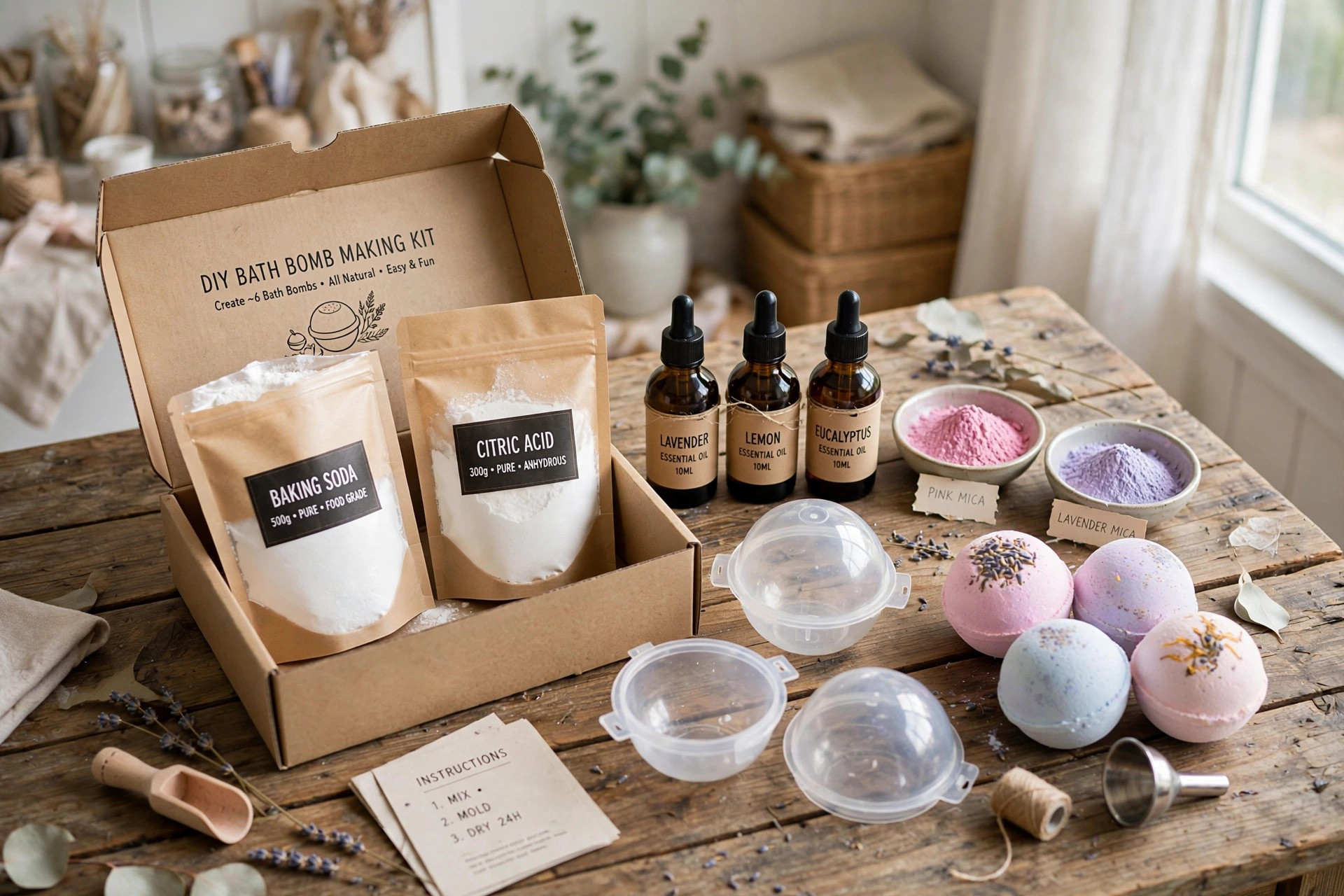
A diy bath bomb kit for gifts and crafts is a small box of supplies that lets you make fizzy bath balls at home. The kit holds dry powders, molds, scents, and color. You mix the powders, press them into molds, and let them dry. The result is a round treat that fizzes in warm bath water. Many people buy these kits for quiet weekend craft time. Many also give the finished bombs as gifts. A handmade gift often means more than a store gift. This guide explains how the kits work. It shows what to look for, what types exist, and what they cost. It also covers care, safety, and smart gift ideas. By the end, you will know how to pick the right kit for your needs.
Why a Bath Bomb Kit Is Worth the Time
A bath bomb kit saves time. It puts every part in one box. You do not need to hunt for each item in five stores. The parts match each other. The powders are measured to work with the molds. The scent oils suit skin. This takes the guesswork out of the craft.
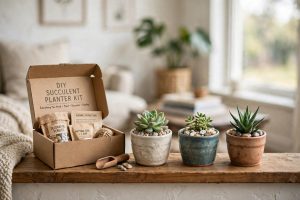
Craft time has value on its own. It gives your hands work to do. It gives your mind a rest. Many people find calm in simple steps. Mix, press, wait. The steps repeat. The mind quiets. Craft projects like this fit well next to other home hobbies, such as handmade terrarium kits or painting. They make slow evenings feel full.
A kit also helps beginners. The first batch often teaches the most. A dry mix that holds its shape shows you the right feel. A mold that releases clean shows you the right press. Small mistakes teach fast. They cost little. Most kits make enough for several tries.
What to Look for in a Kit: Diy Bath Bomb Kit for Gifts and Crafts
A good kit has clear labels. Each bag or bottle should say what it is. The kit should list weights. It should list a full recipe. It should state how many bombs the kit makes. Clear facts help you plan.
Check the recipe first. A bath bomb needs two main powders. Baking soda gives the fizz. Citric acid gives the reaction. Cornstarch helps bind. A fat, like coconut oil or shea butter, keeps the bomb from drying skin. Good kits use food grade baking soda and pure citric acid. They state this on the label.
Scent and color need care. The best kits use skin safe fragrance or pure essential oil. They use bath safe colorant, not food color from the baking aisle. Food color can stain skin and tubs. Bath safe color fades in water. It washes away clean.
Ingredients and What They Do
Baking soda is the base. It reacts with citric acid in water. The reaction makes carbon dioxide gas. The gas makes the fizz. Citric acid is a dry acid from fruit. It is safe in small bath amounts. Cornstarch or arrowroot helps the bomb hold shape. It also softens the water feel.
Oils do two jobs. A carrier oil binds the powder. It also leaves a light touch on skin. Coconut oil is common. It is solid at room temperature. You melt a small amount first. Sweet almond oil is another choice. Shea butter adds rich feel. Use only small amounts. Too much oil makes the tub floor slick.
Color and scent are the fun parts. Mica powder gives shimmer. It is a mineral color. It washes out well. Natural clays give soft tones. Fragrance oil gives strong scent. Essential oil gives plant scent. Some people add dried flowers or petals. These look lovely but need care. Petals can clog drains. A drain catcher solves this.
Molds and Tools
Molds shape the bomb. Round two piece plastic molds are the classic choice. They make a ball. They are cheap and easy. Metal molds press firm. They last longer. Silicone molds make fun shapes. Stars, hearts, and shells work well for gifts. Look for molds with smooth edges. Rough edges crack the bomb.
The kit should include mixing tools. A large bowl works. A whisk breaks lumps. A spray bottle adds liquid in fine mist. Mist is better than a pour. A pour starts the fizz too soon. Gloves protect hands from color. A drying rack or tray lets air reach each bomb.
Types of Kits on the Market
Beginner kits suit first time makers. They hold pre-measured powders. They include one or two molds. They make six to twelve bombs. The steps are simple. The cost is low. These kits are a good test of the hobby.
Deluxe kits hold more. They include several molds and many colors. They may hold dried flowers and glitter. They make twenty to forty bombs. They suit people who plan gifts for many friends. They cost more but give more per bomb.
Natural kits use no fake scent. They use essential oils only. They use clays for color. They suit people with sensitive skin. They often cost a bit more. Pure plant oil costs more than lab scent.
Kids kits focus on fun. They use bright colors and sweet scents. They add toys or charms inside the bomb. Adult help is still needed. Citric acid stings eyes. Sharp tools should stay out of reach. Many family craft sites, such as Family Handyman, remind readers that adult guidance keeps craft time safe.
Refill kits hold powders only. They suit people who own molds already. They cost less per bomb. They reduce waste. They are a smart buy for repeat makers.
Cost and Price
Most beginner kits cost between twelve and twenty-five dollars. They make eight to twelve bombs. That is about one to two dollars per bomb. Store bought bath bombs often cost five to eight dollars each. Home made bombs save real money.
Deluxe kits cost thirty to sixty dollars. They make more bombs. The cost per bomb drops near one dollar. Natural kits run higher. Essential oils cost more. A good natural kit may cost forty to seventy dollars.
Watch for hidden costs. The kit may not include rubbing alcohol. Many recipes use a small spritz of it. It helps the powder bind. You may need extra baking soda for large gift batches. Gift boxes, ribbon, and tags add cost too. Plan for these when you price gifts.
Sales help. Craft stores such as Michaels run weekly coupons. Joann posts seasonal deals. Buying two kits at once often beats buying one. Check expiry dates on scent oils. Old oil smells flat.
How to Use the Kit
Start with a clean dry space. Lay out all parts. Read the recipe once through. Keep water away from the powder. Even damp hands can start the fizz.
Mix the dry parts first. Whisk out all lumps. Lumps make weak spots. Weak spots crack. Melt the solid fat in a small bowl. Let it cool a touch. Stir in scent and color. Then mix wet into dry with your hands. Work fast but calm.
Test the mix. Squeeze a handful. It should hold like damp sand. If it crumbles, mist once with water or alcohol. Mix again. Do not add much liquid. Too much liquid starts the fizz in the bowl.
Pack the molds firm. Overfill each half. Press the halves together. Twist to release. Set the bomb on a tray. Let it dry for one full day. A dry bomb rings hard when tapped. It should not dent.
Care and Upkeep of Your Supplies
Store powders dry. Keep bags sealed tight. Citric acid pulls water from air. Damp acid makes weak fizz. Keep the kit in a cool cabinet. Heat melts solid fats. Light fades scent oils.
Wash molds after use. Warm water and mild soap work. Dry them fully. Water spots cause rust on metal molds. Store molds nested. This saves space.
Check old kits before use. Powders last about a year. Oils last one to two years. If the mix will not fizz in a spoon of water, the acid is old. If the scent smells sour, the oil is old. Fresh parts make better bombs.
Clean the craft space after each session. Mica dust gets everywhere. A damp cloth picks it up. Wash hands well. Color under nails fades in a day or two.
Safety
Bath bombs touch skin. Keep the recipe gentle. Use the oil amounts the kit states. More oil does not mean better scent. It can irritate skin. It can make the tub slick. A slick tub is a fall risk. Rinse the tub after each bath.
Test new scents on a small skin patch first. Put a tiny amount on your arm. Wait one day. Red skin means the scent does not suit you. People with asthma should pick light scents. Strong scent can bother airways.
Keep powders away from young children. Citric acid burns eyes. Baking soda is safe but tastes bad in large amounts. Essential oils are strong. Some are unsafe for pets. Keep cats and dogs out of the craft room. Store the kit high or locked.
Read care notes from trusted home sources. This Old House and Bob Vila both stress safe craft habits at home. Good light, clean tools, and calm pace prevent most small accidents.
Gift Ideas That Work Well
Bath bomb gifts please many people. Mothers, sisters, teachers, and friends all enjoy them. A set of three bombs in a clear bag looks sweet. Add a ribbon and a hand written tag. Write the scent on the tag. Write the date you made them. People like the personal touch.
Theme sets are popular. A lavender set suits sleep. A citrus set suits morning baths. A rose set suits birthdays. Match colors to the theme. Soft purple for lavender. Bright yellow for lemon. Deep pink for rose.
Pair the bombs with a small gift. A washcloth, a candle, or a bar of soap completes the set. Keep the set simple. One strong theme beats five weak ones.
Holiday timing helps. Make batches a week before the event. Dry bombs keep well for months. Store them in sealed jars. Label each jar. You will thank yourself later.
Frequently Asked Questions
How long do homemade bath bombs last? They last six months to one year in a sealed jar. Keep them dry and cool. Old bombs fizz less. They still smell nice. Use older bombs first.
Why did my bath bomb crack? Cracks come from dry mix or weak packing. The mix should feel like damp sand. Pack each mold half firm. Press hard when you join the halves. Let the bomb dry a full day. Do not move it while wet.
Why did my bath bomb fizz in the mold? Liquid started the reaction too soon. Use a mist bottle, not a pour. Work in a dry room. Do not make bombs on rainy days if your home is damp. A fan helps dry air.
Can I use the kit if I have sensitive skin? Yes, with care. Pick a natural kit with no fake scent. Use less color. Skip glitter. Test one bomb first. If skin feels itchy, change the oil or scent. Talk to a doctor if rashes last.
Do I need special tools beyond the kit? A kit covers the basics. A kitchen scale helps if you scale up the recipe. Extra molds add shapes. BLICK carries craft tools, and craft stores like Michaels stock spare molds. A spray bottle is the one tool most kits include already.
Where can I learn more craft skills? Online craft classes teach beyond one kit. Craftsy offers step by step craft lessons. Bath supply sellers such as Bramble Berry and Wholesale Supplies Plus post free recipes. Home project sites like The Home Depot list craft and storage ideas for small spaces.
A Final Word
A diy bath bomb kit for gifts and crafts is a small buy with big returns. It teaches a fun skill. It fills quiet hours. It makes gifts people truly enjoy. Start with a beginner kit. Learn the feel of the mix. Then grow into bigger batches and bolder scents. If you enjoy hands-on making, related crafts such as acrylic painting sets and pour painting kits offer the same simple joy in a new form. Keep your powders dry, your molds clean, and your scents light. The rest takes care of itself.
References
Blick Art Materials. (n.d.). Art and craft supplies. https://www.dickblick.com Bob Vila. (n.d.). Home improvement advice. https://www.bobvila.com Bramble Berry. (n.d.). Soap and candle making supplies. https://www.brambleberry.com Craftsy. (n.d.). Craft classes and supplies. https://www.craftsy.com Family Handyman. (n.d.). DIY home repair and maintenance. https://www.familyhandyman.com JOANN. (n.d.). Fabric and craft supplies. https://www.joann.com Michaels. (n.d.). Arts and crafts supplies. https://www.michaels.com The Home Depot. (n.d.). Home improvement products. https://www.homedepot.com This Old House. (n.d.). Home renovation guidance. https://www.thisoldhouse.com Wholesale Supplies Plus. (n.d.). Soap and cosmetic making supplies. https://www.wholesalesuppliesplus.com
Was this guide helpful?

About Lisa Anderson
The My Garden US editorial team writes practical, in-depth home and garden guides for American homeowners — tested advice, no fluff.