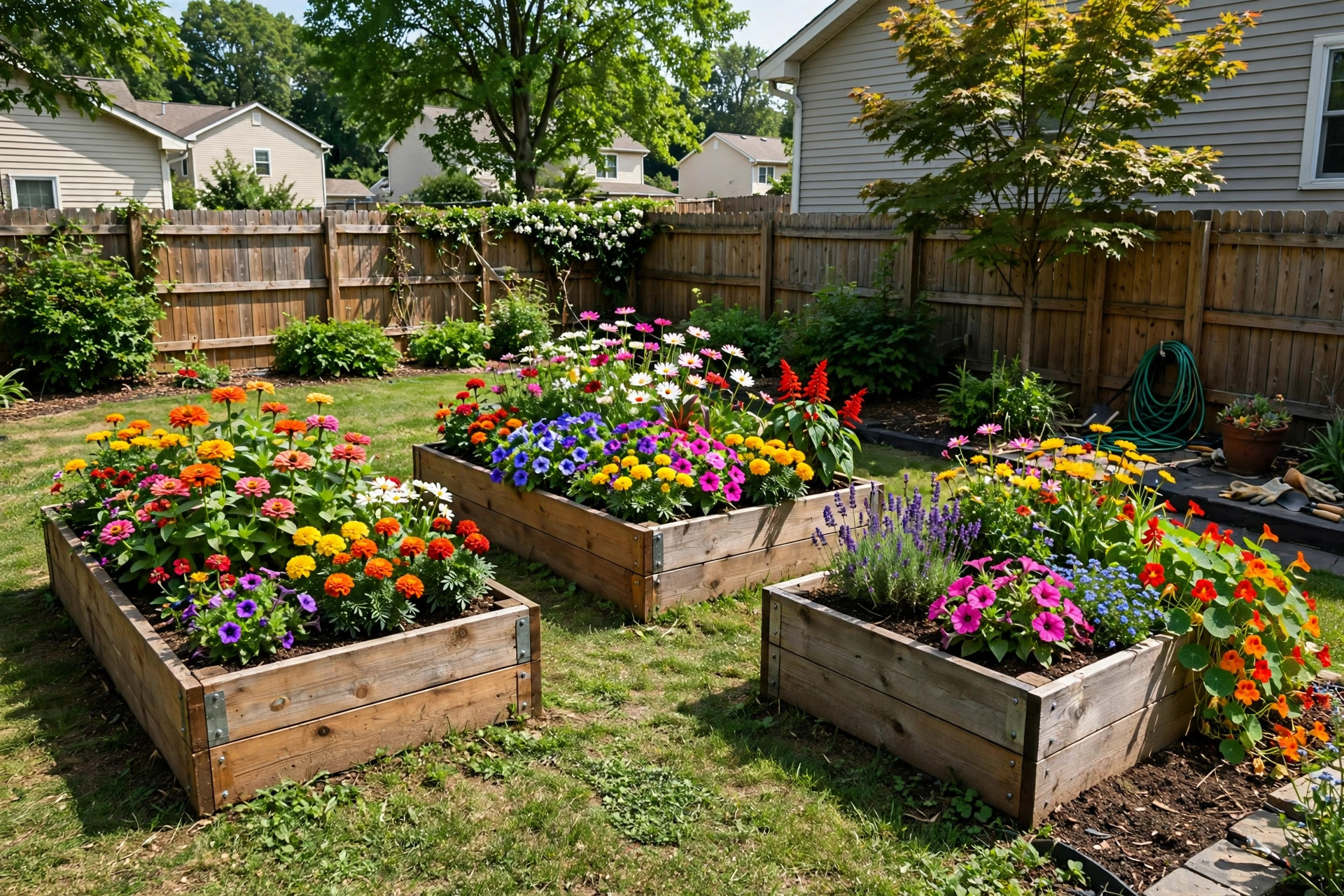
Many people want a flower garden but do not want to dig up their whole yard. Cheap raised flower bed kits online give them an easy way in. You order a kit, it arrives in a box, and you put it together in an afternoon. The whole job can cost less than a dinner out. This guide walks you through what these kits are, how to pick one, what they cost, and how to keep them in good shape for years.
Why Raised Beds Are Worth the Money
A raised bed is a box with no bottom. You set it on the ground and fill it with soil. Flowers grow inside the box. This simple idea solves a lot of problems at once.
First, the soil is better. Many yards have hard clay or poor sand. Flowers do not like either one. With a raised bed, you control what goes inside. You buy bags of good garden soil and fill the box with it. Your flowers get a fresh start from day one.
Second, the beds drain well. Water runs down through the loose soil instead of sitting on top. Most flowers hate wet feet. A raised bed keeps roots healthy even after heavy rain. That alone saves many plants.
Third, raised beds save your back. A bed that stands ten or twelve inches tall means less bending. Older gardeners love this. So do people with bad knees or stiff joints. A bed set on legs can stand waist high.
Fourth, raised beds warm up faster in spring. The sun hits the sides of the box and warms the soil inside. You can plant a week or two earlier than you could in open ground. In cold states, that head start matters.
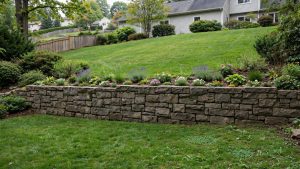
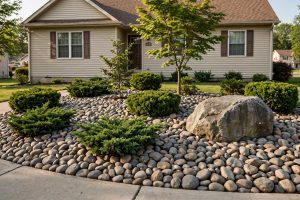
Finally, they look neat. A row of boxes gives a yard a clean, planned look. Mulch paths between the beds keep the area tidy. For ideas on dressing up the edges, see these edging flower beds with stone ideas.
Raised Beds Compared With Planting in the Ground
Planting in open ground costs nothing for the bed itself. But you may spend money on soil fixes, weed control, and pest work. A cheap kit costs little up front and can cut weed work by half or more. For most beginners, the kit wins on time and trouble.
Types of Raised Bed Kits You Can Buy Online: Cheap Raised Flower Bed Kits Online
Online shops list hundreds of kits. Nearly all of them fall into four groups. Each has its strengths.
Wooden Kits
Wood is the classic choice. Cedar and redwood last for years with no paint. Pine is cheaper but rots faster. Many kits come with boards that slide into corner posts, so no tools are needed. Wooden beds look warm and natural. They fit any style of yard, from cottage gardens to modern homes.
Metal Kits
Galvanized steel beds have become very popular. They are thin panels with safe rolled edges. You bolt or snap them together. Metal beds last longer than wood and cost about the same. They warm the soil fast in spring. Some owners paint the outside to match the house.
Plastic and Composite Kits
These are made from recycled plastic or a wood-plastic mix. They never rot. They are light to carry and move. The look is plain, but outdoor paint can dress them up. Prices are low, often the lowest of any hard-sided kit.
Fabric and Grow-Bag Kits
Fabric beds are the cheapest of all. They are thick felt bags shaped like boxes. The fabric air-prunes roots, which means plants grow strong root systems. They last two to four seasons. They are a fine way to try raised beds before you spend more money.
How to Choose the Right Kit
A good kit matches your space, your plants, and your budget. Think through these points before you click buy.
Pick the Right Size
The most common size is four feet by eight feet. You can reach the middle from either side. A four-by-four square works well in a small yard. Long narrow beds, two feet wide, fit along fences and walls. Measure your spot before you order. Leave at least two feet of walking room around each bed so you can work in comfort.
Think About Depth
Six inches is enough for shallow flowers like petunias and marigolds. Ten to twelve inches is better for most flowers and herbs. Deep beds of eighteen inches or more let you grow roses and small shrubs. Deeper beds need more soil, which adds to the cost. Match the depth to what you plan to grow.
Check the Material
Look at what the kit is made of and ask how long it should last. Cedar should last eight to ten years. Galvanized steel can last ten or more. Cheap pine may last only three. A kit that costs twice as much but lasts three times as long is the better deal in the end.
Plan for the Soil
Soil is the hidden cost of every raised bed. A four-by-eight bed that is ten inches deep needs about twenty-seven cubic feet of soil. That is roughly fourteen large bags. Buying soil in bulk from a local yard cuts the cost a lot. Plan this before the kit arrives so you can plant the same week.
Look for Easy Assembly
Read the reviews about assembly before you buy. The best kits need no tools at all. Snap or slide joints save time and frustration. Watch out for kits that need drilling or odd parts. If a seller shows a video of the assembly, watch it first.
What Cheap Raised Flower Bed Kits Cost
Prices change with sales and seasons, but here is a fair range for kits sold online in the United States.
Fabric grow-bag beds cost ten to twenty-five dollars. Small wooden kits of four by four feet run thirty to sixty dollars. A full four-by-eight cedar kit usually costs eighty to one hundred fifty dollars. Galvanized steel beds of the same size cost seventy to one hundred forty dollars. Plastic kits sit in the middle at fifty to one hundred dollars.
Watch for shipping costs. Some sellers offer free shipping, which matters a lot with heavy boxes. Others add twenty to forty dollars at checkout. A kit that looks cheap can turn costly once freight is added.
Late summer and fall often bring the best sales. Garden sellers clear out stock before winter. If you can wait a few months, you may save a third or more. Spring has the best stock but also the highest prices.
The Real Total Cost
Add the kit, the soil, and any mulch together. A four-by-eight cedar kit with bulk soil and mulch may run two hundred dollars all in. That sounds like a lot until you compare it with hiring a landscaper. A planted flower bed built by a professional can cost a thousand dollars or more. The kit is still a bargain by any measure.
Setting Up Your Kit, Step by Step
Setup is simple. Most people finish in one to three hours. Here is the order that works best.
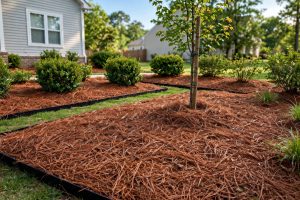
1. Pick a spot with six or more hours of sun. Most flowers need full sun to bloom well. 2. Clear the grass and weeds under the bed. Lay cardboard on the ground to smother what is left. 3. Put the kit together following the instructions. Make sure the corners are square. 4. Level the spot with a rake or a shovel. A wobbly bed is hard to fix later. Tool makers like Toro and Deere sell the basic hand tools most homeowners need. 5. Line the bottom with landscape fabric or hardware cloth if you worry about weeds or moles. Read about landscaping fabric under mulch pros cons before you decide which to use. 6. Fill the bottom half with cheap filler like logs or dry leaves if the bed is deep. Fill the top with good garden soil. 7. Water the soil well and let it settle overnight. Top it off the next day before planting. 8. Plant your flowers, spread two inches of mulch on top, and water again. For mulch choices, check guides to best mulch for flower beds bulk delivery.
Care and Upkeep
Raised beds ask for little work, but they do ask for some. A small routine keeps them at their best.
Water is the main job. Beds dry out faster than open ground. In hot weeks, water every day or every other day. A soaker hose or drip line saves time and puts water right at the roots. Morning watering is best. It keeps leaves dry and cuts down on disease.
Feed your flowers once or twice a season. A slow-release garden fertilizer mixed into the top soil works well. Compost is even better. A bucket of compost each spring feeds the bed for the whole year and builds the soil.
Weeds still show up, but far fewer than in open ground. Pull them when they are small. A two-inch layer of mulch holds most of them back.
Wood beds need a yearly check. Look for soft spots and loose corners in spring. Tighten screws and replace worn boards. A coat of linseed oil or outdoor wood sealer every few years adds life.
Metal beds need almost no care. Wash them down in spring and check that no sharp edge has come loose. That is about all they ask.
For bigger yard work around the beds, many homeowners rely on powered tools. Briggs & Stratton engines power many of the tillers and mowers used in American yards.
Safety Tips
Gardening is safe, but a few good habits keep it that way.
Lift soil bags with your legs, not your back. A cubic-foot bag can weigh forty pounds. Ask for help with the heavy ones.
Wear gloves when you handle soil and rough wood. Gloves stop blisters and keep dirt out of small cuts.
Read the label on any fertilizer or pest product. Keep such products away from children and pets. Store them high, dry, and locked if you can.
Check for buried wires or pipes before you dig deep. Call your local utility marking service if you are not sure. In many states the call is free and the law requires it.
Pressure-treated wood is a common worry. Modern treated wood is safe for flower beds. If you plan to grow food in the bed, use untreated cedar, metal, or a food-safe liner to be safe.
Frequently Asked Questions
How deep should a raised flower bed be? Ten to twelve inches suits most flowers. Shallow annuals like petunias are fine in six inches. Roses and small shrubs want eighteen inches or more of soil.
What is the cheapest material for a raised bed? Fabric grow bags cost the least. Among hard-sided beds, untreated pine kits are cheapest, but they rot fast. Galvanized steel gives the best mix of low price and long life.
Can I put a raised bed on grass? Yes. Lay cardboard over the grass first. The cardboard kills the grass and then breaks down into the soil. The bed sits right on top and works fine.
How much soil does a 4×8 bed need? A four-by-eight bed that is ten inches deep needs about twenty-seven cubic feet of soil. That is roughly fourteen two-cubic-foot bags. Buying soil in bulk from a local yard saves real money.
Do raised beds need drainage holes? No. The bottom is open to the ground, so water drains down on its own. Do not put a solid board under the bed. That traps water and rots the wood.
When is the best time to buy a kit online? Late summer and fall bring the deepest discounts as sellers clear stock. Spring has the best selection but the highest prices. If you find a winter sale, buy then and store the kit until spring.
A Final Word
Cheap raised flower bed kits online have opened gardening to people who never thought they could do it. You do not need land, skill, or big money. You need a sunny spot, a box, some soil, and an afternoon. Start small with one bed. Learn what grows well where you live. Next year you will know exactly what to add, and your yard will thank you for it.
References
Toro. (n.d.). Lawn care and outdoor equipment. https://www.toro.com Deere & Company. (n.d.). Lawn and garden equipment. https://www.deere.com Briggs & Stratton. (n.d.). Engines and outdoor power equipment. https://www.briggsandstratton.com
Was this guide helpful?

About Robert Taylor
The My Garden US editorial team writes practical, in-depth home and garden guides for American homeowners — tested advice, no fluff.