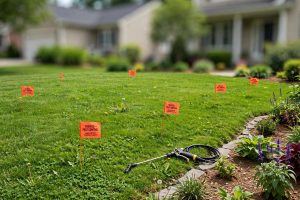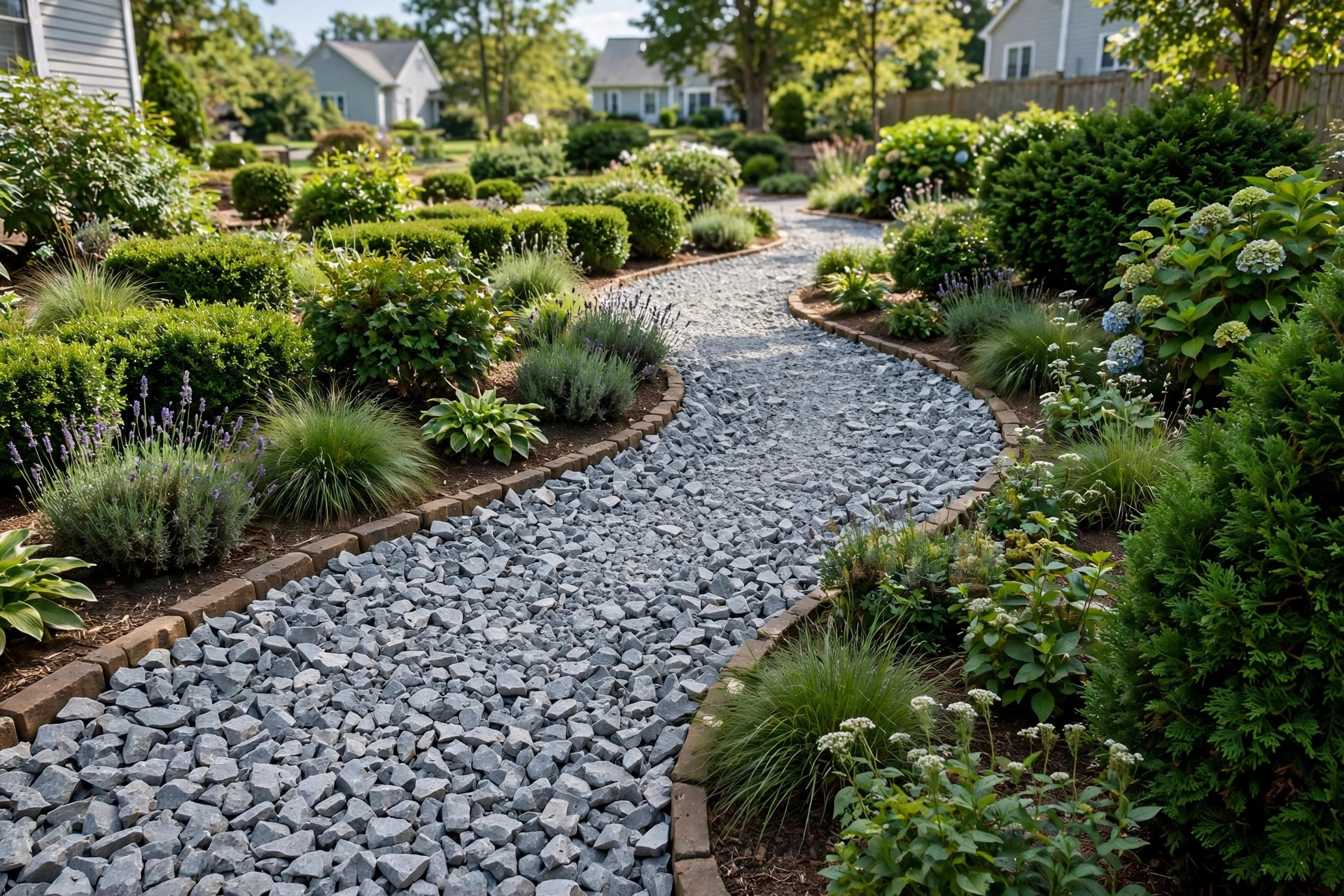

Every spring, millions of American homeowners look at a tired yard and ask the same question. They want a fresh look without a large bill. One of the best answers is crushed stone. It is strong, it lasts for years, and it can cost far less than pavers or poured concrete. If you type “cheap crushed stone for landscaping near me” into a search engine, you will see many choices. Quarries, stone yards, home stores, and delivery firms all want your business. This guide will help you sort through them. You will learn what crushed stone is, which type fits your project, where to buy it for less, and how to keep it looking good for years.
Why Crushed Stone Is a Smart Choice for Landscaping
Crushed stone is rock that has been broken by machines into small, sharp pieces. Because the edges are sharp, the pieces lock together. That makes a firm surface that does not shift like smooth round gravel. It drains water well, so puddles are rare. It does not rot, fade, or attract insects. A stone bed can last twenty years or more with very little care. Homeowners use it for beds, walkways, driveways, and edging. Compared with mulch, it never needs yearly replacement. A stone border also gives a robot lawn mower for half acre yards a clean line to follow.
What to Look for Before You Buy: Cheap Crushed Stone for Landscaping near Me
Not all stone is the same. A little knowledge before you shop will save you money and trouble later. Here are the main points to check.
Stone Types and Sizes
Crushed stone is sold by type of rock and by size. Limestone is the most common and usually the cheapest. It is light gray or white and packs down well. Granite is harder and comes in gray, pink, or black. It costs more but resists wear. River rock is smooth and pretty, but it is not truly crushed stone and it can shift underfoot.
Sizes are given as numbers. A #57 stone is about one inch across and is a popular all-purpose size. A #8 stone is about three-eighths of an inch and works well for paths. Screenings, also called fines, are tiny chips and dust that pack into a hard surface for driveways. For garden beds, a one-inch stone is usually the best pick because it stays in place and is easy to walk on.
Quality Signs
Good stone should be clean and dry, with sharp edges and little dust. Bagged stone at a store is often washed and sorted, but it costs much more per ton. Bulk stone from a quarry is cheaper, though it may hold some dust and fine dirt. A small amount of dust is normal and washes away with rain. Avoid stone that smells odd or looks oily. That can be a sign of waste fill, which you do not want near plants or children.
Ask the seller for the quarry source if you can. Local stone is often the cheapest because the hauling distance is short. That is one reason the words “near me” matter in your search. A stone yard ten miles away can beat a big store by a wide margin once delivery is counted.
Types of Crushed Stone and Their Uses
Different jobs call for different stone. Here is a simple map.
Crushed limestone. The workhorse. Use it for driveways, walkways, drainage beds, and garden borders. It packs tight and is usually the lowest price per ton.
Crushed granite. Harder than limestone and slower to break down. Use it where cars or heavy foot traffic will pass. It keeps its color for a long time.
Peas stone and pea gravel. Small round stones, not crushed. They look soft and natural in garden beds but shift underfoot, so they are better for looks than for paths.
Rip rap. Large chunky stone, six inches or more. Use it on slopes and ditch banks to stop soil from washing away. It is sold cheap in bulk at quarries.
Decomposed granite. Very fine crushed granite that packs into a firm, sandy surface. It is a good low-cost choice for patios in dry regions.
For most yard projects, plain crushed limestone or granite in a one-inch size is the right and cheapest choice. Save the fancy stone for small accent areas where looks matter most.
Where to Find Cheap Crushed Stone for Landscaping Near Me
Now we come to the main question: where do you actually buy it for less? You have four common sources, and prices can differ a lot between them.
1. Local quarries and stone yards. This is almost always the cheapest way to buy in bulk. Quarries sell by the ton or by the cubic yard, and many have a price list at the gate. A stone yard is a middle seller that stocks stone from several quarries. Both are used to selling to contractors, but most will sell to homeowners too. Call ahead and ask about minimum loads and delivery fees. Delivery can add a large part of the cost if you live far from the yard, so ask for the full price delivered.
2. Landscape supply firms. These are the garden-center style yards with bins of stone, mulch, and soil. Prices run higher than at a quarry, but you can buy small loads, such as a quarter yard or a few bags. This is a good choice for a small bed or a repair job.
3. Home improvement stores. Big stores sell bagged stone in half-cubic-foot and one-cubic-foot bags. It is the most costly way to buy per ton, often two to three times the quarry price. But it is handy for very small jobs where you need only a few bags and have no truck. If you go this route, compare the per-bag price against the per-ton price and do the math before you load up.
4. Online marketplaces and classified ads. Some contractors sell leftover stone from big jobs at a low price. Others list free fill dirt and stone when they clear a lot. These deals can be real bargains, but look at the stone in person before you pay. Mixed or dirty loads can cost you more in cleanup than you save.
A good rule: get three prices. Call two local yards and check one store price. Ask each one the same question: “What is the total price delivered for five tons of one-inch crushed limestone?” That one number lets you compare fairly. For yard tools to go with your new beds, maker sites like Toro and John Deere list local dealers who can also point you to area stone suppliers. For engines that power rented compactors and tampers, Briggs and Stratton keeps a dealer and parts list that helps you find service close to home.
How to Estimate Cost and Quantity
Guessing the amount of stone is a common and costly mistake. Too little means a second delivery fee. Too much means a pile in the driveway for months. Here is a simple way to get it right.
First, measure the area in feet. Multiply length by width to get square feet. Next, decide the depth in inches. Garden beds usually need three to four inches. Driveways need four to six inches over a firm base.
The math: square feet times depth in inches, divided by 324, gives cubic yards. So a bed that is 10 feet by 20 feet at 4 inches deep needs about 2.5 cubic yards. One cubic yard of crushed stone weighs about 1.4 tons. That bed would need about 3.5 tons.
Write the number down and add ten percent extra for settling and waste. Tell the yard your cubic yards or tons. They sell both ways and can help you check the math.
As for price, bulk crushed limestone at a quarry often runs from 25 to 45 dollars per ton, plus delivery. At a landscape yard, expect 40 to 75 dollars per ton. Bagged stone at a store can equal 100 dollars or more per ton when you do the math. Delivery fees often run 50 to 150 dollars per load, depending on distance. These are rough ranges, and prices move with fuel costs and local supply. Always get a fresh quote.
One more saving trick: ask about “crusher run” or “road base.” This is a mix of crushed stone and fines that packs very hard. It is often the cheapest product a quarry sells and works well as a base layer under prettier stone on top. You pay full price for less of the costly top stone and still get a firm path.
Care and Upkeep
Crushed stone is low care, but it is not no care. A few small habits keep it neat for years.
Lay a weed barrier fabric under the stone before you spread it. This is the single best step you can take. It stops weeds from growing up through the stone and keeps the stone from sinking into soft soil. Use a heavy woven fabric, not thin plastic. Pin the edges with landscape staples.
Top up thin spots once a year. Stone settles and washes slowly over time. One fresh bag or wheelbarrow load spread in spring keeps the bed full and level.
Rake it now and then. Leaves and dirt settle into the gaps between stones. A quick rake in fall and spring lifts debris to the surface where you can scoop it away. A leaf blower on a low setting works well too.
Keep edging in place. Stone creeps outward over time, especially on slopes. Metal or plastic edging, or a simple row of brick, holds the line and makes mowing easier. If you use ground cover plants near stone beds, read dwarf mondo grass ground cover reviews to pick a variety that stays low and does not drop heavy debris on your stone.
If weeds do appear, pull them when small or spot-treat with a garden-safe weed killer. Do not use strong chemicals near food gardens or where pets walk.
Safety Tips
Stone work is safe for most homeowners, but a few rules matter.
Wear gloves and eye protection when spreading and raking stone. Sharp edges can cut skin, and flying chips can hurt eyes. Lift with your legs, not your back, and take breaks. A full wheelbarrow of stone is heavy.
Keep the work site clear of children and pets while you unload and spread. Delivery trucks need room to swing and dump. Mark where you want the pile with paint or flags so the driver puts it in the right spot the first time.
If you rent a plate compactor to firm a path or driveway base, read the manual first and keep hands and feet clear of the plate. Small-engine tools are strong and simple, but they deserve respect.
Finally, think about drainage. Stone drains well, but it also sheds water fast. Make sure paths and beds slope gently away from the house foundation. Water should move toward the yard, not the basement.
Frequently Asked Questions
How much crushed stone do I need for a small garden bed? Measure length times width in feet, then multiply by depth in inches and divide by 324. That gives cubic yards. A 4-by-10-foot bed at 4 inches deep needs about half a cubic yard, or roughly three-quarters of a ton. Add ten percent extra.
Is crushed stone cheaper than mulch? Up front, stone costs more than a load of mulch. Over five years, stone is usually cheaper because mulch must be replaced every year or two. Stone lasts for decades with only small top-ups.
What is the cheapest type of crushed stone for landscaping? Crushed limestone is usually the lowest price per ton, followed by crusher run and road base mixes. Prices vary by region, so call local yards for quotes. Buying in bulk from a quarry is cheaper than buying bags at a store.
Can I spread crushed stone myself? Yes, for beds and paths it is a fine do-it-yourself job. You need a shovel, a rake, a wheelbarrow, and weed fabric. For a full driveway, consider hiring help or at least renting a compactor, since a firm base takes real effort.
Does crushed stone hurt plants? Plain limestone and granite are safe around most plants. Limestone can raise soil pH slightly over many years, which some acid-loving plants dislike. If you grow azaleas or blueberries nearby, keep stone a foot or two away from their roots and check soil pH once in a while.
Where can I get crushed stone delivery near me? Start with local quarries and landscape supply yards, which often deliver for a flat fee. Many also list crushed stone delivery near me options on their websites. Home stores deliver too, but the per-ton cost is higher. Always ask for the total delivered price before you order.
A Short Final Word
Finding cheap crushed stone for landscaping near me is mostly a matter of knowing where to look and how much to buy. Local quarries and stone yards beat bagged store prices by a wide margin. A tape measure, a simple formula, and three phone calls are all it takes to get a fair deal. Lay good fabric, spread the stone to an even depth, and edge it well. Then enjoy a yard that looks neat, drains clean, and needs little care for many years to come.
References
Briggs & Stratton. (n.d.). Engines and power products. https://www.briggsandstratton.com Deere & Company. (n.d.). John Deere. https://www.deere.com Toro. (n.d.). Outdoor power equipment. https://www.toro.com
Was this guide helpful?

About Jennifer Lee
The My Garden US editorial team writes practical, in-depth home and garden guides for American homeowners — tested advice, no fluff.
You May Also Like
Japanese Maple Tree for Front Yard: A Complete Planting and Care Guide
February 18, 2026 0 views
Buffalo Grass Seed for Texas Lawns: A Practical Guide for Hot, Dry Summers
January 31, 2026 0 views
How to Grow Grass in Shady Areas: A Simple Guide for Homeowners
April 6, 2026 0 views