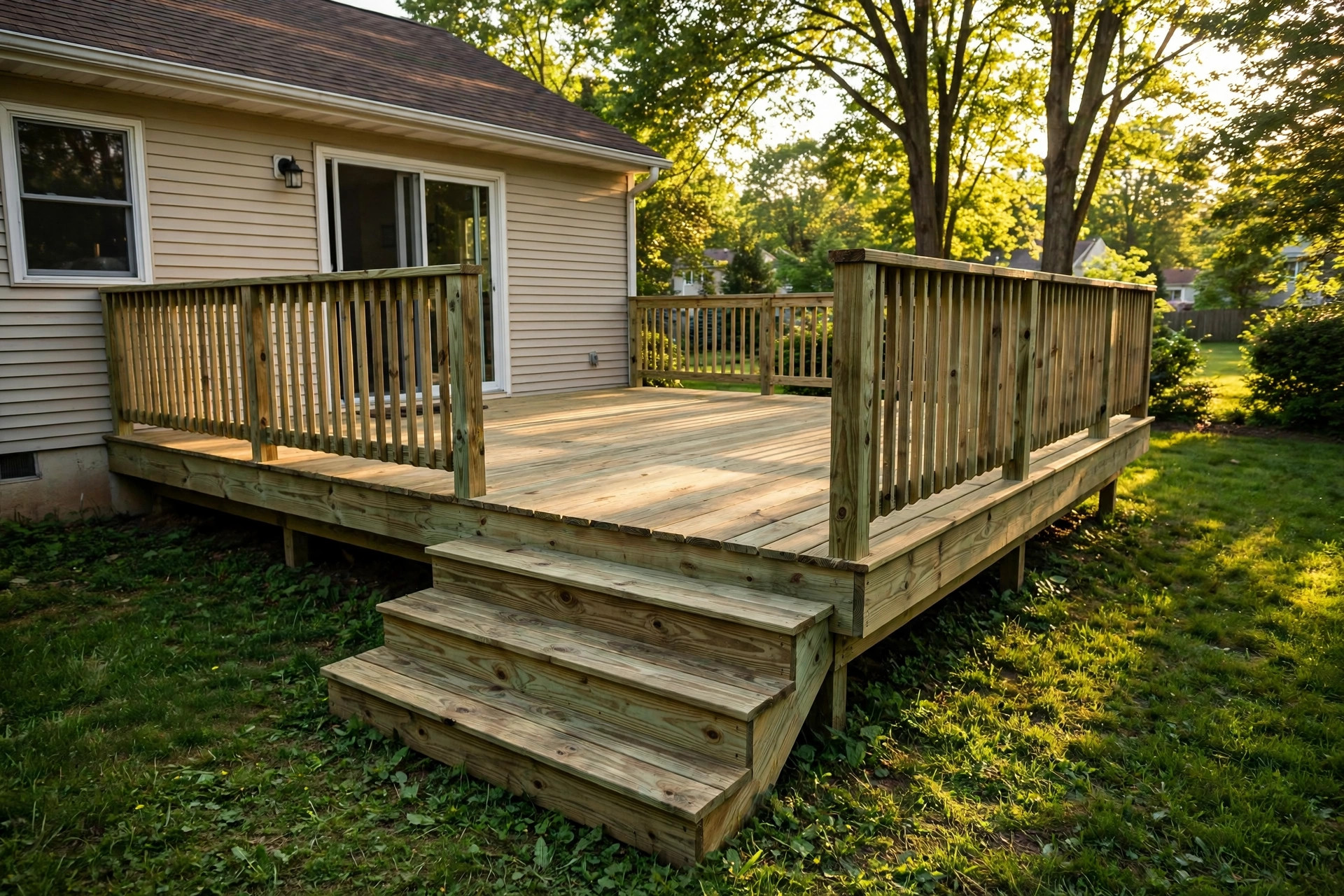

A deck gives a home new life. It is a place for morning coffee. It is a place for summer cookouts. It is a place where children play. Many families want this comfort. Many also worry about the cost. That is where budget friendly pressure treated lumber decking for sale comes in. It is the lowest cost way to build a real wood deck. Millions of American decks are made of it. The boards are strong. They resist rot and bugs. They last for years with simple care. This guide explains what to look for. It explains fair prices. It explains how to choose good boards. It explains how to care for them. By the end, you will know how to buy with confidence.
Why Pressure Treated Lumber Is Worth Your Money
Decks face hard weather. Sun beats down on them. Rain soaks them. Snow sits on them. Ordinary wood would fail fast. Pressure treated lumber is different. It is pine or fir that has been soaked with a preservative. The preservative goes deep into the wood fibers. It stops rot. It stops fungus. It stops termites and other boring insects. A treated deck board can last fifteen to twenty years. That is a long life for the money.
Cost is the main draw. Treated pine decking costs far less than cedar or redwood. It costs far less than composite boards. A family on a tight budget can still build a full deck. The savings matter. They let you build sooner. They let you build bigger. They leave room in the budget for rails and stairs. An affordable pressure treated lumber decking buying guide can help you compare choices before you shop.
The wood is also easy to work with. It cuts with normal saws. It takes screws and nails well. It stains and paints nicely. A homeowner with basic tools can build with it. A professional crew can build with it fast. Local yards stock it. Big stores stock it. You will not wait weeks for delivery. When you see budget friendly pressure treated lumber decking for sale at a local store, you can often load it the same day.
There is honest value here. A good stain changes the look. A warm cedar tone or a rich walnut color makes it handsome. The grain shows through. The deck looks warm and natural. For the price, few materials give this much.
What to Look For When You Shop: Budget Friendly Pressure Treated Lumber Decking for Sale
Not all boards are equal. A deck is a big purchase. It pays to look closely. Bring a simple plan when you shop. Know your deck size. Know the board lengths you need. Then check each point below.
Grade and Markings
Every treated board carries a stamp. The stamp tells the grade. Common grades are No. 1, No. 2, and economy. No. 1 has few knots. It is the cleanest. No. 2 has more knots. It is still sound. Economy grade has many knots and wane. It is the cheapest. For deck boards you walk on, choose No. 1 or No. 2. They look better. They are less likely to split. The price step up is small.
The stamp also tells the treatment level. Look for a rating like UC3B or above-ground use. Deck boards are above-ground lumber. The rating should match the job. End cuts need a field treatment too. Ask the store for a small bottle of end-cut preservative. Brush it on any cut you make. This keeps the protection full.
Board Condition
Wet boards are heavy. Fresh treated lumber is often wet from the treatment process. That is normal. But check for twist and warp. Lay a board on the flat store floor. Sight down its length. A slight bow is fine. A sharp twist is not. Pick the straightest boards. Straight boards make a flat deck. They screw down tight. They feel solid underfoot.
Look at the knots. Small tight knots are fine. Loose or missing knots are holes waiting to happen. Skip those boards. Check the ends for cracks. A little checking is normal in treated pine. Deep cracks that run far into the board are not. Take your time in the stack. The store lets you pick. Use that right.
Board Size and Length
Most deck boards are five-quarter by six inches. That is the common deck board size. Two-by-six boards also work. They are thicker and stronger. They cost a bit more. Longer boards cost more per foot but give cleaner runs. A sixteen-foot board spans far with few joints. Joints are weak spots. They collect water. They lift over time. Fewer joints mean a better deck. Buy the longest boards that fit your car or trailer.
Measure twice. A simple twelve by sixteen deck needs about fifty boards at sixteen feet. Add ten percent for waste and bad cuts. Waste is real. Every deck has some. A good plan cuts waste down. It also cuts cost. Many homeowners pair a deck project with other exterior upgrades. Buying in one trip saves delivery fees.
Types and Options for a Budget Deck
Pressure treated lumber comes in a few forms. Each has a place. Each has a price. Know the options before you buy.
Standard five-quarter deck boards are the common pick. They are made for walking surfaces. Their edges are rounded. They feel smooth. They come in eight, ten, twelve, and sixteen foot lengths. Prices are low. Most budget decks use these boards.
Two-by dimension lumber works for the frame. Joists, beams, and posts need strength. Two-by-eight and two-by-ten joists are common. Posts are often four-by-four or six-by-six. Treated lumber rated for ground contact is the right pick for posts. Ground contact boards have more preservative. They stand up to soil and moisture. Never set plain lumber in the ground. It will rot fast.
Some stores sell premium treated boards. These are kiln-dried after treatment. They are straighter. They shrink less. They cost more than wet stock. For a showpiece front porch, they can be worth it. For a backyard deck on a budget, standard stock is fine. Let it dry a few weeks before you stain it.
Pre-stained treated boards are another option. They come with a factory color. They cost more. They save you the staining job. If your time is worth more than the price gap, consider them. For pure budget, buy plain boards and stain them yourself. A five-gallon pail of deck stain covers a lot of deck. The job takes a weekend. The savings are real.
Cost and Price: What Fair Looks Like
Prices move with the market. Lumber prices rise and fall. Still, some rules hold. Treated deck boards are the lowest cost wood option. When you see budget friendly pressure treated lumber decking for sale, compare the price per linear foot. That is the fair way to compare. A board foot price hides the board width. A linear foot price tells the truth.
Watch for sales. Big stores run deck sales in spring. They also mark down stock in late fall. A fall sale can cut twenty percent off the price. If your project can wait, watch the flyers. Some stores price match. Bring a printed ad. Ask at the desk. Many will match a lower price from a rival yard.
Buy in bulk when you can. A full unit of boards costs less per board. Split it with a neighbor if you must. One delivery truck can serve two houses. Delivery fees run fifty to one hundred dollars. That is real money. Pick up the lumber yourself if you have a trailer. Tie it down well. Wet boards are heavy and slick.
Do not forget the small parts. Screws, hangers, flashing, and stain add up. Use coated deck screws or hidden clips. Use galvanized hangers. Use proper flashing where the deck meets the house. These parts protect your deck. Skimping on them is false economy.
Care and Upkeep
A treated deck asks for little. Give it that little and it lasts. Skip it and it ages fast. The main jobs are cleaning and sealing.
Clean the deck each spring. Sweep off leaves and dirt. Wash with a deck cleaner and a stiff brush. A pressure washer works too. Keep the pressure low. High pressure tears the wood fibers. Work with the grain. Rinse well. Let the deck dry for two or three days.
Seal or stain the deck. New boards need time first. Fresh treated lumber is wet. Stain will not stick to wet wood. Wait four to eight weeks after building. Test with a drop of water. If the water soaks in, the wood is ready. If it beads up, wait longer. Then apply a good deck stain or sealer. Water repellent types work well. They shed rain. They slow sun damage. They keep the wood from graying.
Recoat every two to three years. The sun breaks stain down. Foot traffic wears it thin. A fresh coat is cheap insurance. Clean first. Let dry. Apply thin coats. Two thin coats beat one thick coat. The wood drinks the stain in. The finish lasts longer.
Check the frame once a year. Look under the deck. Check joists for soft spots. Check posts where they meet the ground. Check the ledger board at the house. Tighten loose screws. Replace a bad board fast. One rotten board can spread trouble. Small fixes now stop big repairs later.
Keep plants off the deck surface. Planters trap water. They stain the boards. They rot the wood under them. Use plant stands with feet. Keep grills on a mat. Grease stains are hard to remove. A simple mat saves the finish.
Safety Notes
Decks must be safe. People gather on them. Children run on them. A few rules keep everyone safe.
First, check local codes. Most towns require a permit for a deck. The code sets the footing depth. It sets the rail height. It sets the stair rules. Follow them. A permitted deck is an inspected deck. Inspections catch mistakes. They protect your family. They protect the next owner too.
Second, build the frame strong. Use the right joist size for the span. Space joists no more than sixteen inches apart. Use metal hangers at every joist. Bolt the ledger to the house with lag screws or bolts. Nails alone are not enough. A ledger failure is the most common deck collapse. Take this joint seriously.
Third, keep the surface safe. Sand splinters smooth. Drive screw heads flush. Keep the deck clear of ice in winter. Wet treated pine can be slick. A textured stain adds grip. Add rail lights for night use. Stairs need a handrail. Open sides need a guard rail. The common rule is thirty inches. If the deck is higher than that, rails are a must.
Fourth, mind the chemicals. Treated lumber is safe for decks. Still, do not burn scraps. Do not use scraps for garden beds with food plants. Wash your hands after cutting. Wear a dust mask when sawing. Wear gloves when handling. Sawdust from treated wood belongs in the trash. Sweep it up. Keep pets and children away while you cut.
Frequently Asked Questions
How long does budget friendly pressure treated lumber decking for sale last on a real deck? With fair care, fifteen to twenty years is normal. The deck boards may need replacement before the frame. The frame often lasts longer. Cleaning and staining on schedule is the key. A neglected deck may fail in ten years. A cared-for deck can push past twenty.
Is pressure treated lumber safe to walk on with bare feet? Yes. Once the boards are dry and sealed, they are fine. Sand the boards lightly before sealing. This removes splinters. A smooth sealed surface feels good underfoot. Let new boards dry fully before you stain them. Wet boards can feel rough.
Can I paint pressure treated decking instead of staining it? You can. Paint gives full color cover. It hides the grain. It needs more prep. The wood must be clean and dry. Use a primer made for treated wood. Then use a porch and floor paint. Know that paint can peel on decks. Stain soaks in and wears more gently. Many owners prefer stain for this reason.
Why do some treated boards twist after I buy them? The boards were wet when you bought them. As they dry, they move. This is normal. Stack boards flat with spacers. Keep them out of full sun. Use them within a week or two. Screw them down tight. Fasteners hold them straight. Kiln-dried boards move less but cost more.
How soon can I stain new pressure treated deck boards? Wait until the wood is dry. Four to eight weeks is common. Test with water. Drip water on the board. If it soaks in within minutes, stain it. If it beads, wait. Staining wet wood traps moisture. The finish will peel. Patience here pays off for years.
Is pressure treated lumber the cheapest decking choice? For real wood, yes. Treated pine beats cedar and redwood on price. It beats composite and PVC by a wide margin. The trade is upkeep. Composite needs less care. But for a family watching the budget, treated pine wins. The money saved can go to rails, stairs, or a good stain.
A Short Final Word
A deck should not be a dream that waits for years. Budget friendly pressure treated lumber decking for sale puts it within reach. The boards are strong. The price is fair. The work is honest. Choose straight boards. Build the frame right. Stain on time. Your deck will serve your family for years. Start with a simple plan. Shop with care. If you want the whole yard to match, a home exterior design service can help. Build with pride.
For more background, see James Hardie, CertainTeed, and This Old House. For more background, see Bob Vila, Family Handyman, and The Spruce. Buying guides are also published by The Home Depot and Lowe’s.
References
Bob Vila. (n.d.). Home improvement advice. https://www.bobvila.com CertainTeed. (n.d.). Building materials and exterior products. https://www.certainteed.com Family Handyman. (n.d.). DIY home repair and maintenance. https://www.familyhandyman.com James Hardie. (n.d.). Fiber cement siding and exterior products. https://www.jameshardie.com Lowe’s. (n.d.). Home improvement products. https://www.lowes.com The Home Depot. (n.d.). Home improvement products. https://www.homedepot.com The Spruce. (n.d.). Home and garden advice. https://www.thespruce.com This Old House. (n.d.). Home renovation guidance. https://www.thisoldhouse.com
Was this guide helpful?

About David Wilson
The My Garden US editorial team writes practical, in-depth home and garden guides for American homeowners — tested advice, no fluff.
You May Also Like
Low Maintenance Seamless Gutter Guards Buying Guide
January 26, 2026 0 views
Budget Friendly Pergola Installation Kits with Free Shipping: A Homeowner’s Guide
April 9, 2026 0 views
Budget Friendly Exterior Stair Railings for Cold Climates
July 29, 2026 0 views