

A backyard pool brings joy on hot summer days. It also brings risk. Each year, hundreds of children in the United States drown in home pools. Many of these events happen in silence. There is no splash and no cry for help. A fence is a good first step. But a fence alone is not enough. A pool alarm adds a second layer of defense.
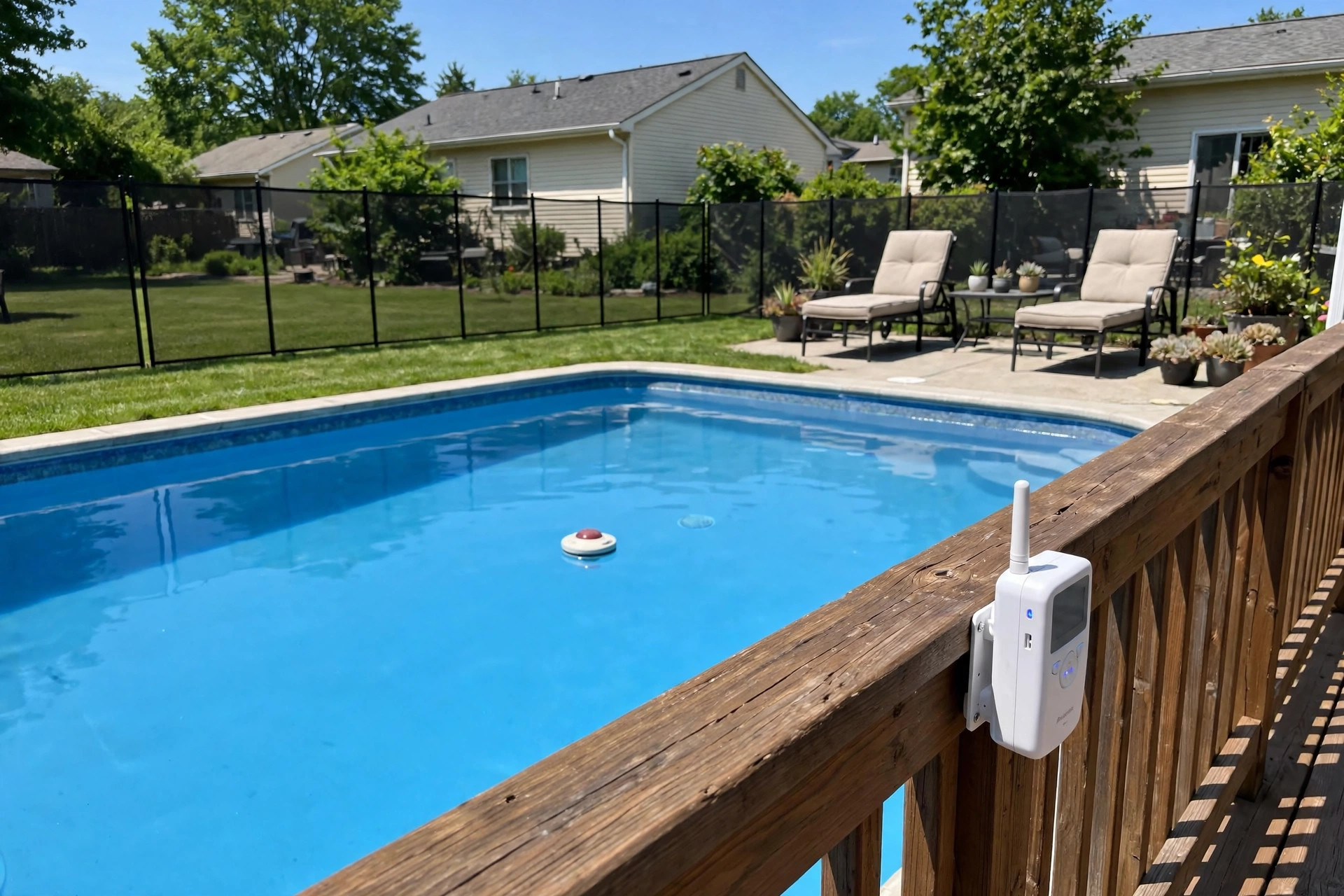
The best pool alarm with remote receiver does more than make noise at the pool. It sends the alert inside the house. The remote receiver sits on a counter or a wall. When the sensor at the pool trips, the receiver sounds off in the home. This matters on a busy day. You may be in the kitchen or the laundry room. The sound from the pool edge may not reach you. The receiver solves that problem.
This guide explains what a pool alarm with remote receiver is. It covers the main types. It shows how to choose one. It covers cost, upkeep, and safety rules. The goal is simple: help you pick a unit that fits your pool and your family.
Why a Pool Alarm Matters
Water is a draw for small children. A toddler can slip out of a door in seconds. Gates can be left open by accident. Alarms catch what eyes miss. They sound the moment something enters the water or crosses the pool edge.
Many states and cities now require pool alarms. Florida, California, and several other states have laws on the books. The U.S. Consumer Product Safety Commission urges families to use layers of protection. An alarm is one of those layers. It does not replace watchful care. It buys precious time.
A remote receiver makes the alarm more useful. Pool-side sirens can be hard to hear from inside. Wind, traffic, and closed windows block sound. A receiver in the house removes that doubt. Some models can pair with more than one receiver. You can place one in the kitchen and one in a bedroom. That way, someone always hears the alert.
How a Pool Alarm With Remote Receiver Works: Best Pool Alarm with Remote Receiver
The setup has two parts. The first part is the sensor. It sits in the pool or at the gate. The second part is the receiver. It sits inside the home. The two parts talk by radio signal.
When the sensor detects movement in the water, it sends a signal. The receiver picks up the signal and sounds an alarm. Many models also flash a light. Some receivers can be set to a soft beep for routine alerts and a loud siren for danger. The range is often 200 to 300 feet. That covers most homes and yards.
Batteries power most units. The sensor takes batteries or a solar charge. The receiver plugs into a wall outlet or takes batteries. Low battery warnings are common. Check the batteries at the start of each swim season.
What to Look For When You Buy
Detection Type
Some alarms sense waves in the water. Others sense when a gate opens. The best pool alarm with remote receiver for your home depends on your pool. A wave sensor works well for inground pools. A gate sensor works well if your main risk is the fence gate.
False Alarms
Wind can set off a cheap wave sensor. This trains people to ignore the alarm. Look for models with adjustable sensitivity. Read reviews about false alarms before you buy. A unit that sounds off all day will soon be switched off. That defeats the purpose.
Range and Sound Level
The receiver must reach from the pool to the house. Check the stated range. Then allow for walls. Brick and concrete cut the signal. A louder siren is better. Look for at least 85 decibels at the receiver. Some units reach 100 decibels or more.
Power and Battery Life
Battery changes in the middle of summer are a chore. Look for long battery life. Solar-assisted sensors are a plus. The receiver should have a battery backup. Storms can knock out power. The alarm must work then too.
Ease of Use
You will need to arm and disarm the unit each day. A single button press is best. Look for a clear on and off switch. Some models have a remote control for arming from the house. That is a nice extra for cold mornings.
Main Types of Pool Alarms
Floating Wave Sensors
These units float on the water surface. They sense waves from a falling object or a swimmer. They are easy to install. You drop them in the pool. Many come with a remote receiver. They work best in calm pools. They do not work in spas with running jets.
Subsurface Sensors
These units mount below the water line. They sense pressure changes in the water. Wind does not set them off. They cost more than floating units. Many pool owners prefer them for this reason. Fewer false alarms means more trust in the system.
Gate and Door Alarms
These units attach to the pool gate or the house door that leads to the pool. They sound when the gate opens. They are cheap and simple. They do not sense entry into the water itself. Use them with a water sensor for full coverage.
Wristband and Wearable Alarms
Some systems use a band worn by the child. The alarm sounds when the band gets wet. These are useful for toddlers. The band must fit well. A loose band can slip off. This type works best as an extra layer, not the only layer.
If you own a spa, note that most wave alarms will not work there. For spa safety, a best pool alarm for child safety unit designed for pools may need to be paired with a locking spa cover. Check the maker’s guide before you buy.
Cost and Price Range
Prices vary by type and brand. Floating alarms with a remote receiver run from about 100 to 200 dollars. Subsurface units run from 150 to 300 dollars. Gate alarms are the cheapest. They cost 20 to 60 dollars each.
Installation adds to the cost for subsurface units. Some need a pool pro to mount them. Expect 50 to 150 dollars for labor. Floating and gate units need no pro. You can set them up in minutes.
Think of the alarm as part of a safety budget. A good fence may cost thousands. The alarm is a small share of that. Do not buy the cheapest unit just to save a few dollars. A reliable alarm is worth the extra cost. Retailers such as Home Depot carry a range of models so you can compare prices in one place.
Care and Upkeep
An alarm only works if it is on and in good shape. Make these steps part of your routine.
Test the alarm once a week during swim season. Drop a small ball in the pool and listen for the receiver. If the sound is weak, check the batteries.
Clean the sensor housing. Leaves and dirt can block the sensor. Rinse it with clean water. Do not use harsh chemicals.
Store floating units indoors in winter if you close the pool. Cold can crack the housing. Remove the batteries for the off season. This stops leaks that can ruin the contacts.
Check the radio link each month. Walk to the far end of the house with the receiver. Make sure it still picks up the signal. Walls and new appliances can cut range.
Replace batteries on a set schedule. Do it at the start of each season even if the unit still works. Fresh batteries are cheap insurance.
Safety Rules That Go With the Alarm
An alarm is a tool. It is not a guard. Keep these rules in place at all times.
Watch children near water without a break. Put the phone down. Drowning is fast and quiet. No alarm replaces a watching adult.
Keep the pool fence locked. Self-closing gates are best. The alarm is the backup, not the main plan.
Teach children to swim. Lessons lower the risk. They do not remove it. Young children still need close watch even after lessons.
Keep rescue gear by the pool. A reaching pole and a life ring should be within arm’s reach. Learn basic rescue and CPR. Classes are short and worth the time.
Never leave the pool cover off when the pool is not in use if small children live in the home. A best pool cover for winter reviews guide can help you pick a sturdy cover, and a locking cover adds one more barrier.
The U.S. Consumer Product Safety Commission runs a pool safety campaign with free checklists. Print one and post it near the back door. It is a good reminder for the whole family.
How to Install Your Alarm
Most floating alarms need no tools. Fill the pool to the normal level. Place the unit in the water near the center. Turn it on. Walk to the house and place the receiver. Test it.
Subsurface units need more care. Turn off the pool pump first. Mount the sensor per the manual. Keep it below the skimmer line. Connect the wire to the control box. Then test.
Gate alarms stick or screw to the gate frame. Mount them high, out of a child’s reach. Test the gate ten times. The alarm should sound each time the gate opens. If your pool has a deck entry, a best pool ladder for above ground setup with a locking ladder can add one more barrier at the steps.
For all types, test from inside the house. Close the doors and windows. Run the washing machine and the TV. The alarm must still be heard. If not, move the receiver or add a second one.
Common Mistakes to Avoid
One common error is turning the alarm off for a party and never turning it back on. Make a rule. The last person out of the pool resets the alarm. Put a sign on the back door as a reminder.
Another error is placing the receiver in a room no one uses. The receiver must be where people are. The kitchen and the living room are good spots. A receiver in a spare room does little good.
Some owners buy a unit with too short a range. Measure the distance from the pool to the house. Add extra for walls. Buy a unit rated for more than that distance.
Do not mix alarm types without reading the manual. Some sensors clash on the same radio band. Buy a matched set from one maker when you can.
Pool Alarm and Local Laws
Some states require alarms on new pools. Others require them when a home with a pool is sold. Rules change by city and county. Call your local building office before you buy. Ask what type of alarm the code calls for.
Keep the receipt and the manual. Some insurers ask for proof of a working alarm. A working alarm may lower your home insurance cost. Ask your agent. The savings can offset the price of the unit in a year or two.
If you rent out your home, the rules may be stricter. Vacation rentals with pools face added duties in many states. Check the law before you list the property.
Where to Learn More
Pool supply stores are a good place to see units in person. Leslie’s Pool Supplies stocks alarms and can answer setup questions. Online guides at Swim University explain pool care in plain steps. For broad buying advice, The Spruce tests home products and posts clear reviews. Hot tub owners may also browse Hot Spring Spas and Bullfrog Spas for safety gear made for spas. Pool Warehouse lists parts and accessories with clear specs.
Frequently Asked Questions
Do pool alarms really work?
Yes, when they are set up right. A good alarm sounds within seconds of a person or large object entering the water. It is one layer of defense. It works best with a fence, a locked gate, and watchful adults.
How far will the remote receiver work?
Most units reach 200 to 300 feet in open air. Walls cut the range. Test the link in your own home. If the signal is weak, move the receiver closer or add a second receiver.
Will wind set off a floating alarm?
It can. Cheap units are prone to false alarms. Models with adjustable sensitivity do better. Subsurface sensors are the best fix for windy yards. They sense pressure, not surface waves.
Can I use a pool alarm in a hot tub?
Most wave alarms are not made for hot tubs. Jets and bubbles cause false alarms. Use a locking spa cover instead. Some makers sell alarms built for spas. Read the manual to be sure.
How long do the batteries last?
It varies. Floating units often run a full season on one set of batteries. Gate alarms can last longer. Check the manual for the rated life. Replace batteries at the start of each season.
Is a pool alarm required by law?
It depends on where you live. Several states require alarms on residential pools. Many cities add their own rules. Call your local building office to learn the code for your address.
A Short Final Word
The best pool alarm with remote receiver is the one that fits your pool, reaches your house, and stays switched on. Pick a trusted type. Test it often. Keep the receiver where you can hear it. Pair it with a fence, locked gates, swim lessons, and steady watch. No single device can keep a pool safe. Layers of care can. Spend an afternoon on setup now. It may matter more than you know later.
References
Bullfrog Spas. (n.d.). Hot tubs and spas. https://www.bullfrogspas.com Hot Spring Spas. (n.d.). Hot tubs and spas. https://www.hotspring.com Leslie’s Pool Supplies. (n.d.). Pool supplies and equipment. https://www.lesliespool.com Pool Warehouse. (n.d.). Pool equipment and supplies. https://www.poolwarehouse.com Swim University. (n.d.). Pool and hot tub care guides. https://www.swimuniversity.com The Home Depot. (n.d.). Home improvement products. https://www.homedepot.com The Spruce. (n.d.). Home and garden advice. https://www.thespruce.com U.S. Consumer Product Safety Commission. (n.d.). Product safety information. https://www.cpsc.gov
Was this guide helpful?

About David Wilson
The My Garden US editorial team writes practical, in-depth home and garden guides for American homeowners — tested advice, no fluff.
You May Also Like

Fiberglass Pool Installation Cost in the USA: What to Expect
March 19, 2026 0 views
Best Pool Cover for Inground Winter: How to Pick the Right One
August 7, 2026 0 views
Best Pool for Kids Safety Features
January 28, 2026 0 views