Most Texas homes hold two things that test window coverings: strong sun and lively pets. Dogs press their noses to the glass and paw at hems when something moves outside. Cats treat a long curtain as a ladder. The best pet friendly curtains for Texas homes must resist claws, shed fur without holding it, and block harsh afternoon heat. This guide explains which fabrics hold up, which styles cause the fewest problems, and what you should expect to pay. A wise choice now can save you the cost of new panels every year.
Why Pet Friendly Curtains Matter in Texas Homes
Texas sun is fierce for much of the year. Rooms that face west can feel like ovens by late afternoon. Curtains do real work here. They block glare, protect furniture from fading, and cut the load on the air conditioner. When pets live in the home, that work gets harder. A large dog can pull a grommet panel off its rod with one excited leap. A cat can shred a thin panel in a single afternoon.
Standard curtain advice often ignores animals. It speaks of silk, velvet, and hems that puddle on the floor. Those fine fabrics have no place in a house with claws. Pet owners need panels that wash well, hide fur, and do not invite climbing. The right pick looks as good as any other curtain. It simply works harder.
The stakes are higher than looks alone. A torn panel lets in heat that the air conditioner must fight. A cord left dangling can harm a curious kitten. A rod that falls can hurt a small dog. Good curtains in a pet home are a matter of comfort and safety both.
What to Look for When You Choose: Best Pet Friendly Curtains for Texas Homes
Fabric
Fabric is the single most important choice. Tight weaves resist claws better than loose ones. Canvas, duck cloth, and heavy cotton duck are strong and plain, and they wash well. Microfiber is another good pick. Its fibers are fine and close together, so claws find little to catch, and fur shakes off with ease.
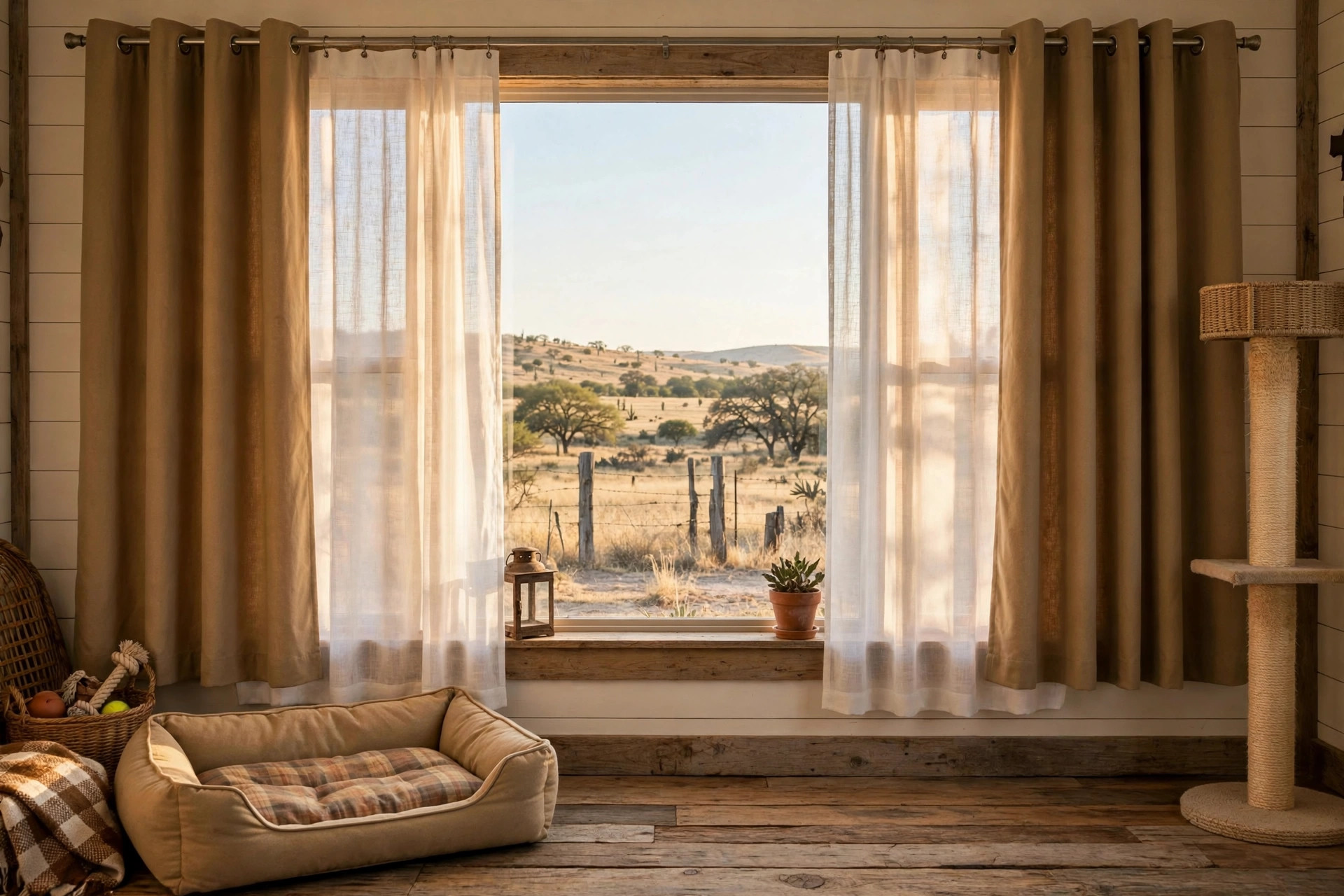
Avoid silk and loose-weave linen. A cat can pull one thread and ruin a whole panel. Avoid thin sheers as main panels if you own a jumper. Many owners layer their windows: a strong outer panel for looks and a simple inner liner for sun control. That way the layer the pet touches is the tough one.
Color and Pattern
Match the curtain to the color of your pet’s fur. Light fur shows less on cream and tan. Dark fur blends with charcoal and navy. Small patterns hide hair between washings better than solid colors. A busy print can make a lived-in home look neat for weeks, even when the dog sheds daily.
Length and Hang Style
Floor-length panels that puddle on the ground are an open invitation. Dogs lie on them. Cats climb them. Panels that end just above the sill, or just at the sill, keep fabric away from paws. Café curtains, which cover only the lower half of the window, work well in kitchens and laundry rooms where pets pass often.
Rod pockets are simple, but rings with clips make panels easy to take down for washing. Tab tops can tempt chewing puppies. For wide windows, a traverse rod with sturdy carriers spreads weight well. Home improvement stores such as Home Depot and Lowe’s carry all these parts, and staff there can help you match rod weight to panel weight.
Types of Curtains That Work Well With Pets
Short café curtains. These cover part of the window and stay out of reach. They suit kitchens, baths, and hallways where pets pass often. They cost little and wash fast.
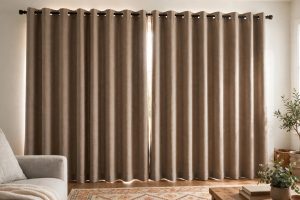
Grommet-top panels in tight-weave cotton. The grommets slide open with a smooth pull, so a dog that noses the curtain aside does little harm. The tight weave resists snags, and the panels hang with a clean, modern look.
Blackout panels for hot rooms. Texas bedrooms face a special problem: bright morning sun and warm air that builds all day. Blackout panels with a foam back cut light and some heat. Hang them on rings so you can pull them open wide during the day. Guides for budget friendly noise reducing curtains often describe the same heavy construction as pet friendly blackouts, so advice for one helps with the other.
Thermal white linen curtain panels. Light-colored thermal panels reflect heat and brighten a room at the same time. Thermal white linen curtain panels are easy to find in standard sizes, and the thermal backing adds body that discourages climbing.
Outdoor-rated curtains for sunrooms. Sunrooms and enclosed patios take direct sun and heavy pet traffic. Curtains made for outdoor use resist fading and wash down with a hose. Many owners bring them inside for high-traffic family rooms where nothing else survives.
Skylight shades. Some Texas homes have skylight windows in kitchens and baths. Pets cannot reach them, which makes them safe by design. If you are shopping for these, notes on where to buy skylight blackout blinds in California also point to national retailers that ship to Texas.
Valances. A valance covers only the top of the window. It adds color and shape with almost no fabric for pets to reach. Pair it with a simple shade below for privacy.
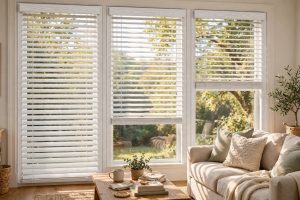
Cellular shades as a pet-safe partner. Honeycomb shades mount inside the frame and sit flat against the glass. Most models are cordless by design, which suits pet homes well. Pair them with short decorative side panels to keep the soft look of curtains without the long fabric that pets can reach.
Cost and Price Guide
Prices run wide. Ready-made panels from IKEA and Wayfair often cost between twenty and sixty dollars a pair. These are a fine start for a rental or a first home with a new puppy. Mid-range panels from Blinds.com or department stores run sixty to one hundred fifty dollars a pair and use heavier fabric.
Custom panels cost more but fit odd windows and hold up longer. Consumer Reports notes that price alone does not prove quality, so read the fabric content before you buy. A cotton duck panel at forty dollars may outlast a silk blend at two hundred in a pet home.
Thermal and blackout backings add ten to thirty dollars a pair. They pay back in lower cooling bills during a long Texas summer. Buy one extra panel when you find a style you like. If a dog tears one, you can replace it without hunting for a matching dye lot.
Watch for seasonal sales. Curtain panels go on sale in January and again in late summer when stores clear old stock. Buying off-season can cut the bill by a third. Measure every window twice before ordering. Panels that fit right the first time save the cost and trouble of returns.
Care and Upkeep
Wash pet curtains more often than guest-room curtains. Every four to six weeks is a fair rhythm in most homes. Shake panels outside first to drop loose fur. Use a gentle cycle and cold water unless the label says otherwise. Tumble dry on low or hang to dry to keep the shape.
A lint roller near the window keeps things tidy between washes. For microfiber, a damp cloth picks up fur fast. Vacuum the rod and rings now and then. Dust and fur collect on hardware and grind into moving parts over time.
Trim your pet’s nails on a regular schedule. Short nails do far less damage than long ones. Give cats a tall scratching post near the window they love. Many cats climb curtains only because no better post stands near. The Spruce offers simple care guides for keeping washable fabrics fresh for years.
Repair small snags right away. A single pulled thread can run the length of a panel if a cat keeps working it. A needle and matching thread fix most small pulls in minutes, and fast repairs keep a small flaw from becoming a ruined panel.
Keep a small basket near the window with a lint roller, a spare clip ring, and a needle with thread. If a panel loses a grommet, most hardware kits sell single replacements, so you need not buy a whole new set for one small part.
Safety for Dogs, Cats, and Children
Cords are the real danger. The U.S. Consumer Product Safety Commission warns that cords on window coverings can strangle small children and pets. Choose cordless panels or tie cords high and out of reach. Many retailers now sell only cordless or wand-operated styles for homes with children.
Keep tiebacks loose or skip them. A curious cat can slip a paw or neck through a tight tieback loop. Mount rods with strong brackets and wall anchors. A heavy panel that falls on a small dog is no small thing. HGTV design pages often show how to anchor rods in drywall, and the method works for any home.
Check that curtain hardware has no sharp edges. Cheap finials can have rough seams that cut a paw. Feel each piece before you hang it. Keep houseplants away from curtain edges. Some common plants are toxic to cats and dogs, and curtains can brush leaves within reach of a chewing pet.
Frequently Asked Questions
What fabric is best for curtains in a home with dogs? Tight-weave cotton duck, canvas, and microfiber lead the list. They resist claws, release fur, and wash well. Avoid silk, velvet, and loose weaves that snag.
Are blackout curtains safe for pets? Yes, in most cases. Hang them on rings or a smooth rod so pets can push them aside without damage. Make sure cords are cordless or out of reach. Foam-backed blackouts can crumble with age, so replace worn panels.
How do I keep cat hair off my curtains? Choose a curtain color close to your cat’s fur. Shake panels outside once a week. A damp rubber glove run down the fabric lifts hair fast. Wash every month or so for best results.
Should curtains touch the floor in a pet home? No. Panels that end at or just below the sill stay cleaner and tempt fewer climbers. Save floor-length puddling for rooms that pets do not enter.
Do pets chew curtain cords? Puppies chew almost anything, and cords are no exception. The safest choice is a cordless style. If you already own corded panels, wrap the cords on a cleat mounted high on the frame.
Can curtains really lower cooling bills in Texas? Yes. Light-colored or thermal-backed panels cut solar heat through the glass. Many Texas homeowners notice a clear drop in afternoon room temperature once the right panels go up.
A Final Word
The best curtains for a Texas home with pets are not the most costly. They are the most practical. Pick a tight weave, a fur-friendly color, and a length that keeps fabric off the floor. Hang panels on hardware that comes down easy for washing. Do these few things, and your windows can stay neat through years of wagging tails and climbing cats.
References
Blinds.com. (n.d.). Window blinds, shades, and shutters. https://www.blinds.com Consumer Reports. (n.d.). Product reviews and ratings. https://www.consumerreports.org HGTV. (n.d.). Home and garden ideas. https://www.hgtv.com IKEA. (n.d.). Home furnishings. https://www.ikea.com Lowe’s. (n.d.). Home improvement products. https://www.lowes.com The Home Depot. (n.d.). Home improvement products. https://www.homedepot.com The Spruce. (n.d.). Home and garden advice. https://www.thespruce.com U.S. Consumer Product Safety Commission. (n.d.). Product safety information. https://www.cpsc.gov Wayfair. (n.d.). Furniture and home goods. https://www.wayfair.com
Was this guide helpful?

About Sarah Mitchell
The My Garden US editorial team writes practical, in-depth home and garden guides for American homeowners — tested advice, no fluff.