
Introduction
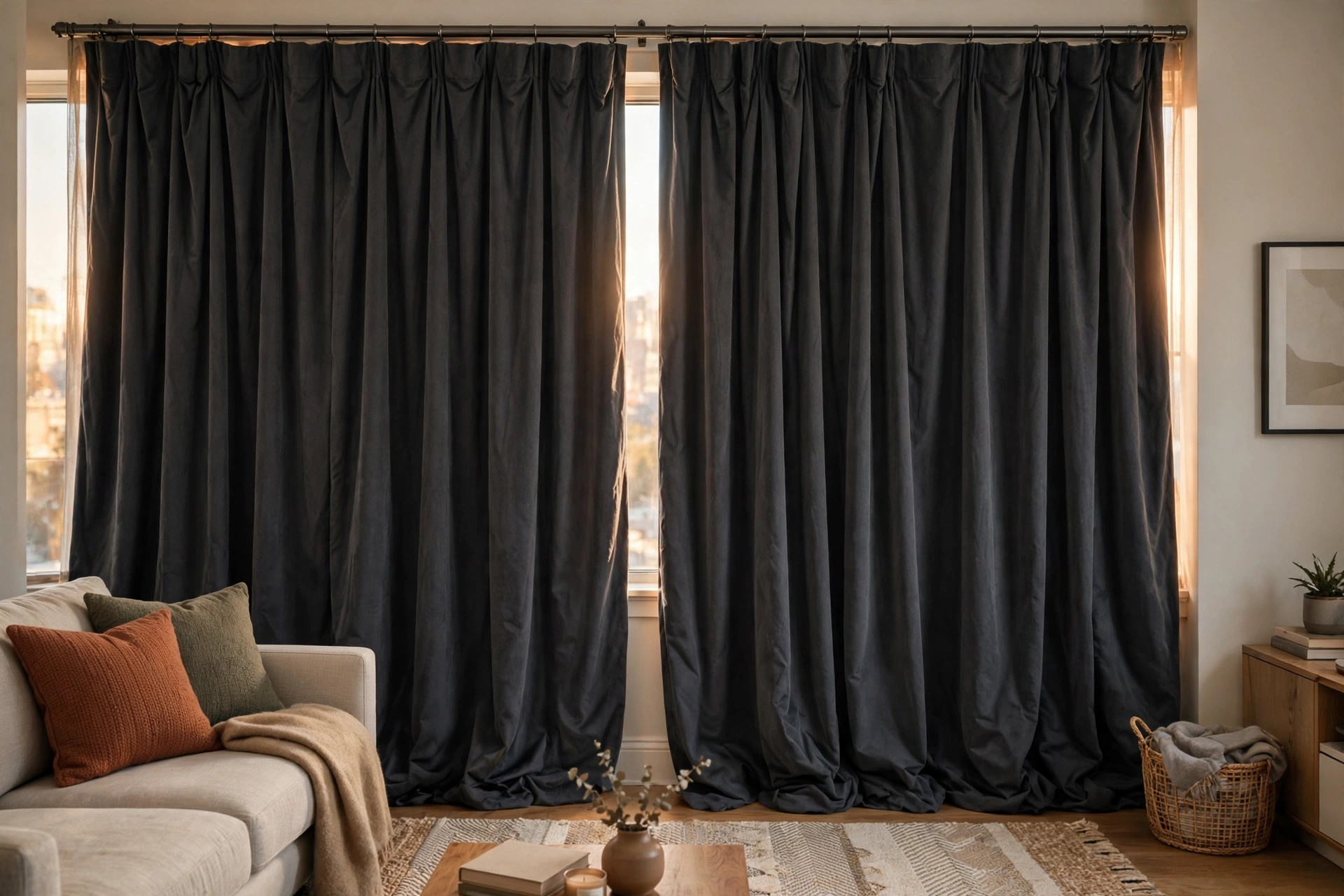
Street noise can wear a person down. Traffic hum, sirens at night, a neighbor who works late with loud music, the early garbage truck on collection day. All of it can disturb sleep and make a home feel less restful. This budget friendly noise reducing curtains buying guide is written for the reader who wants a quieter room without spending hundreds of dollars on new windows or professional soundproofing. Heavy curtains cannot make a room silent, but the right panels, hung in the right way, can soften outside sound by a clear and welcome margin. The sections below explain how these curtains work, which fabrics and linings matter most, what prices to expect, how to hang them for the best effect, and how to keep them safe and clean for years.
Why Noise Reducing Curtains Matter: Budget Friendly Noise Reducing Curtains Buying Guide
Noise is not only a matter of comfort. Long exposure to unwanted sound can raise stress, hurt sleep quality, and make it harder to rest during the day. Shift workers, light sleepers, young children, and people who work from home feel this most. A busy street outside the bedroom window can cut sleep short every morning.
Full soundproofing is expensive. Replacing windows, adding acoustic panels, and rebuilding walls costs thousands of dollars. That is out of reach for most renters and many homeowners. Budget friendly noise reducing curtains offer a middle path. They cost a fraction of new windows. They hang in an afternoon with basic tools. They can be taken down and moved to a new home. And they bring extra benefits along with the quieter room: less light in the bedroom at dawn, steadier room temperature in winter and summer, and a warmer, finished look on bare walls.
Readers shopping for the first time often ask do noise reducing curtains really work. The honest answer is that they reduce sound rather than block it. Expect a clear softening of outside noise, not silence. With that fair expectation, most buyers feel well served by a good pair of heavy panels.
How Noise Reducing Curtains Work
Sound travels in waves through the air. When those waves hit a window, they pass through the glass and the gaps around the frame. Heavy curtains fight this in two ways. First, mass. Thick fabric absorbs some of the sound energy before it reaches the room. A dense velvet panel absorbs more than a thin cotton sheet. Second, the air gap. Curtains hang a few inches from the wall. That trapped pocket of air acts as a cushion that weakens the sound further.
This is why a curtain sold as “noise reducing” differs from an ordinary curtain. The fabric is heavier. The weave is tighter. Many panels carry a second or third layer of lining. The Consumer Reports testing pages remind shoppers that marketing words on a package matter less than weight and construction, so it pays to read the product details and check the grams per square meter or ounce weight of the fabric where the maker gives it.
Sealing the edges matters as much as the fabric. Sound leaks around the curtain just as it leaks around the window. The fuller the coverage, and the smaller the gaps at the top, sides, and floor, the better the result. This single fact shapes most of the hanging advice in this budget friendly noise reducing curtains buying guide.
What to Look for When You Shop
Fabric Weight and Layers
Weight is the first thing to check. Hold the panel if you can. A heavy curtain that pulls at your arms will do more against noise than a light one. Velvet, thick cotton canvas, heavy polyester blends, and triple-weave fabrics all perform well on a budget. Look for panels described as having three woven layers or a foam-lined back.
Lining is the second key. Many budget panels add a white or cream liner on the window side. This liner adds mass and also protects the main fabric from sun damage. Some liners are thermal, which helps hold heat in during winter and keep it out in summer. A reader comparing options may also look at thermal insulated curtains price comparison usa for guidance on prices for lined panels.
Size and Fit
Measure the window before ordering. For noise control, the curtain must be much wider than the window. Aim for panels whose total width equals one and a half to two times the width of the window or rod. The extra fabric bunches into deep folds when closed, and those folds add mass and trap air.
Length matters too. Panels should reach the floor. A curtain that hangs to the sill leaves a wide gap under it, and sound pours through that gap. Floor-length panels, or panels that puddle slightly on the floor, give the best seal. Also check the drop of the rod. A rod mounted close to the ceiling lets the curtain cover the whole wall above the window, which closes another leak path. The design guides at HGTV show how high and wide mounting makes windows look better as well as working better.
Lining, Header Style, and Color
The header is the finished top of the curtain. Grommet tops slide on easily but leave small gaps around each ring. Pinch pleat and back tab headers gather the fabric tightly and give a cleaner line at the top. For pure noise control, a gathered header with deep folds beats a flat panel.
Color is a matter of taste, but it is worth a thought. Dark colors block light best and suit bedrooms. Medium tones hide dust. Light liners on the window side protect the face fabric from fading. If a room faces the street, some homeowners also consider noise reducing bamboo roman shades for texas homes as an added layer behind the curtains.
Where to Shop on a Budget
Good budget curtains are easy to find. Big stores such as IKEA, Wayfair, The Home Depot, and Lowe’s all carry lined and triple-weave panels at modest prices. Specialist shops like Blinds.com sell made-to-measure window coverings for odd-sized windows. Home decorating sites such as The Spruce and Bob Vila publish comparison articles that can help a buyer sort through the many brands.
Types of Budget Noise Reducing Curtains
Triple-weave panels. Three layers of fabric woven into one cloth. The middle layer is often dark, which blocks light too. These are among the best value options because they need no separate liner.
Thermal-lined curtains. A decorative face fabric with a coated thermal liner behind it. They fight noise and help with heating and cooling bills. Good for large windows in living rooms.
Velvet and heavy cotton panels. Natural, heavy, and kind to the hand. Velvet is one of the best mass fabrics for the price. Cotton canvas works well when lined.
Insulated grommet panels. A common sight in discount stores. Not the best at sealing the top, but heavy versions still do a fair job, and they slide on and off with ease for washing.
Layered sets. Some budget buyers use two pairs of cheap curtains on one rod, or a sheer behind a heavy panel. Two cheap layers can beat one costly one, because mass and air gaps add up.
Cost and Price Guide
Prices for budget friendly noise reducing curtains are kind to the wallet. A standard pair of ready-made lined panels, about 84 inches long and wide enough for a normal window, often sells for between fifteen and forty dollars per panel at big stores. Larger widths for sliding doors or picture windows run higher, often forty to eighty dollars per panel.
A single average bedroom window usually needs one pair. A full living room wall with a sliding door may need three or four panels. Most homes can cover two or three problem windows for under two hundred dollars in materials.
Add small costs for hardware. A sturdy rod runs ten to thirty dollars. Wall brackets, anchors, and a basic drill bit set round out the budget. Altogether, a full noise reducing window setup often costs less than one month of a typical apartment utility bill, and the comfort return lasts for years.
Care and Upkeep
Heavy curtains collect dust. Plan to shake them out or run a vacuum with a soft brush head over them once a month. This keeps the fabric fresh and the room air cleaner.
Washing depends on the label. Many polyester triple-weave panels wash in a home machine on a gentle cycle and dry on low heat. Velvet and cotton may need gentler handling. Always read the sewn-in care label before the first wash. Line drying keeps heavy panels from shrinking.
Check the rod brackets once a year. Heavy curtains pull at the wall. Tighten any loose screws and replace anchors that have worked free. This simple check keeps panels hanging straight and safe.
Sun is the slow enemy of curtains. The window side fades first. Liners guard against this, which is another reason lined panels are worth the small extra cost. Rotate panels end to end once a year if one edge catches more sun than the other.
Safety Tips
Curtains sit next to windows and near heat sources in some rooms, so safety deserves care. Keep curtains clear of space heaters, radiators, and portable heating units. Fabric against a hot surface is a fire risk.
Cord safety matters in homes with small children or pets. Older blinds and some curtain tiebacks use looped cords, which can be dangerous for young children. The U.S. Consumer Product Safety Commission advises families to use cordless products or keep all cords well out of reach. When shopping, choose cordless tiebacks and mount any holdbacks high on the wall.
Secure the rod well. A falling rod with heavy panels can injure a child or pet. Use wall anchors rated for the weight, and test the rod by pulling down on it firmly before hanging the curtains. When hanging high curtains, use a steady step ladder rather than a chair, and keep tools out of the reach of children.
Frequently Asked Questions
Do noise reducing curtains really work? They work up to a point. Heavy curtains with full coverage soften outside sound by a clear amount. They do not make a room silent. Buyers with fair expectations report better sleep and less stress, especially in bedrooms.
What is the cheapest way to block noise with curtains? Buy the heaviest ready-made lined panels you can afford in floor-length sizes, mount the rod high and wide, and close every gap. Two cheap panels on one rod often beat one costly panel. Sale racks at big home stores are a good hunting ground.
Will these curtains also block light? Most triple-weave and dark-lined panels block a large share of light. They are often sold as blackout curtains for bedrooms as well. Check the product label for the light blocking claim.
Can I use noise reducing curtains in a rental? Yes. They hang on a standard rod with two or three brackets. The small screw holes are easy to fill when you move out. This makes them one of the best sound upgrades for renters.
Do I need to cover the whole wall? No, but wider coverage works better. Extending the rod past each side of the window frame and mounting it near the ceiling gives the curtain more fabric to absorb sound and fewer gaps for noise to slip through.
How long do budget curtains last? With basic care, lined panels last five to ten years. Sun fading is the main wear. Liners and regular rotation slow it down.
Final Word
A quieter home does not require a contractor or a big loan. This budget friendly noise reducing curtains buying guide shows that heavy fabric, full coverage, and a careful hang can take the edge off street noise for a modest sum. Measure twice, buy heavy, hang wide and high, and seal the gaps. The result is a room that sleeps better, feels warmer, and looks finished. Start with the noisiest window, live with the result for a week, and then decide whether the rest of the house needs the same treatment.
References
Blinds.com. (n.d.). Window blinds, shades, and shutters. https://www.blinds.com Bob Vila. (n.d.). Home improvement advice. https://www.bobvila.com Consumer Reports. (n.d.). Product reviews and ratings. https://www.consumerreports.org HGTV. (n.d.). Home and garden ideas. https://www.hgtv.com IKEA. (n.d.). Home furnishings. https://www.ikea.com Lowe’s. (n.d.). Home improvement products. https://www.lowes.com The Home Depot. (n.d.). Home improvement products. https://www.homedepot.com The Spruce. (n.d.). Home and garden advice. https://www.thespruce.com U.S. Consumer Product Safety Commission. (n.d.). Product safety information. https://www.cpsc.gov Wayfair. (n.d.). Furniture and home goods. https://www.wayfair.com
Was this guide helpful?

About Michael Thompson
The My Garden US editorial team writes practical, in-depth home and garden guides for American homeowners — tested advice, no fluff.
You May Also Like

Best Curtain Cleaning Services Near Me: A Plain Guide
March 29, 2026 0 views
Premium Energy Efficient Window Treatments With Free Shipping: A Buyer Guide
March 20, 2026 0 views
How to Buy Made to Measure Blinds Online in Colorado
February 2, 2026 0 views