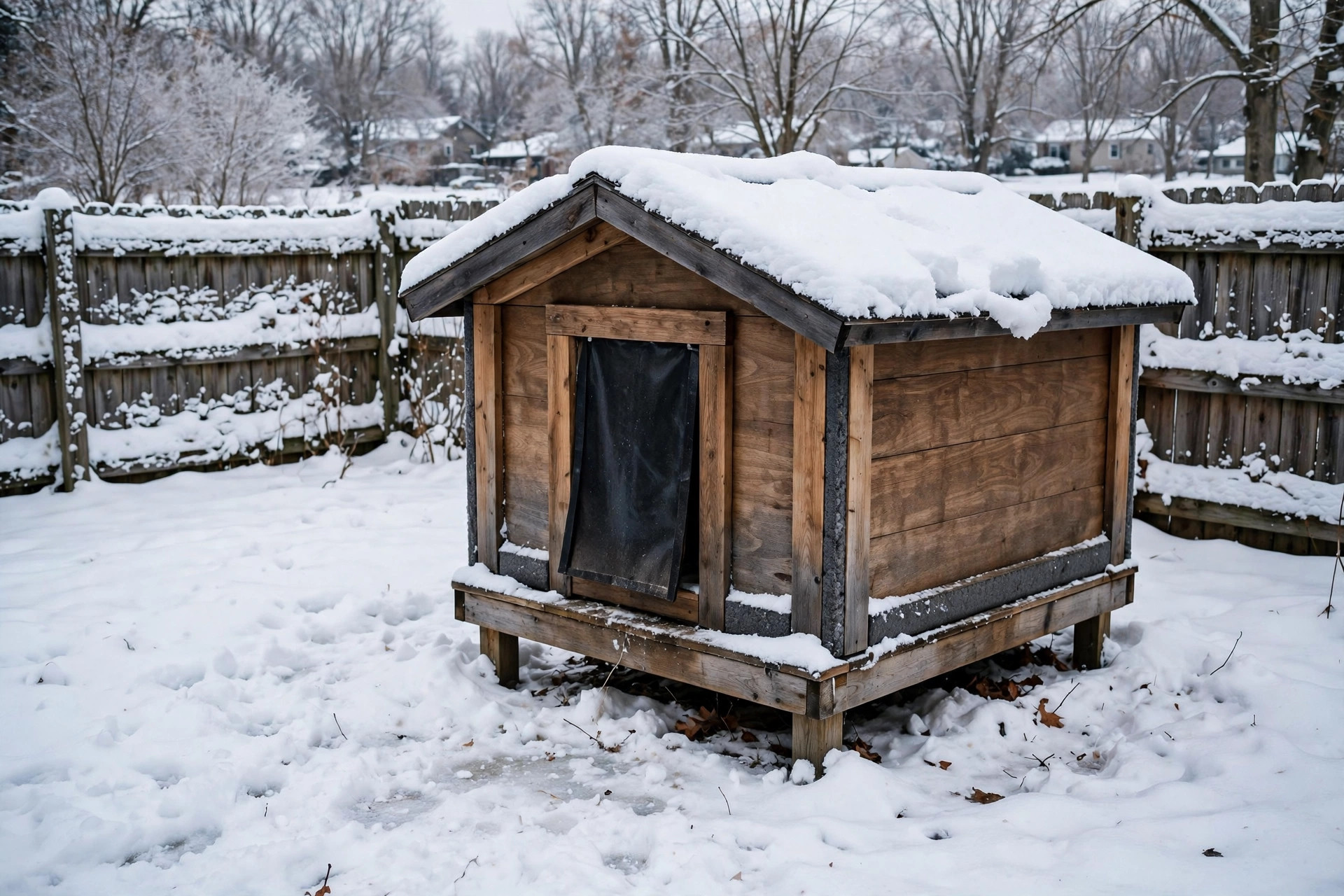

Many dogs spend time outside each day. Winter changes the yard. Snow covers the ground. Wind cuts through the air. Cold settles in after sunset. A dog that sleeps outside in this weather needs real shelter. The best outdoor dog house insulated for winter keeps out the cold and holds in the warmth of your dog’s own body. It is not a luxury. It is part of basic care. This guide explains why insulation matters, what to look for, the main types, what you can expect to pay, and how to keep the house safe and clean through the season.
Why Your Dog Needs a Warm House in Winter
Dogs feel cold much like people do. Some breeds have thick coats and can take low temperatures. Most house dogs do not. Puppies, senior dogs, and small breeds lose heat fast. Even a hardy dog gets cold when it must sleep on frozen ground with wind blowing through thin walls.
Cold causes more than discomfort. Long hours in the cold can lead to frostbite on ears, paws, and tails. Dogs can also catch colds and chest problems. A warm house guards against these dangers. It gives the dog a place to rest, dry off, and save energy. The American Society for the Prevention of Cruelty to Animals advises that outdoor dogs need shelter that blocks wind, snow, and rain in cold weather.
A well built house also keeps water and food in better shape. Water bowls set inside a sheltered space freeze more slowly. Bedding stays dry. The dog spends less energy staying warm and more on staying healthy.
What to Look for in an Insulated Dog House: Best Outdoor Dog House Insulated for Winter
Not every dog house works for winter. Some are made only for shade in summer. A house made for winter must seal out cold air and hold warmth inside. Here are the points that matter most.
Size and Fit
The house should fit the dog, not the yard. A house that is too large will not hold heat. The dog’s body is the heater. Small, tight spaces stay warmer. Your dog should be able to stand up, turn around, and lie down in a full stretch. It should not have room for two more dogs. Measure your dog from nose to base of tail, and from shoulder to ground. Add a few inches to each number. That is your target size. Owners of big breeds may also want to read about the best outdoor dog kennel for large breeds usa when the yard needs a full run, not just a house.
Insulation
Insulation is the heart of a winter dog house. Look for walls with foam panels built between two layers of wood or plastic. Some houses use solid foam cores. Others use air gaps. Foam cores work best. The floor needs insulation too, since cold rises from the ground. A raised floor helps. Thick foam in the floor keeps the sleeping area off the frozen earth. Roofs should carry insulation as well, because heat rises and escapes through a thin roof.
Door and Entrance
The door should face away from the wind. Most owners face it east or south. A plastic or vinyl flap over the opening cuts wind and keeps heat in. The flap must be soft enough for the dog to push through with its nose. In very cold regions, some owners add a double flap. Leave the flap off on mild days so the dog learns the house is safe. If you live where deep cold lasts for weeks, a heated dog house for winter cold climates may be worth a look.
Floor and Bedding
Never let the dog sleep on bare wood or plastic. Cold soaks through. Straw is a classic choice. It stays fairly dry and the dog can shape it into a nest. Change straw often. Cedar shavings also work and smell fresh. Some owners use a raised bed mat made for outdoor use. A best outdoor dog bed waterproof for patio style mat can sit inside the house and keep the dog off the cold floor. Avoid blankets in wet weather. They soak up water and freeze.
Roof Design
A sloped roof sheds snow and rain. A flat roof can hold snow and grow heavy. Overhangs on the roof keep drip lines away from the door. Many wooden houses have roofs that lift off for cleaning. This is a good feature. You will need to change bedding through the winter. Easy access saves time.
Ventilation
A house needs a little air flow. Without it, damp air builds up inside. The dog breathes out moisture. Damp air makes the cold worse. Small vents near the roof let moist air out while keeping warm air low. Do not seal the house tight like a box. A few small holes high on the walls are enough.
Types of Insulated Dog Houses
Dog houses for winter come in three main types. Each has strengths.
Wooden Houses
Wood is the classic choice. It looks good in the yard. Wood holds heat well when walls are thick. Many wooden houses come with foam panels fitted between inner and outer walls. They are heavy and stay put in wind. The weak point is care. Wood needs stain or sealant to stop rot. Check the base each year for soft spots.
Plastic Houses
Plastic houses are light and easy to clean. The best ones have double walls with foam fill. They do not rot and they wash out with a hose. Cheap single wall plastic houses are poor for winter. They sweat inside and lose heat fast. Buy only double wall models with real insulation if you want winter use.
Heated Houses
Some houses come with built in heating pads or panels. Others let you add a pad made for pets. Heaters add comfort but add risk. Use only pads made for animals, with cords wrapped in steel. Ordinary heating pads can burn a dog or start a fire. PetMD offers veterinary advice on winter pet safety and warns against any heater not rated for pet use. If you add heat, check it daily.
Cost and Price
Prices run wide. A small double wall plastic house may cost between 80 and 150 dollars. A medium wooden house with foam insulation often runs 200 to 400 dollars. Large wooden houses for big breeds can pass 500 dollars. Heated models start near 250 dollars and climb from there.
Price does not always mean warmth. A costly cedar house with no insulation may do worse than a cheaper foam core plastic model. Read the wall build, not the price tag. Look for the words foam core, double wall, and insulated floor. Check reviews from buyers in cold states. Retailers such as Chewy and Tractor Supply carry winter rated models and show buyer feedback.
Set a budget, then pick the warmest house in that range. A house lasts many years if you care for it. Spending a little more now beats buying twice.
Care and Upkeep
An insulated dog house needs regular care through winter.
Check bedding weekly. Pull out damp straw or shavings and add fresh dry material. Wet bedding steals heat and can make skin sores.
Clear snow from the roof. Heavy snow can bend a light roof. Brush it off after each storm. Keep the door clear too, so the dog can come and go.
Look for leaks. After rain or thaw, feel the inside walls. Any wet spot means a gap in the roof or seams. Seal it with caulk rated for outdoor use.
Wash the house in late fall. Before the first hard freeze, empty the house and scrub it with mild soap and water. Let it dry fully. Then lay fresh bedding. A clean house holds less odor and fewer pests.
Inspect the door flap. Flaps crack in cold. A cracked flap lets wind pour in. Replace it when it stiffens or splits.
Raise the house off the ground. If your model sits flat on soil, set it on bricks or a wooden platform. Two to four inches of air under the floor makes a clear difference in warmth.
Guides from The Spruce Pets offer step by step help on cleaning outdoor pet shelters through the cold months.
Safety Tips for Winter
Warmth is only part of safety. Keep these points in mind.
Water. Dogs need fresh water every day. Water freezes fast in winter. Use a heated bowl made for pets, or change the water twice a day. Place the bowl near the house but not inside it, where spills would soak the bedding.
Food. Dogs burn more calories in cold weather. Ask your vet if your dog needs a little more food in winter. The American Kennel Club publishes breed care guidance that covers cold tolerance by breed and size.
Tie outs. Never tie a dog where the rope can tangle and trap it outside the house. A tangled dog can freeze. Use a fixed run or a fence instead.
Salt and chemicals. Rock salt and ice melt can burn paws. Keep the path to the house clear of chemicals. Rinse paws after walks on treated roads.
Check on the dog often. Even with a good house, look in on your dog through the day. Watch for shivering, slow movement, or a dog that will not leave the house. These are signs it is too cold. Bring the dog inside when temperatures drop far below freezing.
Fire risk. If you use a heated pad, read the maker guide first. Keep cords out of reach of teeth. Never use space heaters or heat lamps near a dog house.
Frequently Asked Questions
How cold is too cold for a dog outside?
It depends on the dog. Small, short haired, young, and old dogs feel cold fast. Many vets say to bring dogs inside when the temperature falls below 20 degrees Fahrenheit. Wind makes it worse. A good insulated house helps, but it does not make a dog safe in deep cold. Watch your own dog and use care.
Should the dog house have a heater?
Most dogs do fine with insulation and good bedding alone. A heater helps in very cold regions or for senior dogs. Use only pet rated heating pads. Place the pad under bedding, never bare against skin. Check cords and controls each day. Many owners find a warm pad and thick straw is all they need.
What is the best bedding for a winter dog house?
Straw is the top pick for most owners. It stays dry, it insulates, and the dog can shape it. Cedar shavings are second. They smell nice and keep bugs away. Avoid hay, which molds fast, and avoid blankets in wet weather. Change any bedding as soon as it gets damp. Pet supply stores such as Petco and PetSmart stock winter bedding options.
Where should I place the dog house in winter?
Put it against the house wall or a fence that blocks the wind. Face the door away from the wind, often east or south. Keep it on high ground so melt water drains away. Do not place it in a low spot where water pools and freezes. Leave a clear path so the dog can reach it without wading through deep snow.
Can two dogs share one insulated house?
Two dogs can share if they get along and both fit with room to stand and turn. Two bodies make more heat, so sharing can be warmer. But a cramped house causes fights. If the dogs are large, one house per dog is better. Watch how they act. If one dog blocks the door, separate them.
A Final Word
A dog that lives outside in winter counts on you. The best outdoor dog house insulated for winter is one that fits the dog, seals out wind, holds warmth, and stays dry. Take time to pick the right size and build. Keep bedding fresh. Check on your dog each day. Retailers like The Home Depot and Lowe’s stock winter ready models each fall, so plan ahead before the first freeze. With a warm house and steady care, your dog can face winter in comfort.
References
American Kennel Club. (n.d.). Dog care and training resources. https://www.akc.org Chewy. (n.d.). Pet supplies. https://www.chewy.com Lowe’s. (n.d.). Home improvement products. https://www.lowes.com Petco. (n.d.). Pet supplies and services. https://www.petco.com PetMD. (n.d.). Pet health information. https://www.petmd.com PetSmart. (n.d.). Pet supplies and services. https://www.petsmart.com The Home Depot. (n.d.). Home improvement products. https://www.homedepot.com The Spruce Pets. (n.d.). Pet care guides and product reviews. https://www.thesprucepets.com Tractor Supply Co. (n.d.). Farm and ranch supplies. https://www.tractorsupply.com
Was this guide helpful?

About David Wilson
The My Garden US editorial team writes practical, in-depth home and garden guides for American homeowners — tested advice, no fluff.
You May Also Like
Dog Tie Out Cable for Camping and Yard: A Plain Guide
September 1, 2026 0 views
Best Orthopedic Cat Bed for Senior Cats: A Guide to Comfort for Older Felines
January 7, 2026 0 views
Cat Door for Interior Door Installation Easy: A Simple Guide for Pet Owners
June 2, 2026 0 views