Water damage is one of the most common causes of home insurance claims. A burst hose or a failed water heater can flood a home in minutes. Most owners find the damage hours later, when it is too late. The automatic water shut off valve cost installed is worth knowing because one valve can stop a leak before it grows into a costly repair.
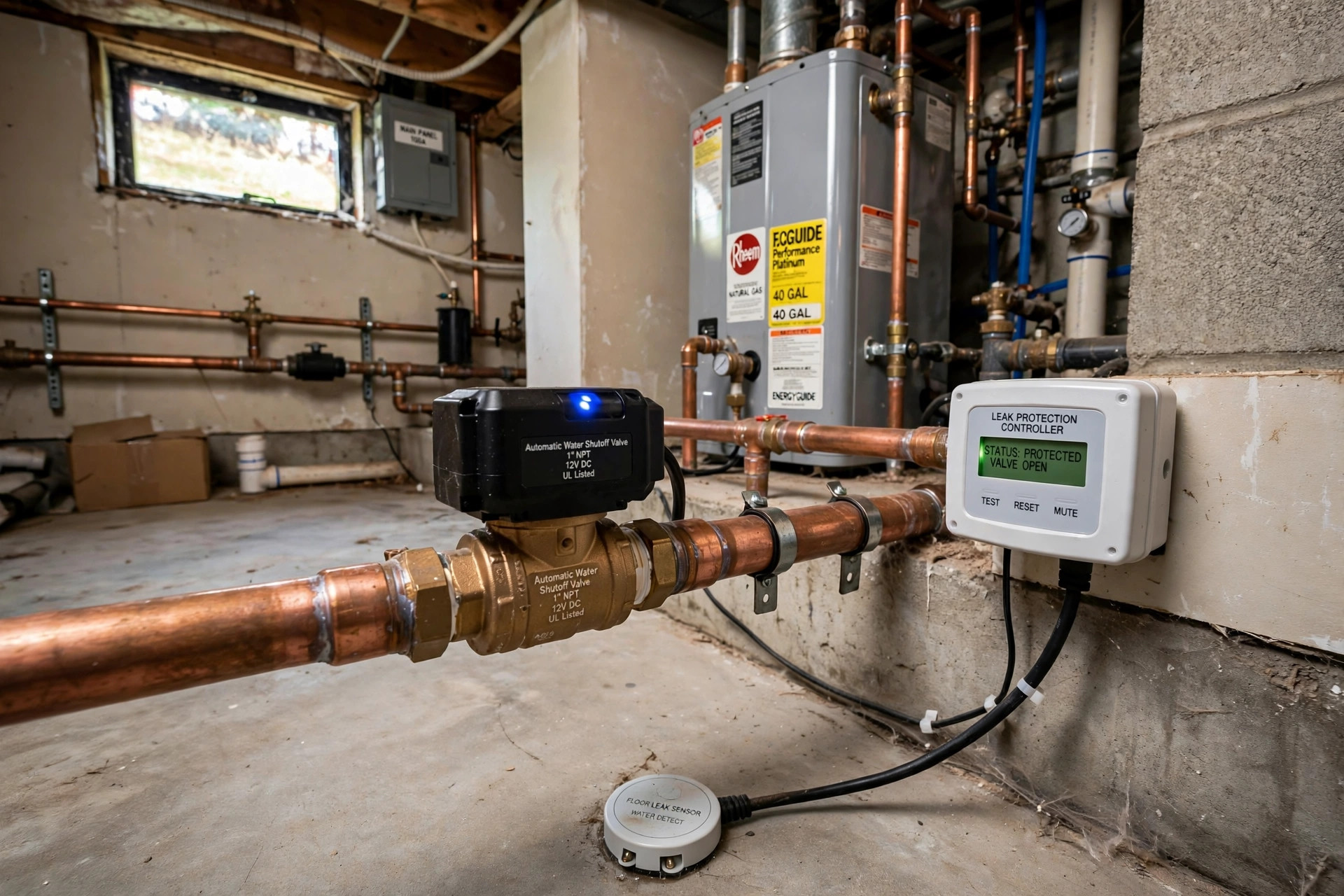
An automatic shut off valve watches for water where it should not be. When a sensor detects a leak, the valve closes the water line by itself. No one has to be home. No one has to turn a handle. The water simply stops.
This guide covers the automatic water shut off valve cost installed in plain terms. It explains what these valves do, the types on the market, what to look for, what drives the price, and how to keep the valve in working order.
Why It Matters
A small leak can do large damage. Water soaks drywall, ruins flooring, and invites mold. Repair bills often run into the thousands of dollars. Homeowners who travel, work long days, or own a second home face the largest risk. No one is present to spot the leak early.
Insurance firms know this. Many offer discounts on premiums when a home has a monitored water shut off system. A policy discount can offset part of the automatic water shut off valve cost installed over a few years. The valve is not only protection. It can also be a small yearly saving.
Renters in condos and landlords with rental units gain a special benefit. Water damage in one unit can reach the neighbors. A valve that acts on its own protects the whole building. For landlords, the cost is often minor beside one avoided claim.
Leak damage is also stressful. Owners worry when they leave for vacation. A shut off valve brings calm. The system watches day and night, in heat and cold.
What To Look For When Choosing: Automatic Water Shut Off Valve Cost Installed
Not all valves are alike. A few features matter more than the rest.
Valve size. The valve must match the size of the main water line. Most homes use three quarter inch or one inch pipe. A plumber can measure the line in seconds.
Sensor reach. Leak sensors sit on the floor near risk points. These include water heaters, washing machines, and under sinks. Some systems link many sensors to one valve. More sensors mean wider coverage.
Smart features. Many modern valves connect to a phone app. They can send alerts and let owners close the valve by hand from far away. Some link to other smart home plumbing products like those found at Moen.
Power source. Some valves run on house current with battery backup. Others run on batteries alone. A backup matters because leaks can follow storms, and storms can cut power.
Response time. A good valve closes within seconds of a sensor alert. Slow valves let more water escape. Product specs often state the close time.
Pipe material. The valve must fit copper, PEX, or CPVC lines. Adapters exist for mixed systems. An installer can confirm the fit before work begins.
Alert channels. A phone app alert is useful only if the owner sees it. Look for systems that also send text messages or emails. Some systems call a phone line in a real emergency. More channels mean a faster response when it matters.
Types Of Automatic Shut Off Valves
Three main types serve homes today.
Whole house inline valves. These sit on the main water line. They stop all water to the home when any linked sensor detects a leak. They give the widest protection. They cost the most and need professional fitting in most cases.
Point of use valves. These guard a single appliance, such as a water heater or a washing machine. They are smaller and cheaper. They suit homes that need targeted protection in one trouble spot.
Smart leak detector kits. These pair small sensors with a motorized valve head. The sensors detect water. The head turns the existing shut off handle. They install with less plumbing work. They suit owners who want an easier upgrade.
A fourth option is growing: valves built into water filtration products. Some makers of whole house filters now add leak shut off to their units. Homeowners who shop for Aquasana style filtration systems may find leak protection bundled in.
Automatic Water Shut Off Valve Cost Installed
Here is the heart of the matter. Prices vary, but typical ranges hold steady across the country.
A basic valve alone costs about 50 to 150 dollars. A mid range smart valve costs about 150 to 400 dollars. A full featured whole house system with sensors can cost 400 to 700 dollars for the hardware.
Labor adds more. A licensed plumber charges roughly 150 to 600 dollars for a standard install. Simple jobs on easy to reach lines sit at the low end. Hard to reach lines, larger pipe sizes, and added sensors push the job to the high end.
Put together, the automatic water shut off valve cost installed runs about 200 to 1,000 dollars for most homes. A simple point of use install can land near 200 to 350 dollars. A whole house smart system with professional fitting often lands between 500 and 1,000 dollars. Large or complex homes can exceed that range.
What drives the price up or down:
– Valve size. One inch valves cost more than three quarter inch valves. – Line access. A valve near the front of the basement is easy. A line behind walls or under slabs is hard. – Smart features. Phone apps, WiFi links, and extra sensors raise the hardware price. – Permits and code. Some towns require a permit for main line plumbing work. A licensed plumber at a local shop listed through sites like Home Depot or Lowes can confirm local rules. – Extra sensors. Each added sensor raises the parts cost a little.
How to keep costs fair:
– Get two or three written quotes from licensed plumbers. – Ask whether the quote includes the valve, sensors, labor, and any permit fees. – Compare the warranty on parts and labor. – Ask your insurer about a discount before you buy. A discount can cut the real cost over time.
Online home repair advice from sites such as This Old House and Family Handyman offers step by step overviews. Reading them helps owners ask sharper questions when a plumber arrives.
Care And Upkeep
A shut off valve needs little care, but it needs some. Regular checks keep it ready.
Test the system every three months. Trigger one sensor with a wet cloth and confirm the valve closes. Then reset the system. A test takes five minutes.
Replace batteries on schedule. Smart systems warn when power runs low. Do not ignore the warning. A dead battery can leave the valve silent during a real leak.
Keep sensors clean and in place. Dust, pet hair, and stored boxes can shift a sensor away from the floor. Put each sensor back where it can meet standing water.
Update the app and firmware. Makers release updates that fix bugs. A current app keeps alerts reliable.
Inspect visible pipe joints once a year. Look for drips, corrosion, and loose fittings. Good pipe insulation — see our guide to the best pipe insulation for cold climates usa — guards lines in cold zones and lowers the chance of a burst that the valve must handle.
If the valve is hard to reach, write the shut off steps on a card and keep it near the panel. Any adult in the home should know how to reset the system.
In cold regions, winter care matters. Shut off outdoor lines before the first hard freeze. A valve that guards an indoor main cannot help a hose bib that bursts outside. A burst outdoor line still needs a manual shut off. Keep the utility room warm enough that indoor pipes do not freeze. A frozen valve body can crack and fail.
Safety Notes
Plumbing work on a main line carries risk. A mistake can flood the home or cut water to the house. Shut off the main before any install or repair. Keep towels and a bucket close at hand.
Electrical safety matters too. Smart valves need power. Keep plugs and wires away from standing water. Follow the maker wiring guide. When in doubt, call a licensed plumber or electrician.
Check local plumbing codes. Some areas require a licensed professional for main line changes. Others allow owners to do the work. Local rules also cover backflow prevention. A fixture maker resource such as Kohler or Delta Faucet may note code matters in product guides, but local code has the final word.
Water shut off valves are not a cure for bad plumbing. Old corroded lines still need repair or replacement. Fixing the root cause is always safer than trusting one device.
Frequently Asked Questions
How long does installation take? A standard install takes one to three hours. The plumber shuts the main, cuts the line, fits the valve, wires the sensors, and tests the system. Hard access or added sensors can add time.
Will my insurance give a discount? Many insurers do. The discount varies by firm and state. Call your agent before buying. Ask exactly which systems qualify and how large the discount is.
Does the valve work during a power outage? It depends on the model. Units with battery backup keep working for hours or days. Battery only units also keep working. Ask about backup power before you buy.
Should I get a whole house valve or a point of use valve? A whole house valve guards every fixture and line. A point of use valve guards one appliance. Homes with a water heater in a finished basement often gain the most from a whole house unit. Small budgets can start with point of use protection.
Can I install it myself? Some motorized kits are made for owners. They need only basic tools. Whole house inline valves need pipe cutting and soldering or pressing. Most owners hire a plumber for those. Do it yourself plumbing guides exist, but main line work is a poor place for a first project.
How often should I replace the valve? Most valves last ten to fifteen years with basic care. Sensors last five to ten years. Makers list expected life in the manual. Replace parts on schedule rather than after a failure.
A Short Final Word
The automatic water shut off valve cost installed sits well below the cost of one major water damage claim. For a few hundred dollars, a home gains a watcher that never sleeps. The right valve fits the pipe, covers the risk points, and matches the budget.
Shop with care. Compare quotes. Ask about insurance discounts. Then test the system each season. Small habits keep the valve ready. When picking fixtures for the same wet areas, a quality pull-down kitchen faucet — see our picks for the best pull down kitchen faucet 2026 usa — and a sturdy basin matched through our stainless steel sink gauge comparison guide round out a leak resistant kitchen and bath. Water saving is part of the same story. The EPA publishes water conservation guidance that pairs well with leak prevention in any home.
References
Aquasana. (n.d.). Water filtration systems. https://www.aquasana.com Delta Faucet. (n.d.). Kitchen and bathroom faucets. https://www.deltafaucet.com Family Handyman. (n.d.). DIY home repair and maintenance. https://www.familyhandyman.com Kohler. (n.d.). Bathroom and kitchen fixtures. https://www.kohler.com Lowe’s. (n.d.). Home improvement products. https://www.lowes.com Moen. (n.d.). Faucets and plumbing fixtures. https://www.moen.com The Home Depot. (n.d.). Home improvement products. https://www.homedepot.com This Old House. (n.d.). Home renovation guidance. https://www.thisoldhouse.com U.S. Environmental Protection Agency. (n.d.). Protecting human health and the environment. https://www.epa.gov
Was this guide helpful?

About Sarah Mitchell
The My Garden US editorial team writes practical, in-depth home and garden guides for American homeowners — tested advice, no fluff.