A hot tub can be a great comfort in later years. Warm water eases stiff joints and sore muscles. It also gives a quiet place to rest at the end of the day. This guide brings together the best hot tub for seniors reviews in plain words. It covers what matters most for older adults, how to choose, what models cost, how to care for the water, and how to stay safe.
Why a Hot Tub Can Help Older Adults
As people age, joints grow stiff and muscles grow tired. Arthritis and old injuries can make daily life harder. Warm water supports the body and takes weight off the knees, hips, and back. Many seniors say a short soak in the evening helps them move more freely in the morning.
Heat also helps blood flow. When blood moves well, the body can send warmth and oxygen to sore places. Gentle jets of water work like a soft massage on the neck, shoulders, and lower back. This can ease tension built up over the day.
There is also the matter of rest. Many older adults have trouble sleeping through the night. A soak in warm water about an hour before bed can help the body relax. The warm water raises body heat, and the cool air after the soak signals to the body that it is time to sleep.
A hot tub can also be a social spot. Couples enjoy time together in the water. Friends can visit and share a quiet hour. For seniors who live alone, a daily soak can become a pleasant routine to look forward to. Readers comparing models may also like our guide to the best hot tub for arthritis relief, which looks at jet placement for joint pain in more detail.
What to Look for When Choosing: Best Hot Tub for Seniors Reviews
Not every hot tub suits an older adult. Some tubs are deep, with high sides that are hard to climb over. Others have slick steps or confusing controls. When you read the best hot tub for seniors reviews, look for these features first.
Safe and Easy Entry
Entry is the most important part. The best tubs for seniors have a wide, low step or a built-in seat at the rim. Sturdy handrails on one or both sides help a great deal. Some tubs also have grab bars mounted inside the shell. Look for steps with a non-slip surface so wet feet do not slide.
A good rule is simple: if you must lift your knee above your hip to climb in, the tub is too high for you. Tubs made for seniors often have a seat height near eighteen to twenty inches. This lets the user sit down and swing the legs over, rather than climb. Adding sturdy hot tub steps with storage can make entry safer and give you a dry place for towels.
Seat Design
Older adults need seats that support the back and neck. Look for loungers or upright seats with high backrests. The seats should hold the body in place so it does not float forward. Armrests on the sides give something to push against when standing up. Deep seats keep most of the body under warm water, which is better for stiff joints.
Some tubs include a cool-down seat at the top of the shell. This seat sits half out of the water. It lets a user sit and cool off without leaving the tub. That is a useful feature for seniors who get warm fast.
Jets and Warmth
Jets matter more than many buyers think. For seniors, soft, wide jets work better than hard, narrow streams. Strong jets can sting thin or tender skin. Look for tubs with adjustable jets that can be turned down to a gentle flow. Place the jets where you need them most: lower back, neck, and calves are common sore spots.
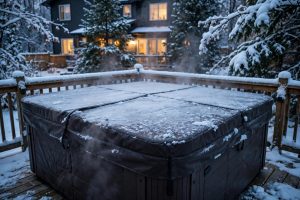
Good insulation keeps the water hot and the bills low. A well-sealed tub with a thick cover holds heat through the night. In cold parts of the country this matters a great deal. Models built for cold weather are reviewed in our article on the best hot tub for cold climates, which also covers insulation types.
Simple Controls
Controls should be easy to read and easy to use. Large buttons with clear labels beat small touch screens. A simple dial or a few raised buttons can be worked by hands that shake or ache. Digital displays should use big numbers. The best tubs let you set the temperature, run the jets, and turn on the lights with no more than two or three presses.
Remote monitoring is a plus but not a must. Some newer tubs can be checked from a phone. That can help a family member make sure the water is safe and warm.
Covers and Lifters
A hot tub cover keeps the water clean and warm. But a heavy cover is hard for an older adult to lift. That is why many senior buyers add a cover lifter. A lifter is a simple arm that folds the cover back with little effort. Our rundown of cover lifter reviews compares models that work with one hand.
Types of Hot Tubs
There are four main types of hot tubs on the market. Each has its own strengths.
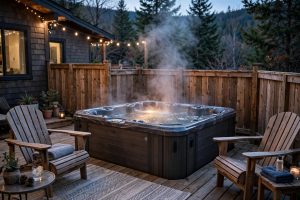
Acrylic shell tubs are the most common. They have a molded plastic shell set in a wood or plastic cabinet. They last a long time and come in many sizes. Most senior-friendly models are acrylic. Prices range wide, from about four thousand dollars to over twelve thousand dollars. Builders like Hot Spring and Bullfrog Spas offer a range of acrylic models with adjustable jets.
Rotomolded tubs use a simpler one-piece plastic shell. They are lighter and cost less, often two to four thousand dollars. They move more easily, which suits renters or people who may move. The seats are often less shaped, so they may not support the back as well.
Inflatable hot tubs are the least costly option, often three hundred to one thousand dollars. They blow up like a ring and plug into a wall outlet. They are easy to set up and take down. The downside is that the sides are low and soft, which makes entry harder for some seniors. The water also cools faster, so they work best in warm months.
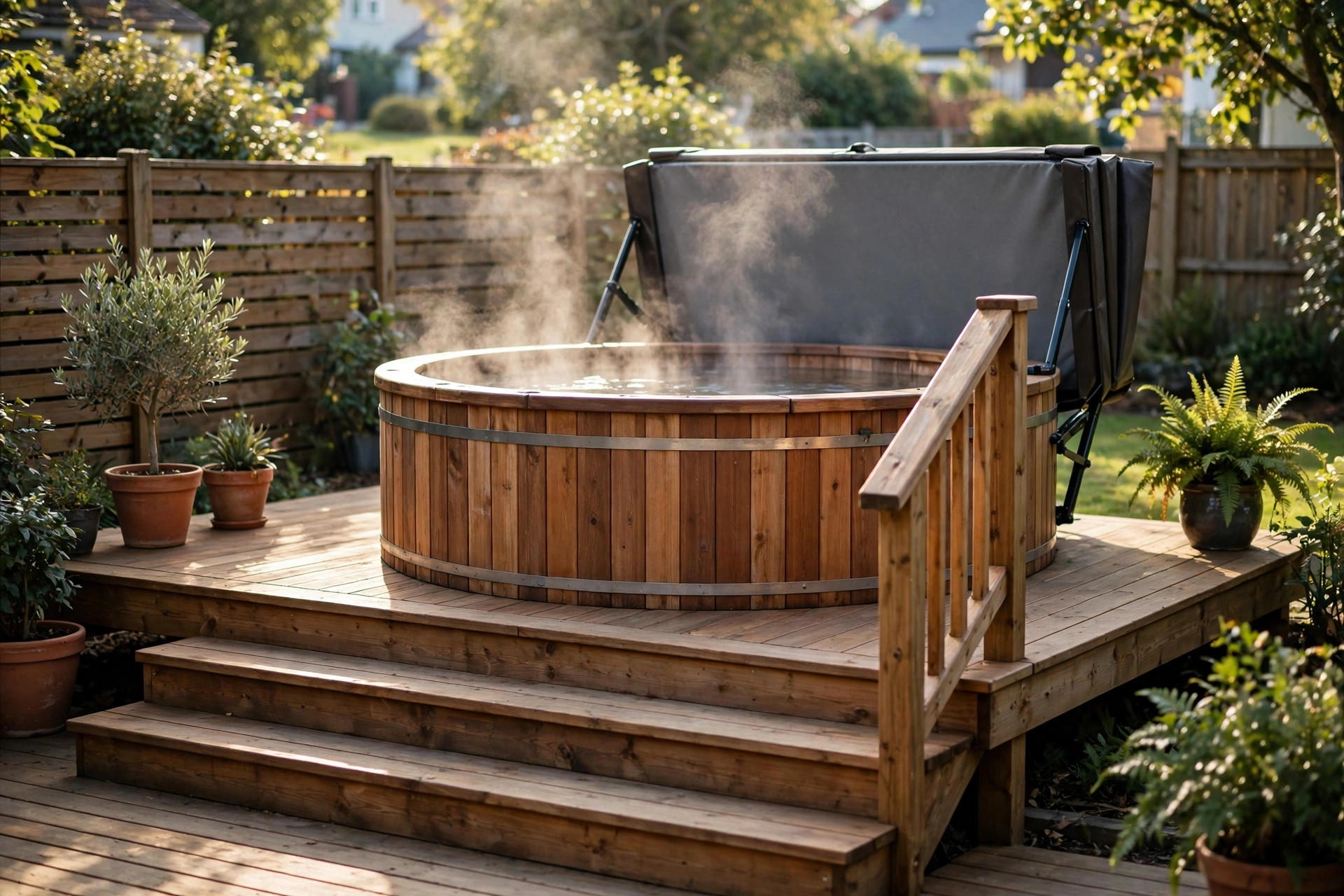
Wooden tubs use cedar or redwood staves held by steel bands. They look beautiful in a garden. They need more care to stop leaks and wear. The seats are simple benches. They are a fair choice for people who prize looks over ease of use.
Cost and Price
A hot tub costs more than the price on the tag. Wise buyers plan for the full cost over five years. This includes the tub, the delivery, the wiring, the water care, and the power bill.
A good senior-friendly acrylic tub often costs between five and nine thousand dollars. Delivery and setup add two hundred to five hundred dollars. Most tubs need a dedicated 220-volt line, and an electrician may charge five hundred to fifteen hundred dollars for the work.
Running costs vary by climate and use. A well-insulated tub in a mild climate may cost thirty to fifty dollars a month in power. In a cold winter the bill can rise to eighty or more. Water care chemicals cost about twenty to forty dollars a month. Filters need replacing once a year at about fifty to one hundred dollars.
Some buyers save money by buying in the fall, when dealers clear floor models. Others ask about factory seconds with small cosmetic marks. Both routes can cut the price by a thousand dollars or more. Retailers such as The Home Depot and specialty shops like Leslie’s and Pool Warehouse often list seasonal deals.
Care and Upkeep
Clean water keeps the tub safe and pleasant. Test the water two or three times a week with test strips. Keep the chlorine or bromine level in the safe range printed on the strip bottle. Keep the pH between 7.2 and 7.8. If the water turns cloudy, shock it and run the filter until it clears.
Drain and refill the tub every three to four months. This keeps the water fresh and stops chemical buildup. Clean the filter with a garden hose once a month and replace it once a year. Wipe the shell with a soft cloth and a mild cleaner made for spas.
The cover needs care too. Rinse it now and then and treat the vinyl with a protectant. A cracked cover lets heat escape and raises the power bill. Store chemicals in a dry place away from children and pets. Guides at Swim University walk through each water care step in plain terms.
Safety for Senior Users
Safety comes first for older adults. Follow these rules every time you use the tub.
Keep the water temperature at or below 104 degrees Fahrenheit. Many seniors are more comfortable at 100 to 102 degrees. Soak for no more than fifteen to twenty minutes at a time. Long soaks can lower blood pressure and cause dizziness.
Enter and exit with care. Use the steps and handrails. Do not step over a high edge while wet. Keep the path to the tub well lit and free of ice or wet leaves in winter. A rubber mat beside the tub stops slips.
Drink water before and after the soak. Hot water makes the body sweat, and seniors can dry out faster than they expect. Avoid alcohol in the tub. Alcohol and hot water together can cause fainting.
Talk to your doctor before you buy. People with heart problems, high blood pressure, or diabetes should ask if hot water soaking is safe for them. The Arthritis Foundation and the National Institute on Aging both publish guidance on warm water exercise and joint care for older adults. The U.S. Consumer Product Safety Commission also lists spa safety rules that every owner should read.
Frequently Asked Questions
How warm should a hot tub be for a senior? Most seniors are comfortable at 100 to 102 degrees Fahrenheit. Never go above 104 degrees. Start cooler and raise the heat only if it feels safe.
How long should an older adult stay in the hot tub? Fifteen to twenty minutes is a safe limit for most people. If you feel dizzy, light-headed, or too warm, get out at once and sit down.
Is a hot tub good for arthritis? Warm water can ease joint stiffness and muscle pain. It does not cure arthritis. Talk to your doctor first, especially if your joints are swollen or inflamed.
What is the easiest hot tub to get into for seniors? Look for a tub with a low entry step, wide handrails, a built-in transfer seat, and a non-slip step surface. A cover lifter and stable steps make daily use much easier.
Do hot tubs use a lot of electricity? A well-insulated tub costs about thirty to fifty dollars a month in mild weather. Cold weather and heavy use can push the bill higher. Good insulation and a tight cover keep costs down.
Can a senior use a hot tub alone? It is safer to soak with another person nearby. If you soak alone, keep a phone within reach, use short sessions, and make sure someone knows your routine.
A Short Final Word
The best hot tub for seniors reviews all point to the same lesson. Safety and comfort come before size and style. Choose a tub that is easy to enter, warm without being hot, and simple to control. Keep the water clean and the bills in check. Soak for short sessions and ask your doctor first if you have health concerns. Done right, a hot tub can bring years of relief and quiet joy. Home guides at The Spruce offer more reviews and buying tips for hot tubs and backyard gear.
References
Arthritis Foundation. (n.d.). Arthritis information and resources. https://www.arthritis.org Bullfrog Spas. (n.d.). Hot tubs and spas. https://www.bullfrogspas.com Hot Spring Spas. (n.d.). Hot tubs and spas. https://www.hotspring.com Leslie’s Pool Supplies. (n.d.). Pool supplies and equipment. https://www.lesliespool.com National Institute on Aging. (n.d.). Health and aging resources. https://www.nia.nih.gov Pool Warehouse. (n.d.). Pool equipment and supplies. https://www.poolwarehouse.com Swim University. (n.d.). Pool and hot tub care guides. https://www.swimuniversity.com The Home Depot. (n.d.). Home improvement products. https://www.homedepot.com The Spruce. (n.d.). Home and garden advice. https://www.thespruce.com U.S. Consumer Product Safety Commission. (n.d.). Product safety information. https://www.cpsc.gov
Was this guide helpful?

About Emily Rodriguez
The My Garden US editorial team writes practical, in-depth home and garden guides for American homeowners — tested advice, no fluff.